
 Dwi Wanna
 Nana Wu
 Muslim
 Reynand Wu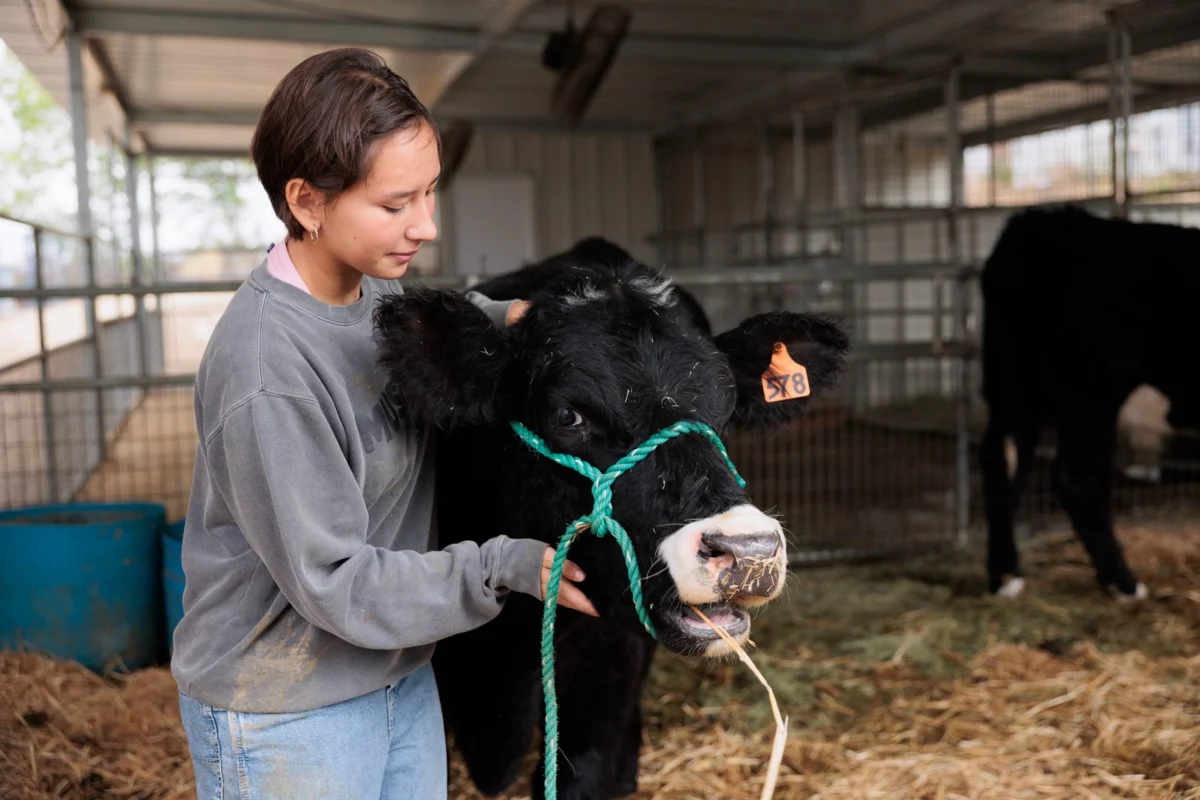
 Ammar Sabilarrohman
 Laily UPN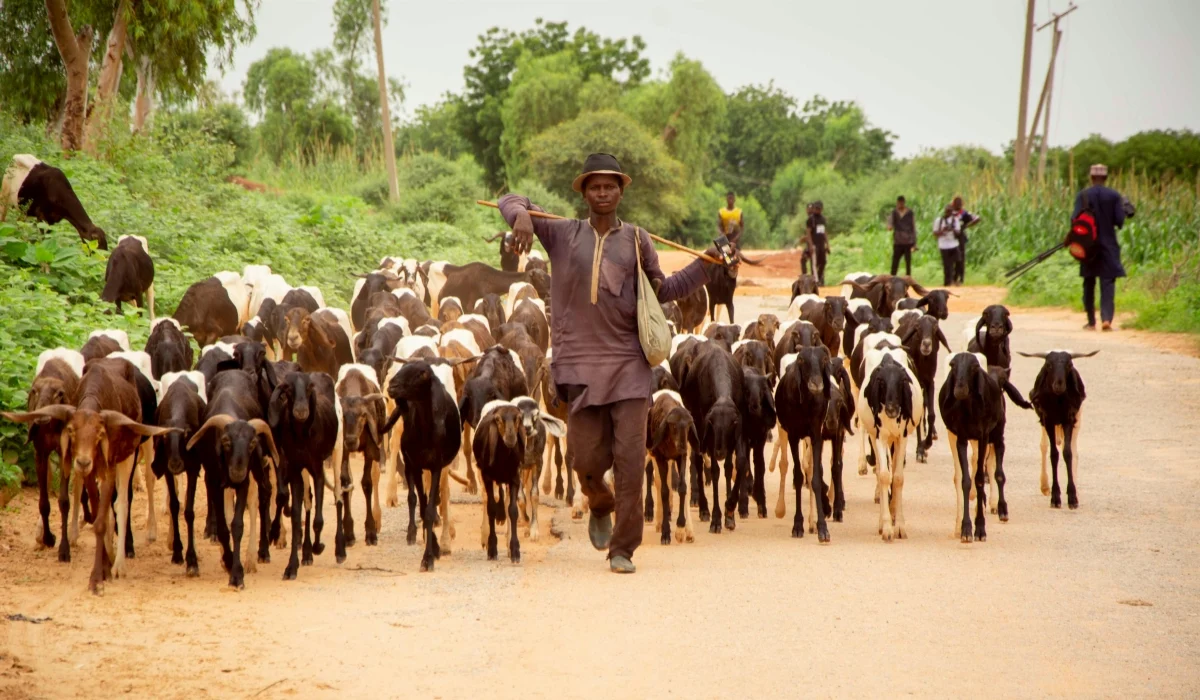
By Olivia Boothman, Global Farm Metric Projects Manager
This year, as officially recognized by the Food and Agriculture Organization (FAO) of the United Nations, marks the International Year of Rangelands and Pastoralists. While the term "pastoralism" often conjures up romanticized visions of idyllic, slow-paced "country life," the reality is far more profound. Far from being a relic of the past, pastoralism represents a sophisticated, time-tested approach to living within the ecological limits of our planet. As we face a global food system under immense strain, it is time to look past the aesthetic, uncover the true meaning of pastoral practice, and extract the lessons necessary to transform our modern agricultural systems.
The Disconnect: From Rangelands to "Country Life"
In recent popular media, such as the BBC’s Race Across the World, audiences were treated to glimpses of Kyrgyzstan. The show captured the breathtaking, intentional, and arduous journeys made across plains and mountain ranges by pastoralists herding their livestock to seasonal pastures. Yet, while the show portrayed the beauty of this land-based existence, it remained a superficial view.
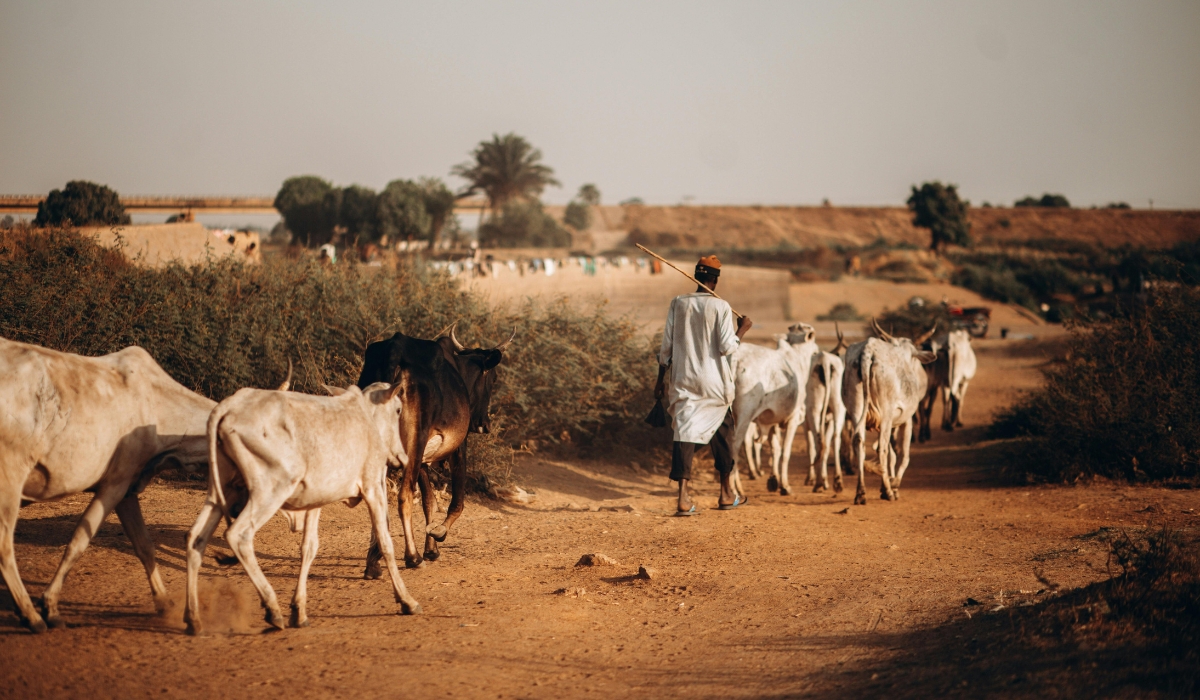
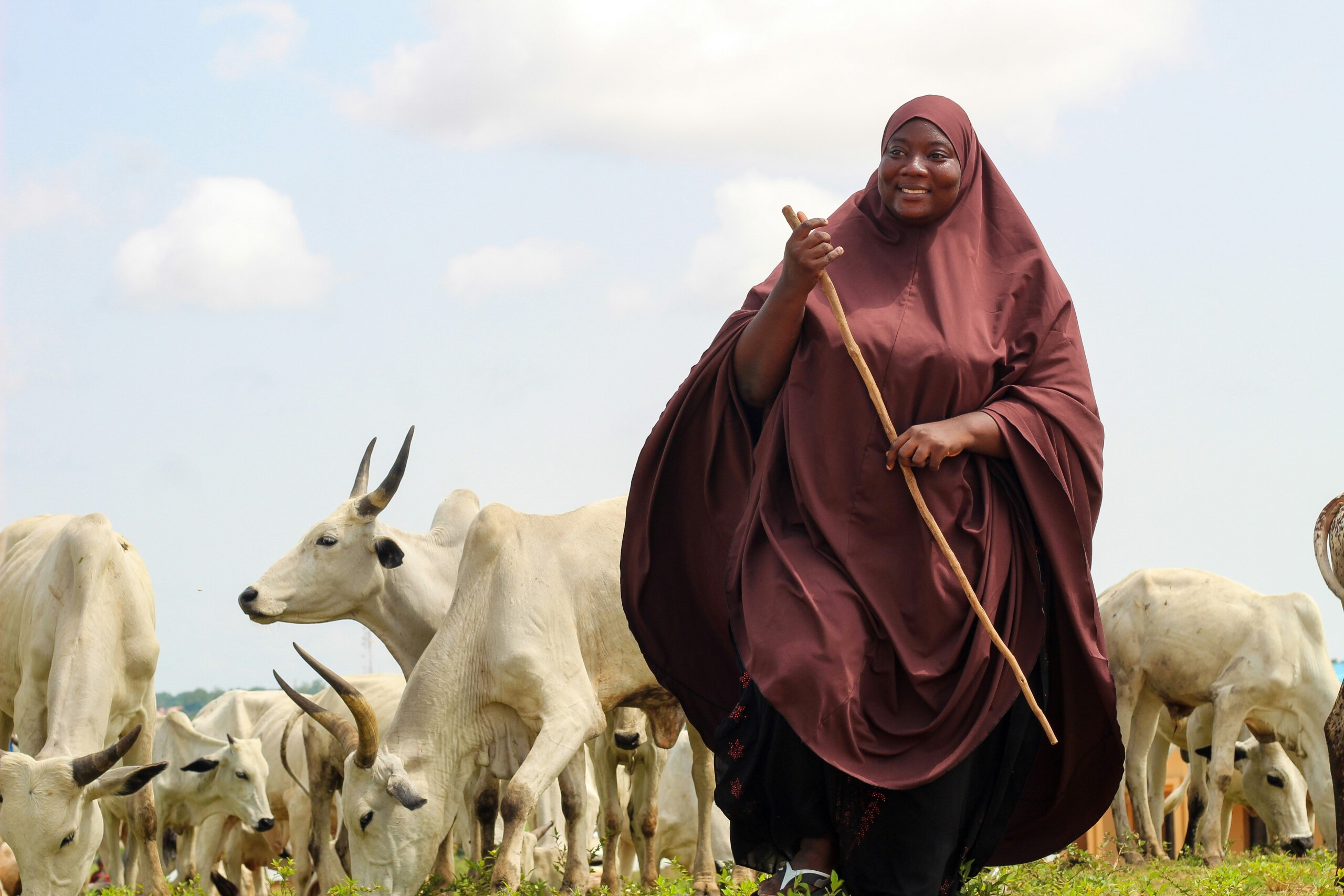
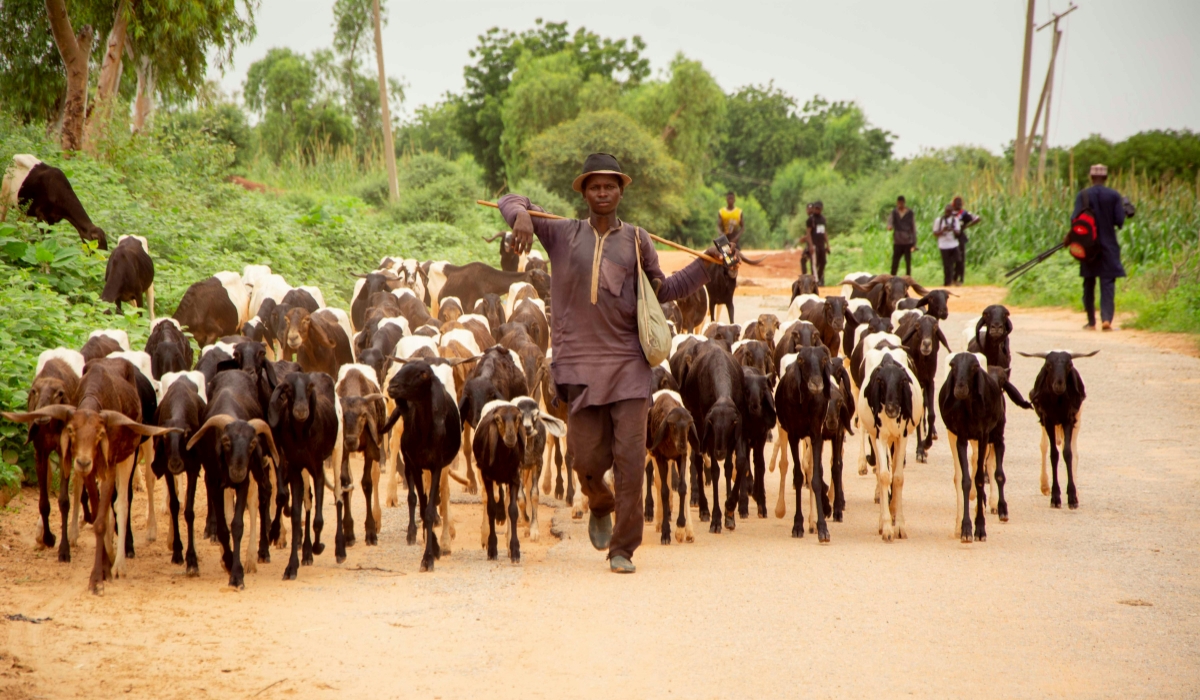
In the United Kingdom and much of the industrialized West, our cultural perception of "country life" has drifted into a caricature. It is defined by Hunter wellies, Land Rovers, static green fields, and lambs frolicking behind barbed wire. This is a far cry from "true" pastoralism. According to the FAO, pastoralists are defined as people whose livelihoods depend primarily on herding domesticated or semi-domesticated animals that feed on natural rangelands. This lifestyle is characterized by seasonal or regular mobility—a fluid, dynamic relationship with the landscape that stands in stark contrast to the rigid, sedentary nature of industrial monocultures.
Chronology of a Systemic Shift
The history of agriculture is a history of increasing separation. Over the last century, we have moved from integrated, cyclical farming models to linear, extractive industrial processes.
- Pre-Industrial Era: Agriculture was largely reliant on natural processes, with livestock integration being standard practice for nutrient cycling and soil health.
- The Mid-20th Century "Green Revolution": This era prioritized high yields through synthetic fertilizers, pesticides, and the physical confinement of livestock.
- The Modern Era of "Engineering": We have reached a point where, as a farm vet, I spent years applying mechanical and chemical "band-aids" to problems caused by our own design. We inject dairy cows with hormones because we have forced them into negative energy balances for maximum milk production; we use anti-parasitic medicines because high stocking densities create disease hotspots; we use angle grinders on cow hooves because they were never evolved to stand on concrete tracks for 365 days a year.
We have unintentionally engineered systems that require constant pharmaceutical intervention simply because we have removed the ecological regulation that nature once provided.
Supporting Data: The Cost of Disconnection
The environmental and animal welfare costs of our current trajectory are well-documented. Industrial agriculture is a primary driver of biodiversity loss, soil degradation, and water pollution. When we confine livestock to monocultures, we remove their ability to forage for the nutrients and natural medicines they require to remain healthy.
Conversely, pastoral systems function by mimicking natural patterns. Scientific literature and field studies increasingly highlight the benefits of these traditional practices:
- Nutrient Cycling: Mobile livestock act as natural fertilizers, cycling nutrients across the landscape as they move.
- Disease Management: The movement between grazing areas interrupts the life cycles of parasites, drastically reducing the burden of disease without the need for constant chemical drenching.
- Habitat Maintenance: Grazing animals disperse seeds and maintain open habitats that support diverse wildlife populations.
- Resilience: By avoiding overgrazing, pastoralists allow vegetation and soil to recover, creating a more resilient ecosystem that can better withstand climatic shocks.
The evidence is mounting: research into "mob grazing" and the use of herbal leys shows that returning to these foundational principles improves soil structure and animal health. Furthermore, studies on "browsing" (allowing livestock access to trees like willow) demonstrate that animals significantly enhance their own mineral and vitamin status when given the autonomy to select their own diet.
Official Responses and the Need for Change
The FAO’s designation of this year as the International Year of Rangelands and Pastoralists is an urgent signal. It is a recognition that these systems are not just "tradition"—they are a vital component of global food security and climate resilience.
The Nature Friendly Farming Network (NFFN) has echoed these concerns, releasing reports warning that if farms do not work with nature rather than against it, they will eventually fail. The message from the scientific and agricultural community is shifting: we must move from a model of "extraction" to one of "stewardship."
The Role of the Modern Professional: A New Path
I believe this shift requires a fundamental redefinition of roles across the food system. For veterinarians, this is a pivotal moment. We must transition from being primarily "responders to disease" to becoming "interpreters of systemic health."
Vets are inherently trained as systems thinkers—we understand health through the complex interactions within an individual body. We must now broaden this scope to encompass the wider system: the farm, the landscape, and the ecological cycle. Veterinary expertise remains essential, but its application must evolve to integrate ecology, nutrition, and animal behavior into a preventative, advisory role.
Lewis Griffiths, Director at VetSalus—an international network of veterinarians working to deliver wholesome food from healthy animals—notes: "It is promising to note the growing recognition of this changing role for veterinarians. It’s particularly important that vets remain intimately connected with farmers and their animals as agricultural systems change, not least so that animal welfare is in no way compromised by the transition."
Implications: Rebuilding the Human-Nature Connection
The ultimate lesson of pastoralism is the relationship between the people and the land. Pastoralists have always understood that their survival is contingent upon the regeneration of the landscape. They do not view the earth as a factory, but as a living system.
In our modern, urbanized society, we treat landscapes as "production units" or "playgrounds." We have lost the visceral understanding of where our food comes from and the ecological debt we accrue through our consumption habits. This is why initiatives like the Sustainable Food Trust’s Beacon Farms Network are so critical. By providing "seeing is believing" experiences, these networks help reconnect people with the soil, the water, and the life cycles that sustain them.
What Can We Do?
We do not need to turn Britain into an empty, rewilded plain. However, we must integrate ecological principles back into our farming architecture. On a personal level, each of us can take steps to reconnect:
- Support Regenerative Agriculture: Seek out food produced through systems that prioritize soil health and biodiversity.
- Education: Visit local farms and learn about the realities of food production.
- Systems Thinking: Recognize that our planet is not just a collection of resources to be mined, but a living network of which we are an inseparable part.
The quiet separation between humanity and the environment is a rupture that we must heal. By looking to the wisdom of pastoralists, we can begin to rebuild that connection. We must realize that protecting the land that sustains us is not an act of charity—it is an act of survival. The International Year of Rangelands and Pastoralists serves as a timely reminder that our future depends on our ability to restore the balance between human production and the natural world.

 Azzam Bilal Chamdy
 Ali Ikhwan