

 Ali Ikhwan

 Iffa Jayyana

 Muslim

 Nana

 Dwi Wanna
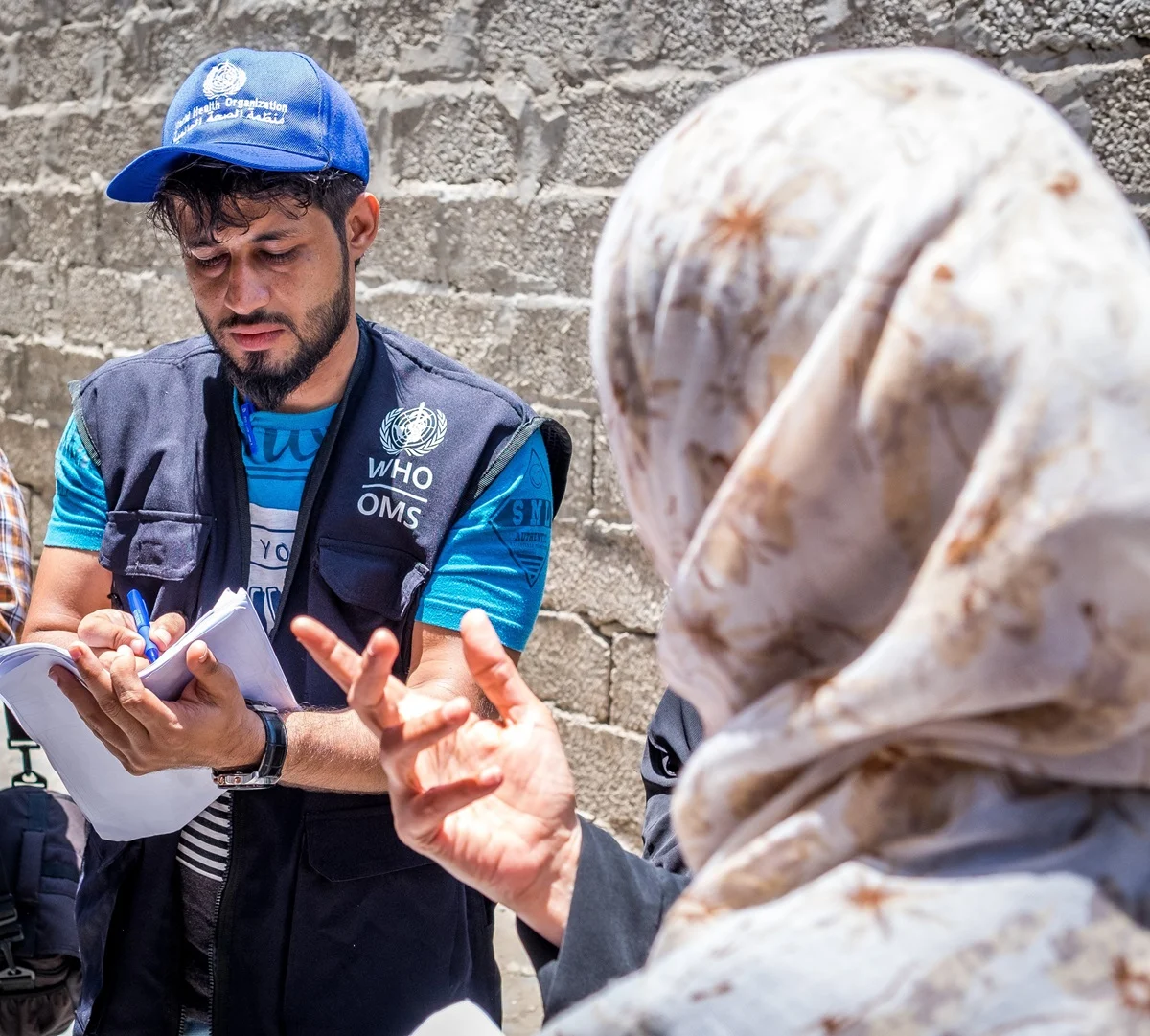
In the wake of the most significant global health crisis of the last century, the World Health Organization (WHO) has unveiled a transformative framework designed to fundamentally alter how nations collect, interpret, and act upon health data. The launch of the SCORE for Health Data Technical Package marks a pivotal shift in the global health landscape, aiming to replace fragmented information systems with a unified, robust, and actionable architecture. As the COVID-19 pandemic continues to expose critical vulnerabilities in healthcare infrastructure, the WHO’s new initiative seeks to ensure that no country is left in the dark when it matters most.
Main Facts: What is the SCORE Technical Package?
At its core, the SCORE (Survey, Count, Optimize, Review, Enable) Technical Package is a comprehensive, harmonized toolkit designed to strengthen national health information systems (HIS). For years, the global health community has struggled with inconsistent data standards, which hinder the ability to track disease outbreaks, allocate resources, and measure progress toward the Sustainable Development Goals (SDGs).
The acronym SCORE encapsulates the five essential domains of a functional health information system:
- S (Survey): Strengthening population and health facility surveys.
- C (Count): Ensuring universal civil registration and vital statistics (CRVS), including births and deaths.
- O (Optimize): Optimizing health service data.
- R (Review): Reviewing progress and performance to drive policy.
- E (Enable): Enabling data use for policy and action.
The package integrates over 90 universally accepted tools and standards. By providing a common language for health statistics, the WHO aims to help governments set benchmarks, standardize metrics, and improve the quality of care on a global scale. It is not merely a set of guidelines; it is an implementation roadmap that offers the technical scaffolding necessary for countries to build resilient, data-driven health systems.
Chronology: The Evolution of Data-Driven Governance
The emergence of the SCORE package is the culmination of a long-standing effort by the WHO to digitize and standardize public health intelligence.
2015–2019: Identifying the Deficit
The journey toward SCORE began in earnest following the 2015 introduction of the SDGs. Global health analysts quickly realized that the existing health metrics were insufficient to monitor the "Triple Billion" targets—the WHO’s ambitious plan to ensure one billion more people benefit from universal health coverage, one billion more are better protected from health emergencies, and one billion more enjoy better health and well-being.
2020: The Catalyst of COVID-19
When the COVID-19 pandemic struck in early 2020, it acted as a brutal stress test for global health systems. The World Health Statistics 2020 report, published by the WHO, confirmed the suspicions of experts: the majority of low- and middle-income countries lacked the real-time, disaggregated data required to manage a pandemic of this scale. The absence of reliable data meant that policymakers were often "flying blind," unable to pinpoint hotspots or effectively distribute scarce medical supplies.
Late 2020: The Launch of SCORE
Responding to this urgency, the WHO, in partnership with the Bloomberg Philanthropies Data for Health Initiative, fast-tracked the release of the SCORE Technical Package. The initiative was designed to provide an immediate resource for countries struggling to reconcile their domestic data gaps with the demands of the global pandemic response.
2021 and Beyond: Scaling Implementation
Following the initial release of foundational documents, the WHO began the rollout of the SCORE Assessment Instrument. This phase focuses on the practical application of the package, allowing nations to audit their existing systems against global standards and identify specific areas for investment.
Supporting Data: Why "Keeping Score" Saves Lives
The necessity of the SCORE initiative is rooted in cold, hard numbers. Without accurate data, resource allocation becomes a game of chance rather than a scientific endeavor.
Current assessments indicate that:
- Civil Registration Gaps: Millions of births and deaths go unregistered annually, meaning that in some regions, a significant portion of the population remains "invisible" to public health planners.
- Health Service Utilization: Many countries lack the granular data needed to track how many citizens actually access care, leading to massive inefficiencies in service delivery.
- Policy Mismatch: A study cited by the WHO suggests that in countries with weak data systems, up to 40% of health expenditures can be misallocated due to a lack of evidence regarding current health needs.
The SCORE framework addresses these by standardizing how deaths are coded (Count) and how health facility data is captured (Optimize). By creating a "Single Source of Truth," the initiative empowers governments to shift from reactive, emergency-based spending to proactive, preventative health management.
Official Responses: A United Front for Data Integrity
The launch of the SCORE package has been met with broad support from international health leaders, who emphasize that data is not a luxury, but a fundamental human right in modern healthcare.
Dr. Tedros Adhanom Ghebreyesus, WHO Director-General:
"Countries must be able to measure progress to make progress," Dr. Tedros stated during the launch. "Particularly during COVID-19, reliable data is the best way to coordinate response efforts and improve health in all areas. We are providing countries with the compass they need to navigate through the fog of this pandemic."
Dr. Kelly Henning, Director of Public Health Programs at Bloomberg Philanthropies:
Highlighting the collaborative nature of the project, Dr. Henning noted that the package provides "high-quality, essential technical guidance." She emphasized that the partnership with the WHO is designed to ensure that the tools are not only robust but also locally applicable, respecting the unique administrative contexts of each country.
Dr. Samira Asma, WHO Assistant Director-General for Data, Analytics and Delivery for Impact:
Dr. Asma provided a sobering perspective on the window of opportunity. "We must keep score to save lives," she asserted. "Our window of opportunity is closing, and we cannot wait to address data gaps. Data use to address country needs has to be a priority today. If we do not invest in our statistical systems now, we will be unprepared for the next systemic shock."
Implications: The Path Toward Resilient Health Systems
The introduction of the SCORE Technical Package carries profound implications for the future of global health.
1. From "Building Back" to "Building Better"
The phrase "building back better" has become a mantra in post-pandemic policy, and for the WHO, this means structural reform. By adopting SCORE, countries are moving away from siloed data—where labs, hospitals, and government ministries fail to communicate—toward integrated national health information systems.
2. Empowering Local Action
One of the most critical aspects of the SCORE initiative is its focus on disaggregated data. By breaking down health metrics by gender, age, geography, and socio-economic status, governments can identify vulnerable populations that were previously masked by national averages. This allows for hyper-local health interventions that ensure equity.
3. Strengthening Global Preparedness
The pandemic proved that a health threat anywhere is a threat everywhere. A world where every country uses the same rigorous standards for data collection is a world where outbreaks can be detected and contained significantly faster. The SCORE package serves as the backbone for a global surveillance network that can act as an early-warning system for future pathogens.
4. A Flexible, Actionable Framework
The beauty of the SCORE package lies in its flexibility. Recognizing that a nation with advanced digital infrastructure and a nation in a post-conflict zone have vastly different starting points, the WHO has designed the package to be modular. Countries can begin with the elements most critical to their current status, scaling up as their capacity improves.
5. The Future of the Package
As the WHO continues to release future components—including the SCORE Assessment Instrument and global status reports—the initiative will evolve into a continuous feedback loop. This will allow the international community to monitor how individual nations are progressing, identify where they are hitting roadblocks, and provide targeted support to ensure that no country is left behind in the digital transformation of healthcare.
Conclusion
The SCORE for Health Data Technical Package is more than just a collection of standards; it is a declaration that the era of guesswork in public health must come to an end. In an increasingly interconnected world, the ability to collect, analyze, and share data is the difference between life and death. As governments grapple with the ongoing impacts of COVID-19 and look toward a future of universal health coverage, the implementation of these tools will be the ultimate test of global solidarity. By committing to "keep score," the international community is taking a decisive step toward a future where health is protected not just by medicine, but by the power of information.


 Layla Zulfa
 Laily UPN

