 Dwi Wanna
 Nana Wu
 Muslim
 Reynand Wu
 Ammar Sabilarrohman
 Azzam Bilal Chamdy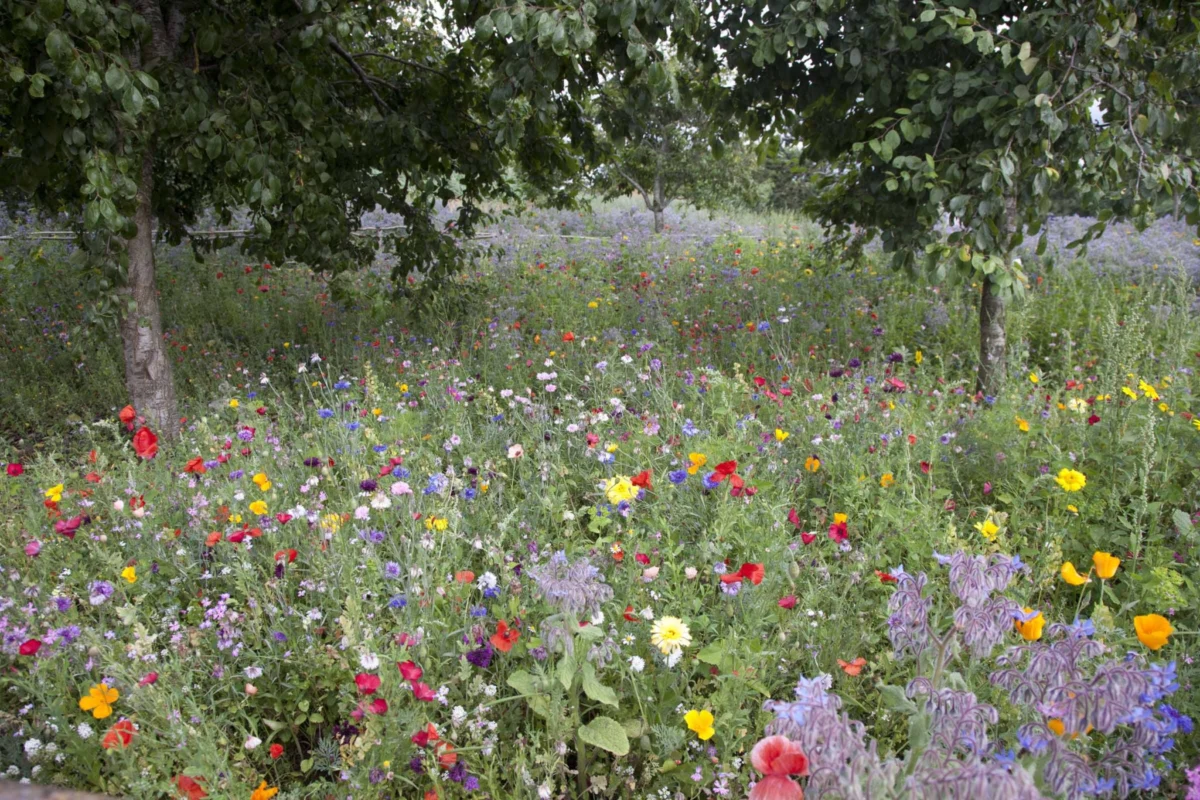
By [Your Name/Journalistic Desk]
In the heart of south Dublin, a 38-acre sanctuary serves as a radical departure from the rapid pace of urban life. Airfield Estate, a working organic urban farm and research centre, acts as more than just a heritage site; it is a "living classroom" designed to mend the frayed connection between the Irish public and the land that sustains them. As global food systems face unprecedented climate and economic pressures, this historic estate—gifted to the nation by the philanthropic Overend sisters in 1974—has emerged as a blueprint for a more resilient, ecologically literate future.
The Modern Disconnect: A Crisis of Food Literacy
Despite Ireland’s profound agrarian legacy, contemporary life has largely severed the average citizen from the realities of food production. With fewer than 4% of the Irish workforce now engaged in agriculture, and a population increasingly reliant on processed, globalised supply chains, the "farm-to-fork" journey has become an abstract concept rather than a lived experience.
This shift is not merely a matter of convenience; it is an educational void. Children growing up in urban centres often lack a foundational understanding of ecosystems, soil health, or the seasonal rhythms of harvest. Historically, Irish agricultural policy has incentivised productivity—favouring scale and output over biodiversity and ecological stewardship. While this focus bolstered the national economy, it simultaneously accelerated environmental degradation and climate vulnerability, leaving a public increasingly detached from the natural systems upon which they depend.
A Historical Reckoning: The Politics of Food
To understand Ireland’s current agricultural landscape, one must confront the shadow of history. The Great Famine (1845–1852), a catastrophic event born of political neglect and agricultural dependency, left a permanent psychological mark on the national consciousness. Food in Ireland is, therefore, never "just food." It is a symbol of survival, a focal point of 20th-century independence movements, and a deeply personal indicator of status and security.
Airfield Estate leverages this historical weight, not to dwell in the past, but to provide a space for reckoning. By grounding modern food education in cultural heritage, the estate encourages a re-evaluation of what food means—not just as a commodity, but as a mechanism for social cohesion and ecological justice.
Chronology of a Living Classroom: From Private Estate to Public Resource
- 1974: The Overend sisters, Letitia and Naomi, gift their family estate to the Irish people, establishing a charitable trust to preserve the land for educational and agricultural purposes.
- Late 20th Century: The estate undergoes a transition from a private family farm to a public heritage site, slowly integrating educational programming into its daily operations.
- 2010s: Airfield pivots toward a more formal "living classroom" model, integrating modern research and technology alongside traditional agricultural heritage.
- 2020s: With the rise of the climate crisis, the estate solidifies its role as an incubator for regenerative farming, agroforestry, and biodiversity research, aligning its mission with Ireland’s national sustainability targets.
The Mechanics of a Living Classroom: Experiential Literacy
At Airfield, learning is embodied. Unlike the passive consumption of information in a traditional school setting, visitors are invited to participate in the physical labor of the farm.
The Ecosystem in Action
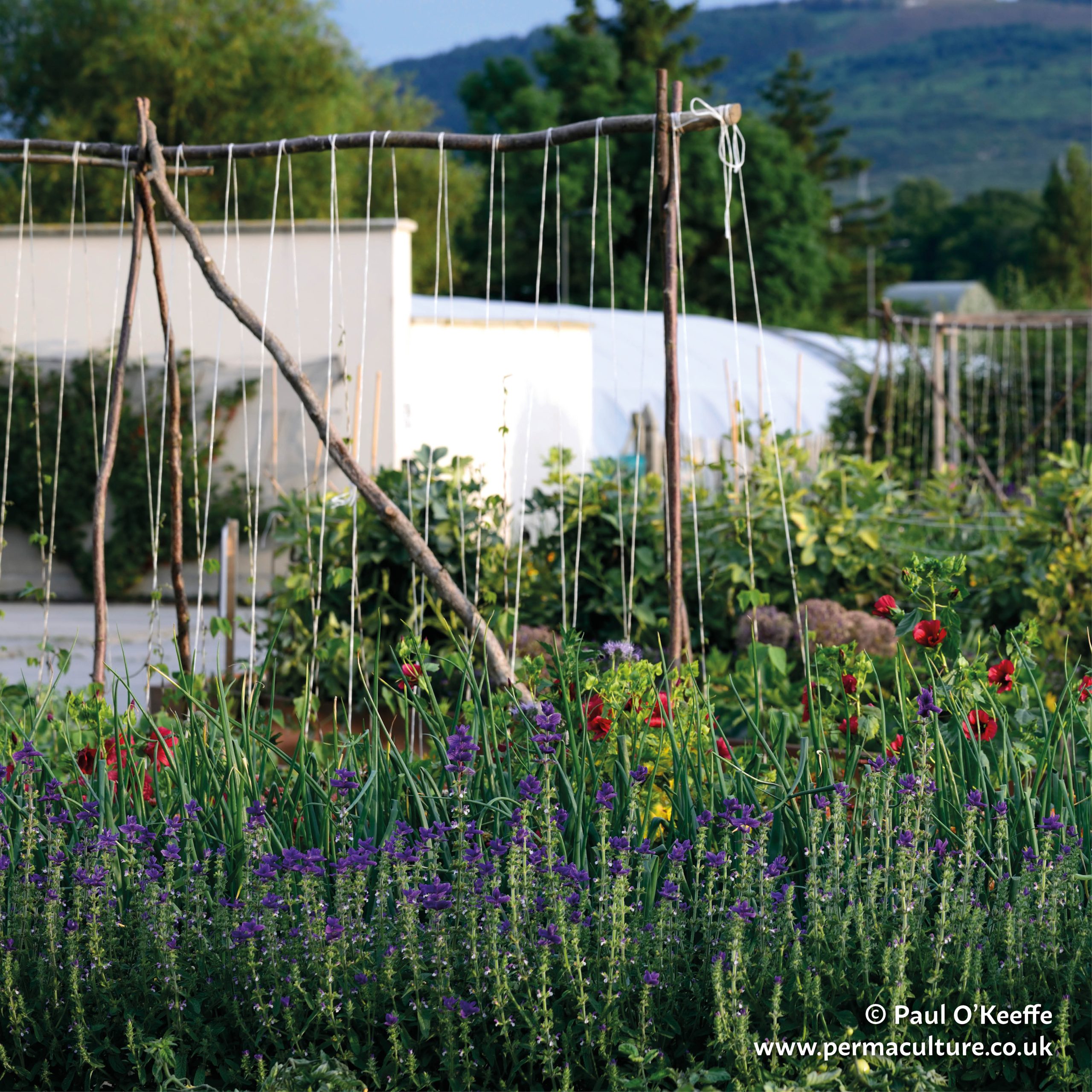
Visitors observe the farm not as a sterile production line, but as a community of beings. The estate’s agroforestry initiatives serve as a prime example; native Irish hedging—woven from hawthorn, hazel, and crab apple—acts as a vital wildlife corridor. These hedges provide sanctuary for bats, badgers, and pollinators, demonstrating to visitors that biodiversity is not an "add-on" to farming, but a fundamental component of productive land.
Bridging the Technological Divide
The estate’s approach is defined by the marriage of the ancient and the avant-garde. While hosting harvest festivals that celebrate traditional butter-churning and hedgerow management, Airfield simultaneously showcases the MyGug anaerobic digester—a compact, egg-shaped system that converts food waste into clean cooking gas and liquid fertiliser.
This juxtaposition is intentional. By pairing the old with the new, Airfield demystifies complex climate solutions. A visitor learning to compost or rotate crops is not just performing a chore; they are acquiring the ecological literacy necessary to replicate these systems in their own domestic settings, effectively turning the estate into a catalyst for household-level change.
Supporting Data and Environmental Impact
The necessity of such centers is underscored by the shifting demographics of Ireland. With over 20% of the population born abroad, Airfield serves as a site of social integration.
- Social Cohesion: Community gardening projects at Airfield act as a common ground where migrants and locals share knowledge, breaking down linguistic and cultural barriers through the universal language of cultivation.
- Ecological Stewardship: Environmental psychology research indicates that direct contact with nature fosters empathy and long-term stewardship. Data from Airfield’s educational programs suggest that children who engage in hands-on farming—milking cows, touching soil, and harvesting vegetables—exhibit significantly higher levels of engagement with sustainability issues than those who rely solely on classroom-based curricula.
Official Perspectives: The Push for Policy Reform
Dr. Paul O’Keeffe, Head of Education and Research at Airfield Estate, argues that the "living classroom" model remains an underutilised asset in the Irish educational landscape. While outdoor learning projects exist, they are frequently fragmented, underfunded, and peripheral to the formal curriculum.
"As Ireland advances its national strategies for climate action, biodiversity, and Education for Sustainable Development (ESD), there is a critical opportunity to integrate living classrooms more systematically," says Dr. O’Keeffe. The proposal is to transition these sites from "nice-to-have" field trip destinations into key delivery partners for the Department of Education and the Department of Agriculture. By formalising these partnerships, the state could leverage existing heritage institutions to achieve national targets regarding mental health, rural development, and intergenerational integration.
Implications for a Rooted Future
The implications of the Airfield model extend far beyond the borders of its 38 acres. In a world characterized by the "digital-first" life, the return to the soil is a revolutionary act.
1. Pedagogical Transformation
The living classroom suggests that true education is not the acquisition of information, but a process of transformation. By moving the classroom outdoors, educators can integrate cognitive, emotional, and sensory learning, making the abstract challenges of the climate crisis feel tangible and solvable.
2. A Model for Resilience
As Ireland faces the dual pressures of a changing climate and a rapidly evolving society, the reliance on industrialised, high-input food systems appears increasingly fragile. The Airfield model—emphasizing soil health, crop rotation, and waste-to-energy circularity—offers a scalable, localized alternative.
3. Healing Historical Trauma
By reclaiming the land as a site of joy, abundance, and communal labor, the estate offers a path to healing the "psychological shadow" cast by Ireland’s past. It transforms the farm from a place of scarcity and struggle into a place of abundance and experimentation.
Conclusion: Transformation, Not Just Information
As we look toward the mid-21st century, the challenges of sustainability will require more than just technical solutions; they will require a fundamental shift in the human relationship with the natural world. Airfield Estate serves as a powerful reminder that our future is rooted in our past. By inviting the public to engage with the rhythms of the earth, the estate does more than educate; it equips a new generation with the empathy, knowledge, and community-mindedness required to build a more just and sustainable future.
In this living classroom, the lesson is clear: when we reconnect with the land, we reconnect with one another.

 Sagoh
Sagoh