

 Azzam Bilal Chamdy
 Neng Nana
 Nana Muazin
 Dwi Wanna
 Raul Delapena Setiawan
 Lina Irawan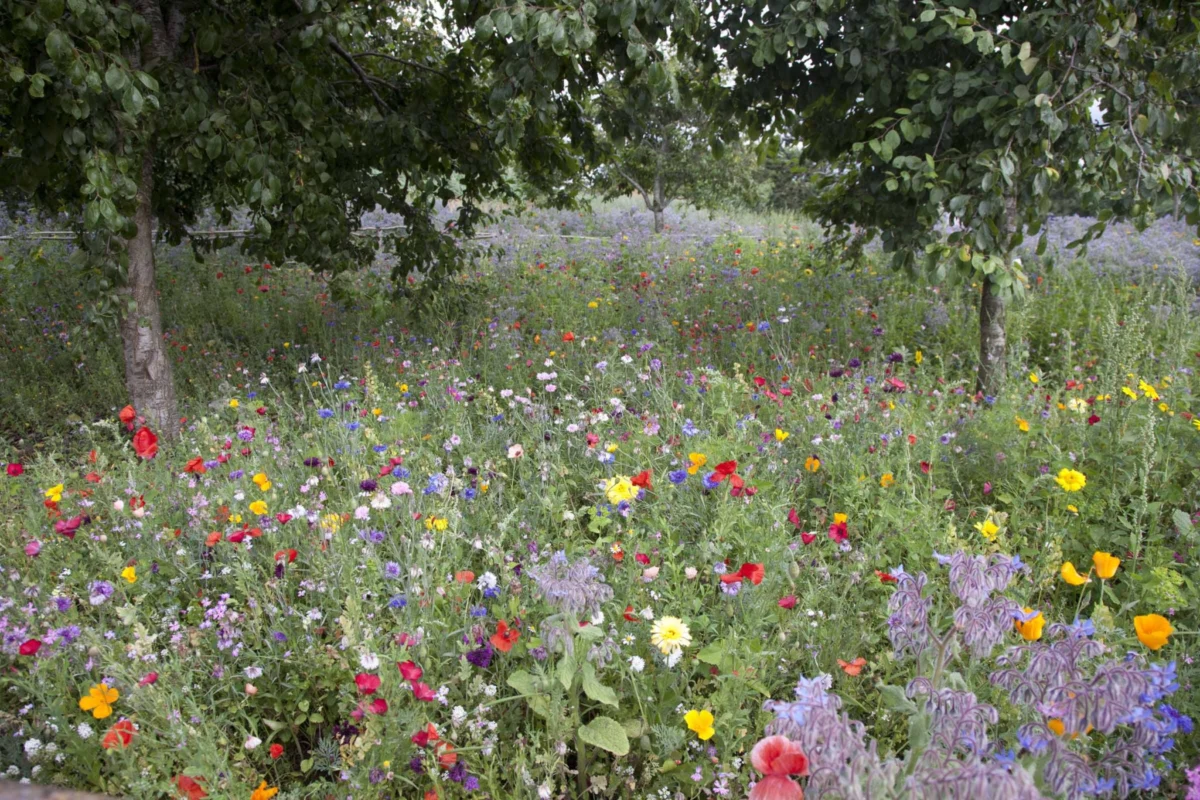
Nestled in the heart of South Dublin, Airfield Estate serves as a vibrant, 38-acre anomaly in an increasingly urbanised landscape. As a working organic urban farm, a research centre, and a cherished heritage attraction, it stands as a testament to the enduring power of the land. Gifted to the Irish people in 1974 by the visionary Overend sisters, the estate has evolved into more than just a public park; it is a "living classroom" designed to bridge the widening chasm between modern society and the food systems that sustain it.
In an era defined by rapid urbanisation, digital immersion, and the climate crisis, Airfield Estate is leading a movement to restore ecological literacy. By transforming agriculture from an abstract industry into a tangible, sensory experience, the estate offers a blueprint for how Ireland can reconcile its deep agrarian history with the urgent needs of a sustainable future.
The Chronology of an Irish Legacy
The story of Airfield is one of foresight and philanthropy. The estate’s identity was forged by the Overend sisters—Letitia and Naomi—who were pioneers in their own right. Their decision to bequeath the property to the public in 1974 ensured that this green lung in Dublin would remain protected from the encroaching concrete of the city.
- 1974: The Overend sisters transfer ownership of the Airfield Estate to a charitable trust, stipulating that the land should be used for the benefit of the Irish people.
- Late 20th Century: The estate begins its transition from a private residence to a public-facing educational facility, maintaining its working farm status.
- 2010s: Airfield undergoes significant investment, modernising its facilities to include research capabilities, sustainable energy demonstrations, and expanded community engagement programs.
- Present Day: The estate functions as a multi-disciplinary hub, integrating organic farming, biodiversity research, and social inclusion initiatives, setting a standard for "place-based" education in Ireland.
The Disconnection of Modern Life: A Statistical Reality
While Ireland’s national identity is inextricably linked to the land, the reality of modern life tells a different story. Current data from the Department of Agriculture, Food and the Marine indicates that fewer than 4% of the Irish workforce is directly employed in agriculture. This shift from a rural, land-dependent society to a service-based urban economy has created a profound "knowledge gap."
The Urban-Rural Divide
For many urban households, food is a commodity sourced from supermarket shelves, processed, packaged, and devoid of its ecological context. This disconnect is not merely a loss of knowledge; it is an environmental risk. Traditional agricultural policies have historically prioritised high-output, industrial-scale productivity. While this approach bolstered the economy, it simultaneously exacerbated soil degradation and biodiversity loss.
The challenge today is clear: how do we shift the public consciousness toward regenerative practices when the majority of the population no longer understands the mechanics of the soil? Airfield Estate’s response is to demystify these processes. By exposing visitors to the realities of organic production—from the life cycle of a crop to the health of the soil—the estate builds a foundation of informed public support for a greener, more resilient agricultural sector.
Experiential Learning: Beyond the Traditional Classroom
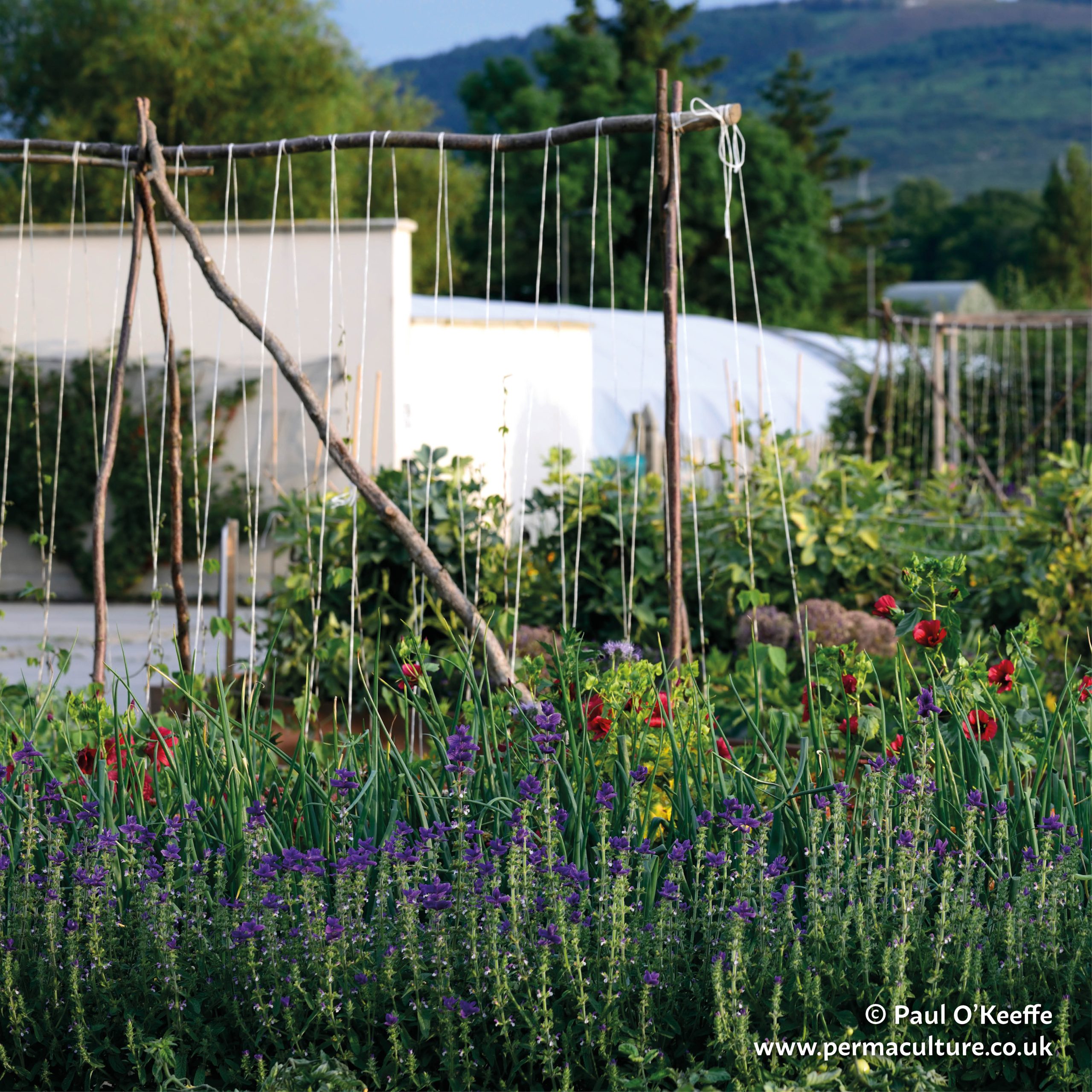
At Airfield, the pedagogy is immersive. Unlike traditional classrooms where information is delivered through text or screens, the "living classroom" relies on tactile, embodied experience.
The Anatomy of an Ecosystem
Walking the 38 acres of Airfield, one encounters a thriving community of beings. It is not uncommon to see badgers, foxes, bats, and frogs alongside the farm’s livestock. These encounters serve a vital educational purpose: they demonstrate that a farm is not a factory, but an ecosystem.
- Soil Health: Visitors engage with soil ecosystems, learning that healthy soil is the engine of life. Through crop rotation and fallow periods, they see firsthand how fertility is maintained without chemical inputs.
- Technological Integration: Innovation at Airfield is not limited to biology. The installation of the MyGug anaerobic digester—a compact, egg-shaped system—allows visitors to see how organic waste is converted into clean cooking gas and liquid fertiliser. This creates a "closed-loop" mental model that visitors can potentially apply in their own homes.
- Agroforestry and Hedgerows: By showcasing native Irish hedging—woven from hawthorn, hazel, and crab apple—the estate educates the public on the importance of wildlife corridors, transforming the concept of a "fence" into a "habitat."
Cultural Heritage and the Politics of Food
Ireland’s food history is uniquely heavy, marked by the scars of the Great Famine (1845–1852). This period of history did more than reduce the population; it altered the national psyche, embedding a complex relationship with food that touches on trauma, survival, and independence.
A Space for Reckoning and Reconciliation
Airfield provides a rare, neutral space where this history can be acknowledged. By reviving traditional practices—such as butter churning and traditional hedgerow management—during the annual Harvest Festival, the estate honours the wisdom of ancestors. This is not nostalgia for the sake of the past; it is the recognition that traditional ecological knowledge is a vital tool for current environmental challenges.
Social Cohesion and Migration
With over 20% of Ireland’s population born abroad, the estate has become a critical site for social integration. Through community gardening projects, Airfield serves as a common ground where long-term residents and new arrivals can bond over the universal language of cultivation. When people work together to grow food, cultural and linguistic barriers often dissolve, fostering a sense of shared stewardship over the Irish landscape.
Official Perspectives: The Case for Policy Reform
Dr. Paul O’Keeffe, Head of Education and Research at Airfield Estate, argues that while living classrooms are effective, they remain significantly underutilised in the national educational framework.
"Farm visits and outdoor learning projects currently exist as ad-hoc, marginal additions to the curriculum," Dr. O’Keeffe notes. "As Ireland advances its national strategies for climate action and Education for Sustainable Development (ESD), there is a critical need to integrate living classrooms as systematic delivery sites. We are not just teaching biology; we are teaching the resilience required for the next century."
The potential for policy reform is vast. By formalising partnerships between the Department of Education, local farms, and community heritage sites, the state could create a robust network of learning environments. Such a shift would support multiple government priorities:
- Mental Health: Promoting outdoor, physical engagement as a therapeutic tool.
- Climate Action: Providing empirical evidence of how regenerative agriculture contributes to carbon sequestration.
- Social Integration: Using community farms as hubs for local cohesion.
Implications: Moving Toward a Rooted Future
The transition toward a sustainable food system is not merely a matter of technology; it is a matter of culture. If the Irish public does not understand the value of biodiversity or the importance of soil health, policy shifts will lack the necessary grassroots support to succeed.
Airfield Estate acts as a catalyst for this transformation. By integrating the cognitive, the emotional, and the sensory, the estate ensures that education becomes an act of empowerment. It reframes the environment not as a distant "nature" to be protected, but as a living system to be participated in.
As we look to the future, the "living classroom" model offers a hopeful response to the twin crises of environmental degradation and social alienation. It invites us to reclaim our connection to the land, to understand our place in the food chain, and to recognise that the most profound lessons are often found not in books, but in the earth beneath our feet. Through initiatives like those at Airfield, education becomes more than just the transfer of information—it becomes the transformative process of learning how to live well on our planet.
By grounding future generations in both the wisdom of the past and the innovative technologies of the present, Airfield Estate ensures that the future of Ireland is not just sustainable, but deeply rooted.



 Siti Muinah
