
 Basiran

 Neng Nana
 Nila Kartika Wati
 Layla Zulfa

 Ammar Sabilarrohman
 Pevita Pearce
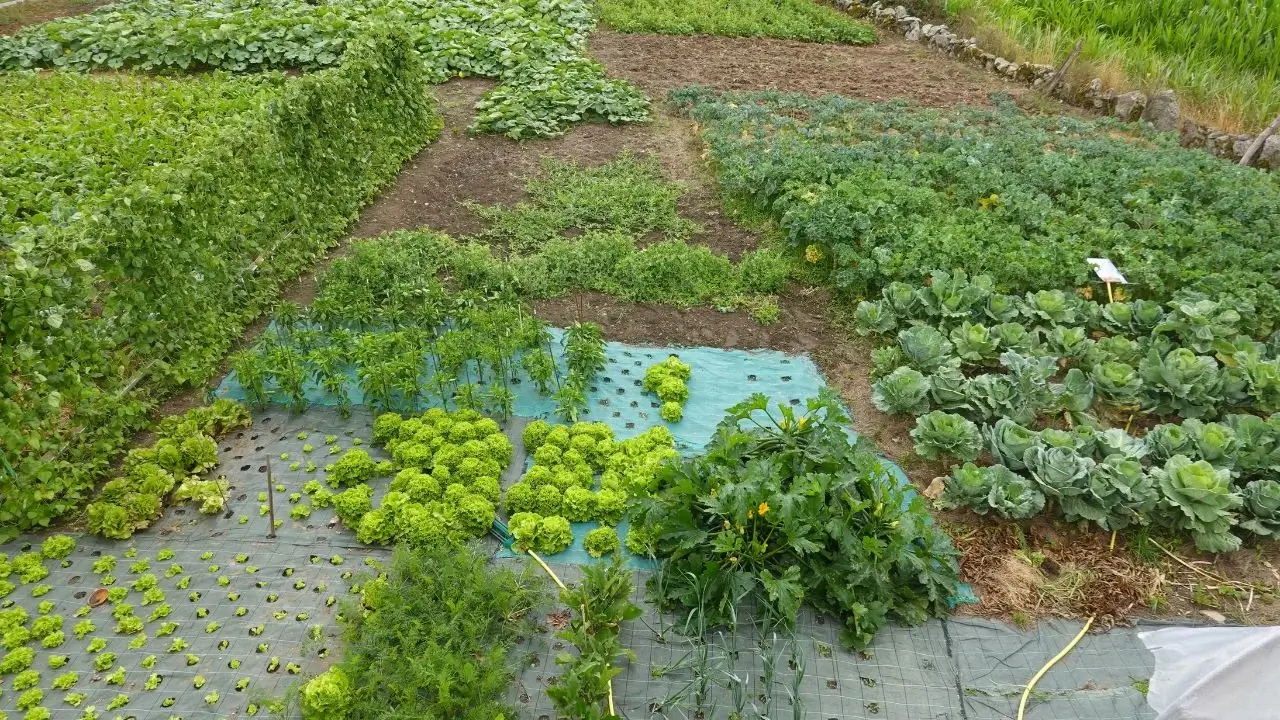
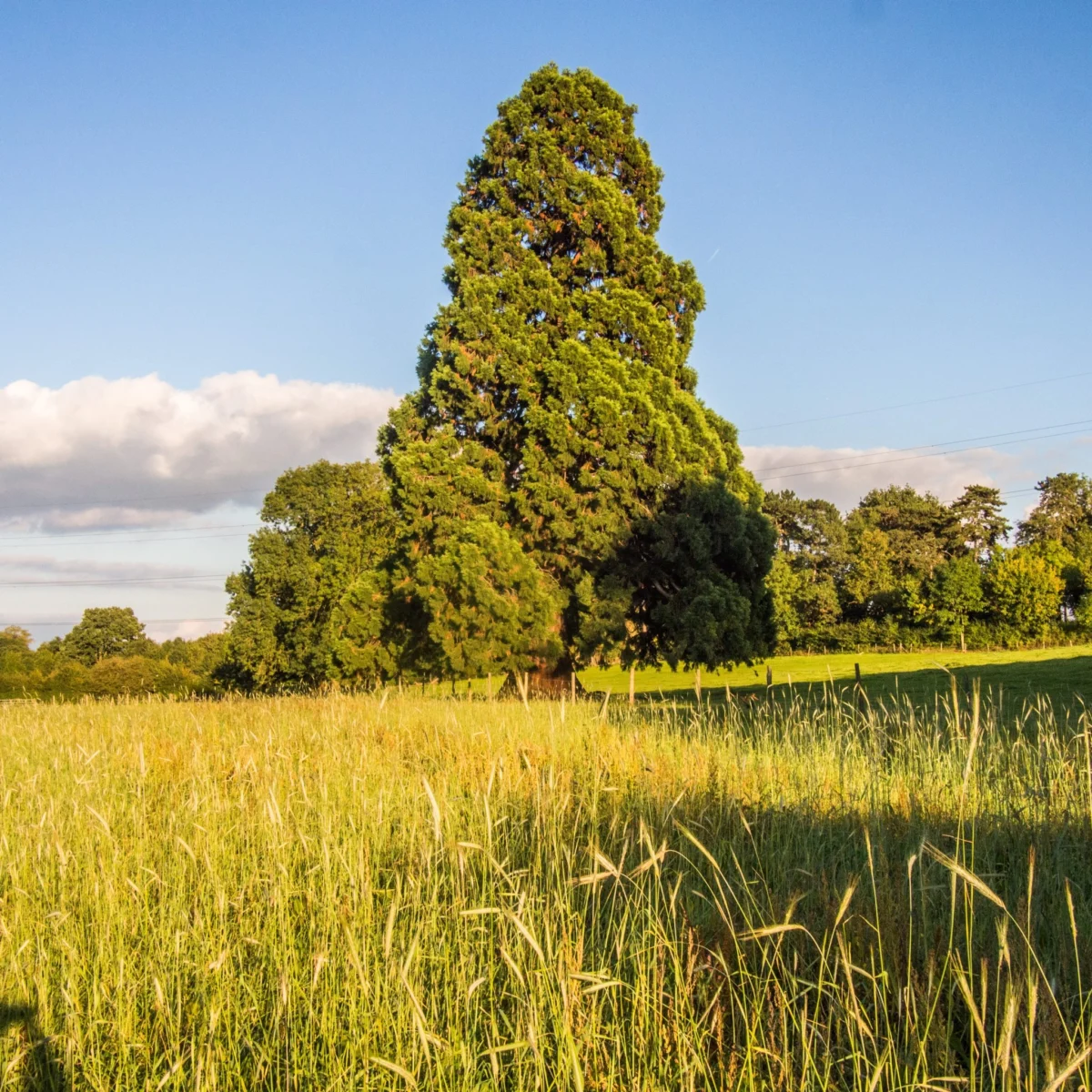
For generations, the term "permaculture" conjured images of sprawling, remote homesteads—vast tracts of land managed by individuals seeking to disconnect from the modern grid. However, a quiet revolution is taking place in the heart of our cities and suburbs. Permaculture is no longer just a rural aspiration; it is becoming a practical, scalable solution for urban and suburban landscapes.
At the center of this movement is Brandy Hall, a visionary permaculturalist and the founder of Shades of Green Permaculture. Through her work and her definitive new book, The Complete Guide to Home Permaculture, Hall is demystifying regenerative design, proving that regardless of acreage, any piece of land can be transformed into a productive, self-sustaining ecosystem.
The Philosophy of Permaculture: Beyond the Homestead
Permaculture is often misunderstood as a synonym for organic gardening, but it is, in fact, a comprehensive design science. It focuses on the intentional arrangement of elements—plants, water, structures, and animals—to create a system that functions like a natural ecosystem.

"At its core, permaculture is about relationships," Hall explains. "It’s about understanding how water, soil, plants, animals, and people interact, and then designing systems that support those relationships rather than work against them."
For many, the transition to this lifestyle is sparked by a desire to mitigate the harmful impacts of industrial agriculture. Hall’s own journey was deeply influenced by personal health struggles linked to herbicide exposure. This experience serves as a powerful catalyst for her work, illustrating that the health of our soil is inextricably linked to the health of our families. By shifting from extractive methods—which drain the land of nutrients and rely on external inputs—to regenerative practices, we can create environments that heal both the planet and the people who inhabit them.
Chronology of a Movement: From Niche to Necessity
The evolution of permaculture has been marked by a transition from fringe environmentalism to a mainstream pursuit of climate resilience.

- The Early Days: Permaculture was popularized in the 1970s by Bill Mollison and David Holmgren. Initially, it was viewed as a radical alternative for those looking to "drop out" of the conventional economy.
- The Integration Phase: Over the last two decades, practitioners began applying these principles to smaller plots. Urban garden collectives and city-based educational programs started to prove that food forests and polycultures could thrive in tight spaces.
- The Current Shift: Today, we are seeing the "Regenerative Turn." With climate instability and the rising costs of traditional lawn maintenance, homeowners are looking for ways to reduce their ecological footprint. Brandy Hall’s work represents this current era: professional, accessible, and grounded in the reality of modern, busy lives.
Supporting Data: Why Regenerative Landscaping Matters
The impact of implementing permaculture on a residential or small-farm scale is not merely aesthetic. It provides measurable ecological and financial benefits.
Water Management and Soil Health
The most significant "hidden" factor in landscape failure is poor water management. In many regions, the standard approach is to shed water as quickly as possible, leading to erosion and downstream pollution. Permaculture flips this model. By "slowing, spreading, and sinking" water, landowners can recharge local aquifers and reduce the need for municipal irrigation.
Biodiversity and Carbon Sequestration
A traditional monoculture lawn acts as a biological desert. In contrast, a permaculture-designed yard acts as a carbon sink. By planting native perennials, creating guilds (groups of plants that support each other), and maintaining living ground covers, homeowners can sequester significantly more carbon than a standard grass lawn. Furthermore, healthy, biologically active soil is more resistant to the chemical drift common in industrial-adjacent farms, acting as a natural buffer against external toxicity.

Official Perspectives: Conversations with Brandy Hall
In a recent interview, Hall addressed the common misconceptions that hold many farmers and homeowners back from adopting regenerative practices.
Addressing the "Industrial-Adjacent" Challenge
Many small-scale farmers worry about the influence of neighboring industrial farms. Hall emphasizes the power of "buffering."
"Hedgerows, windbreaks, and densely planted edges can help reduce chemical drift, provide habitat for beneficial insects, and create a physical and ecological boundary," says Hall. She argues that these underutilized edges are the most critical zones for protection and biodiversity.
The Role of Observation
When asked about the most common mistakes her clients make, Hall highlights the tendency to jump to plant selection before understanding the land. "People tend to treat water as a nuisance… but water is the driver of everything," she notes.
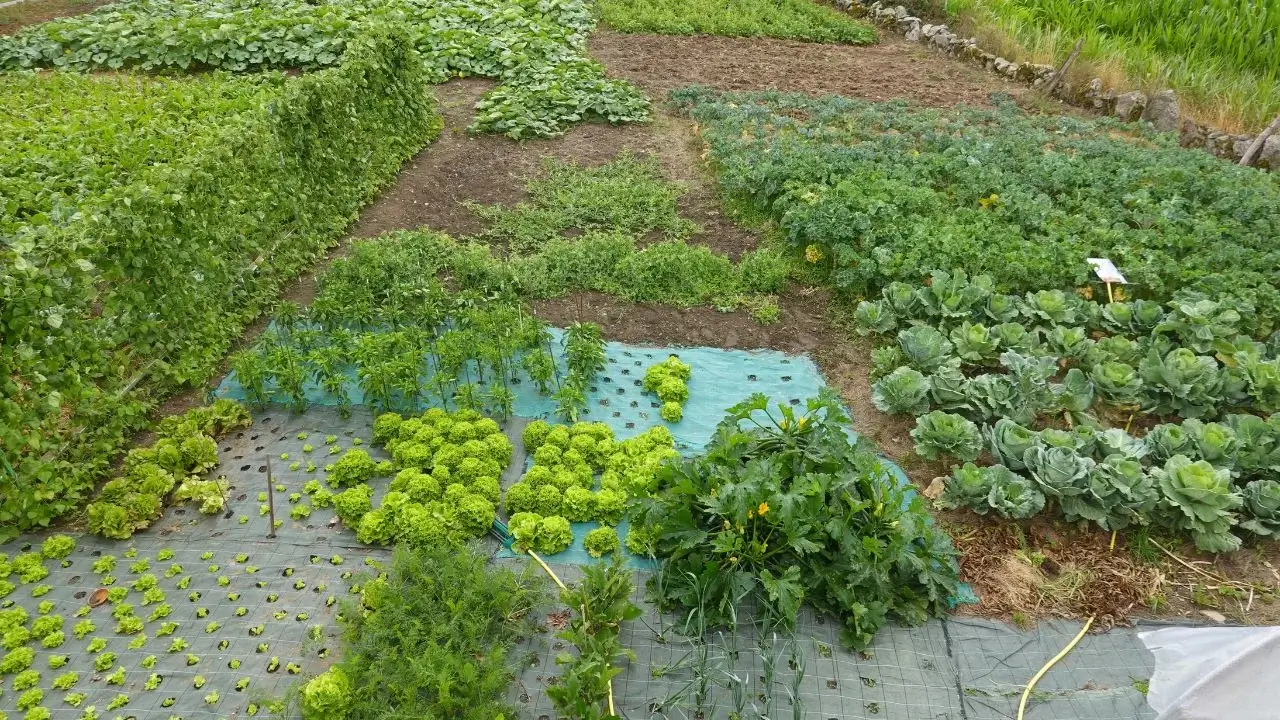
The process of "observation" is the first step in the permaculture design process. Before digging a single hole, a practitioner must watch how the land breathes—where the sun hits, where the wind gusts, and where the water pools. This allows for a design that works with the land’s natural tendencies rather than fighting them.
Implications for the Future: Teaching the Next Generation
The long-term success of permaculture depends on its transmission to the next generation. Hall believes that the focus must shift from "controlling" the land to "responding" to it.
"We’ve inherited a model that often prioritizes short-term yield over long-term health," Hall states. "Regenerative work asks us to take a longer view. It asks us to understand that we are part of a living system, not separate from it."
Cultivating a New Culture
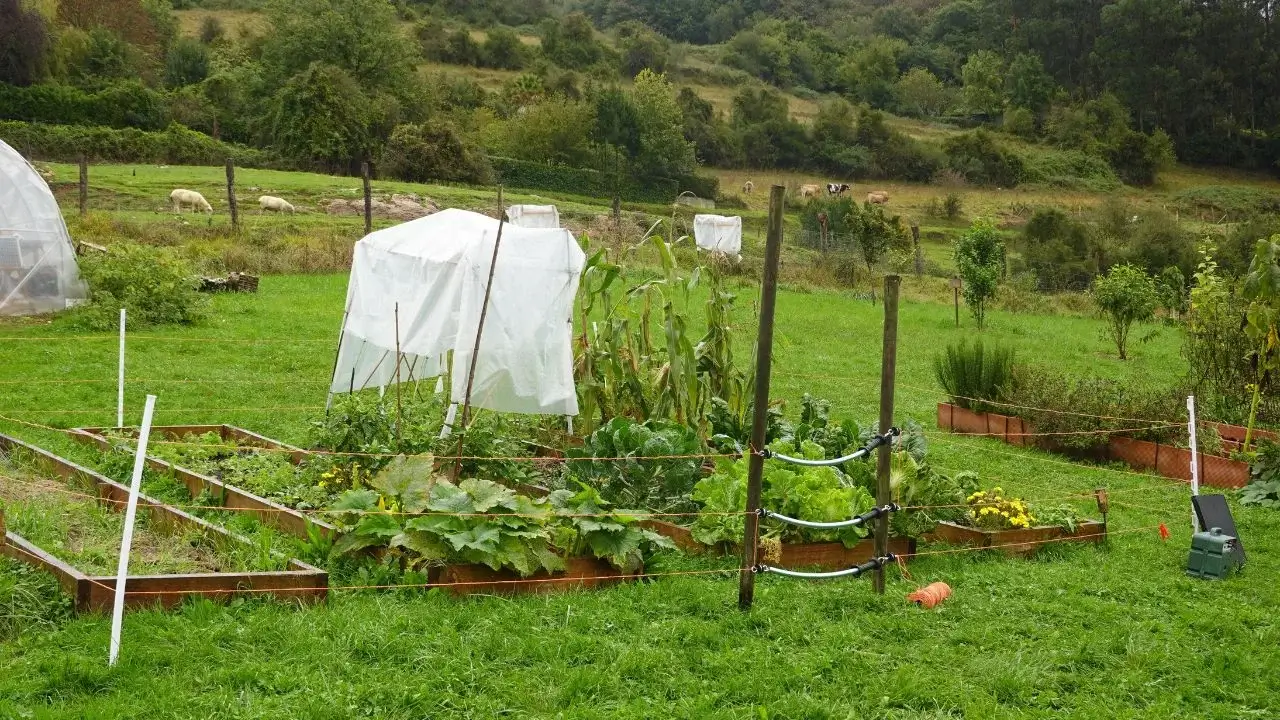
The implications of this shift are profound. By teaching children to read the land—to notice changes in soil quality, the behavior of pollinators, and the cycle of water—we are raising a generation that views land stewardship as a cultural responsibility.
Regenerative landscapes require collaboration, humility, and a commitment to lifelong learning. When farmers and homeowners model these traits, they aren’t just creating beautiful gardens; they are building the infrastructure for a more resilient, sustainable society.
Conclusion: Starting Your Own Journey
You don’t need to overhaul your entire landscape in a single weekend. Permaculture is about the accumulation of small, intentional shifts. Whether it’s converting a patch of grass into a pollinator-friendly garden, starting a compost system to build soil health, or planting a single fruit tree in a way that captures rainwater, every action adds up.
As Brandy Hall reminds us, the goal isn’t perfection; it’s progress. "It’s not about perfection, but rather, building resilience into the system, season by season."
By adopting these principles, we can move away from the extractive, high-maintenance landscapes of the past and toward a future where our homes and farms are living, breathing ecosystems that nourish us for generations to come. For those ready to begin, the first step is simply to stop, observe, and ask: What does this land need to flourish?
Quick Tips for Implementing Permaculture Principles:
- Start with Water: Identify where water moves on your property and create swales or basins to capture it.
- Cover the Soil: Never leave soil bare. Use mulch, cover crops, or living ground covers to protect it from erosion and degradation.
- Think in Systems: Don’t just plant a vegetable; plant a "guild" of supportive species that provide mulch, repel pests, and attract pollinators.
- Observe Before Acting: Spend a full year observing the light, wind, and water patterns of your land before making major structural changes.
- Model Resilience: Share your knowledge and your harvest. Regenerative culture is built on community collaboration and the visible success of your landscape.