 Suro Senen
 Nila Kartika Wati
 Asro
Asro
 Layla Zulfa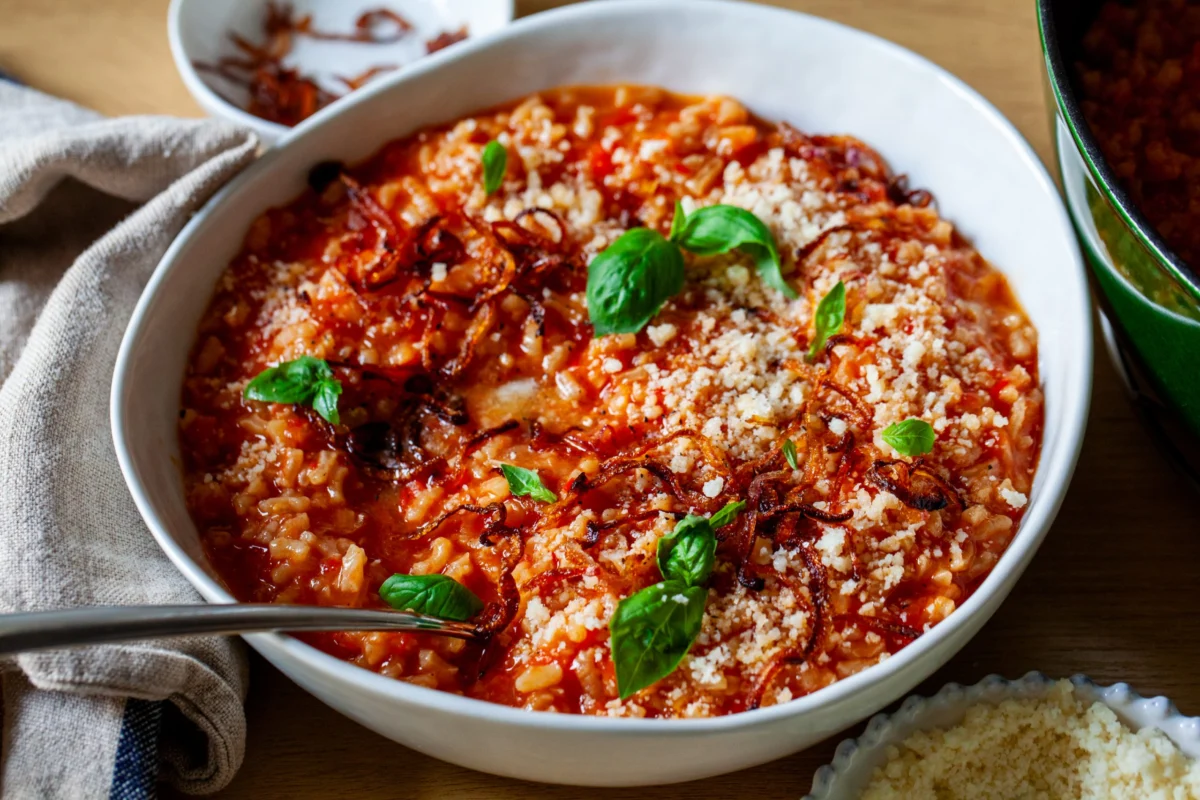
 Evan Lee Salim
 Azzam Bilal Chamdy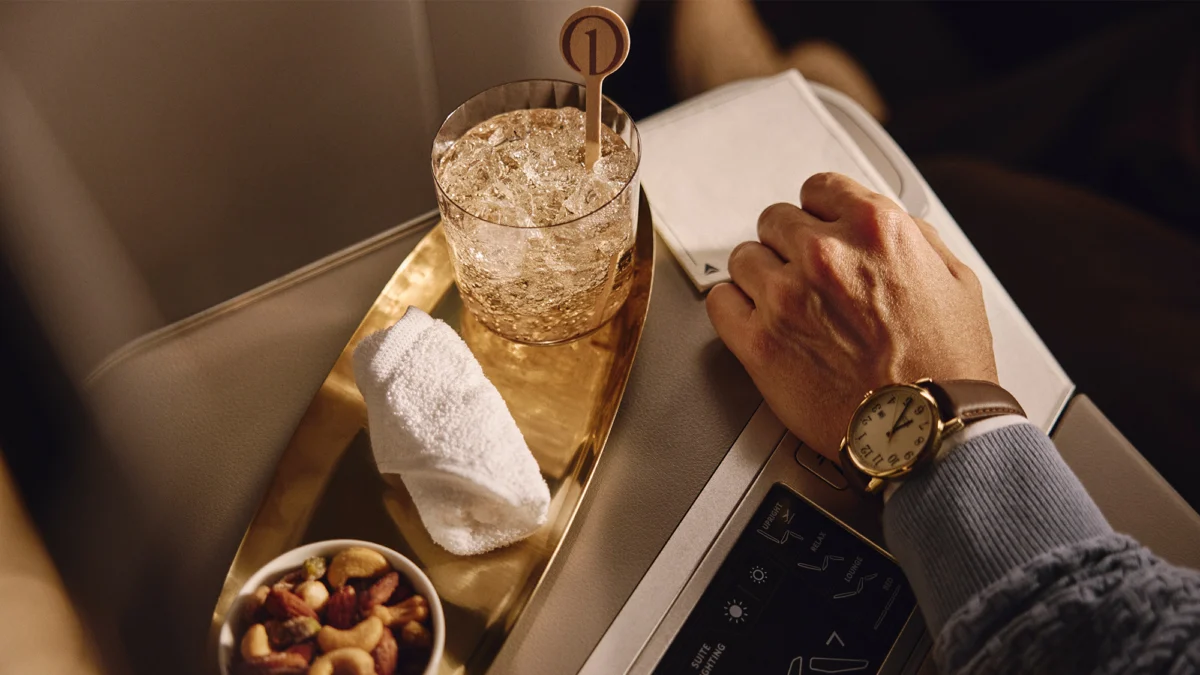
Introduction: A New Horizon for Delta One
In a strategic move designed to redefine the landscape of long-haul luxury, Delta Air Lines announced a comprehensive transformation of its "Delta One" business-class experience. The announcement, delivered this past Wednesday, signals more than just a menu update; it is a fundamental repositioning of the airline’s premium offering, backed by a massive $1 billion investment into its fleet and service infrastructure.
As global travel demand continues to recover and competition among legacy carriers intensifies, Delta is looking to distinguish its flagship product through high-end culinary partnerships and an elevated beverage program. Central to this evolution is the introduction of premium spirits—most notably Blanton’s Single Barrel Bourbon—alongside a sophisticated cocktail menu and a revamped food service that leans into both seasonal ingredients and elevated comfort.
The Strategic Shift: Main Facts and Product Integration
The core of the announcement centers on the "Next Era of Delta One," a rebranding initiative that seeks to merge the convenience of air travel with the refined atmosphere of a boutique hospitality experience.
The Beverage Revolution
Perhaps the most headline-grabbing component of the new menu is the partnership with Blanton’s Bourbon. As the first airline to serve the iconic single-barrel whiskey, Delta is positioning itself as a destination for spirits enthusiasts. Blanton’s, known for its distinct bottle design and the high regard in which it is held by collectors—often colloquially referred to as "taters" in the whiskey community—brings a level of brand prestige rarely seen at 30,000 feet.
Beyond the bourbon, the new menu introduces a curated list of popular craft cocktails, including:
- The Hugo Spritz: A refreshing, floral cocktail that has seen a surge in popularity globally.
- The Paloma: A balanced, tequila-based staple that offers a zesty alternative to standard in-flight options.
- Non-Alcoholic Craft Cocktails: Acknowledging the growing trend of "sober-curious" travel, Delta has integrated complex, non-alcoholic options that mirror the quality of their spirit-forward counterparts.
Culinary Overhaul
The food program has been entirely redesigned to match the caliber of the drink menu. The airline has moved away from standardized catering in favor of a menu that emphasizes culinary technique and premium ingredients. Highlights include:
- Wagyu Beef Burger: A decadent, high-protein staple designed to retain flavor and texture in the pressurized cabin environment.
- Roasted Sea Bass: Served with a tomato tarragon sauce, this dish represents a shift toward Mediterranean-inspired, lighter fare.
- Seasonally Rotating Risotto: A dish that requires significant skill to prepare at scale, signaling Delta’s intent to offer restaurant-quality consistency.
Chronology of the Transformation
The transition to this new standard of service is not occurring all at once, but rather through a phased, data-driven rollout.
- Early October: Delta initiated the first phase of its wine program revamp. Partnering with Master Sommelier Andrea Robinson, the airline introduced a collection of high-end Napa Valley producers, including Silver Oak, Freemark Abbey, Trefethen, and St. Supéry.
- Wednesday’s Announcement: The official public unveiling of the "Next Era of Delta One," detailing the expansion of the beverage program and the commitment to fleet-wide upgrades.
- The Immediate Future: The new menu is currently launching for travelers departing from Los Angeles International Airport (LAX) on transoceanic routes. This pilot program serves as the testing ground for operational logistics, ensuring that service standards can be met at scale.
- Early 2025: Delta has committed to a full, global rollout of the program. By the first quarter of next year, the airline intends for the elevated Delta One experience to be available on all international and long-haul domestic routes, effectively standardizing the luxury experience across their global network.
Supporting Data: The $1 Billion Investment
The shift in the dining and drinking menu is merely the "tip of the spear" for a $1 billion capital injection. This investment is not just about food; it is about the structural and experiential environment of the aircraft.
Fleet Upgrades
The $1 billion figure covers the modernization of seating configurations and the integration of new cabin technology. The objective is to ensure that the physical product—the seat itself—complements the premium food and beverage service. This includes:
- Enhanced Privacy: Upgrades to the Delta One suites to ensure maximum seclusion for business travelers.
- Technology Integration: Improved in-flight entertainment screens and faster, more reliable Wi-Fi connectivity, which Delta has been aggressively rolling out across its narrow-body and wide-body fleet.
The Sommelier’s Selection
The partnership with Master Sommelier Andrea Robinson is a data-backed strategy. By handpicking bottles from international estates—such as the Jean-Marc Brocard Petit Chablis and the Lauren Bourret Sancerre—Delta is utilizing expert curation to mitigate the effects of altitude on the palate. Since high-altitude environments can dull the senses, Robinson’s selections focus on wines with higher acidity and vibrant aromatics, ensuring the product tastes as intended even at 35,000 feet.
Official Responses and Corporate Rationale
In its official press release, Delta emphasized that the goal of this investment is to meet the "evolving expectations of the modern traveler."
"Delta One is proud to serve this exceptional single-barrel bourbon, whose limited production and global demand have made it a prized favorite among both collectors and connoisseurs," the company stated. This statement reflects the airline’s awareness that their premium customer base is increasingly savvy and brand-conscious.
By aligning with brands like Blanton’s and Silver Oak, Delta is essentially "outsourcing" its reputation to companies that already possess high equity. For the airline, this minimizes the risk of negative feedback regarding product quality. If a customer enjoys the whiskey, they attribute the quality to the brand; if they enjoy the service, they attribute the luxury to Delta. It is a symbiotic branding strategy that effectively shields the airline from accusations of "corporate-style" catering.
Implications: What This Means for the Airline Industry
The move by Delta creates significant pressure on competitors such as American Airlines, United, and international carriers like Singapore Airlines and Emirates.
The "Arms Race" of Premium Travel
The airline industry is currently in a "premium arms race." With the decline of first-class cabins in favor of "business-class-only" luxury configurations, the differentiation between carriers has narrowed. By focusing on hyper-specific partnerships—like the Blanton’s deal—Delta is attempting to create "brand stickiness." A bourbon enthusiast may now choose to book a transoceanic flight on Delta specifically to access a rare pour they might otherwise have to hunt for in retail shops.
The Challenge of Scale
While the plan sounds impressive on paper, the logistical challenge is immense. Maintaining a high-quality Wagyu burger or a complex risotto across a global network requires a massive overhaul of ground catering facilities. Ensuring that every bottle of Blanton’s is tracked and that the service team is trained in the nuances of these premium products will be the true test of the program.
Long-Term Market Positioning
If the LAX pilot program proves successful, we can expect to see a cascade of similar high-end partnerships across the industry. Delta is betting that travelers are willing to pay a premium—or remain loyal to the SkyMiles program—because the "experience" of the flight is now comparable to a high-end dining establishment.
Conclusion: A High-Stakes Bet
Delta Air Lines is clearly moving away from the "commodity" model of air travel. By investing $1 billion into a comprehensive upgrade that touches everything from the wine list to the seat upholstery, the airline is acknowledging that the future of long-haul travel is not just about moving people from point A to point B—it is about the quality of the time spent in transit.
Whether the addition of Blanton’s bourbon and seasonal risotto will be enough to sway the loyalty of the most demanding business travelers remains to be seen. However, in an era where the premium market is more competitive than ever, Delta’s bold, taste-focused strategy represents a significant and calculated gamble on the value of luxury in the clouds. As the rollout continues through the coming year, the industry will be watching closely to see if this billion-dollar investment truly results in a "Next Era" for the airline, or if it serves as a reminder that at 35,000 feet, consistency is the ultimate luxury.


 Pevita Pearce
 Ali Ikhwan