

 Nana Wu

 Dwi Wanna

 Suro Senen

 Evan Lee Salim

 Lina Hope
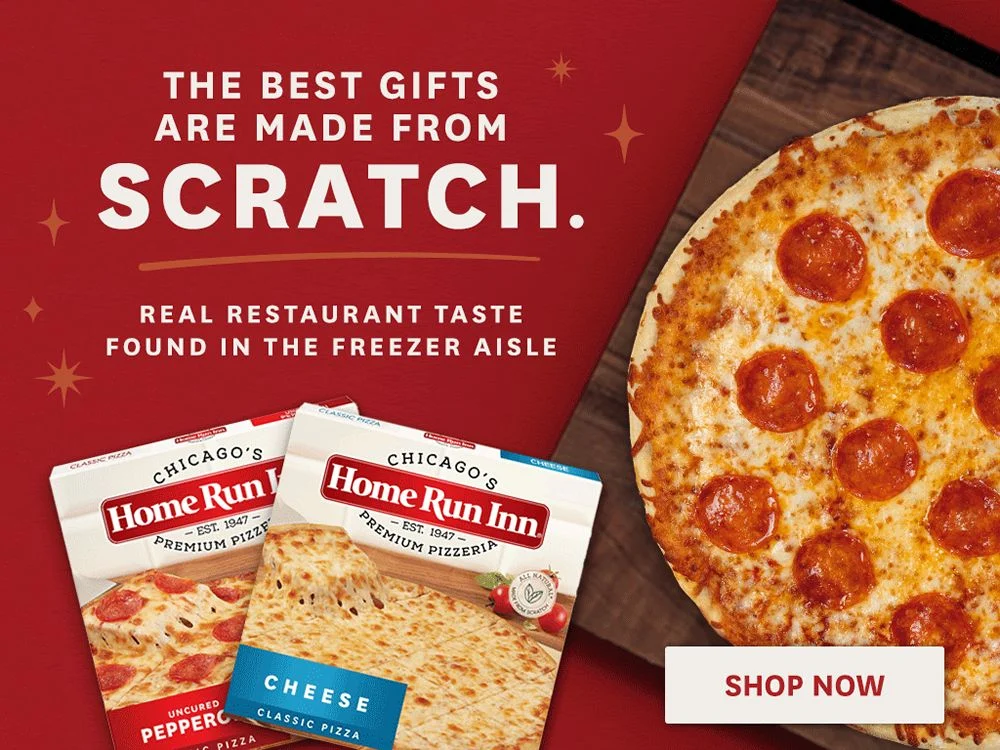
In a move signaling a major evolution in the competitive landscape of the frozen food industry, Home Run Inn Pizza—a Chicago culinary institution with over a century of heritage—has announced the launch of its most ambitious integrated marketing campaign to date. The initiative, developed in partnership with the food and beverage marketing agency quench, marks the largest television investment in the company’s 103-year history, aiming to transition the brand from a regional favorite to a household name across the United States.
By leveraging the authentic “tavern-to-table” narrative that has defined its operations since 1923, Home Run Inn is betting that modern consumers are hungry for more than just convenience; they are looking for the story and quality behind the product.
The Core Narrative: A Century of Chicago Heritage
At the heart of this new campaign is a series of television spots that bridge the gap between the atmosphere of a neighborhood Chicago tavern and the ease of a home-cooked meal. To ensure the brand’s soul remains intact, the campaign features the legendary blues guitarist and singer-songwriter “Billy Blues” Fruteland Jackson. His involvement is not merely aesthetic; it serves as a cultural anchor, reinforcing the brand’s deep-rooted connection to Chicago’s storied history.
The campaign is scheduled to debut in late October, strategically timed to coincide with National Tavern-Style Pizza Day on October 22. This alignment is designed to capitalize on the growing national interest in tavern-style pizza—a thin-crust, square-cut tradition that has long been a staple of the Chicago culinary scene but is now gaining popularity in other regions of the country.
Chronology of an Icon: From 1923 to the Freezer Aisle
To understand the gravity of this marketing expansion, one must look at the timeline that built Home Run Inn.

- 1923: The inception of Home Run Inn as a small tavern on Chicago’s South Side. It quickly became a community hub, known for its distinct pizza style.
- Late 1950s: Recognizing a growing demand for their product beyond the four walls of the tavern, the family began the innovative process of par-baking and freezing their pizzas. This was a pioneering move for the era, essentially inventing a retail category that would eventually explode into a multi-billion-dollar industry.
- 1960s–2000s: The company solidified its presence in the Chicagoland area, expanding to six pizzerias while scaling its CPG (Consumer Packaged Goods) distribution to local grocery stores.
- 2026: Home Run Inn marks a pivotal turning point by partnering with quench, a specialized agency known for its “sofa-to-shelf” marketing strategy. This collaboration signals a shift from passive regional presence to aggressive national growth.
- October 2026: The official launch of the multi-platform, integrated campaign, marking the largest media investment in the firm’s history.
Supporting Data: Why Authenticity Wins in the Frozen Category
The frozen pizza market is notoriously saturated, with massive conglomerates dominating shelf space. However, data suggests that the "premiumization" of the category is driving growth. Consumers are increasingly scrutinizing labels and seeking products with a "restaurant-quality" pedigree.
Home Run Inn’s strategy rests on a fundamental market insight: authenticity cannot be manufactured. While competitors often rely on artificial flavor profiles or mass-market appeal, Home Run Inn possesses a "generational legacy" that is difficult to replicate. By highlighting their history as a real, brick-and-mortar restaurant chain that has operated for over 75 years, the company creates a trust-based value proposition that resonates with shoppers who are tired of ultra-processed alternatives.
Furthermore, the integration of digital and streaming platforms alongside traditional television signals a sophisticated understanding of modern retail. By meeting consumers where they "discover" food—whether through social media, streaming audio, or connected television—the brand is positioning itself to win not just on taste, but on brand awareness.
Official Responses: A Partnership of Vision
The collaboration between Home Run Inn and quench has been described by leadership on both sides as a meeting of minds regarding brand integrity.
Dan Costello, CEO of Home Run Inn, emphasized the necessity of this campaign for future scaling. "We know we have a great product and a story that resonates with consumers. The opportunity now is making sure more people know about it as we expand into new markets," Costello stated. "This campaign is about getting our name in front of more people and sharing what makes our pizza special."

Michael Pavone, CEO of quench, echoed these sentiments, highlighting the agency’s focus on storytelling. "A lot of brands can sell frozen pizza. Home Run Inn delivers a genuine Chicago pizza experience," Pavone noted. "That story is real and it’s authentic. It also gives us something powerful to work with creatively. Our job is to turn that authenticity into something that gets attention and drives sales."
Implications for the Industry and Consumers
The implications of this campaign extend beyond the immediate sales goals of Home Run Inn.
For the Consumer
Shoppers nationwide can expect increased availability and higher visibility for the brand in their local grocers. As the company pushes into new territories, the "tavern-style" experience becomes accessible to those who may have never had the chance to visit a Chicago pizzeria. The focus on quality ingredients and a legacy recipe suggests that Home Run Inn is positioning itself to be a premium, go-to option for home dining.
For the Competitive Landscape
The frozen food sector is currently witnessing a trend where heritage restaurant brands are leveraging their physical locations to build "trust equity" in the grocery aisle. If Home Run Inn’s campaign succeeds in converting viewers to consistent buyers, it may trigger a ripple effect where other regional restaurant chains accelerate their national CPG strategies. This increases the pressure on national frozen pizza incumbents to innovate or risk losing market share to brands with deeper, more "authentic" culinary backstories.
For Future Growth
The campaign serves as a testing ground for Home Run Inn’s expansion. With plans for additional branding support expected to roll out in early 2027, the company is clearly building a foundation for long-term national viability. This isn’t just a short-term marketing blitz; it is a systematic push to solidify the company’s place as a national leader in the premium pizza segment.

A Legacy Refined
As Home Run Inn looks toward the future, the integration of the blues-infused aesthetic and the "tavern-to-table" narrative provides a cohesive identity. It honors the history of the South Side tavern while embracing the digital-first requirements of the 21st-century grocery market.
In an era where "authentic" is a buzzword often used without substance, Home Run Inn’s commitment to its origins—and its willingness to invest heavily in sharing that story—positions it to thrive. Whether it is the thin, crispy crust or the family-run spirit that built the brand, the company is betting that the American public is ready to embrace a true taste of Chicago.
About the Participants
- Home Run Inn: A family-owned Chicago legacy brand operating six restaurants and providing nationwide grocery distribution of its signature tavern-style pizzas.
- quench: A Philadelphia-based agency under the Pavone Group that specializes in the food and beverage sector. Known for their "sofa-to-shelf" methodology, they focus on bridging the gap between brand discovery and retail purchase.
- Pavone Group: A full-service marketing network with a presence in major hubs including New York, Atlanta, and Harrisburg, providing comprehensive support for the Home Run Inn campaign.

 Asro

