
 Layla Zulfa
 Laily UPN
 Neng Nana
 Sagoh
Sagoh
 Raul Delapena Setiawan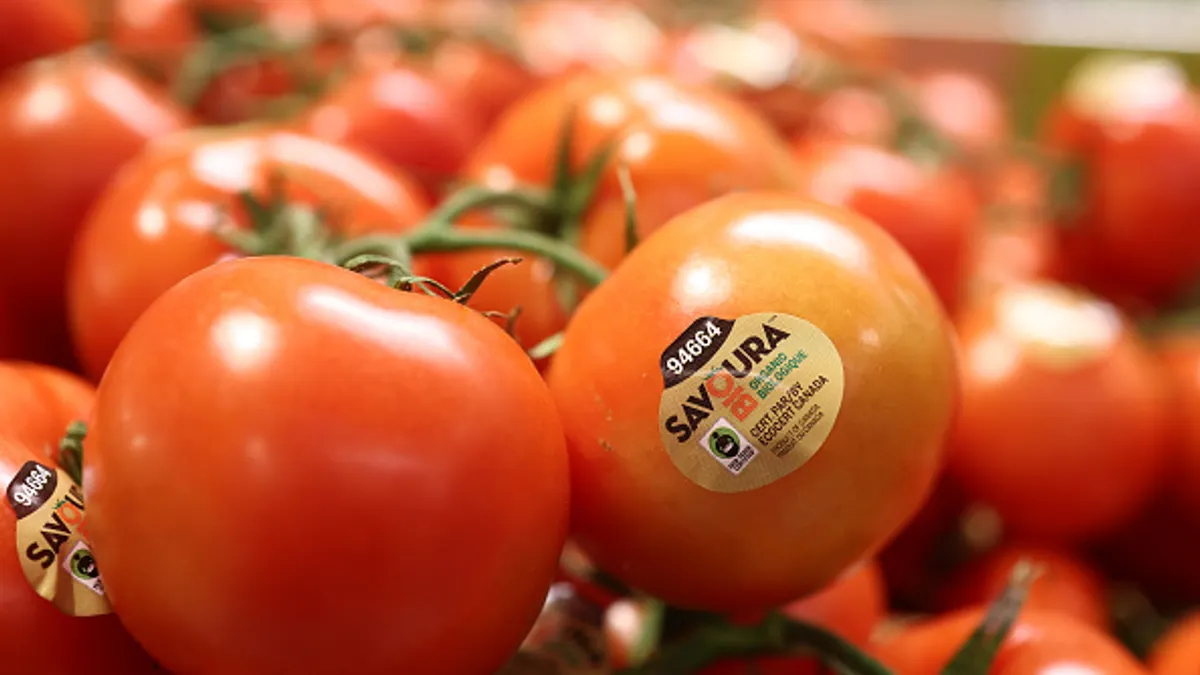
Executive Summary: The End of the Holding Pattern
After months of relative stability, the American grocery landscape experienced a sharp and unexpected inflationary jolt in April 2026. Data released by the Bureau of Labor Statistics (BLS) indicates that the annual pace of food-at-home inflation reached 2.9% last month, marking the most significant month-over-month acceleration since May 2022. This shift effectively shatters the "holding pattern" that characterized the final quarter of 2025 and the first quarter of 2026, during which grocery price increases hovered consistently between 1.9% and 2.4%.
For the average household, this represents a tangible tightening of the budget. As overall inflation climbed to 3.8%—the highest rate recorded since May 2023—the cost of essential nutrition is once again outpacing wage growth, reviving concerns about food security and discretionary spending power among low-to-middle-income demographics.
Chronology of the 2026 Inflationary Cycle
To understand the severity of April’s data, one must look at the trajectory of the preceding months. The economic climate of late 2025 was marred by volatility, including a federal government shutdown in October that created a temporary void in official BLS reporting.
- Q4 2025: Following the resumption of data reporting, the market appeared to reach a plateau. Despite geopolitical tensions and supply chain frictions, grocery inflation remained anchored in the low-2% range.
- January – March 2026: Consumer sentiment stabilized as price increases showed signs of cooling. In March 2026, the food-at-home index sat at 1.9%, leading many economists to believe that the worst of the post-pandemic price shocks had been fully absorbed by the supply chain.
- April 2026: The trend reversed abruptly. The jump from 1.9% to 2.9% represents a full percentage point increase in just 30 days. This spike is statistically significant, signaling that underlying structural pressures—ranging from climate-driven crop failures to rising logistics costs—have finally breached the retail price threshold.
Supporting Data: A Sector-by-Sector Breakdown
The headline figure of 2.9% masks a much more volatile reality within specific aisles of the supermarket. While some categories saw price relief, the surges in staple goods were substantial enough to skew the total index.
The Tomato and Produce Crisis
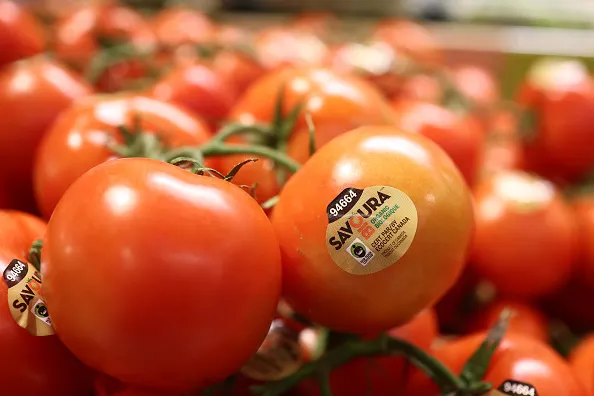
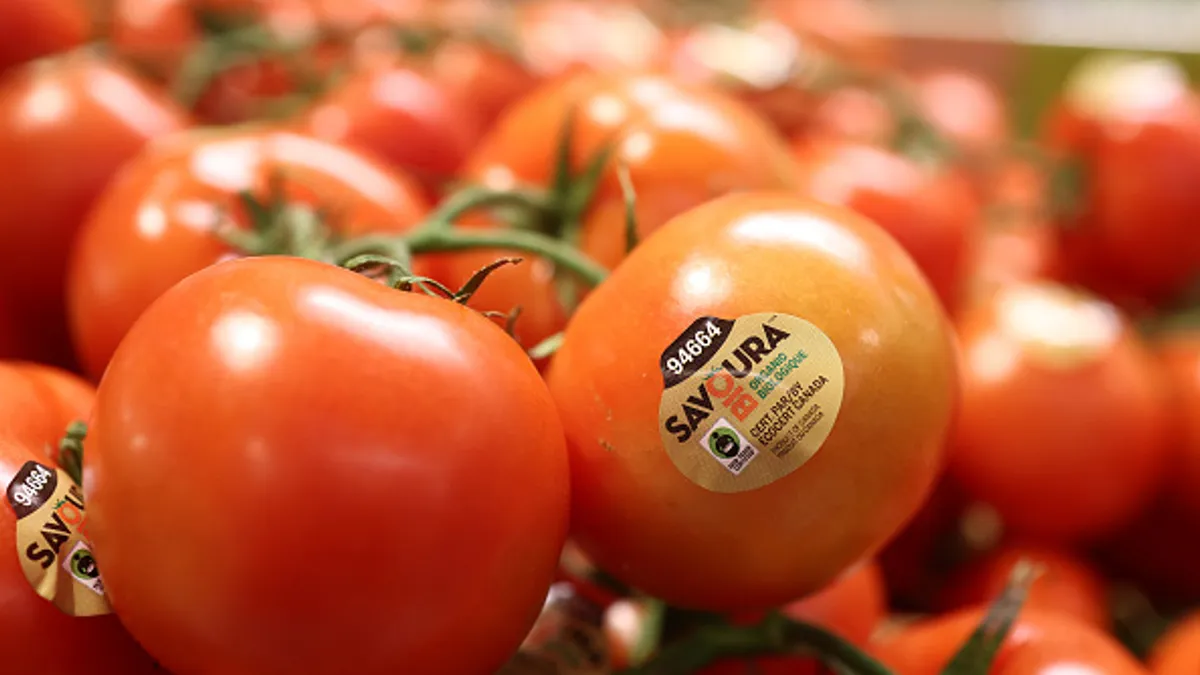
The most dramatic outlier in the April report was the tomato, which saw prices climb nearly 40% year-over-year. This surge was a primary driver in the broader 6% increase in fruit and vegetable prices. Fresh vegetables, as a sub-category, saw an 11.5% inflation rate. Analysts point to a combination of extreme weather patterns in major growing regions and increased import costs as the culprits for the sudden scarcity and price hike.
The Meat Counter: A Continued Burden
Beef remains the primary engine of food inflation. Despite intermittent periods of price moderation, beef inflation has consistently remained in the double digits for several months.

- Uncooked Beef Roasts: Up 18%
- Uncooked Beef Steaks: Up 16%
- Ground Beef: Up 14.5%
The sustained rise in these categories suggests that input costs—specifically feed prices and labor—are being passed directly to the consumer with little resistance, as beef remains a high-demand commodity that retailers are hesitant to discount.
Beverages and Other Staples
Coffee drinkers were hit hard in April, with costs rising nearly 20% compared to the previous year. This reflects global supply chain challenges and potential crop yields in key coffee-producing nations. Conversely, the "good news" was found in the poultry and dairy aisles. Poultry prices saw a modest increase of less than 1%, with fresh whole chickens actually declining by 2%. Furthermore, the egg market—which was the poster child for inflation throughout 2025—saw a welcome reversal, with prices falling by 39%.
Official Responses and Economic Context
The BLS data serves as a stark reminder of the government’s struggle to manage the inflationary tailwinds of the current decade. The 3.8% headline inflation rate, which includes non-food items, highlights that the "grocery problem" is part of a larger macroeconomic struggle.
Market analysts, including those from Grocery Dive and other industry observers, have noted that the lack of data during the October 2025 shutdown may have masked building pressures that are only now surfacing in the CPI (Consumer Price Index) reports. Retailers have been caught in the middle; while they seek to maintain foot traffic through competitive pricing, the rising wholesale costs of beef and produce have made it increasingly difficult to absorb expenses without adjusting shelf prices.

Implications: The Consumer and Retailer Outlook
For the Consumer
The shift in April forces households to make difficult choices. When essential items like coffee, beef, and vegetables spike simultaneously, consumers typically shift their behavior in three ways:
- Private Label Migration: Switching from national brands to store brands to mitigate costs.
- Channel Shifting: Moving away from traditional full-service grocers toward discount retailers or wholesale clubs.
- Basket Downsizing: Reducing the quantity of fresh items purchased in favor of processed, shelf-stable goods, which often have longer price stability.
For the Retailer
Retailers are facing a "margin squeeze." As food-at-home inflation rises, the pressure on grocers to provide promotions increases. However, with wholesale prices for beef and produce surging, retailers have less room to offer these promotions without eroding their own profitability. We may see a cooling in loyalty program generosity as retailers prioritize inventory replenishment over promotional depth.
The Macro View
The jump in April challenges the narrative that inflation has been "tamed." If the 2.9% rate persists or continues to climb, it will likely necessitate a shift in monetary policy expectations. Central banks and policymakers will be monitoring the May and June data closely to determine if April was a temporary anomaly caused by seasonal harvest issues or the beginning of a new, persistent inflationary cycle.
Conclusion: The Road Ahead
The April 2026 inflation report serves as a wake-up call for the food industry. While the 39% drop in egg prices offers a glimmer of hope, it is insufficient to offset the rapid appreciation of beef, produce, and coffee. As we look toward the remainder of 2026, the retail sector must prepare for a consumer base that is increasingly price-sensitive and exhausted by the volatility of the grocery shelf.
The primary question for the coming months is whether the agricultural and supply chain disruptions causing these spikes are short-term bottlenecks or the new "normal" in an era of climate instability and global logistics complexity. For now, the American consumer must brace for higher grocery bills as the quest for price stability continues to prove elusive.

 Nana Wu
 Ali Ikhwan