
 Dwi Wanna
 Nana Wu
 Muslim
 Reynand Wu
 Ammar Sabilarrohman
In a significant move toward tightening regulatory oversight for infant nutrition, the states of New York and California have emerged as leaders in the national effort to combat toxic heavy metal contamination in baby food and infant formula. As legislative bodies move to mandate regular, rigorous testing and radical transparency for manufacturers, the push underscores a growing public health concern: that the most vulnerable consumers—infants and toddlers—are being exposed to substances that have no place in a healthy diet.
The proposed mandates, currently navigating the final stages of the legislative process in both states, aim to force a paradigm shift in how the food industry handles safety protocols. By requiring monthly testing for lead, arsenic, cadmium, and mercury, and compelling companies to disclose these findings to the public, lawmakers are attempting to bridge a regulatory gap that many advocacy groups argue has been neglected by federal oversight for far too long.
The Core Mandates: What the Legislation Proposes
At the heart of the New York and California initiatives is the acknowledgment that voluntary guidelines are no longer sufficient. Both bills, specifically New York’s Infant Formula Safety and Transparency Act (A9026/S8701) and California’s Assembly Bill (AB) 2302, seek to standardize the detection and reporting of toxic heavy metals.
The technical requirements of these bills are stringent. Should they become law, manufacturers would be prohibited from marketing products that exceed state-determined thresholds for "adulterated" foods. The proposed testing protocols require:
- Frequency: Mandatory testing conducted no less than once per month.
- Scope: Comprehensive screening for the four most common and dangerous heavy metals: lead, arsenic, cadmium, and mercury.
- Transparency: Public disclosure of test results, likely hosted on company websites or through accessible state-run portals, to ensure parents can make informed decisions about the nutrition they provide their children.
For families, these bills represent a potential sea change in safety. If enacted, these regulations would essentially force a "safety-first" manufacturing environment where the burden of proof rests on the company to ensure that every batch of formula or puree meets strict toxicity limits before it hits store shelves.
A Chronology of Regulatory Advocacy
The legislative momentum in 2026 is the culmination of years of investigative journalism and rigorous third-party scientific testing. The path to these bills has been paved by a series of revelations that brought the issue of heavy metals in infant food to the forefront of the national consciousness.
2021: The Federal Wake-Up Call
The conversation regarding infant nutrition safety gained significant traction in 2021, when a congressional report highlighted that many popular baby food manufacturers were selling products containing dangerous levels of toxic metals. The report revealed that internal testing at some companies showed levels of lead, arsenic, and cadmium far exceeding what experts considered safe for developing brains.
2023–2024: Escalating Pressure
Following the congressional report, advocacy groups and organizations like Consumer Reports intensified their independent testing. By conducting their own laboratory analyses of infant formulas and baby foods, these groups provided empirical data that contradicted the "safe enough" messaging often provided by industry lobbyists. This data became the backbone of the current legislative push, providing lawmakers with the evidence needed to challenge industry norms.
2025: Drafting the Bills
Throughout 2025, legislators in New York and California began crafting language to codify these safety standards. The goal was to bypass federal inertia by creating state-level protections that would effectively force national manufacturers to comply with stricter rules if they wished to continue selling their products in these major, high-volume markets.
2026: The Legislative Breakthrough
- May 27, 2026: The California Assembly passed AB 2302 in a stunning 69–0 unanimous vote. The bipartisan nature of the vote signaled that, regardless of political affiliation, the safety of infant nutrition is a top-tier priority for elected officials.
- June 3, 2026: The New York State Legislature followed suit, passing S8701. The bill is currently awaiting the signature of Governor Kathy Hochul, which would immediately move it into the statute books.
Supporting Data: Why the Concern?
The medical community has been vocal about the dangers of heavy metal exposure during infancy. Because infants and toddlers are in a critical stage of neurological development, their systems are uniquely susceptible to the toxic effects of heavy metals.
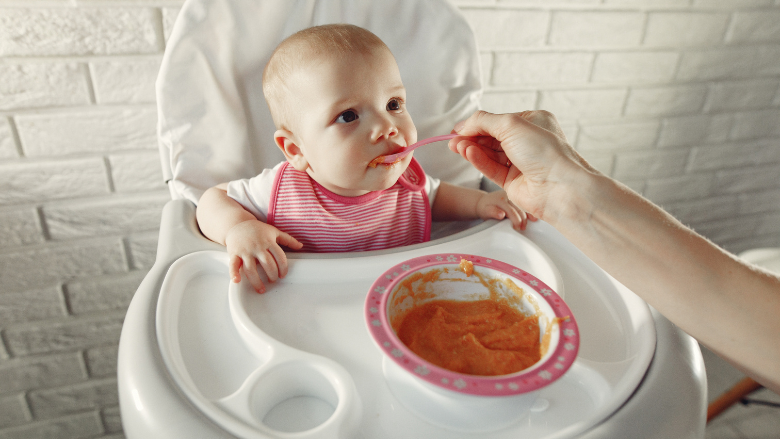
Scientific research consistently indicates that even trace amounts of these metals can have cumulative, long-term impacts:
- Lead: Linked to lower IQ, developmental delays, and behavioral disorders.
- Arsenic: Known to have carcinogenic properties and linked to developmental neurotoxicity.
- Cadmium: Associated with kidney dysfunction and skeletal issues.
- Mercury: Can interfere with brain development and the central nervous system.
Consumer Reports’ independent testing has been pivotal in validating the need for these bills. Their testing protocols have revealed that while many "safe options" exist, the inconsistency across the market is alarming. By requiring manufacturers to test and disclose, the states are effectively demanding a "clean label" standard for the most critical products in the grocery aisle.
Official Responses and Industry Implications
The response from the food industry has been varied. While some manufacturers have publicly committed to internal safety improvements, others have expressed concern regarding the logistical burden of monthly testing and the potential for "over-regulation" to increase food prices.
However, proponents of the bills argue that the cost of inaction—measured in long-term public health expenses and the potential for developmental harm—far outweighs the cost of compliance. Regulatory bodies in New York, specifically the Department of Agriculture and Markets and the Department of Health, are poised to take a central role in defining the precise limits for what constitutes "adulterated" product. This delegation of power ensures that the standards will be based on evolving toxicological data rather than static, outdated guidelines.
The Path Forward: Implications for the Future
As New York and California lead the way, the broader implication is the potential for a "California Effect," where the largest states in the nation set a de facto national standard. Because it is logistically and economically unfeasible for most national manufacturers to produce one version of a product for California/New York and a different version for the rest of the country, it is highly likely that these regulations will force a nationwide upgrade in safety protocols.
Implications for Consumers
For the average parent, these bills provide a newfound sense of security. The ability to access transparency reports will allow consumers to "vote with their wallets," punishing companies that fail to maintain high purity standards while rewarding those that prioritize infant health.
Implications for Manufacturers
Companies will need to invest in more sophisticated quality control (QC) infrastructure. The mandate for monthly testing will require manufacturers to integrate high-end chromatography and mass spectrometry testing into their regular production cycles. This will necessitate stronger partnerships with third-party analytical labs and a more robust supply chain audit system to ensure that raw ingredients—such as rice, sweet potatoes, and carrots, which are known to absorb heavy metals from soil—are sourced from regions with lower contamination risks.
Implications for Federal Policy
These state-level bills put immense pressure on the U.S. Food and Drug Administration (FDA) to harmonize national standards. If a patchwork of state laws begins to emerge, the FDA may find itself compelled to create a uniform, federal mandate that mirrors the stringency of the New York and California laws to provide a predictable landscape for interstate commerce.
Conclusion
The legislative efforts in New York and California represent a significant milestone in public health. By moving to mandate the regular testing and public disclosure of toxic heavy metals in baby food and infant formula, these states are setting a new standard for corporate responsibility.
As we look toward the potential signing of the Infant Formula Safety and Transparency Act in New York and the progress of AB 2302 in the California Senate, one thing is clear: the era of opaque safety standards in the infant nutrition industry is coming to an end. The priority is no longer just "food security," but "food purity." For the next generation, this shift toward radical transparency and rigorous scientific oversight may be the most important legislative development of the decade.


 Sagoh
Sagoh