
 Dwi Wanna
 Nana Wu
 Muslim
 Reynand Wu
 Ammar Sabilarrohman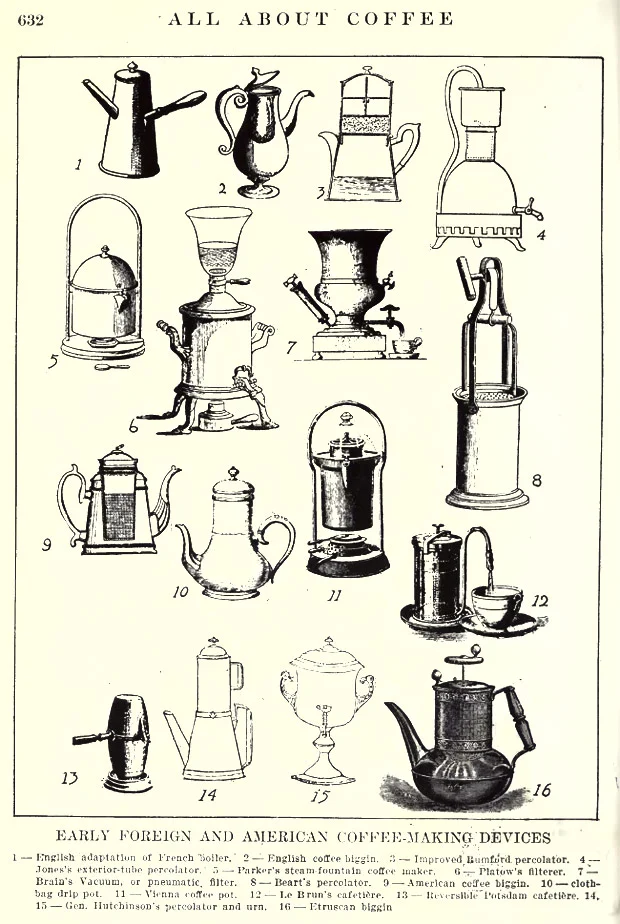
For the modern coffee enthusiast, the morning ritual has evolved from a simple caffeine delivery system into an exacting scientific experiment. The pursuit of the "perfect cup" is no longer just about the beans or the roast; it is a deep dive into fluid dynamics, thermodynamics, and organic chemistry. As we examine the mechanics of the pour-over, we find that what appears to be a humble household task is, in reality, an immensely complex system of variables that tests the limits of control and repeatability.
The Chemistry of the Perfect Pour: Understanding Selective Extraction
At its core, coffee brewing is an extraction process. When hot water contacts roasted coffee, it dissolves various chemical compounds—acids, sugars, oils, and bitter compounds—at different rates. In a previous exploration of coffee chemistry, it was established that the compounds within a bean span nine orders of magnitude in terms of concentration and solubility.
A common misconception in the coffee world is the pursuit of "even extraction." From a chemical perspective, this is a misnomer. If every compound were extracted at the same rate, the resulting beverage would be one-dimensional and lack the nuance that defines specialty coffee. Instead, the goal should be selective extraction—a deliberate, uneven process where the brewer carefully manages which compounds are pulled into the cup.
If one were to attempt an exhaustive extraction—grinding beans as fine as possible and steeping them at high temperatures—the yield would approach 30%. While this might result in a high-intensity beverage reminiscent of traditional Turkish coffee, it does not necessarily equate to the highest sensory quality. The "best" coffee is found in the careful balance of these varying extraction rates, a feat most effectively managed through the percolation technique known as the pour-over.
A Historical Chronology: From Innovation to Standardization
The history of the coffee maker is a 200-year timeline of human ingenuity attempting to solve the problem of extraction. While we often associate the pour-over with modern "third-wave" coffee culture, the desire to perfect the drip method dates back to the early 19th century.
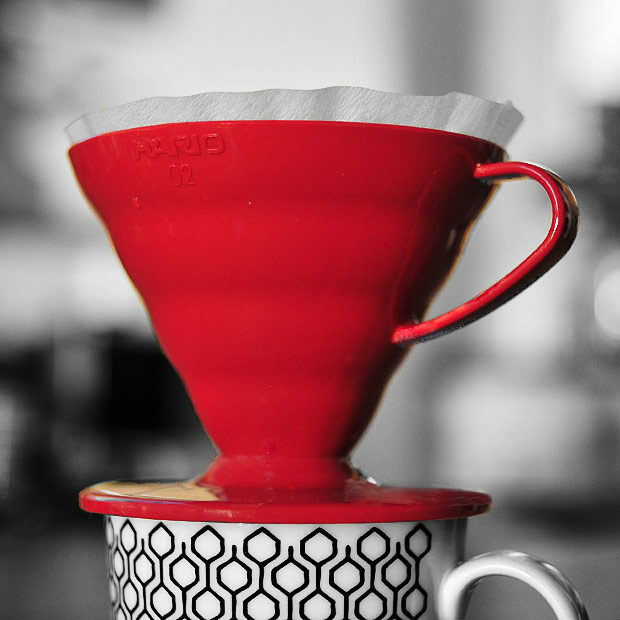
The 1970s marked a significant surge in the popularity of updated percolation devices, but the core challenge remained: how to prevent the water from taking the "path of least resistance." Because water is fundamentally "lazy," it will always bypass dense coffee grounds if a gap exists.
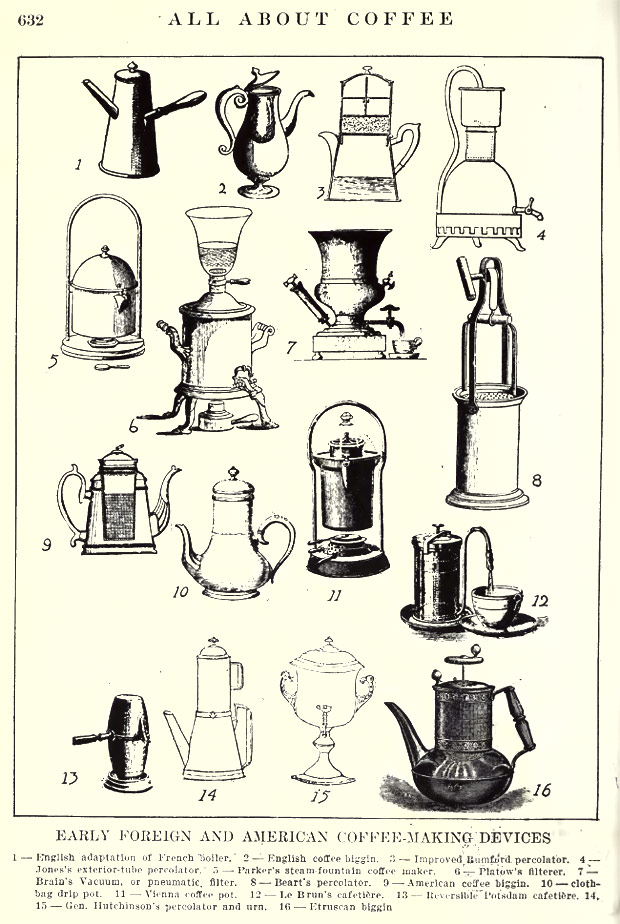
Early pioneers of coffee design, as documented in William H. Ukers’ 1922 classic All About Coffee, grappled with these same geometric and thermal challenges. Whether it was the classic trapezoid filter holders popularized by Melitta or the later emergence of cone-shaped drippers like the Hario V60, the fundamental struggle has always been to optimize the contact time and flow rate between water and bean.
Supporting Data: Dissecting the Brewing Apparatus
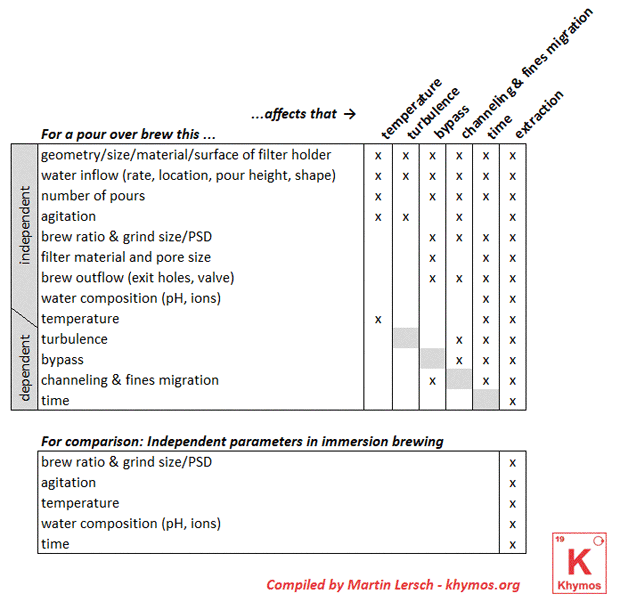
To understand why some brewers yield a balanced cup while others produce astringency, one must analyze the physical parameters of the equipment. Through a systemic review of available pour-over devices, we can categorize their efficacy based on several critical factors:
Material and Thermal Stability
Temperature is the primary driver of extraction kinetics. Metal drippers, while durable, are notorious for heat loss unless they are vacuum-insulated, such as the Fellow Stagg X. Glass is aesthetically pleasing but prone to fragility. Plastic, often dismissed as "cheap," is actually the preferred material for many experts due to its low thermal conductivity, which helps maintain a stable brewing temperature throughout the cycle.
Geometry and Surface Interaction
The shape of the coffee bed dictates the flow path. A tall, narrow column (cylindrical) promotes high contact time but risks stalling. A flat-bottomed bed, like that of the Kalita Wave, promotes faster, more even flow but requires precise grind consistency to avoid channeling.
Bypass: The Silent Diluter
Bypass occurs when water flows around the coffee bed rather than through it. This effectively dilutes the coffee without contributing to the extraction. Many brewers—specifically those with ribbed walls—are designed to allow some bypass to ensure the filter does not clog. However, for those seeking the ultimate control, devices that restrict bypass (such as the Tricolate or the Aeropress) are becoming the gold standard.
Table 1: Comparative Analysis of Brewing Equipment
| Filter Holder | Material | Bypass | Flow Control | Primary Advantage |
|---|---|---|---|---|
| Aeropress | Plastic | No | Pressure | Total control over immersion time |
| Hario V60 | Plastic/Ceramic | Yes | None | High clarity, highlights acidity |
| Kalita Wave | Metal/Glass | Yes | None | Consistent, sweet cup profile |
| Tricolate | Plastic | No | None | Maximum extraction efficiency |
| Clever Dripper | Plastic | Yes | Stop Valve | Combines immersion and percolation |
The Implication: Why Recipes Often Fail
The complexity of the pour-over method explains why two people using the same bag of beans and the same dripper can produce vastly different results. Most "recipes" fail to account for the variables that dictate the extraction: water temperature stability, filter paper density, the particle size distribution of the grind, and the pouring technique.
When these variables are not tightly controlled, they introduce random variations that lead to the proliferation of coffee "myths." For instance, the belief that a specific pour pattern is "magical" often ignores the reality that the pattern is merely a tool to manipulate the flow rate and prevent channeling.
The Case for Robustness: The Immersion Alternative
While the pour-over offers unrivaled potential for flavor clarity, it demands high skill. In contrast, immersion brewing—such as the French Press or the Clever Dripper—offers a level of repeatability that is difficult to ignore.
As a chemist, the appeal of immersion is its robustness. Because the grounds are fully submerged in water, the extraction reaches a near-equilibrium state. This reduces the sensitivity of the brew to minor pouring errors. The primary drawback of the traditional French Press is the sediment, which can introduce unwanted bitterness and a "muddy" texture. However, by simply adding a secondary paper filtration step, one can retain the robustness of the immersion method while gaining the clarity of a pour-over.
Conclusion: The Quest for the Ultimate Cup
The obsession with coffee extraction—famously parodied and celebrated in the "Gale Boetticher" scene from Breaking Bad—is not merely about caffeine. It is about the pursuit of a perfect sensory experience. Whether through the surgical precision of a pour-over or the reliable, full-bodied nature of an immersion brew, we are all seeking the same thing: a cup that captures the true essence of the coffee bean.
The science tells us that there is no single "perfect" device. Instead, there is an ideal tool for the specific profile one wishes to achieve. As we continue to innovate in this space, moving toward more controlled, bypass-free brewing methods, we inch closer to the goal of a truly optimized extraction. In the next installment of this series, we will explore novel techniques and emerging technologies that promise to further refine the way we interpret the coffee bean.
For those interested in further study, please refer to the previous installments: Wonders of Extraction: Part 1 and What’s in a Cup of Coffee? Part 2.


 Sagoh
Sagoh