

 Nana Wu

 Dwi Wanna

 Suro Senen

 Evan Lee Salim

 Raul Delapena Setiawan
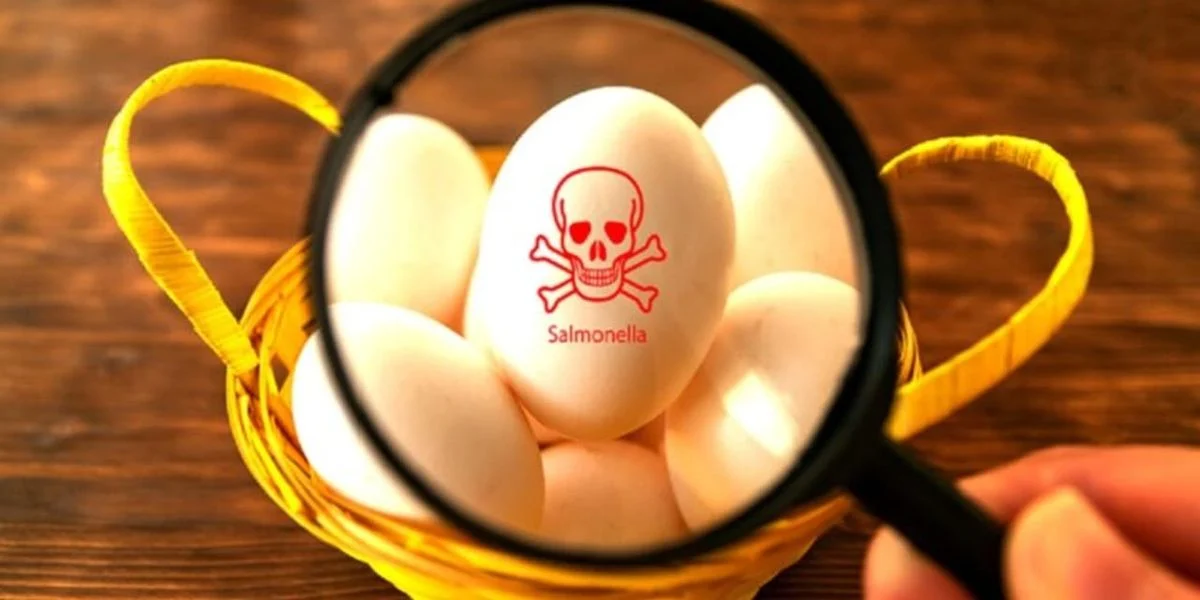
October 22, 2026 – While Sweden has long maintained a reputation for having one of the safest egg production systems in the world, recent data from the Swedish Food Agency (Livsmedelsverket) suggests a subtle, yet noteworthy, shift in the landscape of food safety. A new analysis indicates that the risk of exposure to Salmonella Enteritidis through domestic eggs has experienced a slight increase.
Despite this upward trend, health authorities emphasize that the risk profile for Swedish consumers remains significantly lower than the broader European average. Nevertheless, the findings have prompted a renewed focus on the stringent control programs that have protected the Swedish population for decades.
The Core Findings: A Changing Risk Profile
The latest report, which scrutinizes the safety of eggs within the Swedish market, highlights a change in the prevalence of Salmonella Enteritidis. This specific serotype is notorious for its ability to colonize the reproductive tissues of laying hens, allowing the bacteria to contaminate the interior of the egg before the shell is even formed.
For years, Sweden has enjoyed "low-prevalence" status, bolstered by an aggressive national control program. However, recent sampling data suggests that this near-eradication of the pathogen is being challenged. While officials have not labeled the increase as an "outbreak" or an immediate public health crisis, they are treating the data as a "warning light" for producers and retailers alike.
The report clarifies that while the statistical likelihood of contracting salmonellosis from a Swedish egg has risen, the absolute risk remains minimal for the average consumer, provided that standard kitchen hygiene and proper cooking temperatures are maintained.
Chronology of Safety: The Swedish Model
To understand why even a "slight" increase in Salmonella risk is headline news in Sweden, one must examine the history of the country’s unique food safety architecture.
The Foundation of the Control Program
Since the 1990s, Sweden has implemented one of the most rigorous Salmonella control programs in the European Union. Unlike many other nations that rely on vaccinating flocks, Sweden has historically focused on:
- Stringent Biosecurity: Preventing the entry of the pathogen into poultry houses through strict farm hygiene.
- Mandatory Testing: Regular, frequent sampling of feces and environmental dust within every commercial laying hen flock.
- The "Zero-Tolerance" Policy: Any positive finding of Salmonella in a flock triggers immediate culling or heat treatment of the eggs, ensuring that contaminated products never reach the grocery store shelves.
Recent Shifts (2025–2026)
Over the last 18 months, food safety inspectors noted a change in the frequency of positive environmental samples. While the vast majority of flocks remain Salmonella-free, the number of isolated positive cases has ticked upward. Epidemiologists are currently investigating whether these fluctuations are due to increased wildlife interaction, feed contamination, or changes in international poultry trade logistics.
Supporting Data: Comparative Analysis
To contextualize the findings, Livsmedelsverket compared the Swedish situation against the European Food Safety Authority (EFSA) benchmarks.
The European Context
Across the European Union, Salmonella Enteritidis remains the most frequently reported cause of foodborne outbreaks associated with eggs. In many Southern and Eastern European member states, the prevalence of Salmonella in laying hen flocks is significantly higher, often requiring mandatory vaccination protocols to manage the risk.
Statistical Divergence
While Sweden’s risk has risen, it remains a statistical outlier in the positive sense.
- EU Average: Historically, EU-wide prevalence in laying hen flocks has hovered between 1% and 3% for Salmonella serovars of public health significance.
- Swedish Baseline: Historically, Sweden has operated at well below 0.5%.
- Current Status: The current uptick places Sweden slightly closer to the lower bound of the European average, though it remains in a distinct "low-risk" tier compared to other high-production countries.
The report notes that the uptick is not necessarily indicative of a failing system, but rather a reminder that pathogens are dynamic biological entities that can adapt to biosecurity measures over time.
Official Responses and Strategic Adjustments
The Swedish Food Agency has been proactive in addressing the public’s concerns following the release of the report.
Strengthening Biosecurity Protocols
In response to the data, the agency has recommended that egg producers review their farm-level biosecurity. This includes:
- Increased frequency of rodent control (as mice and rats are primary vectors for Salmonella).
- Enhanced vetting of raw feed ingredients to ensure they are free from microbial contaminants.
- More rigorous sanitation protocols for personnel entering poultry houses.
Communication with the Public
Livsmedelsverket has reiterated that there is no need for panic. "The risk is still low," stated an agency spokesperson. "However, the primary defense against Salmonella is not just at the farm level, but in the kitchen."
The agency continues to remind consumers that Salmonella is a heat-sensitive bacterium. Cooking eggs until both the yolk and white are firm effectively destroys the pathogen. Furthermore, they emphasize the importance of hand-washing after handling raw eggs and avoiding the consumption of raw or undercooked egg products (such as homemade mayonnaise or raw cookie dough) made with non-pasteurized eggs.
Implications for the Future
The rise in Salmonella detection has profound implications for Sweden’s agricultural sector, consumer trust, and public health policy.
Impact on the Egg Industry
For Swedish egg farmers, this news brings increased scrutiny. Industry groups are working closely with the government to ensure that the "Swedish Egg" brand—which commands a premium due to its reputation for purity—is protected. There is a fear that if the trend continues, the industry might be forced to adopt mass vaccination, a measure that Sweden has long avoided to keep its flocks "clean."
Public Health Surveillance
The Swedish Public Health Agency is intensifying its surveillance of human salmonellosis cases to see if the uptick in egg-related Salmonella matches a spike in human illness. Thus far, there has been no significant correlation, which suggests that the current monitoring and recall systems are successfully keeping contaminated products out of the food supply chain.
Future Research
The incident highlights the need for continued investment in molecular epidemiology. By using whole-genome sequencing (WGS), authorities are now able to trace the genetic fingerprint of the Salmonella bacteria. This technology will be critical in determining whether the recent cases are coming from a single source or if the bacteria are spreading across multiple, unrelated farms.
Conclusion: A Vigilant Path Forward
The slight increase in Salmonella risk in Sweden serves as a sobering reminder that food safety is not a "set-it-and-forget-it" achievement. It is a constant battle against evolving biological risks.
While the Swedish model remains one of the most effective in the world, the current findings act as a call to action. By refining biosecurity, maintaining strict surveillance, and continuing to educate the public on safe food handling, Sweden is aiming to push these numbers back down toward their historical lows.
For the consumer, the message is clear: trust the system, but maintain your kitchen defenses. As we head into the winter months, when consumption of certain egg-based products often increases, the vigilance of both the producer and the cook remains the strongest shield against foodborne illness.
Food Safety News is a nonprofit, reader-funded organization. Our mission is to provide independent, evidence-based reporting on foodborne illnesses, recalls, and regulatory changes. Your support is vital in keeping our investigative journalism accessible to all. Please consider making a tax-free donation today to help us continue this critical work.


