Jia Lissa
 Pevita Pearce
 Ammar Sabilarrohman


 Nana Wu
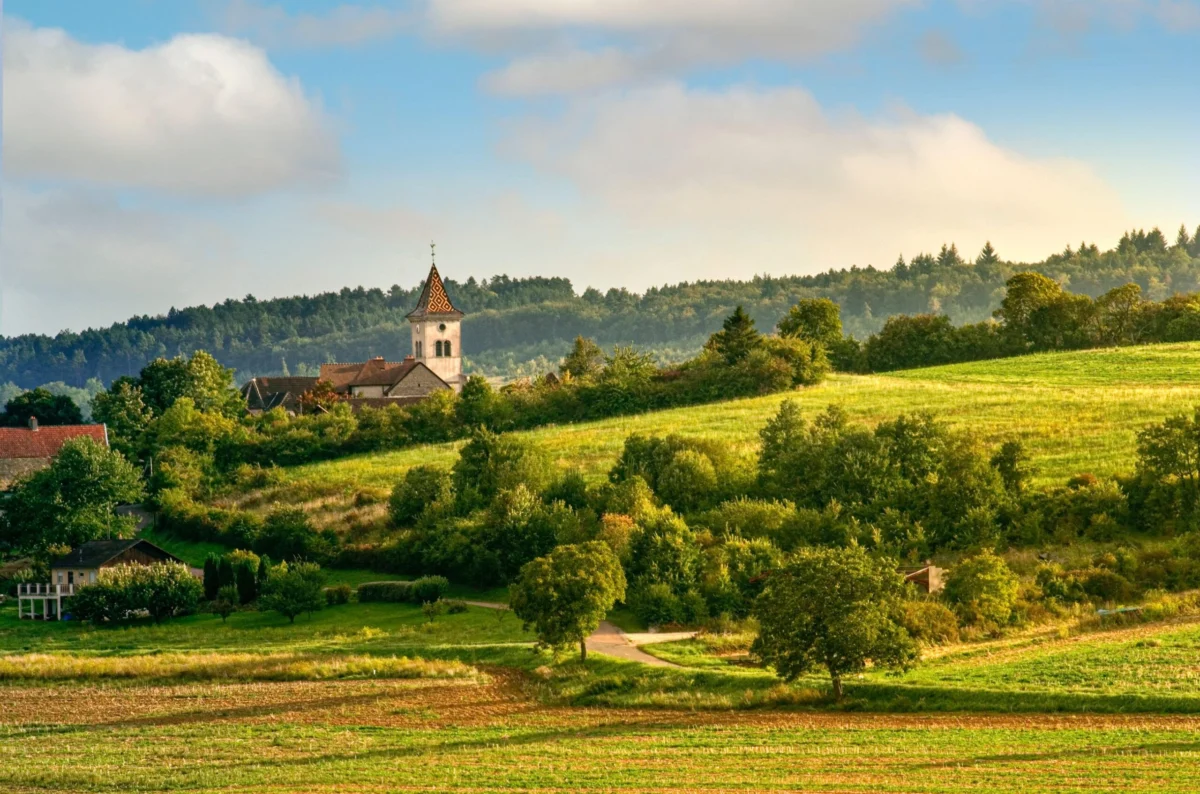
Burgundy is a region defined by its immovable sense of place—the terroir that binds vines to soil for generations. Yet, every January, the region’s most significant cultural pilgrimage, the St-Vincent Tournante, defies this rootedness. It is a nomadic celebration, a roving festival that descends upon a different village each year to honor the patron saint of winemakers. In 2026, the spotlight turned to one of the most underrated and historically overlooked corners of the Côte de Beaune: Maranges.
For the local vignerons, the choice of Maranges as the host was more than just a logistical rotation; it was a long-awaited validation of a sub-region that has spent years working in the shadow of its more famous neighbors.
The Chronology of a Festival: From Dawn to Dusk
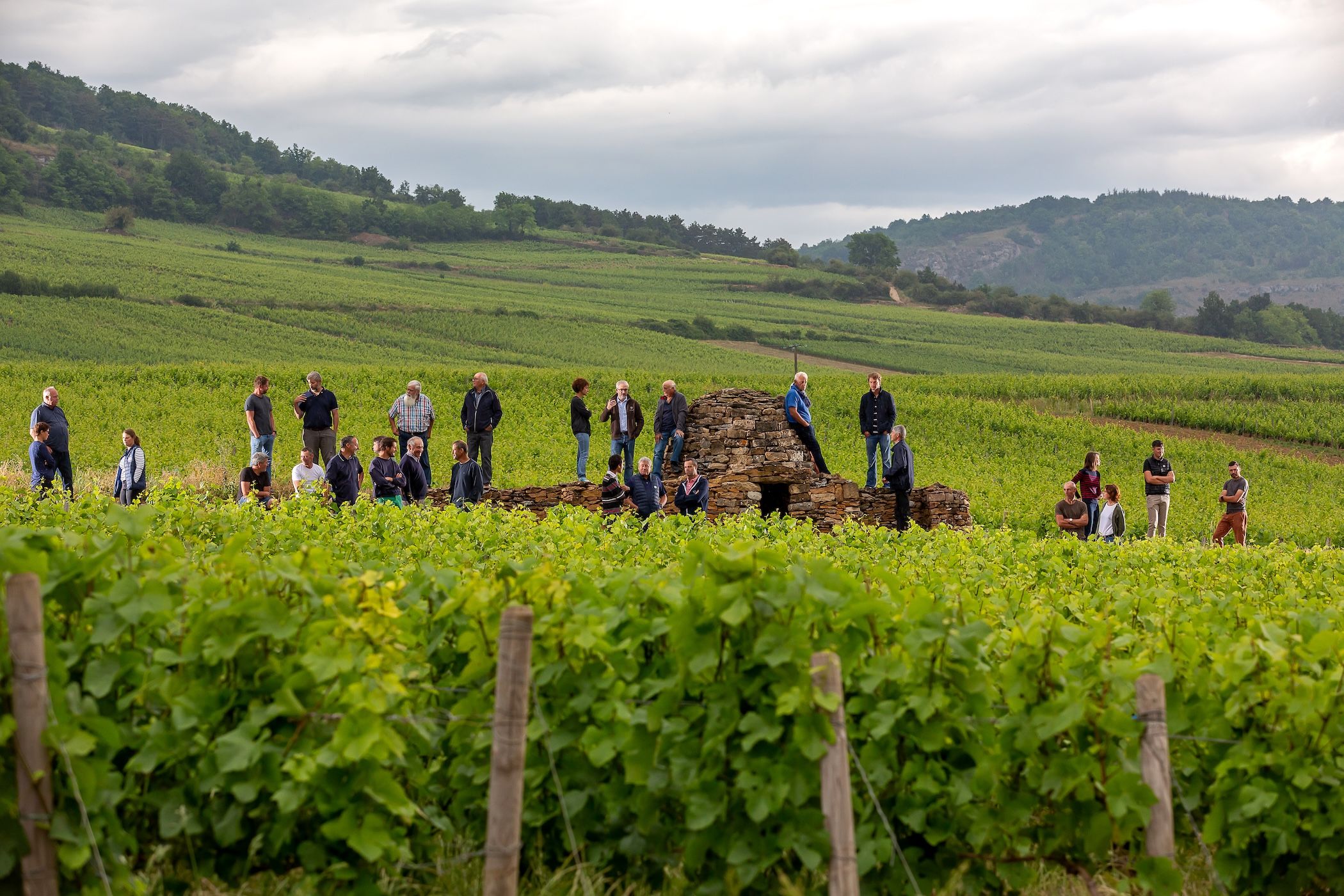
The festivities began in the pre-dawn darkness, a tradition that mirrors the early hours of the harvest. At 5:30 a.m., the gates of Domaine Chevrot swung open. While the outside world remained plunged in the deep, biting cold of a French January, the atmosphere inside was electric.
In a testament to the resilience of the local industry, the tasting began immediately. Chardonnay—bright, crisp, and defying the "godforsaken hour"—flowed freely, serving as a wake-up call for the thousands of attendees arriving from across the globe. By mid-morning, the procession of local guilds, clad in traditional velvet robes and carrying statues of St-Vincent, wound through the narrow, frost-dusted streets of the village. The day progressed from solemn religious tributes to the boisterous, communal tastings that form the heartbeat of the Tournante. As the sun set, the focus shifted from the street to the cellars, where producers opened their private reserves, showcasing the 2023 and 2024 vintages.
Understanding Maranges: The Hidden Gem
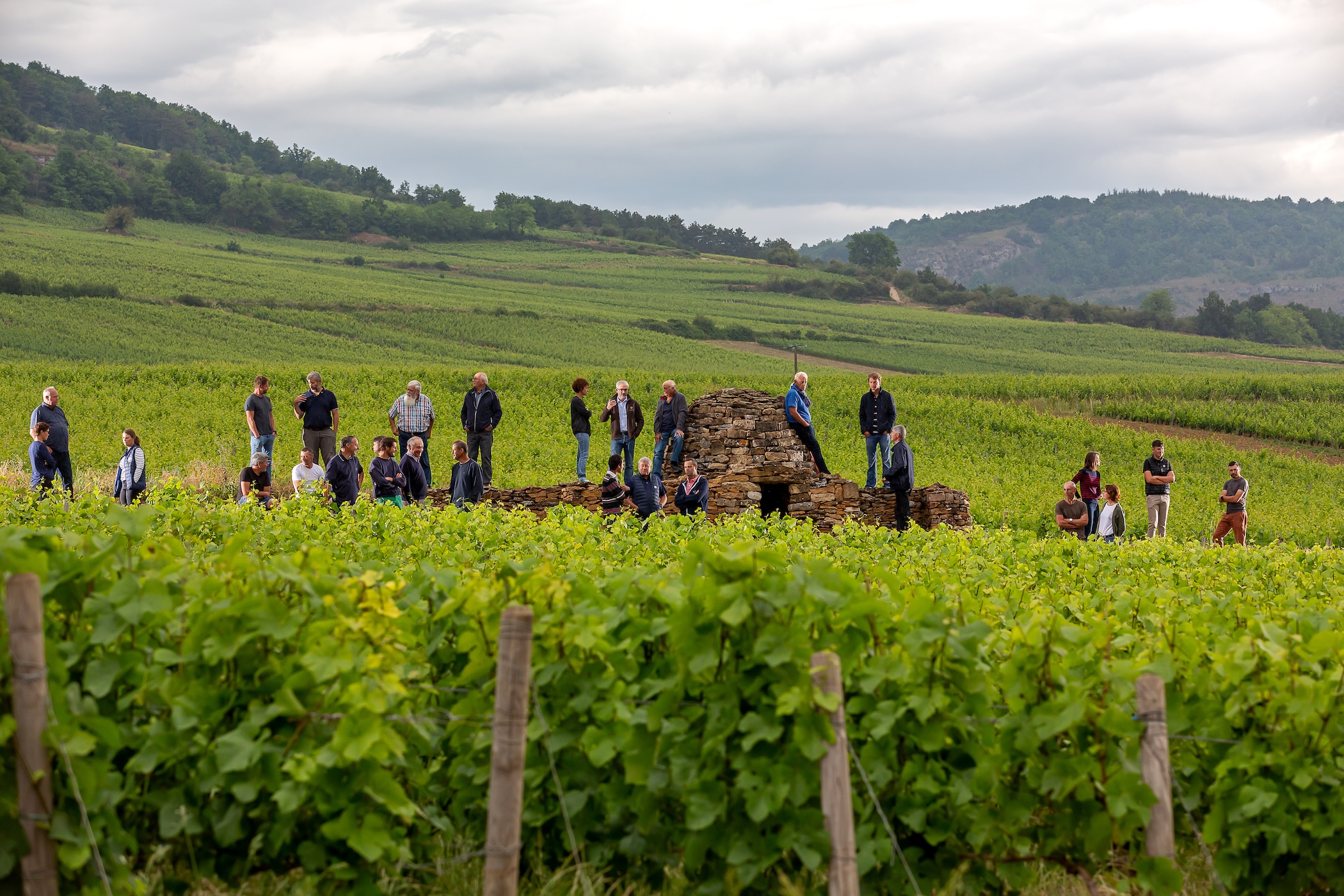
To understand why Maranges was chosen for this honor, one must look at its geography. Located at the southern tip of the Côte de Beaune, Maranges is a patchwork of three villages—Cheilly-lès-Maranges, Dezize-lès-Maranges, and Sampigny-lès-Maranges. For decades, it was considered a "fringe" appellation, often overshadowed by the powerhouses of Pommard or Volnay.
However, the 2024 vintage, showcased during the festival, suggests a shift in the hierarchy. The wines exhibit a combination of high-toned, crunchy red fruit and a unique mineral tension that speaks to the specific limestone soils of the area. It is a region currently experiencing a renaissance, driven by a new generation of winemakers who are leveraging the warmer climate to achieve perfect phenolic ripeness while maintaining the signature Burgundian acidity.
Supporting Data: A Taste of the 2024 Vintage
The tasting notes from the 2026 festival offer a window into the current state of the art in Maranges. The consensus among critics is that the 2024 vintage is characterized by precision and vitality.
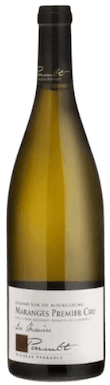
- Domaine Nicolas Perrault, 1er Cru La Fussière: A standout, featuring bright Meyer lemon notes layered with crisp pear, anchored by a distinct saline streak. It is a wine that feels alive, reflecting the "bouncy" energy of the vintage.
- Domaine Cas Venancio, Les Plantes: This wine captures the essence of the region’s evolution—tightly wound, with concentrated lemon preserve and a flinty, oyster-shell minerality that demands patience.
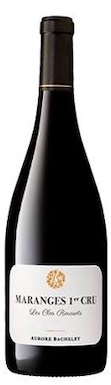
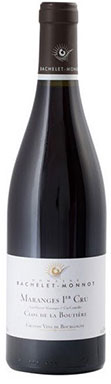
- Domaine Aurore Bachelet, 1er Cru Clos Roussots: A masterclass in balance, showing Morello cherry and dark fruit, with an elegant, floral complexity that suggests great aging potential.
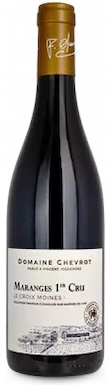
- Domaine Chevrot, Le Croix Moines 1er Cru: Perhaps the most evocative of the terroir, this wine presents notes of pomegranate, wet stone, and white pepper, finished with a whisper of exotic spice.
These profiles indicate that Maranges has moved beyond its reputation for "rustic" wines, emerging instead as a source of refined, terroir-driven expressions that offer exceptional value in an increasingly expensive market.
Official Perspectives and Producer Sentiment
The mood among the local producers was one of quiet triumph. Etienne Ramousse, whose photography captured the camaraderie of the event, noted that the festival serves as a vital equalizer. "The St-Vincent Tournante is not about the grand crus of the Côte de Nuits," he remarked. "It is about the people who work the soil. Hosting this year has given our producers the platform to show that Maranges belongs in the conversation."
Local winemakers, including the Bachelet and Chevrot families, emphasized that the logistical challenge of hosting tens of thousands of visitors was worth the exposure. For a region that has historically struggled to attract the same level of tourism as Meursault or Beaune, the festival provided a permanent economic and cultural marker.
Implications for the Future of Burgundy
The selection of Maranges for the 2026 St-Vincent Tournante has significant implications for the wider Burgundy market.
1. The Decentralization of Prestige
The success of the Maranges festival reinforces a growing trend in Burgundy: the search for "the next big thing." As prices for iconic appellations skyrocket, collectors are turning their attention to the southern reaches of the Côte de Beaune. Maranges is no longer a "budget alternative"; it is being positioned as a distinct quality destination.
2. Climate Change and Viticultural Adaptation
The 2024 vintage, as tasted during the festival, suggests that Maranges is well-positioned to navigate a warming climate. Its slightly higher altitude and specific wind exposures help maintain the acidity required for balance, even in hotter years. This makes the region an increasingly attractive target for investment from larger houses looking to secure reliable, high-quality fruit.
3. Sustainability and Community
The festival underscored the importance of the vigneron guild system. In an era of globalization, the St-Vincent Tournante remains a fiercely local event. By rotating the festival, the Burgundian authorities are successfully fostering a sense of regional solidarity, ensuring that even the smallest villages feel like an integral part of the global brand that is "Burgundy."
Conclusion: A Legacy Cemented
As the last of the wine was poured and the final visitors departed the cellars of Maranges, the legacy of the 2026 St-Vincent Tournante was clear. The festival successfully transitioned from a local tradition to a global stage, proving that the heart of Burgundy does not beat in any single village, but in the collective efforts of those who work the vines.
For Maranges, the festival was a coming-of-age moment. It showcased a region that is confident in its identity, capable of producing world-class wines, and deeply rooted in a history that, while ancient, is constantly evolving. Whether it is the saline tension of a 1er Cru Chardonnay or the savory depth of a Pinot Noir from Clos des Loyères, the wines of Maranges have proven that they are not merely part of the background—they are the new protagonists of the Burgundian narrative.
As the region looks forward to the next host village for 2027, the producers of Maranges can rest easy knowing they have set the bar remarkably high. They have shown that while the St-Vincent Tournante may migrate, the excellence of the land it celebrates remains constant, waiting to be discovered in the quiet, frost-covered hills of the south.


 Evan Lee Salim
 Basiran