

 Nana Wu

 Dwi Wanna

 Suro Senen

 Evan Lee Salim

 Layla Zulfa
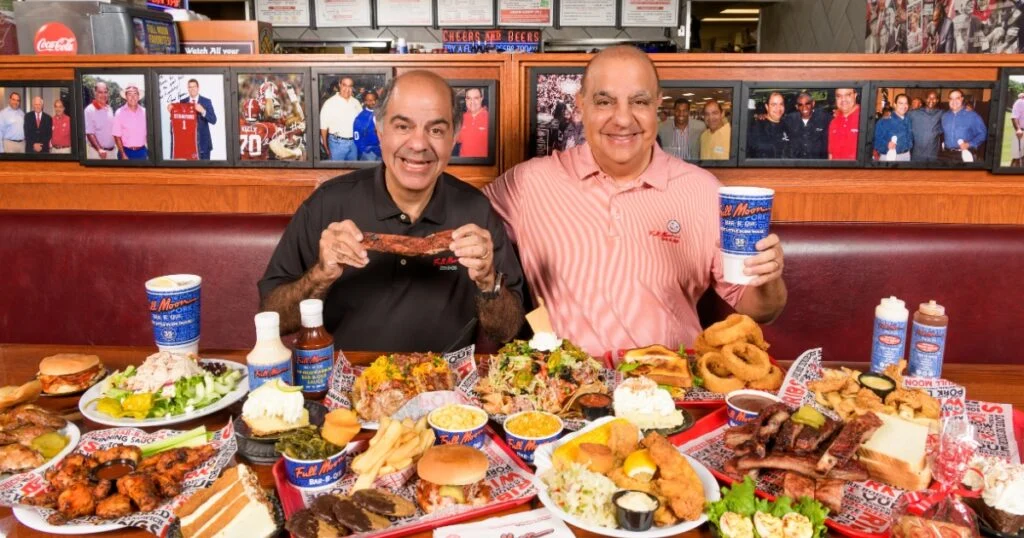
In the competitive landscape of Southern cuisine, where barbecue is treated with the reverence of a religion, Alabama’s Full Moon BBQ has achieved a rare feat: forty years of sustained growth without losing its soul. As the brand celebrates its four-decade milestone, it stands as a testament to the idea that scaling a family-owned business doesn’t have to mean sacrificing the hickory-smoked integrity that put it on the map.
Today, Full Moon BBQ operates 15 locations across Alabama, a massive catering footprint, and a sophisticated operational infrastructure. Yet, for co-owners David and Joe Maluff, the secret to their longevity isn’t found in a board room—it is found in the pit.
The Chronology of a Southern Staple
The story of Full Moon BBQ began in 1986 with a single location in Birmingham, Alabama. In an industry defined by high turnover and fleeting trends, the brothers have remained remarkably consistent.
- 1986: The inaugural Full Moon BBQ location opens in Birmingham, establishing the "low and slow" hickory-smoked tradition that would define the brand.
- The Growth Phase: Through the late 20th and early 21st centuries, the brand carefully expanded its footprint, focusing on organic growth rather than rapid, reckless expansion.
- The Modern Era: By the 2020s, the company had evolved into a multi-faceted operation, incorporating advanced data analytics, proprietary point-of-sale systems, and a high-capacity catering wing capable of serving crowds of up to 10,000 people.
- Present Day: Celebrating its 40th anniversary, the brand is now looking beyond Alabama’s borders, eyeing the broader Southeast as the next frontier for their expansion.
The Philosophy of Authenticity
At the heart of the Maluff brothers’ strategy is a paradoxical commitment: to evolve the business while keeping the menu unchanged. "For us, staying authentic means knowing which parts of the business should evolve and which parts should never be compromised," says David Maluff.
This philosophy dictates that while the restaurant might embrace new technology, the process of smoking meat over genuine hickory wood remains untouched. This balance is what the brothers credit for their brand’s enduring character. The core brand values—serve great food, treat people well, stay true to their roots, and be a meaningful part of the community—act as the North Star for every decision the company makes.
Supporting Data: Scalability Through Systems
Many barbecue joints fail to scale because they rely on the "hero chef" model—where the quality is tied to one person. Full Moon BBQ has bypassed this pitfall by building a robust, data-driven operational framework.
The Science of the Pit
Scalability at Full Moon BBQ is not a matter of luck; it is a matter of preparation. On high-volume days, pit masters arrive at the restaurants as early as midnight to begin the smoking process. This human-centric craftsmanship is supported by rigorous back-of-house technology.
Data-Driven Management
The brand utilizes a sophisticated POS system that tracks historical ordering data. By comparing typical business days against high-volume periods—such as major college football weekends or holidays—the leadership team can predict demand with high precision. This allows for:
- Staffing Optimization: Ensuring the right number of employees are on the floor without incurring unnecessary labor costs.
- Inventory Control: Reducing food waste by precisely calculating the volume of meats, sauces, and sides needed.
- Quality Consistency: Standardizing the smoking and portioning process so that a meal in one city tastes identical to a meal in another.
"The goal is to create enough structure that quality does not depend on one person or one location," David Maluff notes. By standardizing the "what" (the recipes and smoking process) while allowing for the "how" (local community engagement), the brand has successfully replicated its success 15 times over.
Official Responses: Insights from the Maluffs
The brothers, David and Joe, are vocal about the challenges facing modern restaurant owners. When asked about the pressures of the industry, they point to a "triad of difficulty": rising labor costs, fluctuating supply chain prices, and the increasing necessity of digital integration.

On Growth and Franchising
The brand is currently seeking franchise partners who possess a unique blend of business acumen and a "boots-on-the-ground" mentality. "We look for people who understand the importance of managing costs, staffing effectively, and maintaining quality," Joe Maluff explains.
Rather than seeking passive investors, the brand targets partners who are willing to be active participants in their local markets. The support provided to these partners is comprehensive, covering everything from inventory management to the nuance of local marketing.
On Community as a Business Model
Perhaps the most distinctive aspect of Full Moon’s business model is its community giveback program. They do not view charity as a marketing expense; they view it as an essential pillar of their existence. From supporting local schools and charities to honoring local heroes with complimentary meals, the brand integrates itself into the social fabric of its locations.
"Great barbecue brings people through the door," David Maluff says, "but hospitality, consistency, and meaningful community relationships are what give people a reason to keep coming back."
The Implications: What Lies Ahead?
As Full Moon BBQ looks toward its next decade, the industry is watching closely. The move to expand outside of Alabama presents a significant challenge: can a brand that is deeply rooted in the cultural identity of one state maintain that same level of connection in new, potentially larger markets?
The "Regional Soul" Challenge
The Southeast is home to a myriad of barbecue styles, from the vinegar-based sauces of the Carolinas to the dry rubs of Memphis. For Full Moon to succeed, it must navigate the balance between its Alabama identity and the local tastes of the new markets it enters. The Maluffs appear to have an answer: intentional growth.
"We are focused on finding markets where Full Moon BBQ can become part of the community," David says. This means they are not simply looking for high-traffic real estate; they are looking for regions where the culture of food and gathering aligns with their own values.
The Future of Traditional Cuisine
The broader implication of the Full Moon BBQ story is a lesson for the entire restaurant sector: tradition is not the enemy of innovation. In an era where consumers are increasingly skeptical of mass-produced, soulless dining experiences, the demand for "authentic" food is at an all-time high.
Full Moon BBQ has successfully proven that you can modernize your logistics, leverage big data, and scale your operations while still having a pit master show up at midnight to tend the hickory fire. By protecting the "non-negotiables"—the quality of the meat, the warmth of the hospitality, and the connection to the neighborhood—the brand has secured a blueprint for longevity in an industry that rarely sees it.
As they expand, the brothers remain grounded in the same reality they faced in 1986: the barbecue business is fundamentally about bringing people together. Whether it is a small family gathering or a massive event for 10,000, the mission remains the same. If they can continue to balance the science of the data with the art of the pit, there is every reason to believe that the "Full Moon" will be shining on new horizons for another forty years to come.

 Asro

