

 Azzam Bilal Chamdy
 Neng Nana
 Nana Muazin
 Dwi Wanna
 Raul Delapena Setiawan
 Jia Lissa
As the frost begins to retreat and the first whispers of spring stir the landscape, farmers and growers face a critical window of opportunity. March is a month of transition; while southern regions may be preparing for immediate planting, northern latitudes remain in the firm, often frozen, grip of winter. Regardless of your geographic location, this period is the foundation upon which your season’s harvest—and your soil’s long-term health—will be built.
Effective field preparation is not merely about dumping nutrients into the earth; it is a calculated, scientific approach to fostering a thriving microbiome. By focusing on organic amendments and strategic site management now, you set the stage for higher yields, improved water retention, and a more resilient farming operation.
The Strategic Importance of Early Season Prep
The primary objective of March soil management is the enhancement of soil structure and microbial activity. Soil is not an inert substrate; it is a living, breathing ecosystem. By introducing organic materials early in the spring, you provide the necessary energy for dormant microorganisms to awaken and begin the vital work of nutrient cycling.

Temperature: The Gatekeeper of Amendment
Before initiating any field work, one must respect the limitations of the season. If the ground is frozen, mechanical intervention is not only futile but potentially damaging to soil structure. A reliable rule of thumb is to wait for the soil temperature to reach a consistent 40°F (4°C). If your local climate remains below this threshold, use this time to shift your focus from active application to logistics: sourcing materials, planning your amendments, and organizing your equipment.
Chronology of Spring Field Readiness
A successful spring start requires a structured approach to prevent bottlenecking as the planting season accelerates.
- Early March (Sourcing and Testing): The month begins with data collection. Conducting a comprehensive soil test is the single most important step for any agricultural operation. Without this, you are merely guessing at your field’s nutritional deficiencies.
- Mid-March (Logistics and Networking): Once you have identified what your soil needs, look within your own farm borders first. Many of the most effective amendments, such as leaf mold or compost, can be generated on-site. If you have a shortfall, this is the time to network with neighboring farms or local municipalities to secure bulk organic matter.
- Late March (Application): As ground temperatures rise, begin the gentle application of organic amendments. This ensures that when the first seeds are sown, they enter an environment already primed with the necessary fertility to support rapid, vigorous growth.
Essential Soil Amendments for March
1. Compost: The Foundation of Fertility
Compost remains the gold standard for agricultural health. Unlike synthetic fertilizers, which offer a sharp, immediate surge of nutrients that can bypass soil health, compost provides a slow, steady release. It is both organic and abiotic, serving to feed the soil microbiome while improving physical structure.

Supporting Data: Research indicates that the beneficial fungi, bacteria, and archaea found in well-aged compost facilitate a more efficient nutrient exchange at the root zone. Furthermore, because compost is slightly acidic, it acts as a stabilizing agent for alkaline soils, though farmers should monitor pH levels if they are already working in highly acidic environments.
2. Mulch: The Protective Barrier
Mulch is perhaps the most versatile tool in the farmer’s arsenal. It requires no soil incorporation, meaning it can be applied even when the ground is still cool. By creating a thermal blanket, mulch regulates soil temperature and prevents the erosion that often accompanies early spring rains.
- Weed Suppression: In areas where you plan to plant later, a two-to-three-inch layer of organic mulch—such as shredded leaves or wood chips—prevents weed seeds from germinating.
- Moisture Management: Mulch locks in moisture, a critical benefit for the upcoming summer heat.
- Important Caution: If you are direct-seeding, hold off on mulching until the seedlings have reached maturity and developed their first set of true leaves to ensure you don’t stifle germination.
3. Worm Castings: The Microbial Powerhouse
For high-value beds, worm castings are an unparalleled organic amendment. They are essentially concentrated "black gold," offering higher nitrogen availability than traditional compost and significantly boosting the water-holding capacity of the soil.
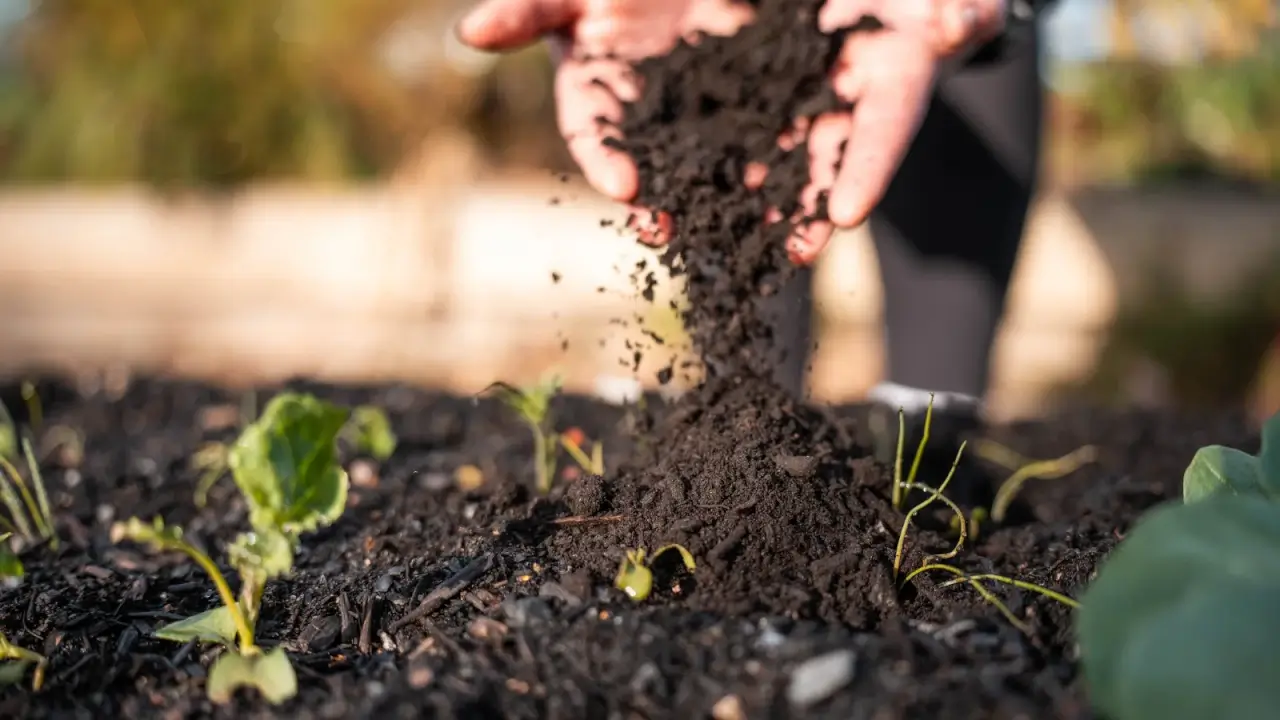
If your farm produces organic waste, consider a vermicompost system. By utilizing kitchen scraps and crop residues, you can turn waste into a high-nitrogen fertilizer. For those in colder regions, ensure your worm bins are insulated or brought indoors during the remaining cold snaps, as the worms require temperatures above 85°F to be optimally active.
4. Leaf Mold: Lessons from the Forest
Forest ecosystems are the masters of nutrient cycling. Leaf mold—the result of partially decayed deciduous leaves—is a potent amendment that mimics the natural forest floor. If your farm has access to woodlots, stop bagging leaves for waste removal. Instead, rake them into your beds. As they break down, they provide essential insulation and build the soil’s organic matter content over time.
Implications of Soil Imbalance: The Role of Fertilizers
While organic matter is the goal, there are instances where specific nutrient deficiencies must be addressed with fertilizers. However, this is where the professional farmer must exercise caution.

The Danger of Over-Amendment: A common mistake is the "more is better" approach to fertilization. Applying synthetic fertilizers without a recent soil test can result in nutrient lockout or toxic accumulation, which can take several seasons to remediate.
Official Recommendations:
- Always test: Never apply fertilizers based on assumptions.
- Use full-spectrum organics: If a test shows a general need for a boost, a light application of a full-spectrum, organic powdered fertilizer is generally safer and more sustainable than concentrated chemical inputs.
- Local sourcing: Whenever possible, source your amendments from local agricultural waste streams to reduce your carbon footprint and support the circular economy of your region.
Toward a Resilient Food System
The practice of amending soil in March is more than just a seasonal chore; it is an act of long-term stewardship. By focusing on the biological health of the soil—the microbiome, the physical structure, and the nutrient density—farmers are building a system that is inherently more resilient to pests, droughts, and climate fluctuations.

As you look across your fields this month, remember that every shovel-full of compost or layer of mulch is an investment in the future. Soil health is the single most important factor in the prosperity of any farm. By treating the soil as a living entity that requires care, rather than a factory floor that requires fuel, you ensure that your farm remains productive not just for this season, but for generations to come.
Actionable Takeaways for the Farmer
- Document your results: Keep a log of what amendments were applied and where. Compare these sections to untreated areas at the end of the harvest.
- Invest in testing: Make soil testing a routine part of your budget, not an occasional convenience.
- Engage the community: Share your excess compost or wood chips with neighbors. Often, the best agricultural solutions are found in cooperative community efforts.
The spring is coming. With the right preparation, your fields will be ready to meet it.



 Siti Muinah
