

 Ammar Sabilarrohman
 Ali Ikhwan
 Dwi Wanna
 Neng Nana
 Siti Muinah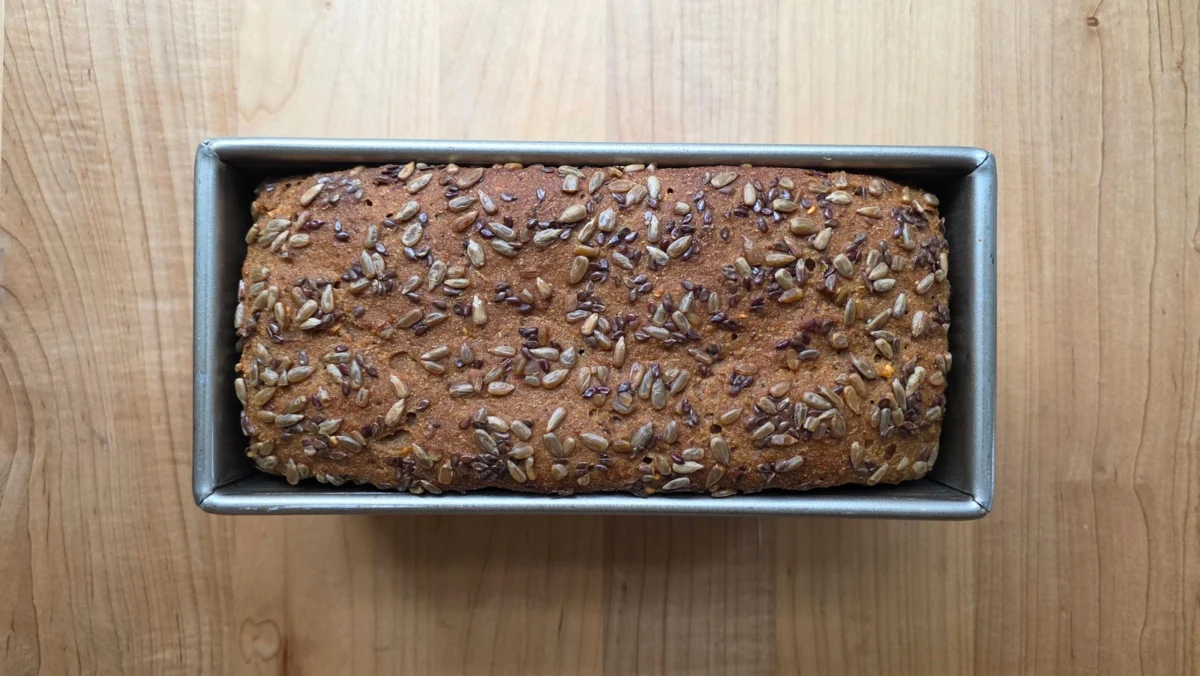
In the quiet, rolling outskirts of Vienna, the Öfferl Bakery has achieved something rare in the modern artisanal bread movement: they have successfully bridged the gap between ancient agricultural tradition and high-end culinary innovation. Their signature loaf, the Ulrich Urkorn—a name that translates to "Noble Ancient Grain"—has become a sensation, described by connoisseurs as "nutty, spicy, and remarkably juicy."
For home bakers, the allure of the Urkorn is not just in its flavor profile, but in its technical defiance of conventional sourdough dogma. A recent viral social media showcase of the bakery’s production process—revealing a remarkably wet, high-hydration dough being scooped and seeded with surgical precision—has sparked a global interest in reverse-engineering this Austrian masterpiece. This article explores the journey of bringing this complex, temperature-defying loaf into the home kitchen.
Main Facts: The Science Behind the Heat
The most striking feature of the Ulrich Urkorn recipe is its insistence on elevated temperatures. Standard sourdough wisdom dictates using cool or ambient water to maintain a stable, slow fermentation. However, the Öfferl method utilizes water at 42°C (107.6°F) for both the levain and the final dough.

Initially, many bakers dismiss these high-temperature requirements as errors or potential risks to the health of the sourdough culture. However, deeper analysis suggests a deliberate strategy. By pushing the temperature into the 100°F+ range, bakers can encourage specific strains of lactobacillus—the bacteria responsible for the sour tang in bread. Unlike cooler ferments, which produce acetic acid (a sharp, vinegar-like sourness), this warmer fermentation favors lactic acid production, resulting in the creamy, yogurt-like, and "juicy" profile that defines the Ulrich Urkorn.
Chronology: The Experimental Path
Recreating this bread requires a systematic approach. In a recent test kitchen series, the methodology was broken down into a three-stage timeline: the overnight levain, the hot scald, and the final high-hydration mix.
The Levain Stage (Overnight)
To mitigate the risk of damaging the sourdough starter, an experimental approach was taken by building two parallel levains: one at 75°F (the traditional standard) and one at 107°F (the Austrian method).

- The Findings: By morning, both had reached the target volume. However, the sensory differences were profound. The 107°F levain exhibited a distinct "lacto-sour" aroma, while the 75°F version remained predictably nutty and mild. The heat, it seems, acts as a catalyst for flavor complexity.
The Scald (One Hour Pre-Mix)
The "juicy" texture of the bread is not merely a result of hydration, but a result of gelatinization. By mixing a portion of the flour and grains with boiling water, the starch molecules swell and rupture. This "scald" allows the dough to hold significantly more water than would otherwise be possible. This process also releases natural sugars from the grains, providing a subtle sweetness that balances the lactic acidity of the sourdough.
The Final Dough
The final mixing stage requires a delicate balance of structure and moisture. Because the dough is intentionally "loose and sticky," traditional kneading is replaced by a folding technique that respects the delicate structure of the ancient grains. The inclusion of seeds—specifically ground flax to provide internal structure and whole seeds for the exterior crunch—is essential for achieving the Urkorn’s characteristic profile.
Supporting Data: Grain Inventory and Absorption
One of the primary challenges in replicating the Ulrich Urkorn is the specific selection of grains. In the Austrian original, ancient varieties like emmer are paramount. However, home bakers often must rely on their local inventory.

Technical observations indicate that while substituting grains like spelt for einkorn or khorasan for emmer is possible, the hydration levels must be adjusted accordingly. Ancient grains have varying protein structures and absorption rates. For example, buckwheat groats, if added directly to the dough, often fail to hydrate properly, resulting in a gritty, unpleasant crumb. The successful home-bake solution is to incorporate these grains into the "scald" stage, ensuring they are fully softened before they ever touch the final dough.
Official Perspectives: The Philosophy of "Urkorn"
The term "Urkorn" is more than a marketing buzzword; it represents a commitment to biodiversity. Öfferl Bakery’s philosophy centers on the idea that ancient grains are not just healthier or more flavorful—they are part of a regenerative ecosystem.
By utilizing these grains in a long-fermentation process, the bakery highlights the importance of the "microbial terroir." The high-temperature fermentation technique is not just a shortcut; it is a way to unlock the dormant flavors locked within the cellular walls of these unrefined, hearty grains. When asked about the "juiciness" of the bread, master bakers point to the structural integrity provided by the scald—a technique that ensures the bread stays fresh for days rather than hours.

Implications for the Home Baker
Bringing the Ulrich Urkorn into a domestic setting has three major implications for the amateur baker:
1. The Importance of Precision
The use of a high-quality, instant-read thermometer is non-negotiable. Achieving the 107°F mark requires a delicate dance of mixing hot and room-temperature water. A digital scale is equally vital, as the "loose and sticky" nature of the dough makes it prone to becoming unmanageable if the flour-to-water ratios are not strictly adhered to.
2. Equipment Upgrades
While a standard Dutch oven can produce a fine loaf, the Urkorn is best suited for a Pullman pan. This style of pan forces the dough to rise vertically and creates a consistent, uniform crumb structure that is essential for such a high-hydration, dense dough. It also protects the delicate, seeded crust during the initial phase of the bake.

3. Embracing the "Mess"
Perhaps the most significant hurdle for the home baker is the psychological barrier of working with a very wet dough. The Öfferl process proves that we should not fear the stickiness. The "messy" nature of the dough is a hallmark of high-quality, high-hydration bread. Embracing this—using wet hands and proper proofing vessels—is the only way to achieve the airy yet moist crumb that defines the Ulrich Urkorn.
Conclusion: A New Standard for Home Sourdough
The Ulrich Urkorn project serves as a reminder that the world of sourdough is far from stagnant. By challenging standard temperature conventions and incorporating traditional techniques like the scald, home bakers can elevate their craft to a professional standard.
Whether you are a seasoned sourdough enthusiast or a curious beginner, the lessons from the Öfferl Bakery provide a roadmap for innovation. It is a process that requires patience, a tolerance for high-hydration dough, and a willingness to embrace the science of heat. As you experiment with your own grain inventory and seed preferences, you will find that the Urkorn is not just a recipe—it is a foundation for endless culinary exploration.

The next time you pull a loaf of this "Hot and Complex" sourdough from your oven, you will be tasting the culmination of ancient grain tradition, precision engineering, and the unmistakable, yogurt-like tang that can only be born from a perfectly managed, warm fermentation.


 Nana Muazin
 Evan Lee Salim
