
 Raul Delapena Setiawan
 Ammar Sabilarrohman
 Lina Irawan
 Suro Senen
 Lina Hope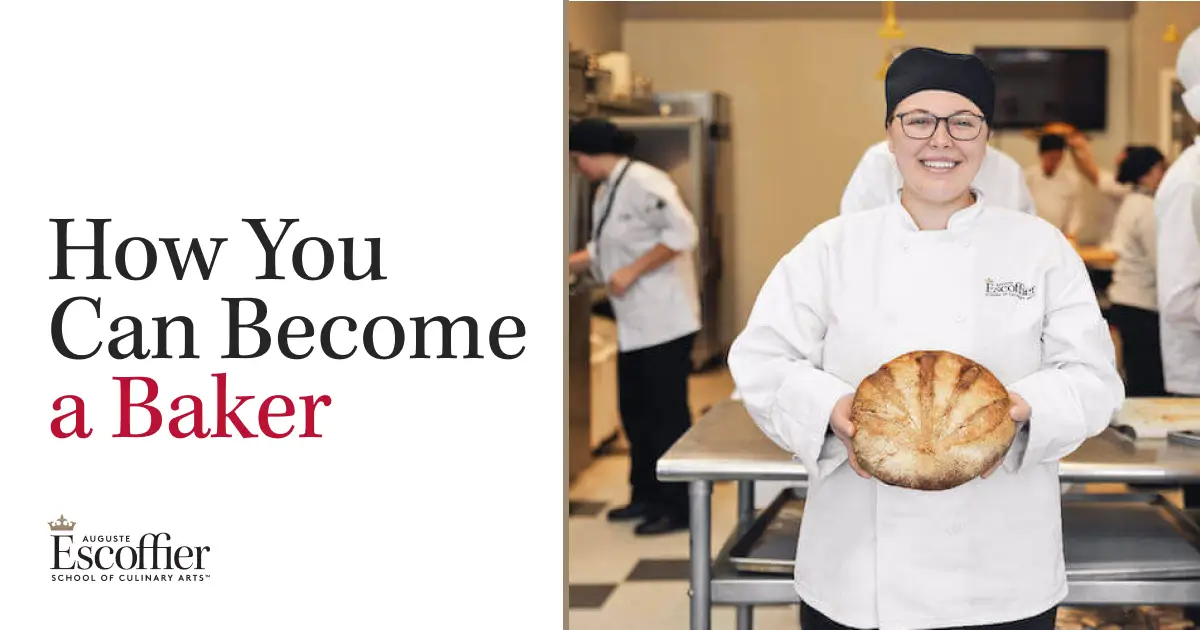
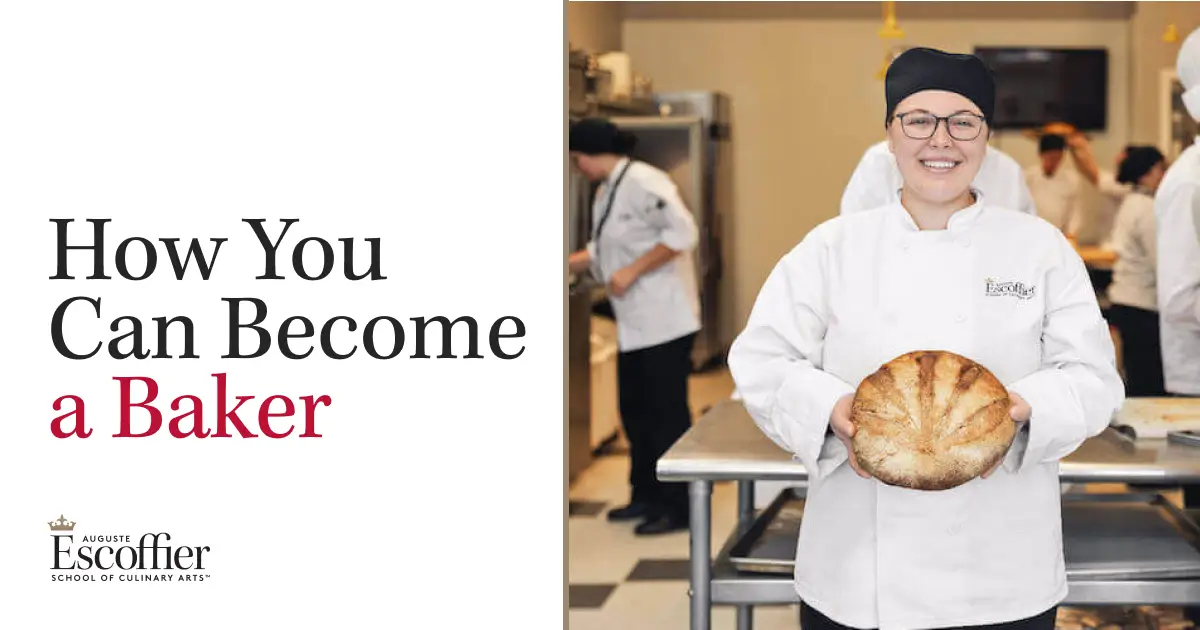
The life of a professional baker is a daily choreography of precision, stamina, and sensory intuition. It is a profession where chemistry meets artistry, requiring a deep, almost visceral understanding of how temperature, humidity, and timing transform simple ingredients—flour, water, yeast, and salt—into the foundation of our culinary culture. While many begin their journey in the comfort of a home kitchen, the transition to a professional environment reveals a world defined by exacting standards, high-volume production, and the pursuit of perfect consistency.
The Professional Reality: Beyond the Home Kitchen
For the casual home baker, success is measured by the delight of friends and family. For the professional, success is measured by the bottom line and the ability to replicate that success hundreds of times a day. Joy Wilson, founder of Joy the Baker, notes that while home experience provides a vital spark, the professional kitchen demands a radical shift in mindset. "Working in a bakery is different," Wilson observes. The variables are no longer just about personal taste; they are about maintaining a standard that remains identical regardless of fluctuating kitchen temperatures or the stress of a holiday rush.
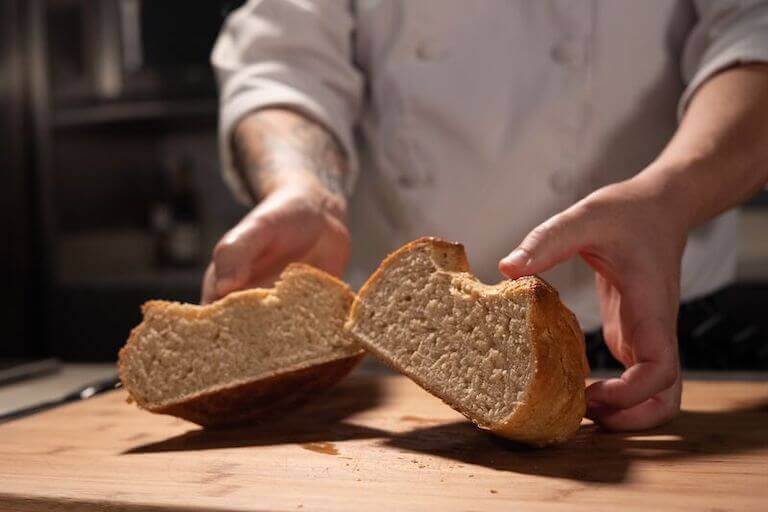
In a commercial setting, a baker’s "intuition" is honed by experience. It is the ability to feel the hydration of a sourdough starter, to read the mahogany hue of a crust to judge the Maillard reaction, and to know exactly when a proofing loaf has hit its peak window for the oven. This is not merely cooking; it is industrial-scale engineering applied to organic materials.
A Chronology of the Craft: From Novice to Master
Becoming a professional baker is rarely a linear path, but it generally follows a trajectory of education, apprenticeship, and specialized growth.
The Foundational Phase
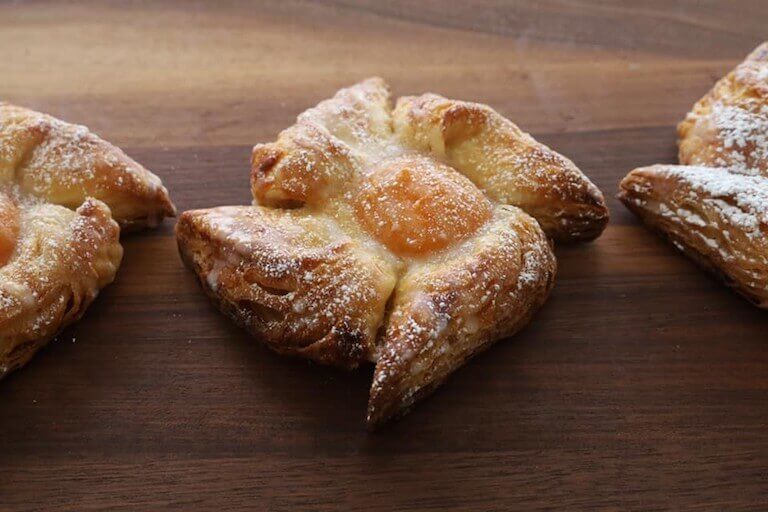
Most prospective bakers begin by mastering the vocabulary of the craft. Essential terms like mise en place—the meticulous preparation of tools and ingredients—become second nature. Skills such as laminating (the process of folding butter into dough to create the delicate layers of a croissant), scoring (the precise cuts made to control bread expansion), and tempering (the careful thermal management of sensitive ingredients like chocolate or eggs) form the bedrock of a baker’s repertoire.
The Educational Leap
While on-the-job training is a traditional route, formal education through institutions like the Escoffier School of Culinary Arts has become increasingly favored. A structured curriculum, which can range from 30 to 60 weeks, provides the scientific background missing in casual practice. Students don’t just learn "how" to bake; they learn "why." Understanding the biology of fermentation and the chemistry of gluten development allows graduates to troubleshoot in real-time, an essential trait in a fast-paced professional kitchen.
The Entry-Level Reality
The first professional role—often as an apprentice or assistant—is a test of endurance. These roles are characterized by long hours, early morning shifts, and physically demanding labor. The work involves everything from heavy lifting and cleaning to repetitive tasks that build muscle memory. As Jennifer Relph, a cottage industry veteran, notes, the physical toll is real. "The thing that was probably the hardest was the toll that it takes on your body when you’re standing for that long." Successful bakers often use this time to observe the rhythm of the head baker, learning how to manage the flow of a kitchen under pressure.
Supporting Data: The Market for Professionals
The career outlook for bakers remains robust. According to the U.S. Bureau of Labor Statistics (BLS), the market for bakers is expected to grow by 6% between 2024 and 2034, a rate faster than the national average for all occupations. This growth is driven by a sustained consumer demand for high-quality, artisanal baked goods and the constant replacement of workers retiring from the field.
The BLS projects approximately 39,900 job openings annually over the next decade. Salary expectations vary based on the level of responsibility and specialization:
- Entry-level Baker: Median annual wage of approximately $34,950.
- Head Baker: Median annual wage of $53,543, with top earners reaching upwards of $70,000.
- Specialized Roles (e.g., Wedding Cake Designer): Can command significantly higher earnings, with averages reported near $85,000, though this is heavily dependent on regional markets and individual brand reputation.
Official Perspectives: The Value of Certification
As a baker advances, credibility becomes a form of currency. The Retail Bakers of America (RBA) provides a tiered certification system that serves as a benchmark for excellence.
Escoffier Chef Instructor and Certified Master Baker Colette Christian highlights the importance of these credentials. Recounting her own 16-hour practical exam, Christian emphasizes that the industry requires perfection under pressure. "It’s not like you present them with four Danishes. You present 32, and they weigh every single one of them. You can’t be off." For Christian, certifications are not just about ego; they are about ensuring the baker is "undeniable" in their expertise. Pursuing a "Certified Master Baker" status requires over 10 years of professional experience, signifying a transition from a technician to a mentor and manager.
The Implications of the Profession
Choosing a career in baking has profound implications for one’s lifestyle and identity.
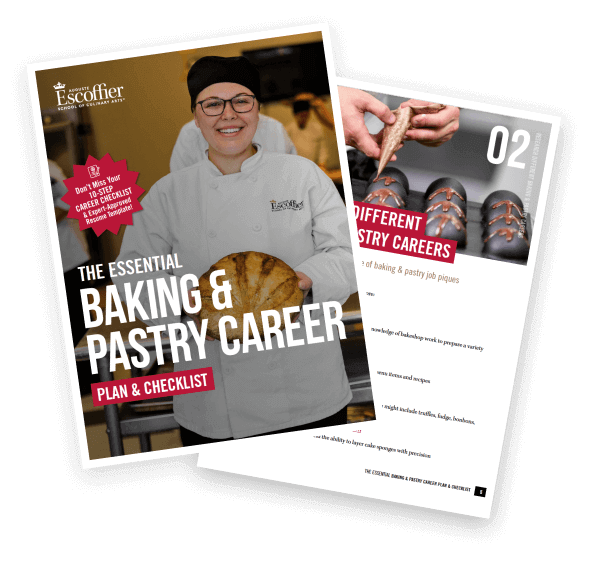
The Lifestyle Shift
The "3 a.m. start" is a cliché for a reason—it is the reality of the industry. Bread must be fresh, and pastries must be ready for the morning rush. For those who are not early risers, this can be a significant hurdle. However, for many, this schedule offers a unique rhythm. The quiet, pre-dawn hours in the kitchen can be meditative, allowing the baker to focus entirely on the dough without the distractions of the outside world.
The Business of Baking
A common pitfall for aspiring bakers is focusing solely on the product while ignoring the business. Professional training now includes critical modules on cost control, inventory management, and menu engineering. A baker who cannot calculate the cost of a gram of flour or the overhead of their oven usage will struggle to keep their business afloat. Understanding the financial mechanics of the industry is what separates the hobbyist from the entrepreneur.
The Distinction: Baker vs. Pastry Chef
It is essential for newcomers to understand the divergence in career paths.
- The Baker: Focuses on bread, rolls, and savory-leaning baked goods. Their work is often tied to the morning cycle and requires a deep understanding of fermentation and large-batch production.
- The Pastry Chef: Operates in a broader, more artistic domain. This includes plated desserts, complex chocolate work, sugar sculpting, and delicate French pastries.
While these paths often cross, the distinction is vital when choosing an educational path or a first job. The baker thrives on the repetition and rhythm of the production line; the pastry chef thrives on the detail-oriented complexity of the dessert menu.
Conclusion: Rising to the Challenge
The path to becoming a professional baker is a blend of rigorous discipline and creative passion. It is a field that offers both stability and the potential for high-level artistic expression. Whether one aims to lead a commercial kitchen, specialize in high-end cake design, or launch a boutique cottage bakery, the journey begins with a commitment to the fundamentals.
As the industry continues to grow and demand for artisanal quality rises, the professional baker stands as a vital figure in the culinary landscape. For those willing to put in the hours, master the science, and hone their physical stamina, the rewards—both in terms of career longevity and the satisfaction of feeding others—are substantial. The oven is preheated, the ingredients are measured, and the industry is waiting for the next generation of masters to take their place at the bench.

 Evan Lee Salim