 Dwi Wanna
 Nana Wu
 Muslim
 Reynand Wu
 Ammar Sabilarrohman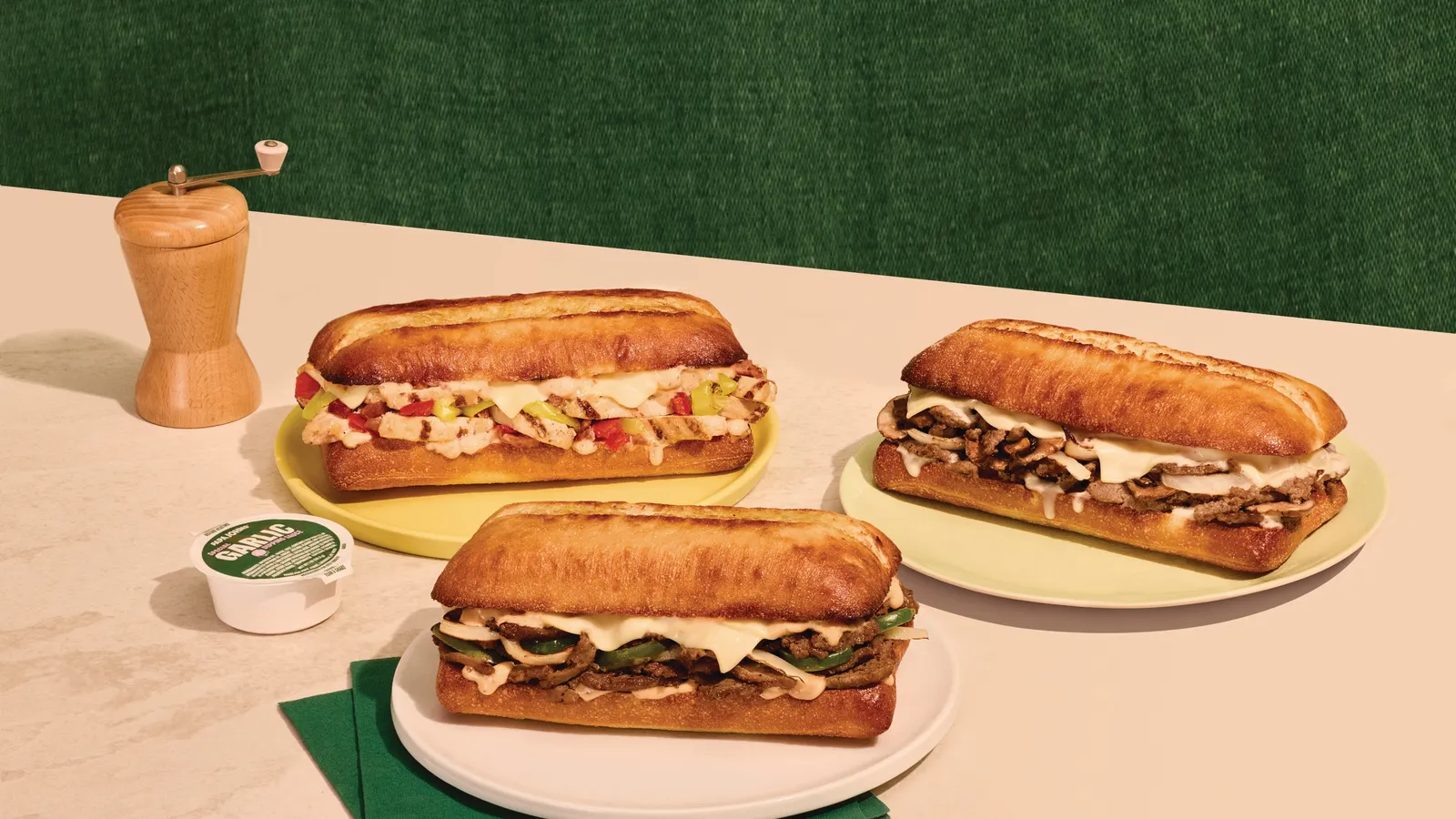
The American restaurant landscape is undergoing a profound structural metamorphosis. Faced with heightened consumer price sensitivity, a saturated market, and the total erosion of traditional dining "dayparts," major quick-service restaurant (QSR) and fast-casual brands are no longer relying on their core legacy offerings to drive growth. Instead, they are engaging in an aggressive battle for market share by diversifying their menus with snacks, specialized beverages, and unconventional handheld items.
David Portalatin, senior vice president and industry advisor for food and foodservice at Circana, characterizes the current environment as a "battle for market share" within a mature, structurally flat industry. "We have more restaurants today than we had in 2019, yet we still have about 8% less traffic than we had in 2019," Portalatin noted. "We haven’t discovered new population cohorts that have never eaten out before—that doesn’t exist."
This sobering reality has forced a strategic pivot: if chains cannot attract new customers, they must find ways to entice existing customers to visit more often, order more items, or visit during times of the day they previously ignored.
The Chronology of Diversification
The current push toward radical menu innovation did not happen in a vacuum. It is the result of a multi-year trend that accelerated following the post-pandemic recovery.
- 2023: The movement began in earnest as chains like Smoothie King introduced smoothie bowls, and McDonald’s launched its experimental CosMc’s concept to test the viability of a high-margin, beverage-forward menu.
- 2024: Industry leaders began addressing the "snack-drink" daypart gap. Papa Johns underwent leadership changes, with Todd Penegor taking the helm to stabilize a brand struggling with a shift toward smaller, less premium pizza orders.
- Early 2025: Sweetgreen attempted to balance its premium image with operational efficiency, experimenting with new items like "Ripple Fries," though finding that complexity could be a fatal flaw.
- 2026 (Year to Date): The strategy has moved from pilot programs to full-scale national rollouts. From Panera’s Salad Stuffers to McDonald’s national deployment of premium refreshers, the industry is betting its future on the "unconventional" to spark traffic.
Supporting Data: Why Innovation is No Longer Optional
The urgency behind these changes is rooted in stark financial performance metrics. For many brands, the core menu is no longer sufficient to keep pace with rising labor and supply chain costs.
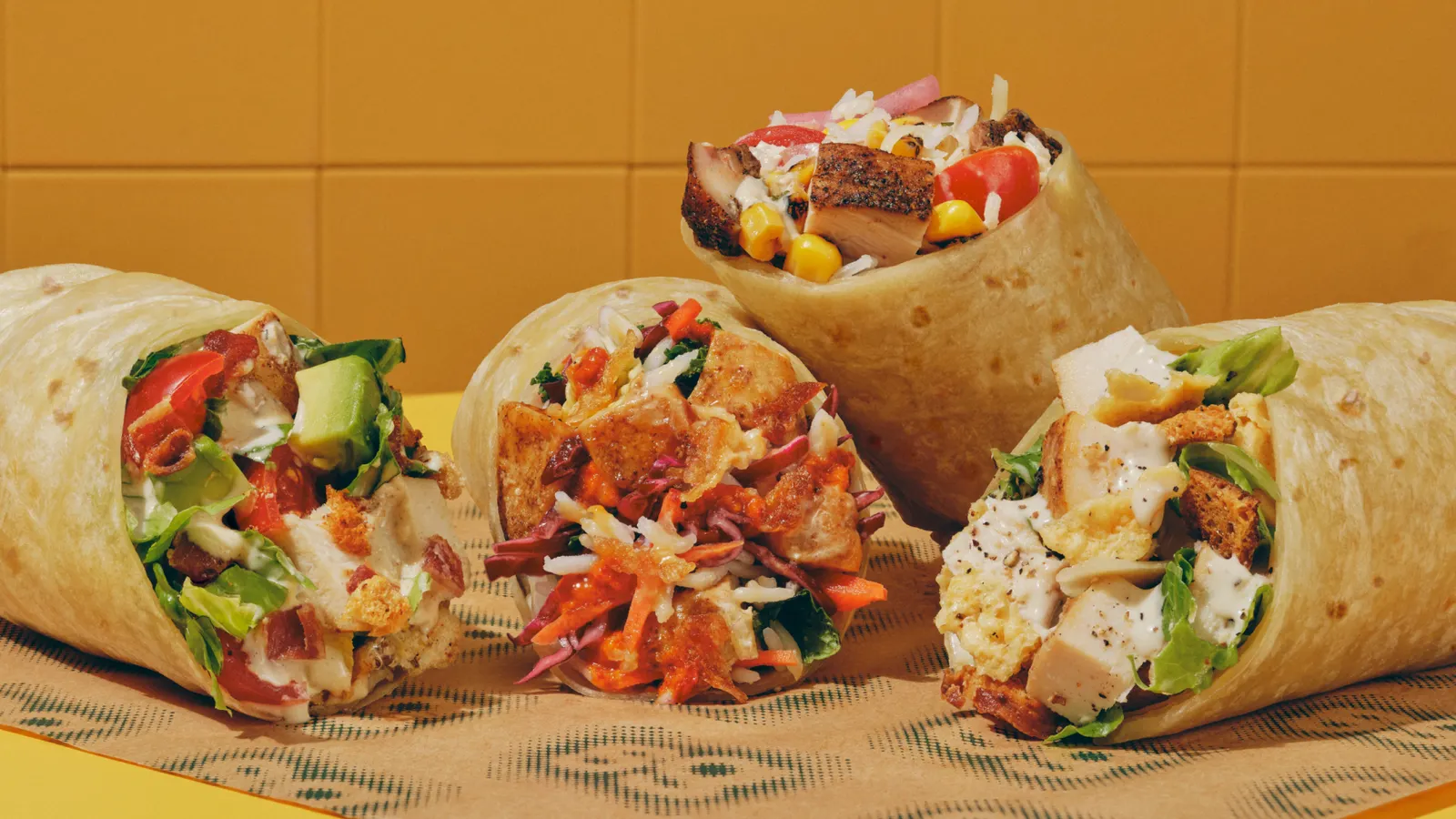
- Sweetgreen’s Wake-Up Call: The brand posted a staggering 12.8% decline in same-store sales in the first quarter of 2026. This plummet necessitated a bold move: the national launch of a $12.50 handheld wrap platform designed to provide a more portable, accessible entry point for busy professionals.
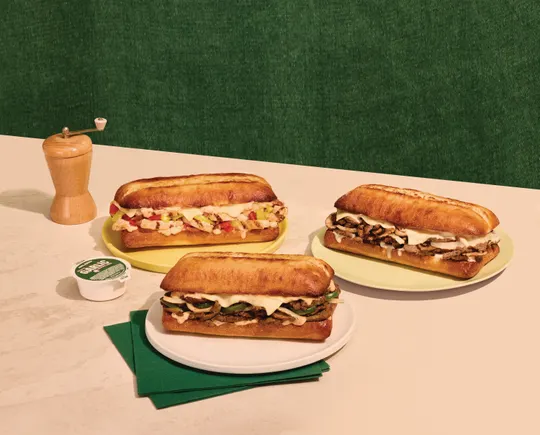
- Papa Johns’ Tactical Shift: With customers trading down to smaller, less expensive pizzas, Papa Johns replaced its previous innovations (Papadias and Papa Bites) with "Oven Toasted Subs." Early results have been positive, with the sandwiches successfully driving cross-daypart traffic without significantly complicating the kitchen makeline.
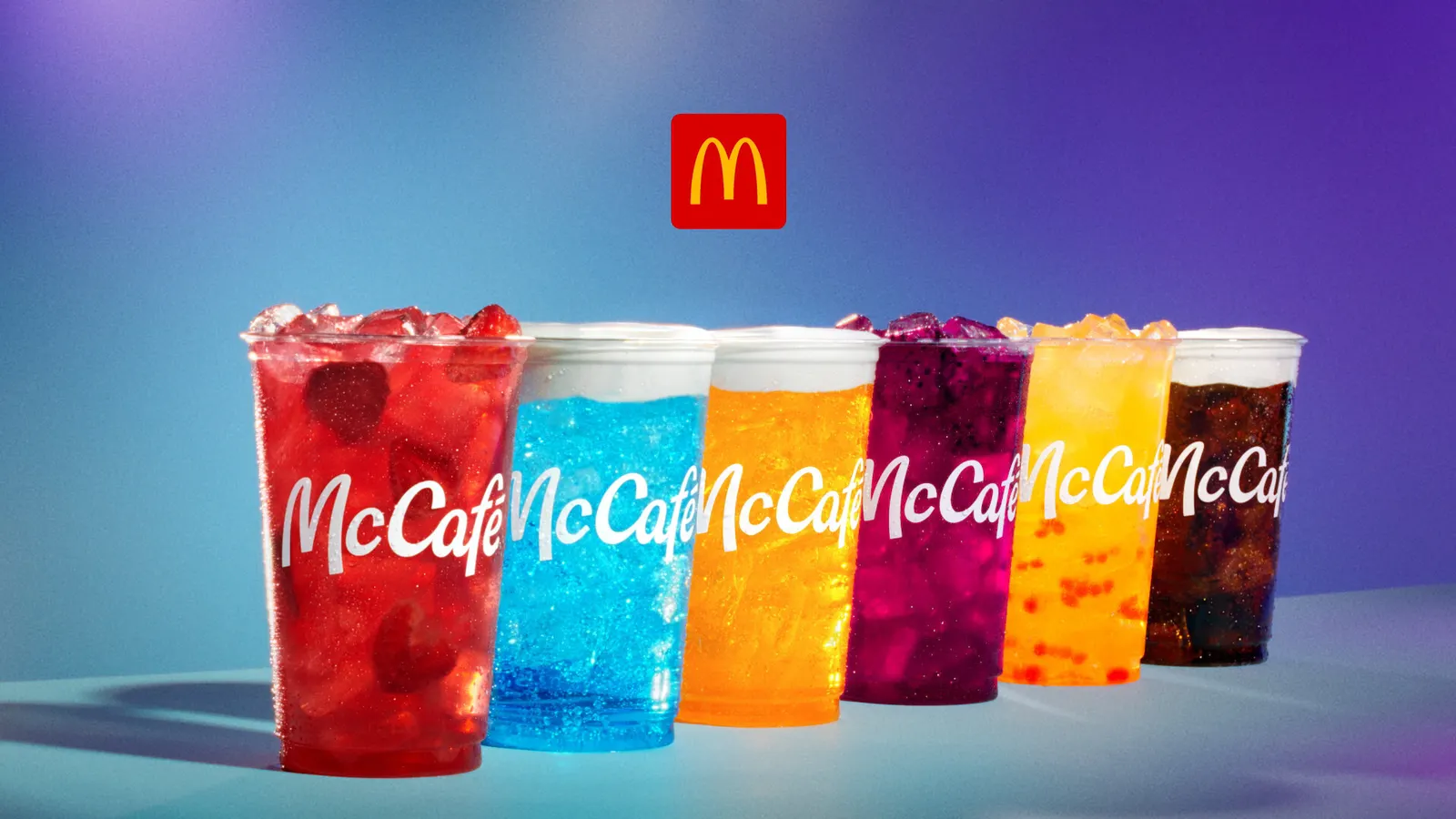
- The McDonald’s Effect: Data from McDonald’s Q4 2025 earnings call suggested that premium beverages were not merely "add-ons," but drivers of "incremental occasions." By creating a dedicated "beverage specialist" role, the chain is signaling that drinks are now a primary revenue pillar, not just a side to a burger.
Case Studies: Five Brands Reimagining the Menu
1. Papa Johns: The Submarine Strategy
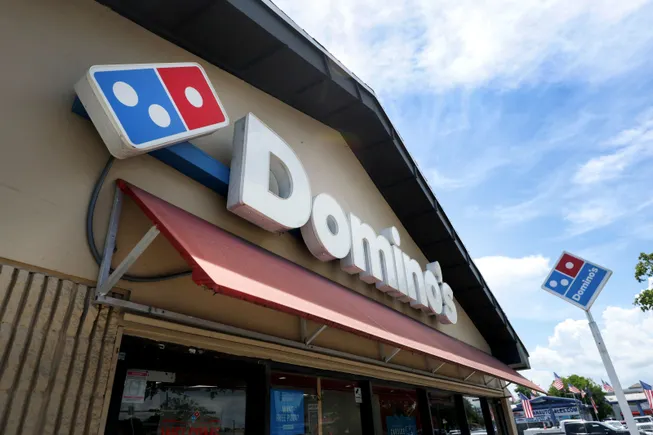
Papa Johns’ pivot to Oven Toasted Subs represents a defensive play in a highly competitive pizza market dominated by Domino’s. By offering a high-quality, hot-toasted alternative to pizza, the brand is attempting to capture the lunch and late-night crowd that may not want an entire pie. CEO Todd Penegor has highlighted that these sandwiches have exceeded the sales performance of their predecessors, signaling a successful realignment of their value proposition.
2. Sweetgreen: The Handheld Transformation
Sweetgreen’s nationwide wrap rollout represents a departure from its "bowl-centric" identity. Developing a proprietary tortilla that could withstand the moisture of their fresh ingredients was a multi-year engineering challenge. By pricing these items under $15, Sweetgreen is attempting to capture a segment of the market that prioritizes convenience and portability, essential for attracting the return-to-office crowd.
3. Smoothie King: Beyond the Blender
Smoothie King is undergoing a comprehensive brand evolution. By installing ovens in locations nationwide to facilitate the sale of flatbreads and high-protein items, the brand is transforming from a beverage-only shop into a destination for a full, health-conscious meal. This move is designed to maximize the "check size" per visitor.
4. McDonald’s: The Beverage Specialist
McDonald’s has effectively institutionalized the lessons learned from its short-lived CosMc’s experiment. The rollout of dirty sodas and refreshers is a calculated play to capture the "afternoon slump" traffic. By investing in specialized equipment and new staff roles, the company is insulating itself from the encroachment of dedicated boutique beverage chains.
5. Panera Bread: The Innovation of Utility
Panera’s "Salad Stuffers" is perhaps the most creative example of menu engineering. By designing a specialized roll that holds a salad, Panera has solved the "soggy bread" problem that historically plagued handheld salad concepts. It is a quintessential example of "utility innovation"—using food science to solve a consumer pain point while simultaneously creating a new, shareable, and Instagrammable product.
Implications for the Industry
The shift toward diversified, high-innovation menus has significant implications for the future of the restaurant industry:
Operational Complexity vs. Revenue Growth
The biggest risk to this strategy is operational bloat. As evidenced by Sweetgreen’s failed "Ripple Fries" initiative, adding items that require specialized equipment or complicated assembly can slow down throughput and increase labor costs. Successful chains are those that, like Papa Johns, ensure new items do not "complicate the makeline."
The "Value" Perception
While these items are often sold as "premium," they represent a form of value to the consumer. A $12.50 wrap from Sweetgreen is a cheaper alternative to a full salad-and-drink combo, and a $5 sub from Papa Johns is an affordable lunch. Brands are learning that "value" is no longer just about the lowest price—it is about providing a high-quality product that fits into the fragmented lives of modern consumers.
The Death of the Core-Only Strategy
Moving forward, it is unlikely that any major chain will survive by relying exclusively on its traditional "core" menu. The data suggests that consumers now view restaurants as "occasion-agnostic." Whether it is a late-night snack, a mid-afternoon beverage, or a quick handheld lunch, brands must be prepared to satisfy these micro-moments.
Conclusion
The era of the "one-trick pony" restaurant chain is effectively over. As the industry grapples with flat traffic and fierce competition for every dollar, the winners will be those that can successfully balance culinary innovation with operational simplicity. By looking beyond their traditional offerings, these five brands are not just changing their menus; they are fighting to remain relevant in a world where the consumer’s appetite is as fragmented as the market itself. The coming year will likely see more, not fewer, of these experimental launches as chains continue to iterate on what it means to be a modern food destination.

 Lina Irawan
 Evan Lee Salim