

 Raul Delapena Setiawan
 Ammar Sabilarrohman
 Lina Irawan
 Suro Senen
 Siti Muinah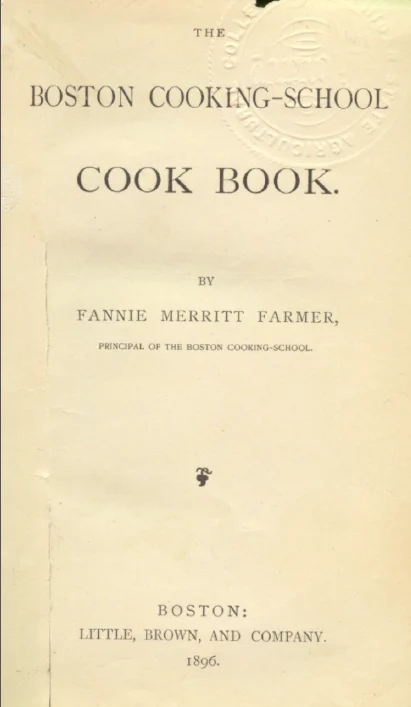
For many, cooking is a utilitarian act—a repetitive, daily chore performed to satisfy the physiological necessity of hunger. In an era defined by rapid pace and instant gratification, the average kitchen experience is often reduced to the quickest possible route from raw ingredient to consumption. However, there exists a profound divide between mere sustenance and the transformative power of the culinary arts. When food preparation transcends the mundane and enters the realm of professional craftsmanship, it becomes a sophisticated discipline—a work of art aimed at sensory delight and salivary satisfaction.
The culinary arts encompass a sprawling, multifaceted industry. It is a field where chemistry, artistry, business acumen, and physical stamina converge. Modern chefs are no longer simply "cooks" who prepare meals; they are menu architects, kitchen managers, inventory strategists, and team leaders. As the global appreciation for fine dining continues to mature, the path to becoming a culinary professional has shifted from a haphazard apprentice system to a structured, rigorous, and highly competitive academic and vocational journey.
A Historical Retrospective: From Apprenticeships to Academics
The history of culinary education is a narrative of transition—moving from the secretive, gatekept environments of old-world kitchens to the transparent, standardized classrooms of the modern era.
The Dawn of Formal Instruction
Long before the existence of dedicated culinary colleges, the secrets of the trade were passed down through the informal master-apprentice model. Young cooks would toil for years in the shadow of a master, absorbing technique through observation and repetition. This changed in the late 19th century with the birth of the Boston Cooking School. This institution stood as a pioneer, proving that cooking was a science that could be taught in a classroom.
Fannie Farmer, a name now synonymous with American culinary history, revolutionized the field upon taking the helm of the Boston Cooking School in 1877. Her 1896 publication, The Boston Cooking School Cookbook, was a watershed moment. Before Farmer, recipes were vague, relying on "a pinch of this" or "a dash of that." Farmer introduced the concept of standardized, exact measurements. This shift toward precision laid the bedrock for all professional culinary instructional materials that followed.
The Professionalization of the Craft
The early 20th century saw the need for professional solidarity. In 1929, the American Culinary Federation (ACF) was formed to act as an intermediary for students and a standard-bearer for the profession. This organization brought together disparate groups, including the United States Chef Club, to foster a culture of certification and excellence.
The post-war economic boom in the United States acted as a catalyst for the culinary arts. With disposable income rising and an emerging interest in the cultural nuances of food, the demand for trained professionals skyrocketed. In 1946, the legendary James Beard brought the culinary arts to the television screen, demystifying gourmet cooking for the American public and further fueling the desire for professional training. This era birthed the iconic brick-and-mortar institutions that define the field today, such as the Culinary Institute of America (CIA), which opened in 1946 in New Haven before finding its permanent home in Hyde Park, New York.
Culinary Education: The Modern Landscape
Today, the aspiring culinarian faces a wealth of educational pathways, each tailored to different career goals and learning styles. The landscape is no longer limited to one-size-fits-all training; it is a diverse ecosystem of universities, community colleges, technical schools, and direct-entry apprenticeship programs.
The Academic Path
Formal degree programs at four-year universities or specialized culinary institutes offer a holistic approach. These programs go far beyond the stove. Students are immersed in:
- Menu Engineering: Understanding the psychological and financial aspects of dish placement and pricing.
- Food Safety and Sanitation: Managing the critical legal and health mandates of a commercial kitchen.
- Logistics and Purchasing: Mastering the delicate balance of supply chains, inventory turnover, and cost control.
The Apprenticeship Model
For those who prefer a hands-on approach, the apprenticeship remains the gold standard. Organizations like the ACF continue to accredit hundreds of training programs nationwide, allowing students to earn a wage while learning the ropes under the tutelage of seasoned professionals. These programs, which typically last two years, bridge the gap between theoretical knowledge and the high-pressure environment of a working kitchen.
Furthermore, the military remains a significant incubator for culinary talent. Armed forces cooks receive rigorous training that emphasizes discipline, efficiency, and the ability to operate in austere conditions—traits that translate seamlessly to high-end restaurant environments.
Essential Competencies: What Makes a Chef?
The industry is often romanticized, yet it demands a specific, rare combination of traits. Prospective students often arrive with a passion for flavor, but they must possess the tenacity to endure the grueling nature of the profession.
- Manual Dexterity and Stamina: The kitchen is a physical environment. Success requires long hours on one’s feet and the ability to execute precise movements under extreme time pressure.
- Sensory Acuity: A keen sense of smell and taste is the non-negotiable toolkit of the professional chef.
- Leadership and Time Management: In a busy kitchen, a chef is a commander. Coordinating multiple stations, ensuring timing across dishes, and managing a staff requires the poise of a conductor.
- Creative Versatility: While technique is the foundation, creativity is the differentiator. The ability to innovate while maintaining the financial health of the business is what separates a line cook from an executive chef.
Implications for the Future of Food
The culinary arts have become a cornerstone of global culture, and the implications of this professionalization are far-reaching. As culinary education becomes more accessible, the industry is seeing a higher standard of food quality across all price points.
Economic Impact
The restaurant industry remains one of the largest employers globally. As schools like Johnson and Wales and the CIA produce highly skilled graduates, the hospitality sector benefits from increased productivity, lower food waste through better management, and improved public health outcomes through strictly enforced sanitation standards.
The Rise of the "Culinary Entrepreneur"
We are currently witnessing a shift where the culinary arts are treated with the same academic gravity as engineering or business. Modern chefs are increasingly viewed as entrepreneurs. The ability to manage costs, understand consumer trends, and leverage digital media has become just as important as the ability to master a classic French sauce. The integration of technology—from precision temperature control (sous-vide) to sophisticated inventory management software—has turned the modern kitchen into a high-tech lab.
Challenges and Sustainability
Despite the growth, the industry faces significant challenges. The "grind" of the kitchen, characterized by high-stress environments and historically long hours, is being re-evaluated. Modern educational institutions are placing a greater emphasis on the mental health of culinary professionals and the sustainability of the industry. There is a concerted push toward sourcing local ingredients, reducing food waste, and creating more equitable work environments.
Conclusion: A Discipline of Lifelong Learning
The culinary arts have evolved from a craft learned in the dark corners of busy kitchens to a respected, globally recognized discipline. Whether through a traditional four-year degree or the time-honored tradition of an apprenticeship, the path to culinary mastery is a lifelong commitment.
As we look to the future, the role of the chef will continue to expand. They are not merely tasked with feeding the public; they are tasked with shaping the way we understand nutrition, culture, and sustainability. For the student entering this field today, the possibilities are vast. The combination of historical technique and modern, data-driven management creates a professional landscape where innovation is the only constant. The culinary arts remain, at their core, a testament to human ingenuity—a field that manages to satisfy the most basic of human needs while simultaneously reaching for the highest levels of artistic expression.



 Evan Lee Salim