 Dwi Wanna
 Nana Wu
 Muslim
 Reynand Wu
 Ammar Sabilarrohman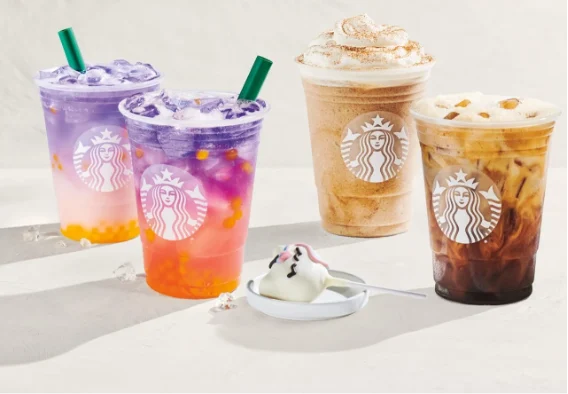
The beverage industry is undergoing a seismic shift. No longer defined by brand loyalty or the traditional "morning coffee" ritual, the current consumer landscape is being reshaped by the nuanced, multifaceted demands of Generation Z and Generation Alpha. According to the Keurig Dr Pepper State of Beverages 2026 Trend Report, younger demographics are increasingly treating their beverage choices as a form of self-expression, blending functional health benefits with emotional gratification.
As major industry players like Starbucks, McDonald’s, and Dunkin’ pivot their spring and summer strategies to accommodate these trends, the industry is witnessing a move away from monolithic product lines toward a more fragmented, experimental, and personalized consumption model.
Main Facts: The New Consumption Paradigm
The central finding of the 2026 report is that younger consumers—defined as Gen Z and the emerging Gen Alpha—no longer view their daily beverage intake as a static habit. Instead, they treat beverages as "liquid assets" that must perform multiple roles: hydration, energy optimization, mood elevation, and social signaling.
For these demographics, a beverage is a "third space" in a cup. It is a tool for productivity during work or study sessions, a reward mechanism for emotional regulation, and a physical manifestation of personal identity. The trend report highlights that the "go-to" drink is a relic of the past; today’s consumers rotate through a diverse portfolio of flavors and categories, ranging from botanical-infused sparkling waters to high-caffeine functional shots and artisanal plant-based lattes.
Key drivers of this behavior include:
- The "Feel-Good" Factor: Consumers are increasingly prioritizing ingredients that offer cognitive support, such as adaptogens, nootropics, and clean-label caffeine.
- Flavor Exploration: The appetite for novelty is at an all-time high. Younger drinkers are constantly seeking "Instagrammable" color profiles, complex flavor layering (e.g., spicy-sweet or savory-floral), and limited-edition seasonal releases.
- Identity Signaling: For nearly 60% of Gen A/Z, the brand and the type of drink they hold are reflections of their personal brand and values, influencing their purchasing decisions as much as the taste itself.
Chronology: The Road to the 2026 Shift
To understand how we reached this point, it is necessary to examine the evolution of the beverage market over the last five years:
- 2021–2022 (The Wellness Boom): Following the global health crisis, consumers began prioritizing functional immunity and gut health, leading to the rapid rise of kombuchas, prebiotic sodas, and vitamin-enhanced waters.
- 2023–2024 (The Customization Era): Mobile ordering apps and social media trends (like the "TikTok coffee" phenomenon) forced QSRs (Quick Service Restaurants) to offer near-infinite customization. The consumer moved from being a passive purchaser to a "co-creator" of their drinks.
- 2025 (The Sensory Experience): The focus shifted toward sensory experiences—textures, visual appeal, and the "unboxing" or "sipping" experience that plays well on short-form video platforms.
- 2026 (The Current State): The integration of AI-driven flavor forecasting and personalized nutrition has brought us to the current moment, where beverage companies are deploying hyper-seasonal, culturally relevant menus to capture market share from a notoriously fickle demographic.
Supporting Data: By the Numbers
The Keurig Dr Pepper State of Beverages 2026 Trend Report provides a sobering look at how drastically the market has fractured.
- Brand Loyalty Erosion: Younger consumers are twice as likely as older generations to switch brands based on a specific, unique product drop or a social media trend.
- Category Agnosticism: Data indicates that the average consumer under the age of 30 consumes at least four different categories of beverages (e.g., energy, coffee, sparkling water, and functional tea) within a 48-hour window.
- The "Identity" Metric: Nearly 60% of respondents explicitly stated that their drink choice acts as an extension of their personality. This correlates with high spending on premium-tier, "aesthetic" beverages that serve as accessories.
- The Seasonal Surge: QSRs that successfully align their spring and summer launches with pop-culture trends report a 22% increase in foot traffic among the 18–29 age bracket compared to those maintaining static menus.
Official Responses: Insights from Industry Leaders
Katie Webb, Senior Vice President of Marketing Transformation, Innovation & Insights at Keurig Dr Pepper, emphasizes that the industry must stop trying to pigeonhole consumers into specific habits.
"Younger consumers don’t think in terms of a single ‘go to’ drink anymore," Webb noted in the report. "They are in a state of constant exploration. They are looking for the ‘and’—a drink that is both functional and tastes like a treat. Our task as an industry is to provide a portfolio that can pivot with them throughout the day."
This sentiment is mirrored in the strategies of retail giants. Starbucks has responded by increasing the velocity of their "seasonal flavor drops," moving from quarterly to monthly updates to maintain relevance. Similarly, McDonald’s has utilized its McCafé division to test unconventional, trend-based flavor pairings, such as iced beverages that combine fruit-forward profiles with traditional caffeine bases, effectively bridging the gap between a snack and a stimulant.
Dunkin’, which has long relied on its identity as a morning staple, has pivoted its marketing toward the afternoon slump, positioning itself as a "feel-good" destination with its cold-foam-heavy, visually striking seasonal offerings.
Implications: The Future of the Beverage Industry
The implications of these findings are profound for every stakeholder in the food and beverage ecosystem, from manufacturers to retailers.
1. The Death of the "Core Menu"
For decades, the standard menu was the backbone of profitability. However, the data suggests that for the Gen A/Z cohort, a static menu is a sign of a stagnant brand. We are likely to see a shift toward "modular menus," where base ingredients are fixed, but flavor-shot profiles, textures (foams, jellies, pearls), and functional additives are rotated on a bi-weekly basis to drive repeat engagement.
2. Marketing as Curation
Marketing is no longer just about promoting a product; it is about curating a lifestyle. Brands that succeed in the coming years will be those that align with the values of their audience. This includes sustainability in packaging, transparent sourcing of ingredients, and alignment with digital subcultures. If a beverage doesn’t look good on a social feed, its reach is effectively halved.
3. The Functionality Arms Race
The line between a beverage and a supplement continues to blur. We are moving toward a future where "functional hydration" is the baseline expectation. Companies that fail to incorporate mental-clarity ingredients, mood-regulating botanicals, or digestion-aiding compounds will find themselves relegated to the "commodity" category, where price competition is the only lever left to pull.
4. Hyper-Personalization
The rise of AI in the food service industry will allow for hyper-personalization. Future kiosks or apps may suggest drinks based on a user’s historical consumption, time of day, weather patterns, and even their current wellness goals (e.g., "You’ve had a high-caffeine day; here is a soothing, magnesium-infused lavender tea to help you wind down").
Conclusion: Adapting to the Liquid Future
The Keurig Dr Pepper State of Beverages 2026 Trend Report serves as a clarion call for the industry. The era of the "one-size-fits-all" beverage is over. To capture the loyalty of the next generation, brands must be as fluid as the products they sell.
By embracing the duality of function and emotion, and by acknowledging that beverages are now a primary vehicle for social and personal expression, companies can turn this period of volatility into a massive opportunity for growth. The winners of the next decade will be the brands that do not just sell a beverage, but provide the perfect, fleeting, and highly customized "identity in a cup" that today’s consumers demand.
As the summer of 2026 approaches, the race is on. Whether it’s through limited-edition botanical fusions or tech-driven, highly customizable flavor profiles, the beverage industry is in the midst of a transformation that is as fast-paced as it is flavorful. For those willing to innovate, the rewards are as rich as the evolving palates of the customers they serve.

 Lina Irawan
 Evan Lee Salim