Nana Wu

 Dwi Wanna

 Suro Senen

 Evan Lee Salim

 Basiran
Coffee and alcohol have shared a long, storied, and often turbulent history. From the early days of spirit-soaked morning brews to the ubiquitous, high-energy Espresso Martini of the modern era, the marriage of caffeine and ethanol is more than a simple party trick—it is a sophisticated interplay of chemistry, tradition, and sensory delight. As Tristan Willey, co-founder of Good Vodka, aptly notes, coffee is the ultimate "transitional ingredient," capable of bridging the gap between day and night, summer and winter, and refreshment and indulgence.
Whether you are looking to revitalize your home bar or seeking a deeper understanding of why coffee-based cocktails have transcended their "novelty" status to become a staple of professional mixology, this guide explores the techniques, history, and flavor profiles that define the caffeinated cocktail landscape.

The Evolution of the Coffee Cocktail: A Chronology
To understand why we drink what we drink, one must look at the timeline of the coffee cocktail. The relationship is ancient, rooted in the desire to marry the bitter, roasted complexity of the bean with the warming properties of distilled spirits.
- 17th Century – The Dawn of Punch: While we often think of coffee cocktails as a modern invention, the 17th-century Italian Livorno Punch remains a foundational ancestor. A steaming vessel of espresso, spiced rum, sugar, and a bright lemon twist, it established the template for what a "waking" cocktail could be: comforting, robust, and aromatically complex.
- 19th Century – The Mexico City Influence: As coffee culture expanded globally, Mexico introduced the world to the Carajillo. Originally a simple, punchy mixture of hot espresso and Licor 43, it represents the birth of the "party coffee," proving that a two-ingredient drink could be as effective as a labor-intensive craft cocktail.
- The 1960s – The Era of Indulgence: Mid-century mixology brought us the Keoke Coffee, a decadent, brandy-based concoction that signaled a shift toward dessert-style cocktails. It proved that coffee could stand up to heavier, richer spirits like brandy and cream.
- The 1980s and Beyond – The Espresso Martini Explosion: Legend has it the Espresso Martini was born in a London bar, requested by a high-profile model who needed a drink that would "wake her up and mess her up." This drink turned coffee cocktails into a global phenomenon, cementing the espresso-plus-vodka profile in the cultural consciousness.
Core Ingredients: Decoding the Coffee Spectrum
The "caffeine factor" in a cocktail is not a monolith. The flavor profile changes dramatically based on the extraction method used.

The Espresso Standard
Espresso provides the most concentrated dose of coffee flavor. It is oily, intense, and carries a rich crema that adds texture to shaken drinks. When preparing an Espresso Martini or a classic Carajillo, the freshness of the espresso is paramount. The goal is to capture the volatile oils before they dissipate, providing a bitter backbone that balances the sweetness of liqueurs.
The Drip Coffee Utility
Drip coffee is the workhorse of the home bar. Its higher water content makes it an excellent choice for hot, comforting cocktails like the Irish Coffee or the Spanish Coffee. Unlike espresso, drip coffee offers a cleaner, more diluted profile that allows the nuances of the spirit—such as the peat of an Irish whiskey or the oak of a dark rum—to shine through without being overpowered by intensity.

The Liqueur Advantage
Coffee liqueurs are the "secret weapons" of the professional bartender. By using a pre-made liqueur, you gain access to a consistent level of sweetness and a velvety mouthfeel. Drinks like the White Russian or the T Stagg Slide rely on these products to add a bittersweet complexity that is harder to replicate with raw coffee alone. They are the essential bridge between the spirit and the coffee.
The Cold Brew Revolution
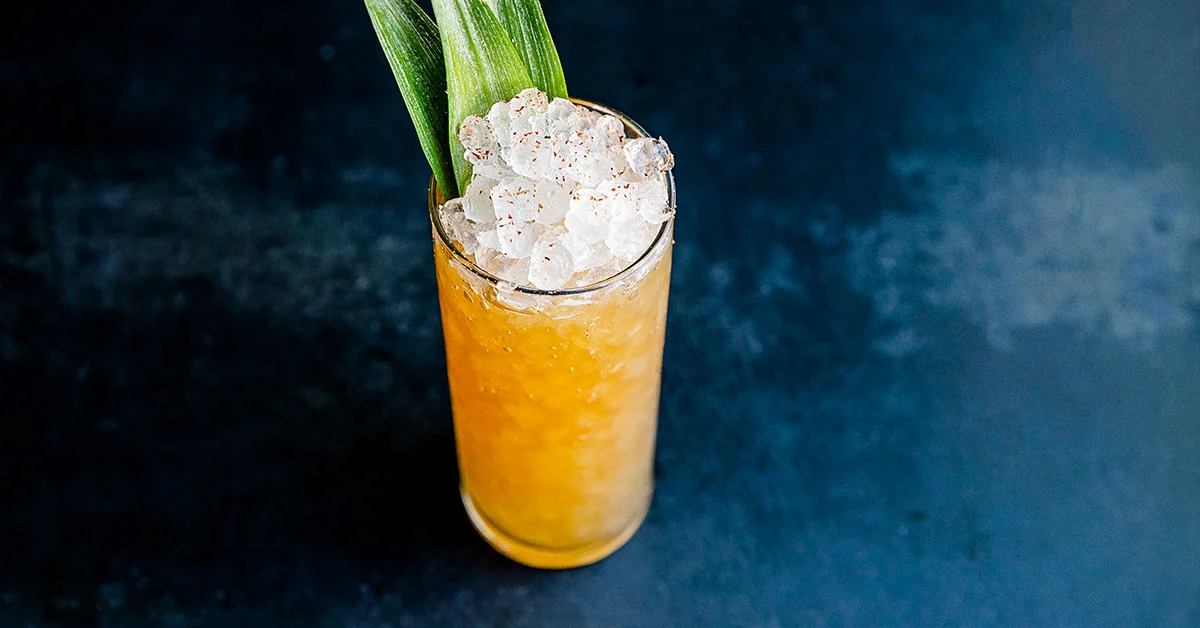
Cold brew has fundamentally changed the landscape of modern mixology. Because it is brewed without heat, it lacks the aggressive bitterness of hot-brewed coffee, offering a smooth, chocolatey, and caramel-forward profile. This makes it an ideal partner for tropical, tiki-style cocktails. Its ability to harmonize with pineapple, lime, and rum—as seen in the Wipeout or the Roman Holiday—is nothing short of a revelation for bartenders seeking to break away from the "creamy/sweet" coffee cocktail stereotype.

Supporting Data: Why Coffee Works in Mixology
Beyond the social appeal, there is a scientific justification for the pairing of coffee and alcohol. Coffee contains complex chemical compounds—specifically melanoidins and chlorogenic acids—that interact with the botanical profiles of spirits.
- The Bitter Balance: The inherent bitterness of coffee acts as a foil to sugar, making it an ideal ingredient for "dessert" cocktails that don’t want to feel cloying.
- Aromatic Complexity: The oils in roasted coffee beans are highly aromatic. When a bartender uses the "bean-in-shaker" method or a simple bean garnish, they are engaging the olfactory senses, which account for a large portion of our taste experience.
- The Stimulant-Depressant Synergy: While the "wake up and mess you up" narrative is anecdotal, the combination of caffeine (a stimulant) and alcohol (a depressant) creates a unique psychological state that many consumers find appealing for late-night social settings.
Professional Perspectives and Industry Hacks
The modern bartender treats coffee not as a garnish, but as a foundational building block. Here are two industry-standard techniques that can elevate your home bartending:

The "A La Minute" Bean Infusion
If you want a hint of coffee without the liquid volume of an espresso shot, try the "bean-in-the-glass" method. Stir a few whole, dark-roast coffee beans into a stirred cocktail like an Old-Fashioned or a Negroni, then strain them out. The oils from the beans will infuse the drink with a subtle, chocolatey aroma that complements the sweetness of vermouth or the spice of rye whiskey. As Paris-based bartender Nico de Soto famously said, "Coffee goes with everything."
The Moka Pot Infusion
For those looking to create custom digestifs, the Moka pot is an underrated tool. By substituting water with an amaro (like Fernet-Branca or a citrusy Aperitivo) in the bottom chamber of a Moka pot, you can create a highly concentrated, herb-infused coffee extract. This can be served as a refined, small-format digestif, showcasing the intersection of herbal botanicals and roasted coffee.

Implications for the Future of Drinking
The rise of the "coffee-cocktail-at-any-time" culture has significant implications for how bars operate. We are seeing a move away from the "espresso martini only" mentality toward a more nuanced approach where coffee is treated like a bitters or a modifier.
- Sustainability: As noted by industry leaders like Tristan Willey, there is a push toward more sustainable sourcing in the coffee cocktail sector. Bartenders are increasingly looking for vodka and spirits produced with sustainability in mind, pairing them with fair-trade beans to ensure the entire drink is as ethical as it is delicious.
- The "Zero-Proof" Expansion: The techniques used in coffee cocktails—cold brewing, bean infusion, and reduction—are also fueling the non-alcoholic cocktail movement. By focusing on the flavor profile of the bean rather than just the caffeine or the alcohol, bartenders are creating complex, adult-tasting drinks that satisfy the palate without the need for a high ABV.
Conclusion
The caffeinated cocktail has matured. It is no longer just a sugary pick-me-up or a late-night club staple. It is a legitimate category of mixology that requires as much attention to technique, temperature, and ingredient quality as any classic cocktail. Whether you are tempering the heat of a high-proof spirit with the cold smoothness of a cold brew or using the intense, oily power of a fresh espresso to anchor a complex build, the possibilities are limited only by your imagination.

As we continue to explore the synergy between the world’s most popular stimulant and our favorite spirits, one thing remains clear: coffee’s place in the glass is not a trend—it is a permanent evolution of the cocktail craft. So, the next time you find yourself reaching for the shaker, don’t just think about the alcohol. Think about the bean, the roast, and the brew. After all, as the industry experts agree, coffee really does go with everything.