

 Dwi Wanna
 Nana Wu
 Muslim
 Reynand Wu
 Ammar Sabilarrohman
 Asep Darmawan
In the ever-evolving landscape of global gastronomy, few dishes have managed to bridge the gap between exotic flair and weeknight practicality as effectively as Mango Chicken Curry. A masterclass in the delicate balance of flavor profiles, this Thai-inspired creation has transcended its cultural roots to become a staple in Western kitchens. Combining the velvety, cream-based richness of coconut milk with the vibrant, sun-ripened sweetness of tropical fruit, the dish offers a sophisticated alternative to traditional, spice-heavy curries. As home cooks increasingly seek "fuss-free" yet gourmet experiences, this one-pot wonder has emerged as a definitive answer to the modern culinary demand for efficiency without compromise.
The Culinary Anatomy of a Modern Classic
At the heart of the dish lies an intentional intersection of flavor science. The mango, often relegated to the realm of desserts or smoothies, possesses a complex chemical makeup that pairs seamlessly with savory aromatics. The fruit’s inherent notes of peach, pineapple, and citrus provide an acidity that cuts through the rich, saturated fat of coconut milk, while its fiber structure breaks down into a buttery, luxurious sauce during the cooking process.
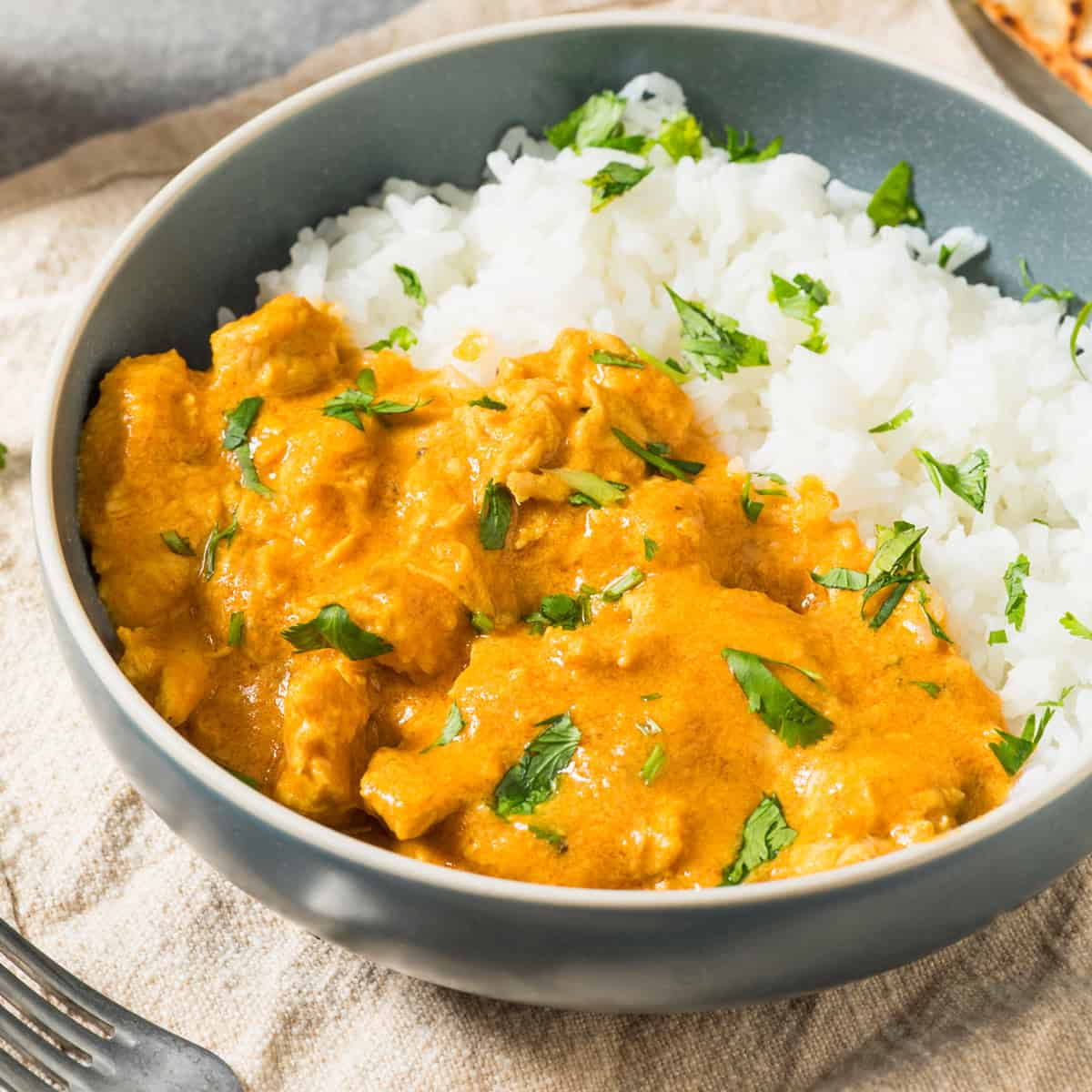
When combined with the pungency of garlic, the heat of fresh chili, and the earthy, warm tones of red curry paste, the mango transforms from a sweet addition into a flavor enhancer. This synergy is further elevated by the inclusion of kaffir lime leaves—a hallmark of Thai cuisine—which introduce a floral, citrusy top note that anchors the dish, preventing the sweetness from becoming cloying.
Chronology of Preparation: From Pantry to Plate
The appeal of Mango Chicken Curry is rooted in its accessibility. Unlike many complex curries that require multiple vessels and hours of slow-cooking, this dish is designed for a streamlined, forty-minute workflow.
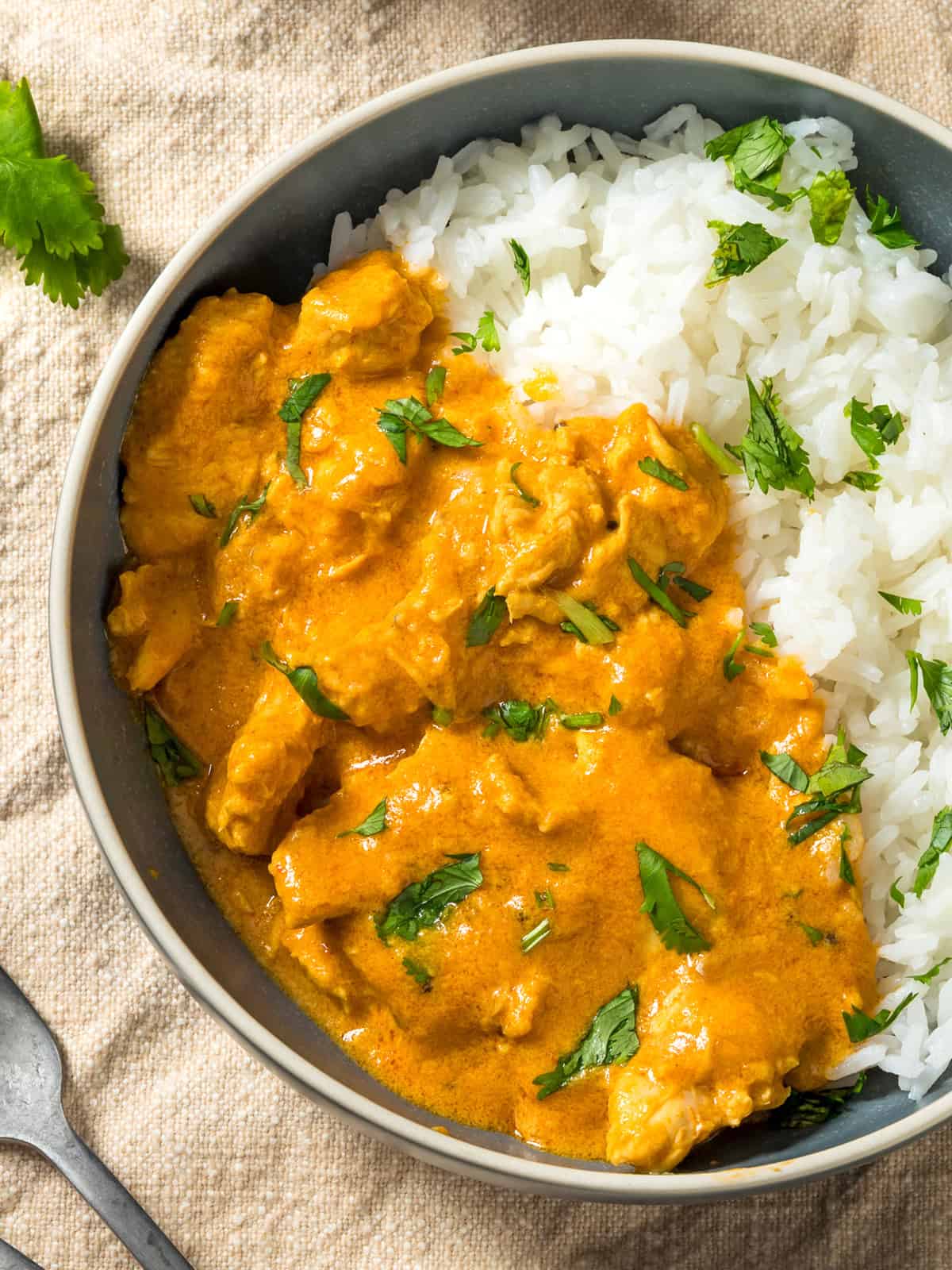
The Initial Build
The process begins with the aromatic base. In a high-sided Dutch oven, coconut oil is heated to a medium-high temperature. The initial sauté of onions serves as the foundation, providing a subtle sweetness that mellows as it caramelizes. Once translucent, the chef introduces a "flavor trifecta": finely minced garlic, fresh ginger, and bird’s eye chili. The addition of red curry paste and dried curry powder during this stage is critical; the heat of the pan helps "bloom" the spices, releasing essential oils that would otherwise remain trapped in their dry state.
The Sauce Development
Once the aromatics are fragrant, a significant portion of the mango is introduced. By cooking the fruit early in the process, the sugars begin to caramelize, and the fruit fibers begin to soften. The deglazing agent—a rich, full-fat coconut milk—is then added alongside a splash of fish sauce, which provides the necessary salinity to balance the fruit’s sugars. The mixture is simmered, then pureed to create a velvety, emulsified sauce. This step is a stylistic choice that separates a "chunky" stew from a refined, restaurant-quality curry.
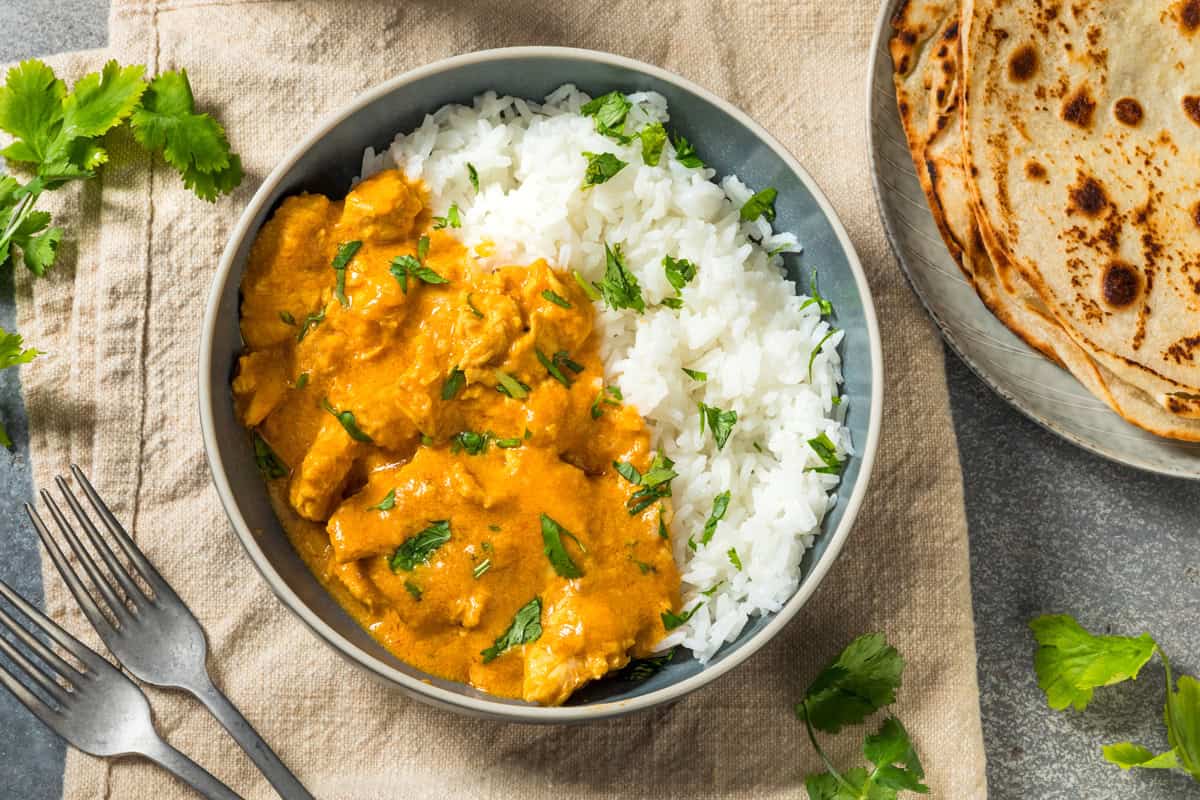
The Final Integration
The final phase involves returning the sauce to the pan and introducing the protein. Whether utilizing chicken breast or thigh, the meat is simmered gently until tender. Kaffir lime leaves are introduced here to infuse the liquid with their signature aroma. The dish is finished with a precise application of lime juice, which adjusts the pH balance and heightens the overall brightness, ensuring the final product is balanced, vibrant, and deep in flavor.
Supporting Data: The Nutritional Profile
While flavor is the primary driver for the dish’s popularity, its nutritional footprint aligns with current health-conscious trends. A standard serving of this Mango Chicken Curry clocks in at approximately 455 kilocalories, making it a satiating yet balanced main course.
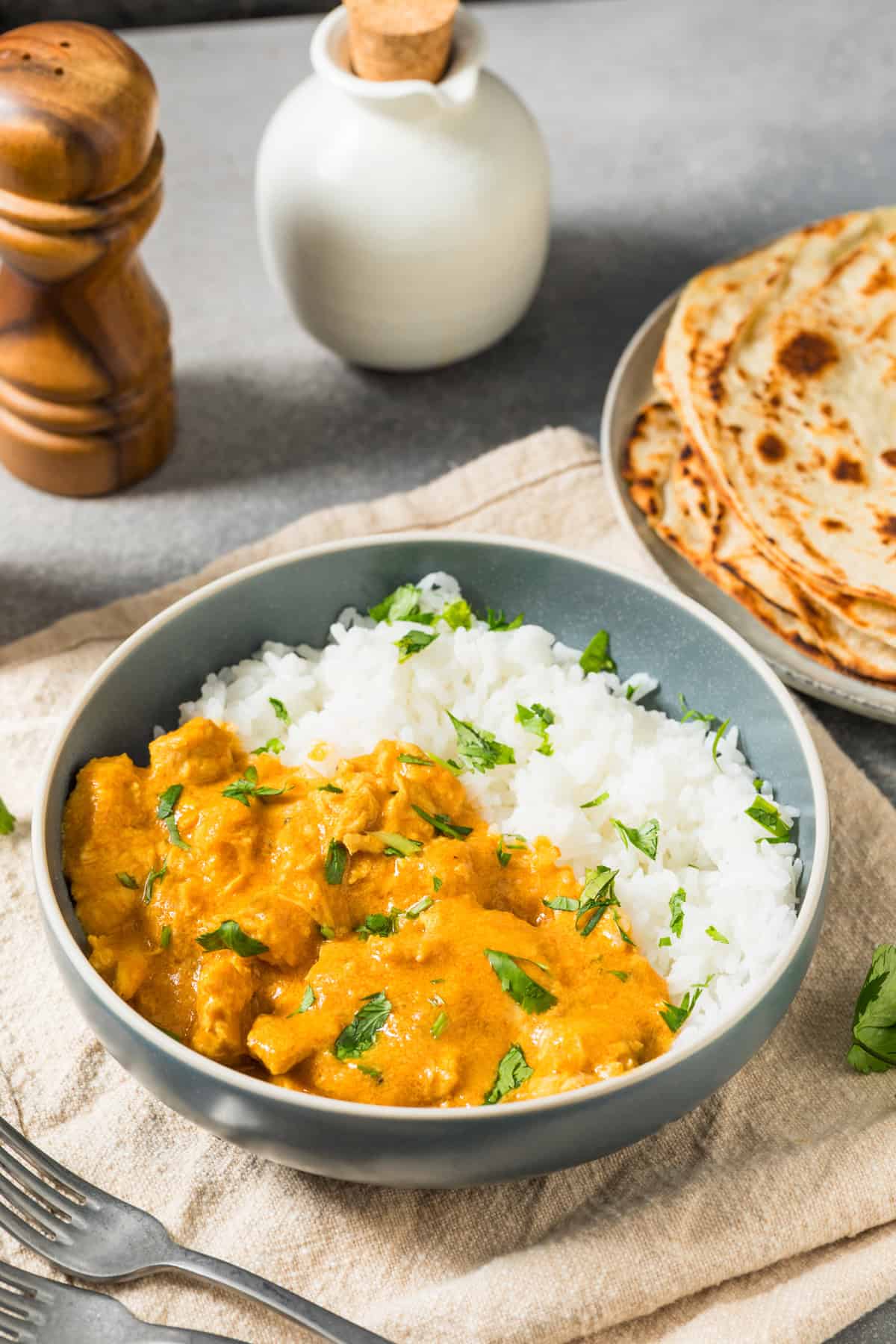
The dish is naturally dairy-free and gluten-free, catering to a wide demographic of individuals with dietary restrictions. With a protein content of 39 grams per serving, it serves as a robust post-workout meal or a high-protein dinner option. Furthermore, the inclusion of mango provides a significant boost of Vitamin A and C, while the coconut milk—rich in medium-chain triglycerides (MCTs)—provides a source of sustained energy. The fiber content of 6 grams per serving is also notable, aiding in digestion and glycemic control when paired with moderate portions of jasmine rice or flatbreads.
The "Next-Day" Phenomenon: Culinary Implications
One of the most compelling aspects of this dish is its shelf stability. Culinary experts often note that curry is a "flavor-melding" dish; the spices, fats, and acids require time to penetrate the protein and stabilize within the emulsion.
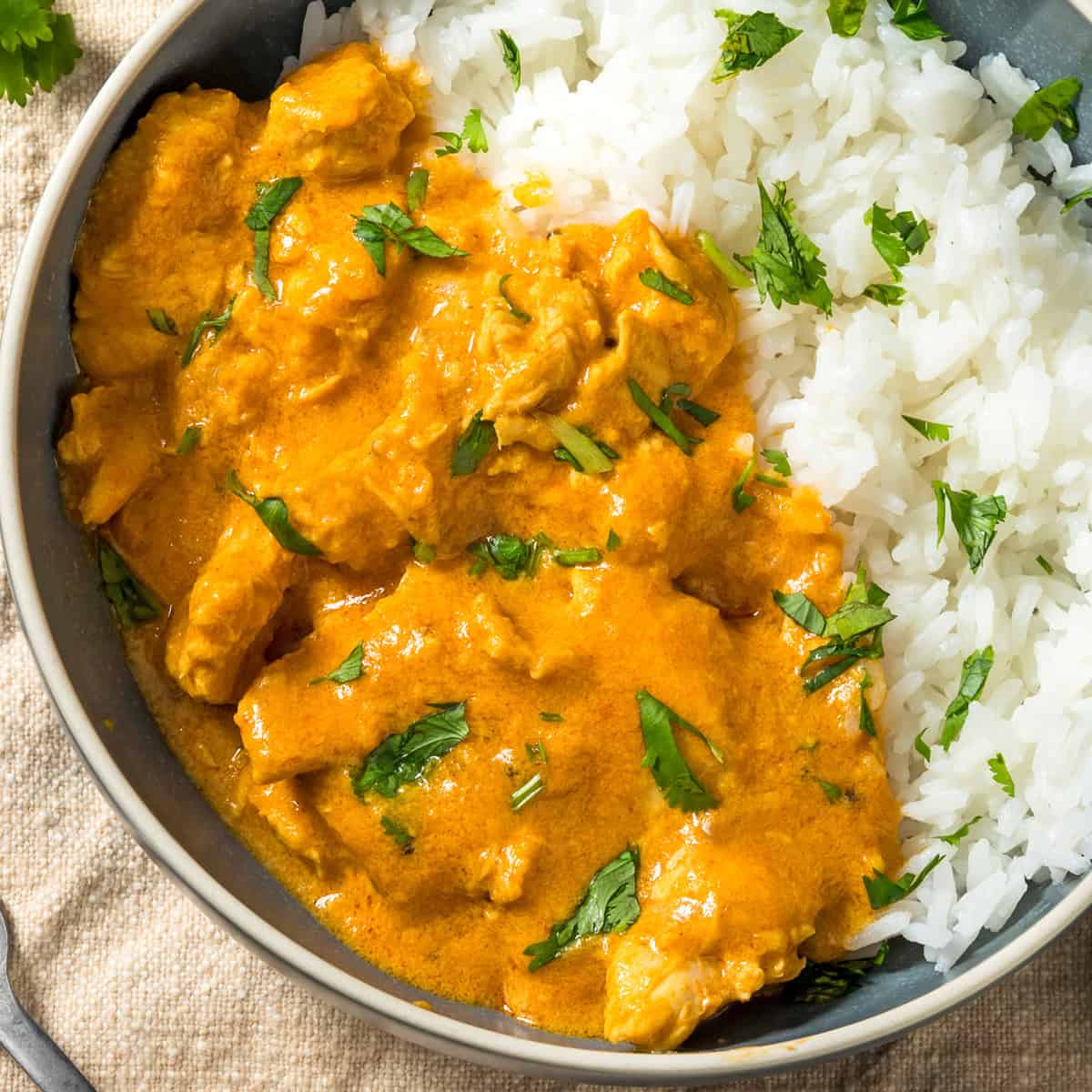
Home cooks have reported that the curry improves significantly after 24 hours in the refrigerator. This characteristic has elevated the recipe from a standard dinner option to a "meal-prep champion." It remains stable for up to three days in cold storage and can be frozen for up to three months without losing its structural integrity. When reheating, the addition of a small amount of chicken broth or coconut milk easily restores the sauce’s intended consistency, making it a viable solution for the busy professional.
Serving and Accompaniment Strategies
The versatility of the dish allows for a variety of serving styles, ranging from traditional to fusion-inspired.
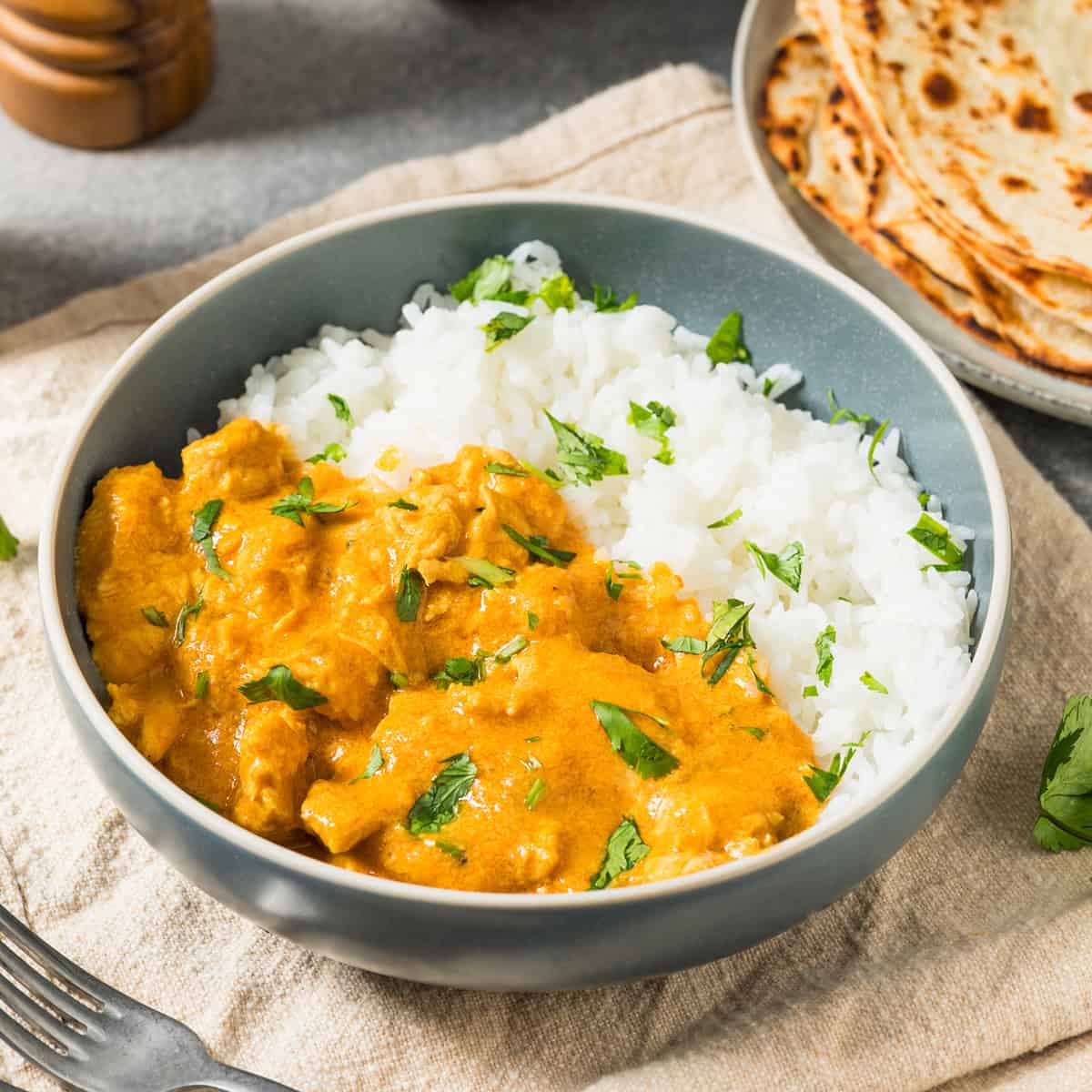
- The Traditional Approach: Serving over steamed jasmine rice allows the grains to absorb the aromatic sauce. Garnishes of fresh cilantro and sliced red Thai chilies add a necessary visual contrast and a final punch of heat.
- The Texture Play: Adding crushed, dry-roasted salted cashews provides a much-needed crunch that offsets the creamy, soft mouthfeel of the curry.
- The Fusion Twist: While the dish is rooted in Thai methodology, it bridges easily into Indian-inspired dining when paired with fresh naan or sourdough naan. The bread serves as a perfect vehicle for the sauce, replacing the need for traditional cutlery.
- Refreshing Balance: To cut through the richness of the coconut, many chefs suggest a side of cucumber raita or a crisp, acidic leafy green salad, which cleanses the palate between bites.
Implications for the Future of Home Cooking
The success of the Mango Chicken Curry reflects a broader trend in the home cooking sector: the "gourmet-simplification" movement. Consumers are moving away from overly complicated, time-intensive techniques, opting instead for high-impact recipes that utilize fresh, whole ingredients to achieve professional results.
As global ingredients like red curry paste, kaffir lime leaves, and fish sauce become standard inventory in major supermarket chains, the barrier to entry for cooking "authentic-adjacent" international cuisine has effectively disappeared. This dish serves as a gateway; it encourages home cooks to experiment with ingredients they might have previously found intimidating.
By deconstructing the curry-making process into a manageable, one-pot procedure, this recipe empowers the average cook to take ownership of their kitchen. Whether it is a Tuesday night meal for the family or an impressive centerpiece for a dinner party, the Mango Chicken Curry stands as a testament to the fact that with the right combination of sweetness, heat, and fat, a simple meal can achieve extraordinary depth. As we look toward the future of home dining, it is clear that dishes which prioritize flavor, convenience, and nutritional value will continue to dominate the culinary landscape.


 Azzam Bilal Chamdy
 Sagoh
Sagoh