
 Dwi Wanna
 Nana Wu
 Muslim
 Reynand Wu
 Ammar Sabilarrohman
 Nila Kartika Wati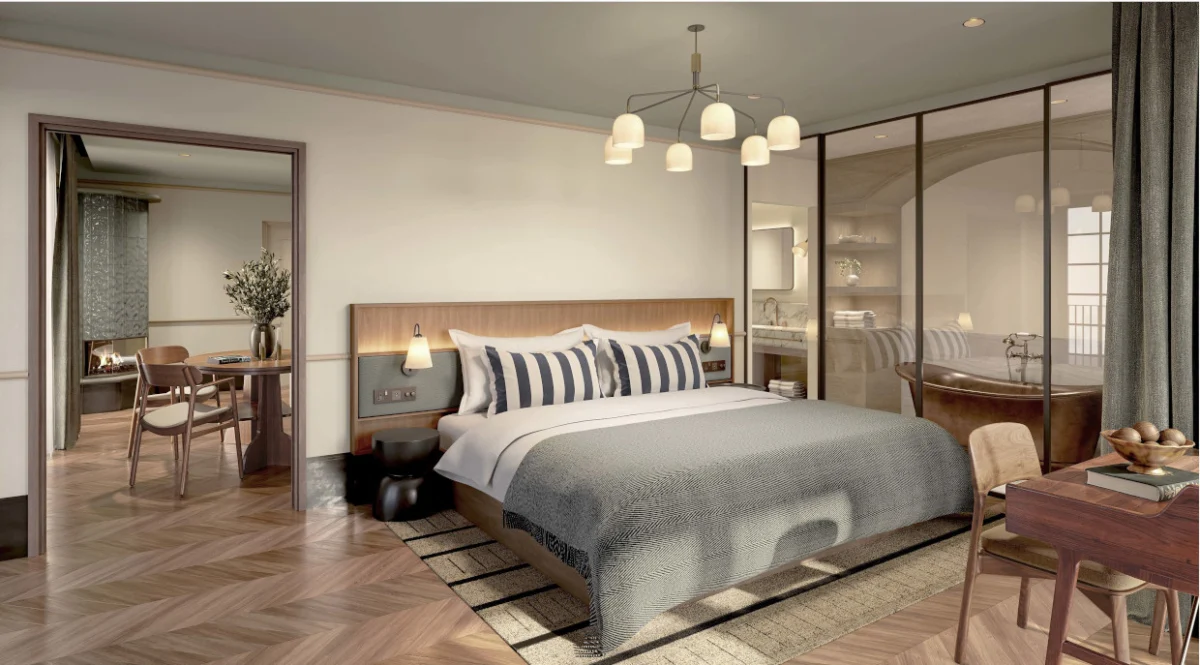
In the quiet, windswept corner of Denmark’s North Zealand coast, a transformation is underway that promises to redefine the concept of Nordic hospitality. Slated to open its doors in August 2026, the CORI Hornbæk Hotel is not merely a new property; it is a meticulously crafted bridge between a storied architectural past and the future of "barefoot luxury." Positioned as a year-round sanctuary just 40 minutes from the bustling heart of Copenhagen, the resort represents a significant investment in the "Danish Riviera"—a region long cherished by the country’s creative elite but only now receiving a world-class hospitality anchor.
As part of the prestigious Leading Hotels of the World collection, CORI seeks to merge the stark, functionalist beauty of Scandinavian design with an international standard of service that feels both intimate and expansive.
Main Facts: A New Icon on the Coastline
The CORI Hornbæk Hotel occupies a prime, front-row position on the sands of Hornbæk Beach, a destination celebrated for its soft white dunes, swimmable waters, and a specific quality of light that has served as a muse for generations of Scandinavian artists and designers.
The resort features a carefully curated inventory of 77 rooms and suites, complemented by five exclusive townhouse apartments. Every architectural decision has been made with the intent of fostering a connection between the guest and the natural environment. The centerpiece of the property is the "Sky Suite," a one-bedroom masterwork featuring curved, floor-to-ceiling windows that offer a rare, dual-aspect view, allowing guests to witness both the sunrise over the Baltic and the sunset behind the dunes.
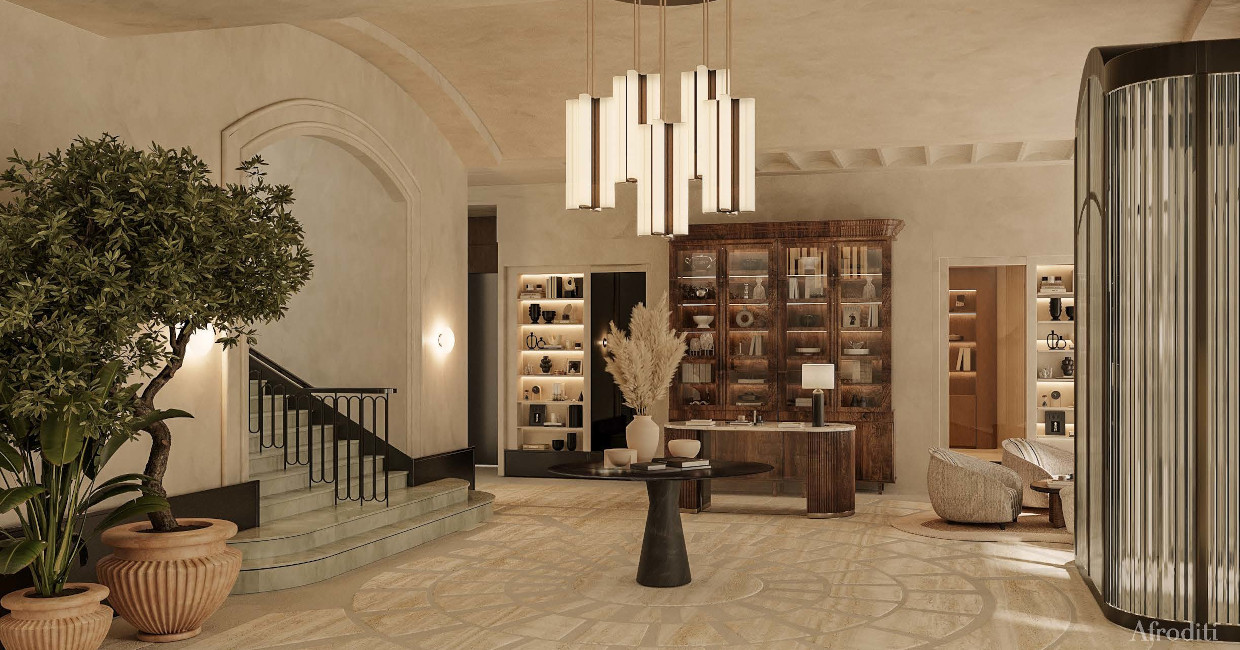
The aesthetic is a collaboration between the developers and the award-winning designer Afroditi Krassa. Krassa, whose resume includes globally recognized projects like the Rosewood Hotels and One&Only Aesthesis, has infused the property with bespoke carpentry—much of which is crafted on the owners’ own nearby farm—ensuring that the "Danishness" of the project is authentic, tactile, and grounded in the local landscape.
Chronology: From Badehotel to Modern Sanctuary
The story of CORI is one of historical reclamation. To understand the vision behind the hotel, one must look back to 1935.
- 1935: The original structure is built as a Badehotel (seaside hotel). In Danish culture, the Badehotel tradition is sacred—a functionalist approach to architecture designed specifically to facilitate healing, salt-air exposure, and restorative rest.
- The Modern Era: The site fell into disuse and modernization, losing its original identity. The current development team, led by COPI, acquired the site with the specific mandate to restore the icon designed by Ole Falkentorp.
- Development Phase (2024–2026): Years of structural restoration focused on preserving the functionalist heritage of the 1930s while integrating modern sustainability and climate-resilience standards.
- August 2026: Official opening of the hotel, marking its transition into a year-round destination rather than a seasonal summer retreat.
- Late 2026 (Post-Opening): The grand unveiling of the CORI Spa, a holistic wellness wing designed to function as the heart of the hotel’s longevity program.
Supporting Data: Wellness and Gastronomy
The hotel’s philosophy is built on three pillars: architectural restoration, longevity-focused wellness, and modern Nordic gastronomy.
The Wellness Ecosystem
The CORI Spa is set to become a destination in its own right. Eschewing the trend of "mass-market" spa experiences, the facility focuses on the intersection of Nordic nature and scientific innovation. The architectural design of the spa utilizes rounded, organic lines that mimic the nearby dunes, featuring a greenhouse-inspired indoor pool that eliminates the visual barrier between the sanctuary and the wild coast.
The spa is uniquely distinguished by its partnerships, serving as the only Scandinavian property to collaborate with a curated roster of premium wellness brands including Tata Harper, Raeso, Raaw Alchemy, and Manasi7. Programs offered will range from cold-water immersion—a traditional Nordic health ritual—to advanced longevity treatments designed to balance the nervous system.
The Culinary Narrative: Cori Table
The gastronomic experience is led by Chef Brian Mark, formerly of the Michelin-starred Søllerød Kro. The restaurant, Cori Table, is designed to seat 55 guests, ensuring an atmosphere of intimacy rather than grand-scale anonymity.
The menu operates on a "Nordic-Mediterranean" axis. It utilizes the hyper-local produce of the Danish North Coast while incorporating the warmth and zest of Mediterranean culinary techniques. The goal is to provide a "third space" that is neither a stuffy fine-dining room nor a casual café, but a fluid environment where guests can enjoy long, effortless conversations. Complementing this is The Jetty, a casual, beverage-focused venue that captures the spirit of the historic Hornbæk harbor, offering everything from morning cold-press juices to zero-proof cocktails during the evening "golden hour."
Official Responses: The Philosophy of the Project
The developers, Jesper and Anya Brunander, view the project as a legacy piece. Their statements underscore a departure from the "cookie-cutter" luxury resort model.
"For us, CORI is more than a hotel. It is a labor of love and a tribute to the architectural heritage of the Danish Riviera," says Jesper Brunander. "We felt a profound responsibility to restore Ole Falkentorp’s functionalist icon to its former glory. Our vision was to create a space that respects the quiet, understated wealth of Danish culture while offering a level of international, ‘barefoot luxury’ that feels both welcoming to our local Hornbæk community and irresistible to global travelers."
Anya Brunander, CEO and Co-Owner of COPI, adds context to the sensory experience of the guest: "By blending Scandinavian restraint with Mediterranean warmth, we have created a year-round sanctuary where guests can feel physically and mentally ‘elevated.’ It is a place where the rhythm of the waves lulls you to sleep, and every detail—from the Michelin-caliber meal to the cold sea plunge—is designed to help you exhale."
Implications: The Rise of the North Coast
The opening of CORI signals a broader shift in the luxury travel market within Northern Europe.
Economic and Cultural Impact
Historically, Hornbæk has been a quiet retreat. The introduction of a Leading Hotels of the World property suggests a deliberate effort to pivot the North Zealand region into a destination capable of competing with the luxury coastal resorts of the Mediterranean. This shift has implications for:
- Sustainable Tourism: By operating as a year-round destination, CORI mitigates the negative economic impacts of "seasonal ghost towns" often associated with coastal resorts.
- Cultural Diplomacy: The hotel acts as a conduit for international guests to engage with Danish cultural touchstones, such as the nearby Louisiana Museum of Modern Art and the historic Kronborg Castle (the setting of Hamlet).
- The "Slow Luxury" Movement: CORI is positioning itself at the vanguard of the global shift away from opulent, high-gloss luxury toward "slow luxury"—a style of hospitality that prioritizes mental health, proximity to nature, and artisanal provenance over glitz.
Connectivity and Access
The hotel’s ability to draw from both the local Danish community and international travelers is bolstered by its proximity to Copenhagen. With the capital’s airport and city center only 40 minutes away, the hotel is perfectly positioned for the "bleisure" traveler—the professional who seeks to integrate remote work, high-end wellness, and cultural exploration into a single itinerary.
Conclusion
As the 2026 opening date approaches, the anticipation surrounding CORI Hornbæk is palpable. By successfully marrying the rigor of 1930s Danish functionalism with the demands of the modern, wellness-conscious traveler, the hotel is poised to become the new benchmark for Nordic hospitality. Whether it is through the custom carpentry, the curated spa partnerships, or the simple, profound act of watching the sunset from the terrace of the Sky Suite, CORI offers a promise: that in the hurry of the modern world, there is still a place where one can stop, breathe, and reconnect with the rhythm of the tides.