
 Laily UPN

 Suro Senen
 Muslim
 Raul Delapena Setiawan

 Layla Zulfa
 Ammar Sabilarrohman
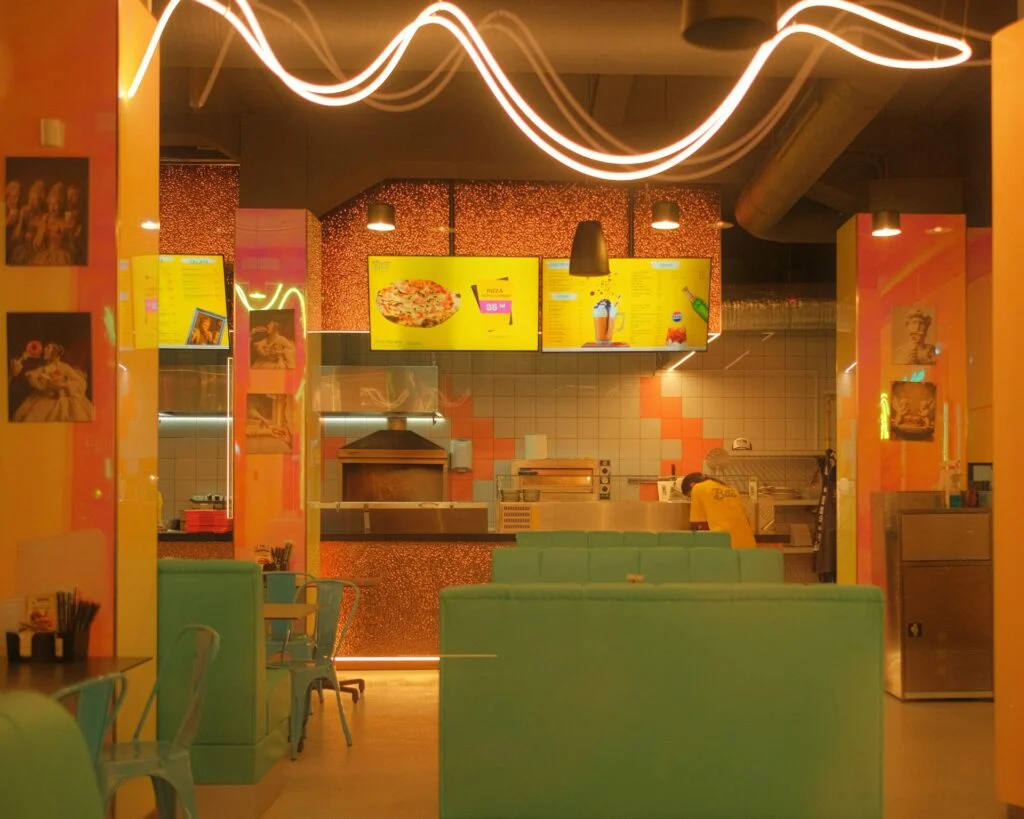
In the high-stakes world of the hospitality industry, the line between success and stagnation is often drawn by a restaurant’s ability to adapt to the digital-first consumer. As quick-service (QSR), fast-casual, and fine-dining establishments compete for the attention of a tech-savvy demographic, static menu boards and paper-based signage have become relics of a bygone era. Today, digital signage has emerged as the cornerstone of restaurant modernization, functioning not merely as a display tool, but as an intelligent, data-driven ecosystem that bridges the gap between digital marketing and the physical dining room.
According to Misty Chalk, Vice President of Sales (Americas) at BrightSign, the transition from simple information screens to dynamic, interconnected displays marks a pivotal shift in how restaurants operate. “Digital signage has undergone a notable transformation,” Chalk notes. “Static screens are now intelligent, dynamic displays that improve customer experiences, extend the value of corporate marketing, and close the data loop to better understand consumer intent.”
A Chronology of the Digital Shift
The evolution of restaurant signage mirrors the broader digital transformation of the retail sector. Historically, signage was limited to static backlit boards or chalkboard menus—labor-intensive to update and incapable of real-time communication.
- The Early 2000s: The introduction of simple digital screens allowed for basic, looping video content. While visually superior to paper, these systems were "dumb" endpoints—often managed via local USB drives or rudimentary network connections.
- The Mid-2010s: The rise of cloud-based Content Management Systems (CMS) allowed chains to push updates remotely. This began the era of centralized brand control, ensuring that a promo in New York looked identical to one in Los Angeles.
- The Present Day: We are currently in the era of "Smart Edge Computing." Leveraging System-on-a-Chip (SoC) technology and Neural Processing Units (NPUs), modern signage now acts as an extension of the restaurant’s operational brain. These displays do not just show content; they react to environmental variables, inventory levels, and even real-time customer behavior.
Holistically Improving the Customer Experience
Modern dining is an aesthetic experience, particularly for the Gen Z and millennial cohorts who prioritize "Instagrammable" moments. Digital signage is no longer just a functional requirement; it is a vital component of the restaurant’s ambiance and service strategy.
Engagement at the Point of Entry
The customer journey begins before the first bite. Large-scale entry displays are now being used to set the tone, featuring high-definition, appetizing imagery that serves as a visual invitation. In busier establishments, these displays can be dual-purpose: showing menu options while simultaneously streaming social media feeds or user-generated content. By showcasing real-time photos of dishes, restaurants can trigger the "social proof" that younger diners rely on when making purchasing decisions.
Reducing Perceived Wait Times
One of the most persistent challenges in hospitality is managing guest frustration during peak hours. Innovative restaurants are deploying "experiential displays" in waiting areas. By offering interactive content, social media opportunities, or even simple, entertaining animations, these screens can capture the diner’s attention. Studies have shown that when guests are actively engaged, their perception of wait time decreases, leading to higher overall satisfaction scores even when the physical wait remains the same.
The Rise of Self-Service Kiosks
In the fast-casual and QSR sectors, the kiosk has become the face of the brand. Beyond merely taking orders, these self-service terminals function as sophisticated data-collection hubs. They communicate allergens in real-time, highlight daily promotions based on current inventory, and facilitate seamless sign-ups for loyalty programs. Because these kiosks are integrated into the restaurant’s back-of-house systems, they offer a friction-free experience that caters to the modern diner’s preference for autonomy and efficiency.
Extending the Value of Marketing and Branding
For national chains and local mom-and-pop shops alike, the cost of content production is a significant line item. Digital signage maximizes this investment by turning static marketing assets into a 24/7 engine for brand engagement.
Intelligent Content Management
Modern signage systems utilize smart scheduling to adapt content based on the time of day. A restaurant might display high-energy, high-margin coffee and breakfast promos in the morning, which automatically transition to lunch specials and happy-hour deals as the day progresses. This granular control ensures that every minute of screen time is optimized for the highest possible conversion rate.

Real-Time Operational Sync
Perhaps the most significant advantage of modern signage is its ability to connect to inventory systems. During periods of high demand, a "sold-out" item can be automatically removed from the digital menu board across an entire region in seconds. This prevents the "menu bait-and-switch" scenario, where a customer enters a restaurant for a promoted item only to find it unavailable, a situation that is notoriously damaging to brand trust and loyalty.
Closing the Data Loop: The Science of Intent
Without measurement, digital signage is merely an expense; with measurement, it is an asset. The current "holy grail" of the industry is the ability to track the path from digital intent to physical purchase.
The Omnichannel Connection
Consider the consumer journey: a customer receives an email promotion, opens the restaurant’s mobile app to check the menu, and later walks past a digital sign on their commute home before ultimately visiting the physical location. Modern signage, powered by intelligent hardware and edge computing, allows restaurants to begin connecting these dots.
By analyzing dwell times and engagement metrics, operators can finally answer the question: Did the content on this specific screen drive an increase in sales for this specific item?
Neural Processing and Edge Intelligence
The integration of Neural Processing Units (NPUs) into signage hardware is a game-changer. These NPUs allow for "smart edge computing," where data is processed locally at the screen rather than being sent to the cloud. This increases speed, reliability, and privacy. As these applications evolve, the feedback loop between the screen and the kitchen will become nearly instantaneous, allowing for hyper-personalized offers tailored to the demographic currently standing in front of the kiosk.
Implications for the Industry
The shift toward intelligent digital signage carries profound implications for the future of restaurant operations.
- Labor Efficiency: By automating ordering and promotion management, staff can be reallocated from clerical tasks to high-value customer service roles.
- Data-Driven Decision Making: Restaurants are moving away from "gut-feeling" marketing toward a culture of experimentation. A/B testing digital content is becoming as standard as A/B testing website landing pages.
- Capital Expenditure vs. Operational Value: While the initial investment in modern, SoC-enabled signage is higher than traditional monitors, the long-term ROI—measured in increased check sizes, better inventory management, and improved customer loyalty—is proving to be a decisive factor in competitive markets.
A Strategic Path Forward
Investing in modern, dynamic digital signage is no longer a luxury for industry giants; it is a foundational requirement for any restaurant looking to compete in the digitally driven era. However, the path to implementation is not one-size-fits-all.
“There is no one-size-fits-all approach to digital signage,” explains Misty Chalk. “Restaurants should consult with experts to determine which path forward is right for them.” Whether the priority is reducing wait times, boosting loyalty program adoption, or creating a more immersive brand experience, the strategy must be customized to the unique needs of the establishment.
As the industry continues to evolve, those who embrace these intelligent systems will be better positioned to understand their customers, streamline their operations, and build the lasting brand equity required to thrive in a crowded, high-tech landscape. The "digital renaissance" of the restaurant industry is here, and it is being written on screens across the globe.

 Asro
 Sagoh