 Pevita Pearce

 Lina Hope

 Evan Lee Salim
 Lina Irawan

 Basiran
By MRM Staff
In an era defined by volatile food costs and a discerning consumer base, restaurant operators are finding that the secret to profitability doesn’t necessarily lie in wholesale menu overhauls or massive capital investment. Instead, a growing body of data suggests that the most effective way to boost margins is by mastering the "economics of craveability"—a strategy focused on low-labor, high-impact menu enhancements that deliver outsized perceived value to the guest.
According to recent research from Rubix Foods, operators who successfully leverage premium sauces, artisanal spreads, and textural upgrades can transform core menu items into premium offerings without burdening their back-of-house (BOH) teams. This shift toward "low-lift, high-reward" menu engineering is proving to be the most scalable lever for restaurants looking to protect margins in a competitive market.
The Core Philosophy: Why Flavor Trumps Price
At the heart of the modern dining experience is a simple truth: consumers are rarely "in love" with a menu price, but they are frequently obsessed with specific menu items.
"People don’t fall in love with menu prices, they fall in love with menu items," says Ian O’Neil, Director of Consumer Intelligence at Rubix Foods. "When guests genuinely crave something, they are surprisingly willing to pay extra for it. This turns craveability into one of the most powerful margin drivers an operator has."
This psychological connection to food—often rooted in flavor, texture, and mouthfeel—allows restaurants to command premium pricing. When a diner perceives an upgrade as "substantial," price sensitivity often takes a backseat to the desire for an elevated sensory experience.
Supporting Data: Where the Value Lies
The Rubix Foods research provides a clear roadmap for operators looking to capitalize on this consumer behavior. The findings highlight a hierarchy of upgrades that resonate most strongly with the modern diner:
- The Sauce Advantage: Nearly 49% of consumers rank sauces and aiolis as the most premium-feeling upgrade.
- The Cheese Factor: 45% of diners cite higher-quality cheese as a primary indicator of a "premium" dish.
- The Texture Play: 38% of consumers are specifically looking for a "crispy" finish to elevate their meal.
The financial upside is equally compelling. Nearly 70% of surveyed consumers indicated they would pay at least $1 more for a premium sauce or topping, and a significant 39% segment would pay $2 or more. These upgrades, while inexpensive for the operator to source and apply, represent pure margin growth.
Chronology: The Evolution of the "Premium" Menu
To understand why these low-lift upgrades are currently trending, one must look at the recent evolution of the quick-service and fast-casual sectors.
Phase 1: The Era of "More"
A few years ago, the industry was obsessed with "big" moves: new menu platforms, massive inventory expansion, and complex, multi-step preparation processes. Operators attempted to win by sheer variety, which often led to kitchen bottlenecks and rising food waste.
Phase 2: The Efficiency Pivot
As labor costs surged and supply chain disruptions became common, the industry underwent a correction. Operators realized that having 50 items on a menu was less profitable than having 15 items that were consistently excellent. This led to the rise of "tightly curated" menus—a trend that continues today, with 56% of consumers expressing a preference for menus that do a few things exceptionally well rather than attempting to do everything.
Phase 3: The Current "Craveability" Strategy
We are currently in the age of the "smart add-on." Operators are now using sauces, glazes, and compound butters as tools to cross-pollinate their existing inventory. By applying a premium truffle aioli or a spicy glaze to an existing burger or chicken sandwich, an operator creates a "new" LTO (Limited-Time Offer) without adding a single new SKU to their inventory list.
The Customization Imperative
While the general population is increasingly open to upselling, the younger demographic (ages 18–34) is the primary engine for this trend.
Data shows that 83% of 18–34-year-olds are willing to pay $1 or more for additional customization options, compared to 73% of the general population. For this group, a meal is not just fuel; it is an expression of their current mood.
"They’re looking for flexibility and options to get exactly what they want, when they want it," explains O’Neil. "And that changes based on their mood. So for operators, the more customization options available, the more opportunities you’ll have to capitalize on this demographic’s impulsive purchasing."
This suggests that restaurants should lean into "modular" menus—where a base item can be modified with a series of distinct, low-labor flavor profiles.
Defining "Worth It": Beyond the Price Tag
When does a customer decide a meal is "worth it"? The Rubix research suggests that while price is a factor, it is rarely the only one.
The Pillars of Value:
- Portion Size: Over 90% of respondents said they would pay an added cost for a larger portion size.
- Freshness: 89% are willing to pay more for a guarantee of fresher ingredients.
- Protein Quality: 77% are willing to pay $1+ to upgrade to a higher-quality protein, such as prime rib or thick-cut bacon.
Crucially, these upgrades often move in tandem. The research found that 91% of consumers who are willing to pay for a higher-quality protein are also willing to pay extra for a "better" side. This signals that diners are looking for a complete, cohesive, and elevated experience. When an operator offers an premium protein but pairs it with a standard, frozen-to-fryer side, the "worth it" calculation breaks down. The side must match the protein in quality and flavor complexity.
Implications for Operators: Actionable Strategies
For restaurant owners and managers, the takeaway is clear: stop trying to reinvent the menu and start trying to reinvent the experience.
1. The Power of the "Finishing Touch"
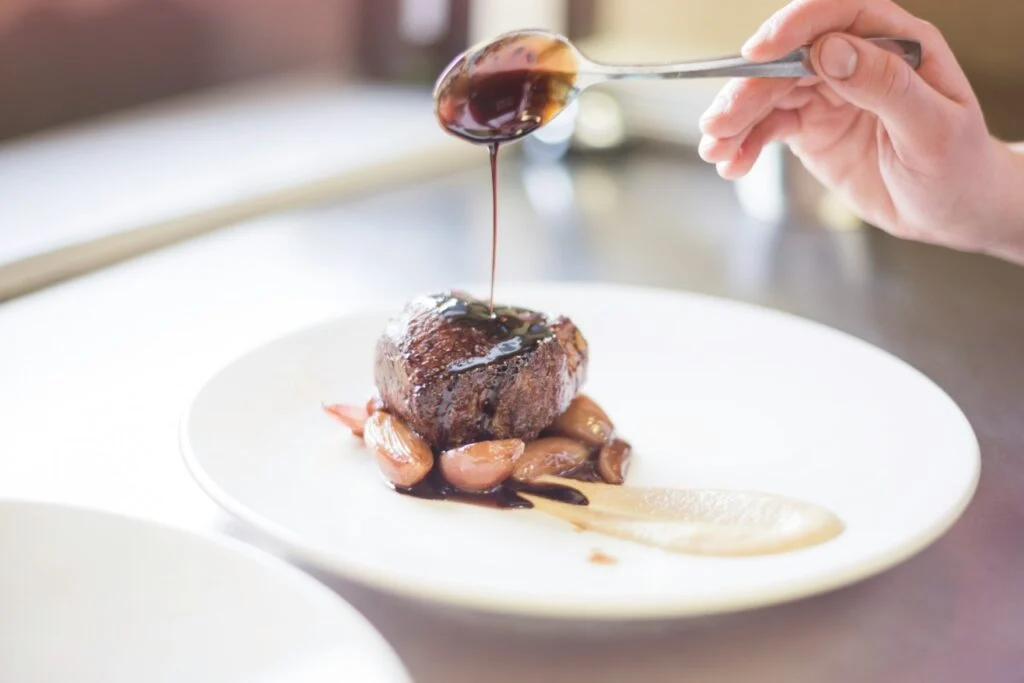
Operators should focus on items that cannot be "pulled out of a fridge." Compound butters, house-made glazes, and complex aiolis are the primary ways to differentiate a meal. These items require minimal labor—often just a drizzle or a dollop—but they significantly alter the customer’s perception of the meal’s value.
2. Strategic Repackaging
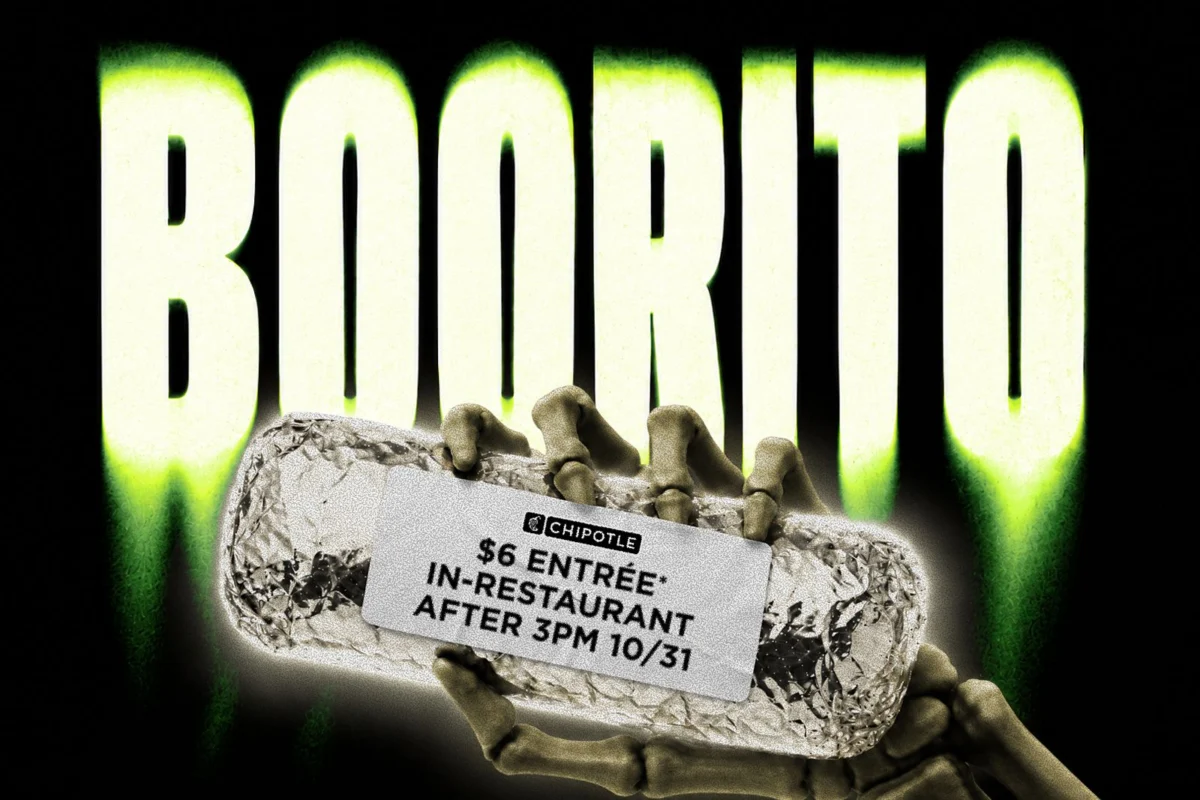
Operators should look at their existing high-quality ingredients and consider how they can be sold separately. Chipotle’s success in marketing "sides of meat" as a high-protein snack is a masterclass in this approach. It increases the average check size without requiring new prep stations or complex inventory management.
3. The LTO Refresh
As we move into the busy holiday season, operators should utilize seasonal LTOs. However, rather than creating an entirely new dish, they should use a versatile sauce or topping system. By applying a seasonal flavor (e.g., cranberry-jalapeño glaze) across existing core proteins, operators can generate excitement and drive repeat visits—which 44% of diners cite as a primary reason for returning to a restaurant.
4. Simplifying to Scale
The industry is moving toward a "less is more" mindset. By tightening the menu, operators can focus on the quality of ingredients, which in turn justifies a higher price point. As the data shows, guests will pay for quality and perceived value, but they will not pay for menu bloat.
Conclusion: The Path Forward
The economics of craveability represents a fundamental shift in how restaurants must operate. By focusing on high-impact, low-labor additions, operators can satisfy the modern diner’s craving for quality and customization while protecting their own margins.
In a market where consumers are increasingly selective about where they spend their discretionary income, the restaurants that win will be those that provide a "craveable" experience—one that feels worth every penny, not because of the price, but because of the flavor, texture, and care put into every bite.
As O’Neil notes, the tools for this transformation are likely already in the kitchen. It is simply a matter of identifying which core items can be elevated, and which low-lift upgrades will turn a standard visit into a loyal, repeat customer.

 Siti Muinah
 Rifan Muazin