

 Nana Wu

 Dwi Wanna

 Suro Senen

 Evan Lee Salim

 Rifan Muazin
Published October 21, 2026 | By Julie Littman
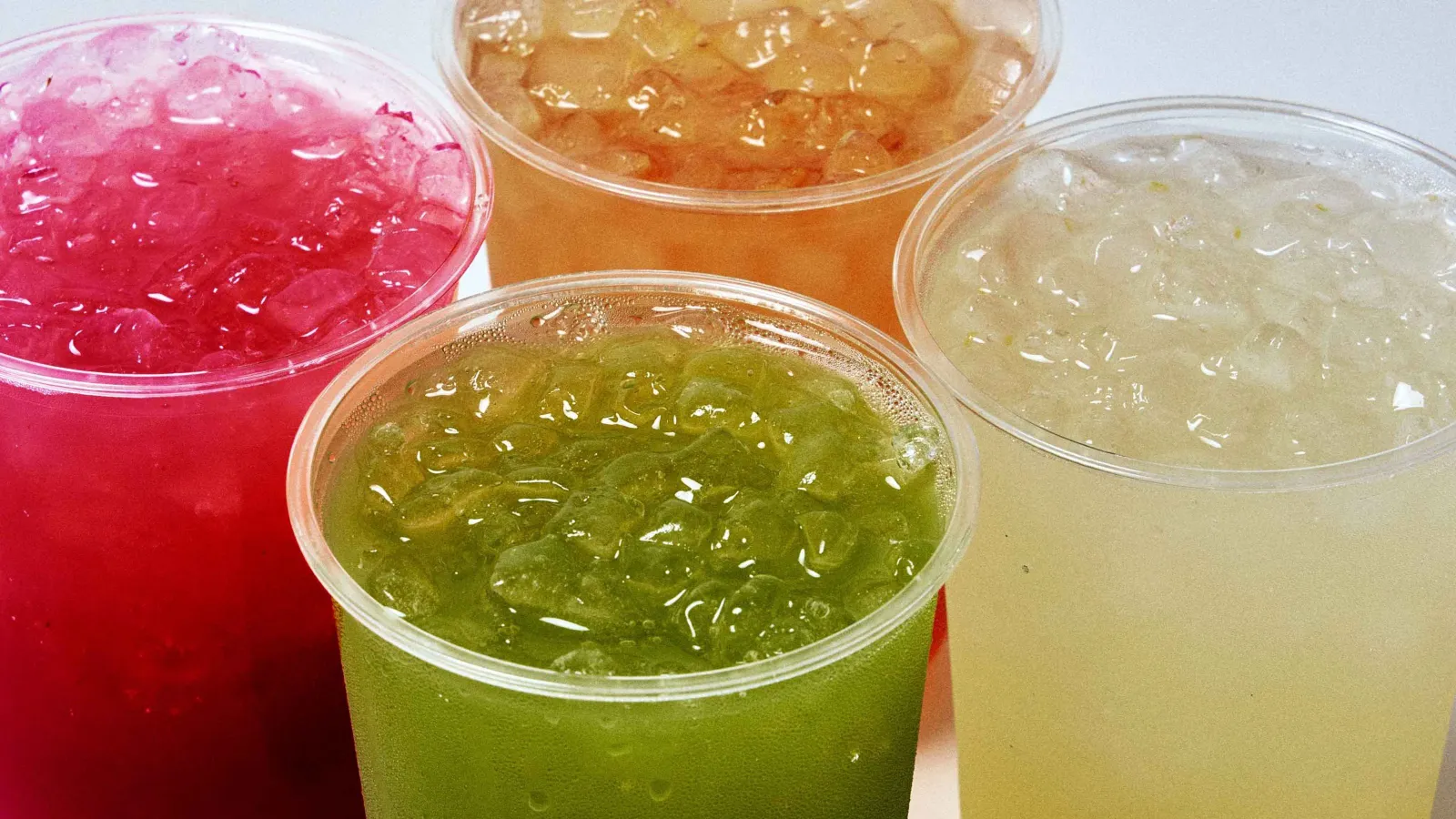
In a strategic maneuver to revitalize its menu and capture a larger share of the "add-on" beverage market, Sweetgreen officially expanded its new line of housemade drinks to 120 locations on October 20, 2026. This rollout marks a significant milestone in the fast-casual giant’s "Sweet Growth Transformation" plan—a multi-year initiative designed to shore up flagging same-store sales and reignite customer traffic. By focusing on premium, craft-focused beverages, the company is attempting to pivot from a pure salad-and-bowl provider into a holistic dining destination.
The Strategic Shift: Beyond the Salad Bowl
For years, Sweetgreen has been synonymous with health-conscious bowls and seasonal salads. However, as the fast-casual sector faces intense competition and shifting consumer habits, the chain has struggled with consistent traffic declines. The "Sweet Growth Transformation" plan is the company’s internal roadmap to address these issues, focusing on four pillars: operational excellence, elevated food quality, superior customer experience, and increased brand relevance.
The decision to lean into housemade beverages is not merely a menu expansion; it is a calculated effort to increase the "attach rate"—the likelihood that a customer will add a secondary, high-margin item to their primary meal purchase. Early data from test markets indicates this strategy is yielding tangible results: restaurants offering the four new housemade drinks saw their share of total beverage transactions jump by nearly 25%, suggesting that consumers are eager for more sophisticated, less-processed alternatives to traditional fountain sodas.
A Chronology of Innovation
The path to the current 120-store launch has been deliberate, marked by a cautious, data-driven approach that reflects the company’s lessons from past operational hurdles.
- Mid-2025: Sweetgreen identifies a gap in its beverage portfolio. Recognizing that consumers are increasingly seeking "better-for-you" drink options, the company begins preliminary testing of housemade beverages in three select markets.
- August 2025: During an earnings call, CEO Jonathan Neman highlights the strong initial performance of the pilot beverages, noting that the metrics were highly encouraging.
- Late 2025 – Early 2026: The company refines its formulations, focusing on flavor profiles that complement their core menu items while streamlining the preparation process to ensure consistency across various store footprints.
- October 20, 2026: The formal, large-scale rollout begins across major metropolitan hubs, including Boston, New York City, Philadelphia, Washington D.C., Phoenix, Salt Lake City, Nashville, and several key markets in California, including Los Angeles, San Diego, and Orange County.
This phased approach mirrors the company’s recent strategy for its successful nationwide launch of wraps. By utilizing a "stage-gate" process—a rigorous series of internal reviews and market tests—Sweetgreen is attempting to avoid the operational complexity that previously plagued the launch of its "Ripple Fries," a product that was eventually pulled from the menu due to production bottlenecks.
The New Beverage Portfolio: Ingredients and Philosophy
The current lineup, which aims to move the needle on customer satisfaction, consists of four distinct offerings:
- Tropical Black Tea
- Fresh Blackberry Basil
- Signature Lemonade (Reformulated)
- Ginger Greens (Reformulated)
Unlike the sugary, mass-produced drinks often found in quick-service environments, these beverages are crafted in-house using whole fruits, vegetables, fresh herbs, and agave. The Tropical Black Tea stands out as the company’s zero-sweetener option, catering to the growing demographic of health-conscious consumers who prioritize hydration without the caloric intake associated with traditional sweetened teas.
Nicolas Jammet, co-founder and chief concept officer at Sweetgreen, emphasized the intentionality behind the flavor profiles. "We made them slightly less sweet so the blackberry, basil, and ginger come through first," Jammet said in a statement. "Every drink is crafted to complement the meal. A drink is often the last thing someone adds to their order, and we want it to be one of the parts they look forward to most."
Supporting Data and Operational Implications
The data surrounding the beverage rollout provides a glimpse into why Sweetgreen is prioritizing this shift. In the restaurant industry, beverages often serve as the highest-margin items on a menu. By shifting from third-party soda contracts to proprietary, housemade drinks, Sweetgreen can potentially decouple its beverage revenue from the fluctuations of third-party bottling costs while simultaneously building brand equity through unique, signature flavors.

However, the transition requires a delicate balance. Operational complexity remains a persistent challenge in the fast-casual space. Every new item added to the menu requires additional prep time, storage space, and staff training. The company’s adoption of the "stage-gate" process over the last year is an acknowledgment that they must remain agile without sacrificing the quality or speed of service.
The success of the wraps earlier this year—which saw a major social media campaign and a dedicated rewards program integration—provides a blueprint for how Sweetgreen intends to market these drinks. By integrating the beverages into their digital loyalty ecosystem, the brand can track individual purchasing habits and tailor promotions to drive repeat visits.
Competitive Context: The "Beverage War"
Sweetgreen is not operating in a vacuum. The broader limited-service restaurant (LSR) industry is currently undergoing a massive beverage renaissance as chains fight to capture the attention of Gen Z consumers, who are increasingly favoring premium, functional, and Instagram-worthy drinks.
- Panera Bread made waves in early 2026 with the launch of its "Energy Refreshers and Frescas," signaling a shift toward more complex, artisanal drink menus.
- Taco Bell has turned to its "Live Más Cafés" to test niche, culturally relevant items like horchata, signaling an attempt to capture the afternoon "snack and sip" daypart.
- McDonald’s has significantly expanded its McCafé offerings, experimenting with "dirty sodas" and energy drinks to keep pace with the evolving preferences of younger diners.
- KFC is preparing for a major infrastructure shift in 2027, moving from Pepsi to Coca-Cola, while simultaneously testing innovative, non-traditional beverage formats in its experimental test kitchens.
For Sweetgreen, the competition is not just against other salad shops, but against every establishment offering a quick, refreshing, and high-quality beverage. By focusing on "craft" credentials—emphasizing real herbs and fresh fruit—Sweetgreen is betting that its core customer base will choose their beverage over a generic fountain drink.
Future Outlook: Can Beverages Save the Bottom Line?
While the immediate uptick in beverage transactions is a positive indicator, the long-term success of the "Sweet Growth Transformation" depends on whether these drinks can drive sustained foot traffic. The brand continues to face headwinds, including concerns over same-store sales and the lingering memory of past food safety incidents that temporarily stalled their growth trajectory.

If the beverage program continues to show a 25% increase in transaction share, it will likely provide the financial breathing room necessary for Sweetgreen to continue its aggressive menu R&D. The company is clearly moving toward a model where the "meal" is just the starting point, and the "beverage" is a critical driver of both profit and customer loyalty.
As the brand moves into the final quarter of 2026, all eyes will be on whether these housemade infusions can turn the tide on traffic. If successful, Sweetgreen may well redefine the standard for what a fast-casual beverage program looks like, proving that even a salad-focused brand can dominate the drink category through quality, simplicity, and a clear understanding of the modern consumer’s palate.


 Siti Muinah
 Jia Lissa

