

 Nana Wu

 Dwi Wanna

 Suro Senen

 Evan Lee Salim

 Laily UPN
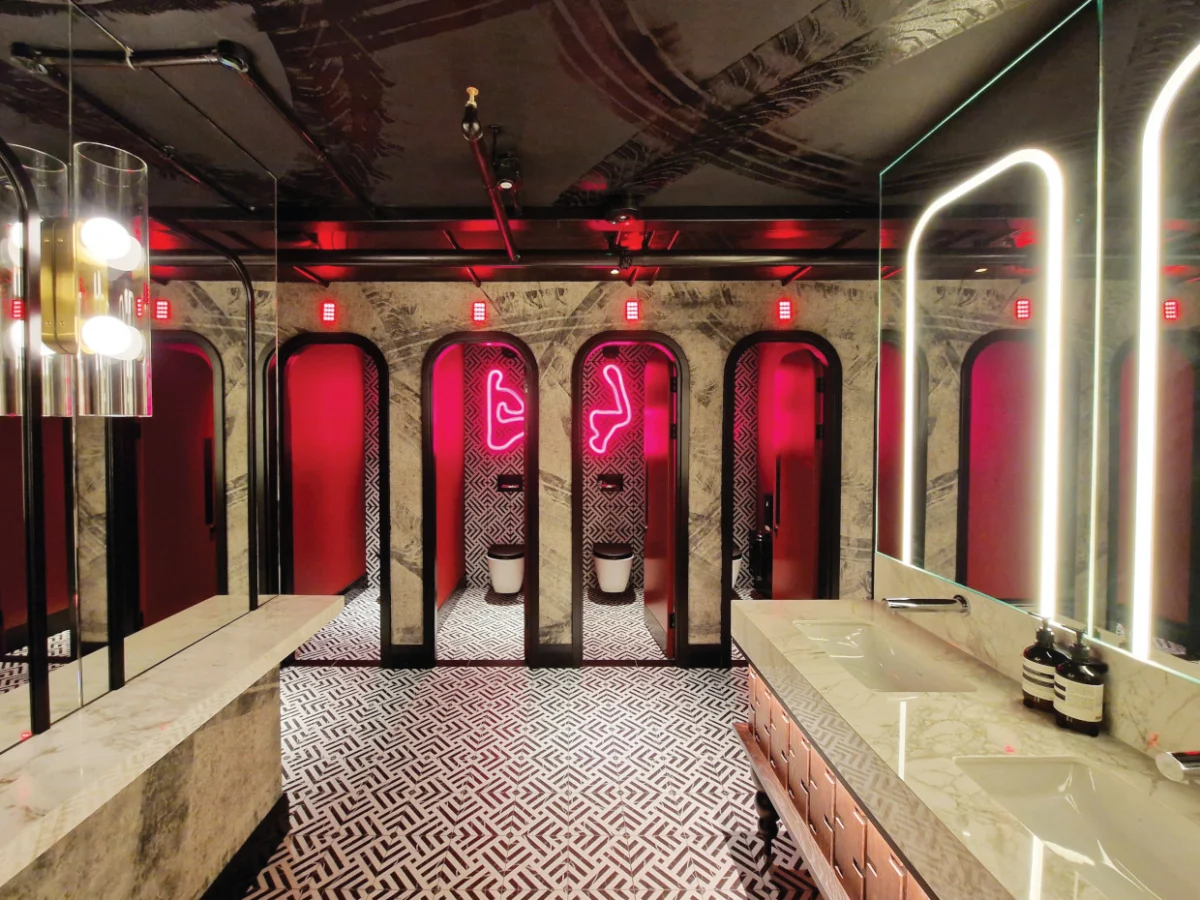
From the high-octane, neon-drenched streets of Las Vegas to the refined, intimate boutique hotels of the United Kingdom, the fingerprints of Ana Moisin are becoming increasingly synonymous with a new era of interior design. As the Founder and Creative Director of Anamo Design Studio, Moisin has cultivated a practice that transcends the superficiality of trends, focusing instead on the invisible architecture of human feeling.
In a candid conversation, Moisin sat down to discuss why the future of the hospitality industry does not lie in marble lobbies or gilded fixtures, but in the deliberate engineering of emotional connections. By crafting spaces that people genuinely want to inhabit, Anamo Design Studio is challenging the status quo of global interior design.
The Genesis: Building Amidst Uncertainty
To understand the trajectory of Anamo Design Studio, one must first look at its unconventional inception. Established in July 2020, the studio was born into the teeth of the global pandemic—a period that saw the hospitality sector facing an existential crisis. While many firms were retreating, Moisin saw a rare, if daunting, opportunity.
A Chronology of Growth
- July 2020: Anamo Design Studio is founded in London, utilizing the "downtime" of the pandemic to solidify its operational infrastructure and creative philosophy.
- 2021: The completion of the Octane Bar near St Paul’s serves as a pivotal proof-of-concept, establishing the studio’s reputation for executing complex, high-impact projects with a lean team.
- 2022–2023: The studio expands its footprint, scaling to a multidisciplinary team of seven full-time designers and diversifying into international luxury residential and experiential sectors.
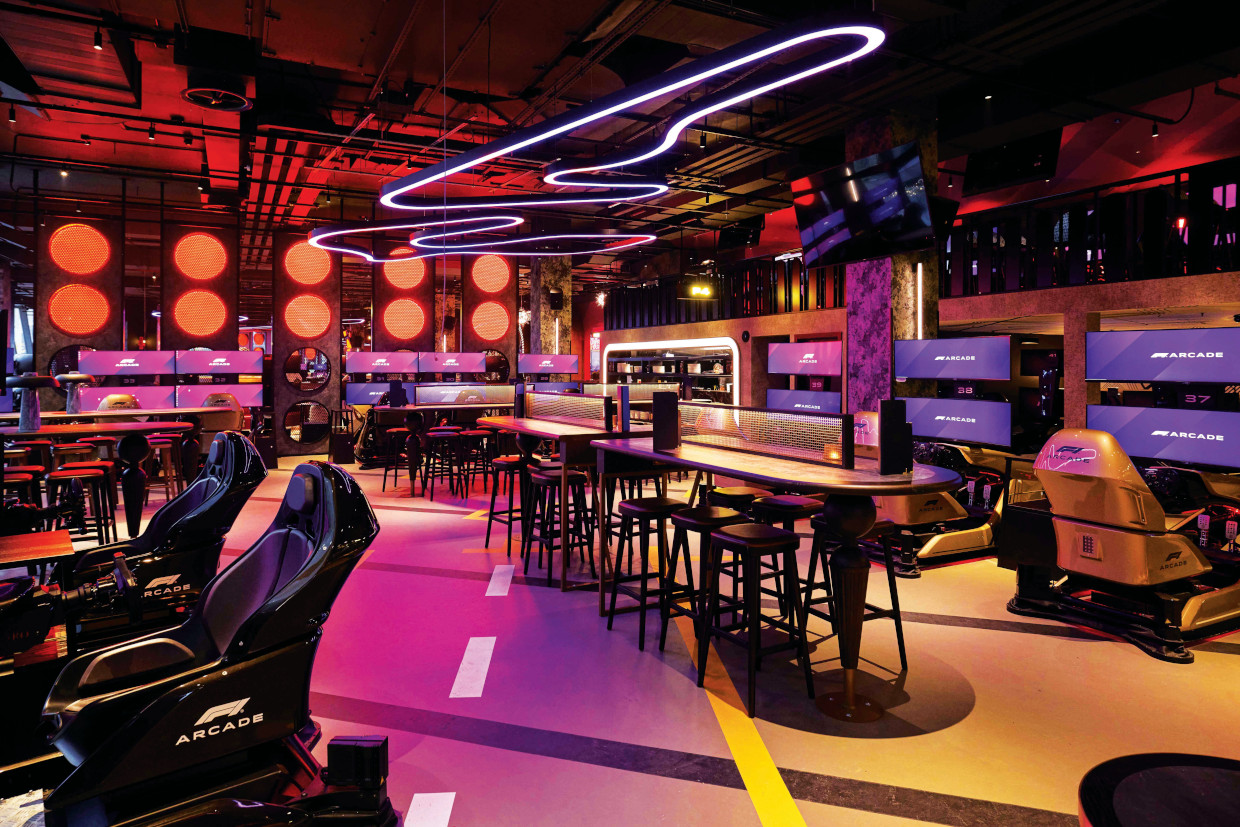
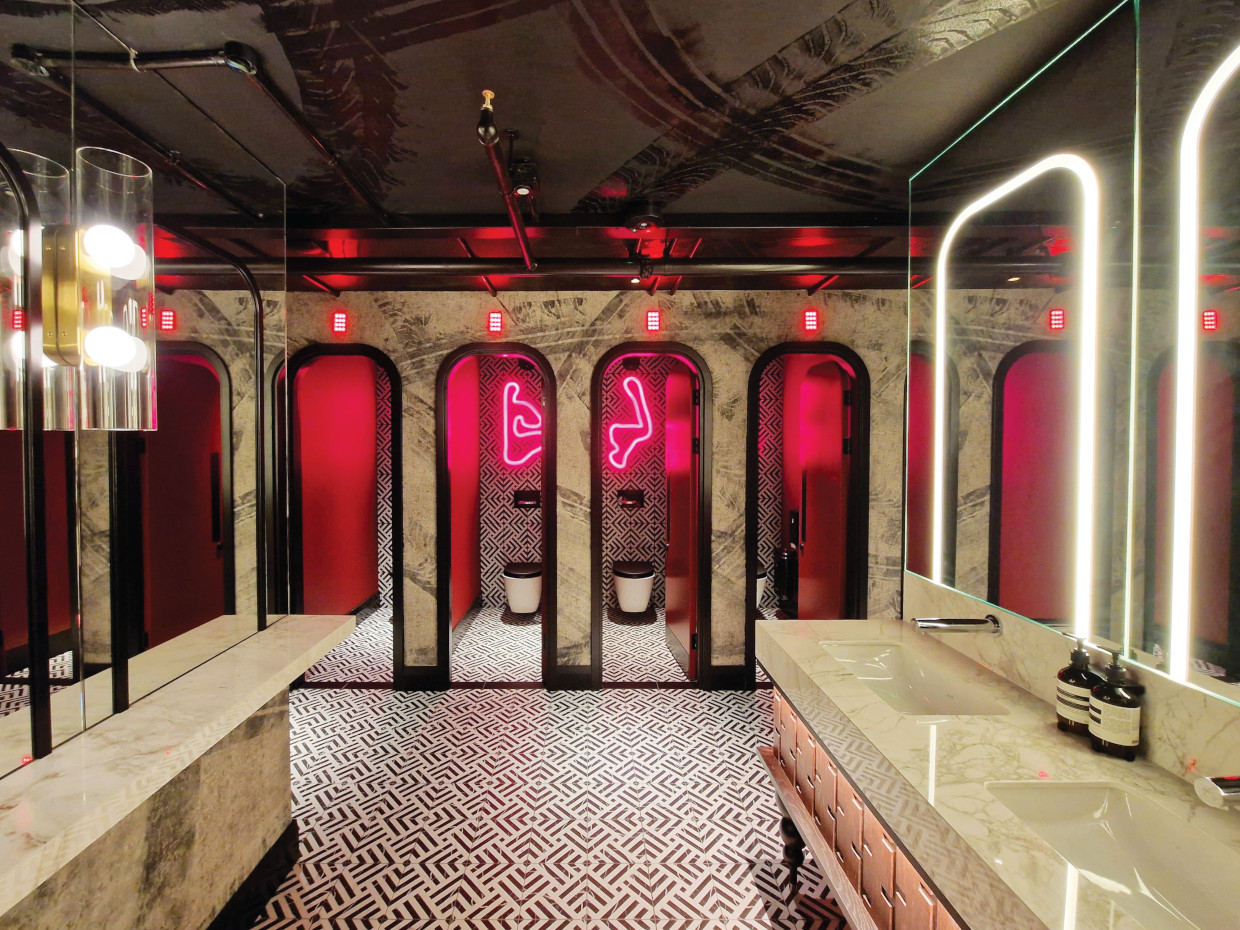
- 2024–2025: The delivery of the F1 Arcade flagship in Las Vegas marks the studio’s arrival on the world stage, showcasing its ability to navigate extreme regulatory and structural challenges.
"It couldn’t go any worse than that," Moisin reflects on the studio’s launch. "It was a pretty good way to start. When you begin at the bottom, you have the freedom to build a business with purpose, rather than just reacting to the market."
Philosophy: Beyond Aesthetics to Emotional Engineering
At the heart of every Anamo project is a rejection of the "aesthetic-first" approach. Moisin argues that in a world saturated with visual stimuli, design must serve a more profound function: the elicitation of emotion.
The Psychology of Space
Moisin’s approach begins with a question that precedes the material palette: How should this space make the guest feel?
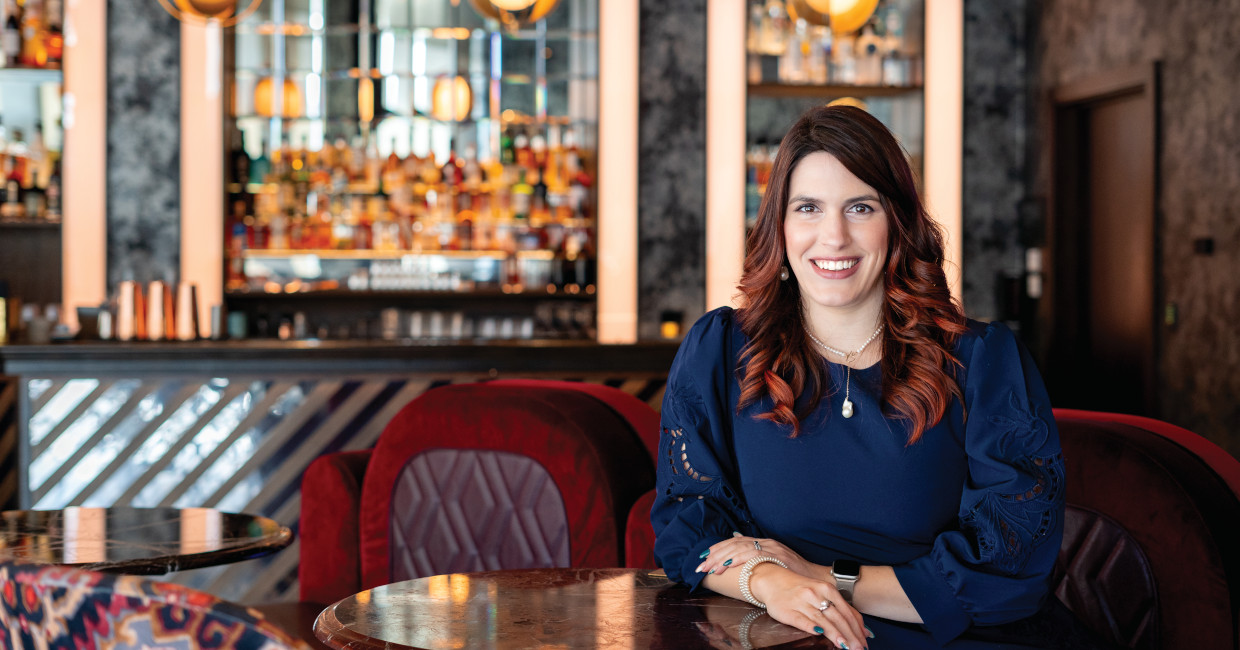
"We are engineering the feeling a brand wants to convey before the guest has even registered why," she explains. Whether the goal is to evoke the adrenaline of a race car driver or the deep, restorative calm of a luxury suite, the design is curated to elicit that specific response. This, she believes, is the only way to ensure a brand stays with a guest long after they have departed.
The "New Luxury"
The industry is currently witnessing a tectonic shift in what travelers define as "luxury." Extravagance is being superseded by a craving for authenticity and privacy. Moisin describes this as a reaction to our hyper-digital lives. "People are spending so much time connected to screens that they are craving spaces that are human, tactile, and grounded. True luxury today is about those personal, authentic moments."
Case Study: The Las Vegas Challenge
If the Octane Bar was the studio’s launchpad, the F1 Arcade in Las Vegas was its proving ground. Occupying 2,000 square meters across five combined units, the project was a logistical labyrinth.
Overcoming Structural Hurdles
The venue presented a myriad of challenges: from complex building regulations to the discovery of unforeseen services hidden within the structure of the existing site. Yet, for the Anamo team, these obstacles were merely variables in a creative equation.
"Everything in Vegas is shouting," says Moisin. "We had to push the acceleration pedal. We couldn’t hesitate for one second."
Hospitality-First Technology
A significant risk in designing an experiential venue like the F1 Arcade is that the technology can overshadow the hospitality. Moisin’s team fought to ensure the venue remained "hospitality-first." The success of the project is measured by the fact that many guests mistake it for an upscale nightclub or a high-end bar—a testament to the success of the atmosphere they engineered.
Implications for the Future of Hotel Design
As the lines between work, life, and travel blur, Moisin believes hotels are at a crossroads. The traditional model of a static reception desk and a vacant lobby is, in her view, a missed opportunity.
The Sanctuary vs. The Social Hub
Moisin advocates for a dual-function approach to hotel design:
- The Guest Room as Sanctuary: A cocoon-like environment where privacy and restoration are paramount. Achieving this requires meticulous attention to acoustics, layered lighting, and intuitive, frictionless layout design.
- The Common Area as Catalyst: Lobbies should not be transit points; they should be dynamic hubs that invite social interaction.
"Most lobbies are empty the majority of the time," she notes. "By designing spaces that encourage interaction and welcome the local community, hotels can create a sense of energy that makes the property a destination in its own right, rather than just a place to sleep."
Sustainable Design: A Pragmatic Approach
Sustainability in design has often been relegated to a "box-ticking" exercise, but Moisin takes a more rigorous, pragmatic view. She challenges the industry’s obsession with recycled content if it comes at the expense of durability.
"If a sustainable material needs to be replaced in two years, is it really sustainable?" she asks. Her philosophy prioritizes longevity, maintenance, and "fitness for purpose." A material that lasts for decades is, by definition, more environmentally responsible than a short-lived, trend-focused alternative.
This ethos extends to the studio’s own operations—reducing travel, optimizing logistics, and maintaining a culture of internal accountability. "It has to start with us," Moisin asserts. "Sustainability is not a brochure feature; it is part of how you work every day."
Looking Ahead: A Global Ambition
As Anamo Design Studio looks toward the future, its project pipeline spans the globe—from a boutique cinema in Ireland designed to reclaim the magic of the movies, to experiential destinations in Melbourne and New York.
Despite this global reach, the core mission remains unchanged. The studio is eager to tackle more boutique hotel projects, specifically those that lean into communal design. By focusing on how architecture can facilitate human connection, Anamo is positioning itself as a leader in the next generation of hospitality design.
Summary of Key Principles
- Emotional Connection: Design must be engineered to evoke specific feelings.
- Frictionless Experiences: The best design is invisible; the guest should never have to wonder how a room works.
- Purposeful Sustainability: Longevity and durability are the ultimate markers of environmental responsibility.
- Community Integration: Hotels must be active, vibrant spaces that welcome both residents and locals.
For Ana Moisin, the goal is simple: to create spaces that don’t just exist, but endure. By putting human experience at the center of the design process, Anamo Design Studio is ensuring that its work will continue to resonate, one guest at a time, long after the trends have faded.
For more information on the studio’s current and upcoming projects, visit www.anamostudio.com.

 Siti Muinah

 Rifan Muazin

