

 Lina Hope
 Iffa Jayyana
 Lina Irawan
 Ammar Sabilarrohman
 Ali Ikhwan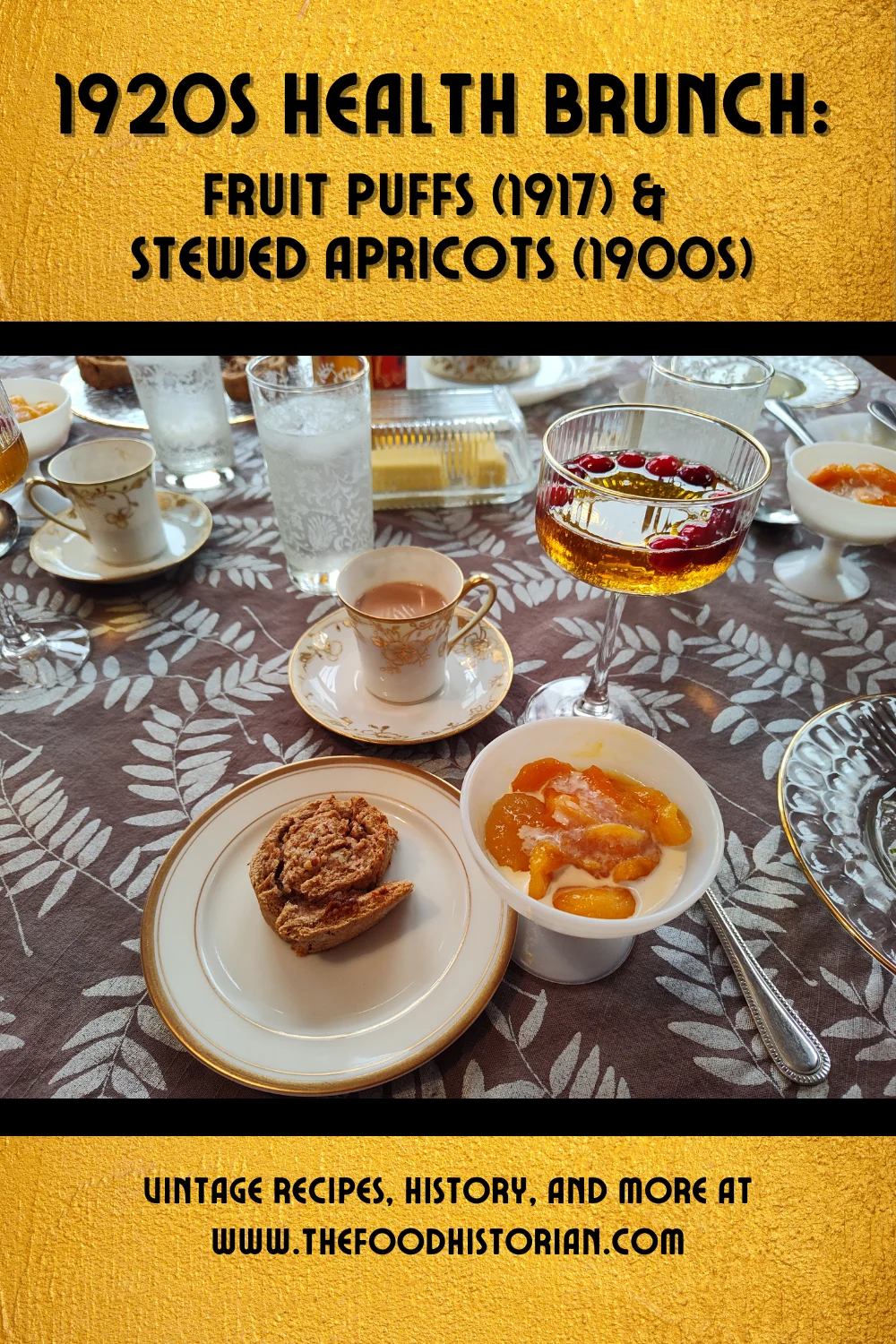
In the early decades of the 20th century, the American dining table was undergoing a radical transformation. As the nation transitioned away from the heavy, meat-and-lard-centric diets of the Victorian era, a new vanguard of home economists, medical professionals, and health reformers began to rewrite the rules of nutrition. This movement—an eclectic blend of scientific inquiry, moral posturing, and industrial innovation—sought to cure the "American malady" of poor digestion while navigating the complexities of a changing food supply.
Our exploration of this era’s culinary landscape concludes with a deep dive into the sweet, often misunderstood treats that defined the 1920s "Health Brunch." By examining period recipes like "Fruit Puffs" and the ubiquitous "Stewed Apricots," we uncover how a generation grappled with the early science of nutrition, the rise of the temperance movement, and the birth of modern food marketing.
The Foundations of Early 20th-Century Nutrition
To understand the 1920s menu, one must first understand the state of nutritional science at the time. Today, we obsess over caloric density and macronutrient ratios, but in 1917, the field was in its infancy. The calorie had only been applied to food energy in the 1890s, and the landmark discovery of vitamins—those invisible keys to health—was only just beginning, with the first vitamin isolated in 1912.
In this vacuum, sugar was often viewed with startling ambiguity. While modern nutritionists flag refined sugar as a primary culprit for obesity and metabolic dysfunction, 1920s scientists largely viewed carbohydrates as pure, "clean" energy. For a society grappling with the Temperance movement, sugar served as a convenient "vice substitute." If one could not indulge in the intoxicating spirits of the past, a sugar-sweetened treat was viewed by many as a harmless, invigorating alternative.

However, not all agreed. John Harvey Kellogg, the famed physician and wellness advocate, stood as a vocal opponent of the sugar industry. His public falling-out with his brother, Will Kellogg, over the inclusion of sugar in their signature corn flakes, became a defining legal and ideological battle of the era. While Will eventually won the rights to the brand, John Harvey’s crusade against the "hazardous" nature of sugar highlights the internal conflict of the age: was food a source of pure energy, or a potential toxin?
A Chronology of Digestive Reform
The primary driver of dietary change in the early 1900s was not weight loss, but the battle against "dyspepsia" and chronic constipation. The 19th-century diet was notoriously heavy, leading to widespread digestive complaints that preoccupied medical professionals and home economists alike.
- 1850s–1890s: The foundation of California’s fruit industry is laid. Catholic missions introduce Mediterranean crops, including plums, grapes, and apricots, but commercial scaling remains limited.
- 1905–1912: The era of the "Cooperative." Growers consolidate into powerful entities like the California Fruit Growers Exchange (Sunkist) and the California Associated Raisin Company (Sun-Maid), standardizing access to fruit.
- 1914–1918: World War I forces a shift in consumer behavior. With white wheat flour reserved for the military, Americans are urged to go "wheatless," leading to a surge in the popularity of whole grains, cornmeal, and oats.
- 1917: Robert Addison Harrison publishes The National Food and Health Book, a manifesto for wartime conservation and nutritional literacy, featuring the recipe for "Fruit Puffs."
- 1920s: The "Health Brunch" becomes a cultural touchstone. California produce, now widely available and marketed as health-conscious, becomes the centerpiece of the modern, refined table.
The Role of Fiber and the "Perfect Food"
During this period, fruits and vegetables were often dismissed by scientists as "filler." Because they lacked the dense concentrations of protein and fat found in dairy, they were categorized strictly as "roughage." Milk, conversely, was held in the highest esteem as the "perfect food," due to its balanced profile of all three major nutrients as understood at the time.
To solve digestive issues, home economists championed the consumption of dried fruits—prunes, raisins, figs, and apricots—which were portable, inexpensive, and shelf-stable. The prune, in particular, became a household staple for digestive health, a reputation it maintains to this day. This era also solidified the status of the "Oatmeal Raisin" cookie and the "Fig Newton" as "health foods," a classification that remains embedded in the modern American psyche despite the high sugar content inherent in these snacks.

Supporting Data: The California Agricultural Boom
The availability of these health-promoting snacks was directly tied to the agricultural explosion in California. By the 1920s, the state had perfected the cultivation of crops that would become the backbone of the American pantry:
- Prunes: Commercial production began in the Santa Clara Valley in the 1850s, eventually leading to the formation of the Sunsweet brand in 1917.
- Raisins: The introduction of the "Thompson Seedless" grape in the 1870s transformed the San Joaquin Valley into a global hub for raisin production.
- Dates: The final major fruit to be introduced, dates arrived in the Coachella Valley in the early 20th century, cementing the region’s role in the "healthy" dessert market.
These cooperatives did more than grow food; they invented the modern marketing of produce. By branding fresh and dried fruits as essential components of a civilized, healthy life, these organizations successfully pivoted the public away from heavy pies and toward the "Sunland" salads and fruit-based snacks that defined the era.
Recreating the Past: The Case of "Fruit Puffs"
To truly understand the 1917 culinary experience, one must attempt to replicate it. Robert Addison Harrison’s The National Food and Health Book offers a fascinating look at how wartime restrictions dictated flavor profiles. His recipe for "Fruit Puffs" is essentially a rustic, whole-wheat biscuit pinwheel—a far cry from the light, airy pastry the name might suggest.
The Original 1917 Methodology:
The recipe calls for a simple dough of flour, baking powder, salt, butter, and milk, rolled into a rectangle, brushed with melted butter, and sprinkled with dates, nuts, cinnamon, and sugar. It is then rolled like a cinnamon roll and baked in a hot oven.

Modern Lessons Learned:
In a recent attempt to recreate this dish, several hurdles became apparent. First, whole-wheat flour, which was the standard during the "wheatless" campaigns of WWI, has a much higher absorption rate than the refined white flour used in modern baking. Failure to adjust the liquid ratios results in a dry, dense biscuit. Furthermore, the 1917 recipe’s instruction to "flatten" the rounds before baking is counter-intuitive to the modern baker but speaks to a time when texture was secondary to the functional, calorie-dense utility of the ingredients.
Implications for Modern Health Eating
The history of the 1920s Health Brunch offers a sobering reflection on the cyclical nature of diet culture. We see the same patterns today: the promotion of specific "superfoods," the moralization of eating habits, and the influence of industrial branding on our definitions of what is "healthy."
The 1920s reformers were correct that whole grains and fiber were essential, but they were misled by the limited science of their time regarding sugar and the true complexity of human digestion. Yet, there is a certain charm in the simplicity of their approach. The "Stewed Apricot," served with a dollop of cream, remains a testament to the idea that dessert does not always need to be a complex, laboratory-engineered creation.
As we look toward the future, the legacy of the 1920s reminds us that nutrition is not merely a set of data points, but a cultural dialogue. The "Fruit Puff" may not have been the light, fluffy treat its name promised, but it was an honest attempt to make the best of available resources during a time of global transition. By understanding the motivations of our predecessors, we can better navigate the dietary trends of our own time, perhaps with a bit more skepticism and a greater appreciation for the humble, dried fruits that have sustained generations.

 Dwi Wanna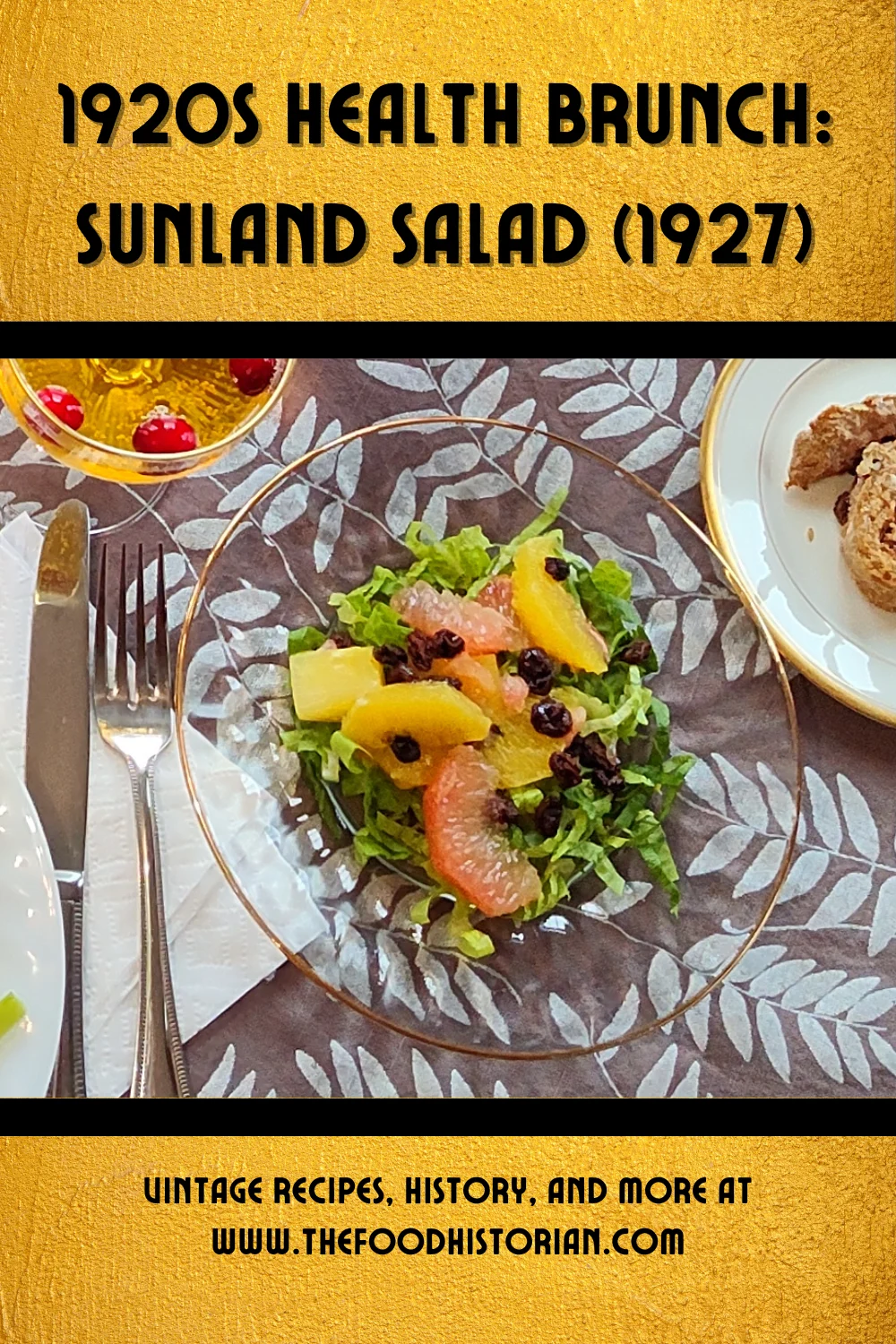
 Rifan Muazin
