

 Reynand Wu
 Sagoh
Sagoh
 Basiran
 Evan Lee Salim
 Jia Lissa
 Rifan Muazin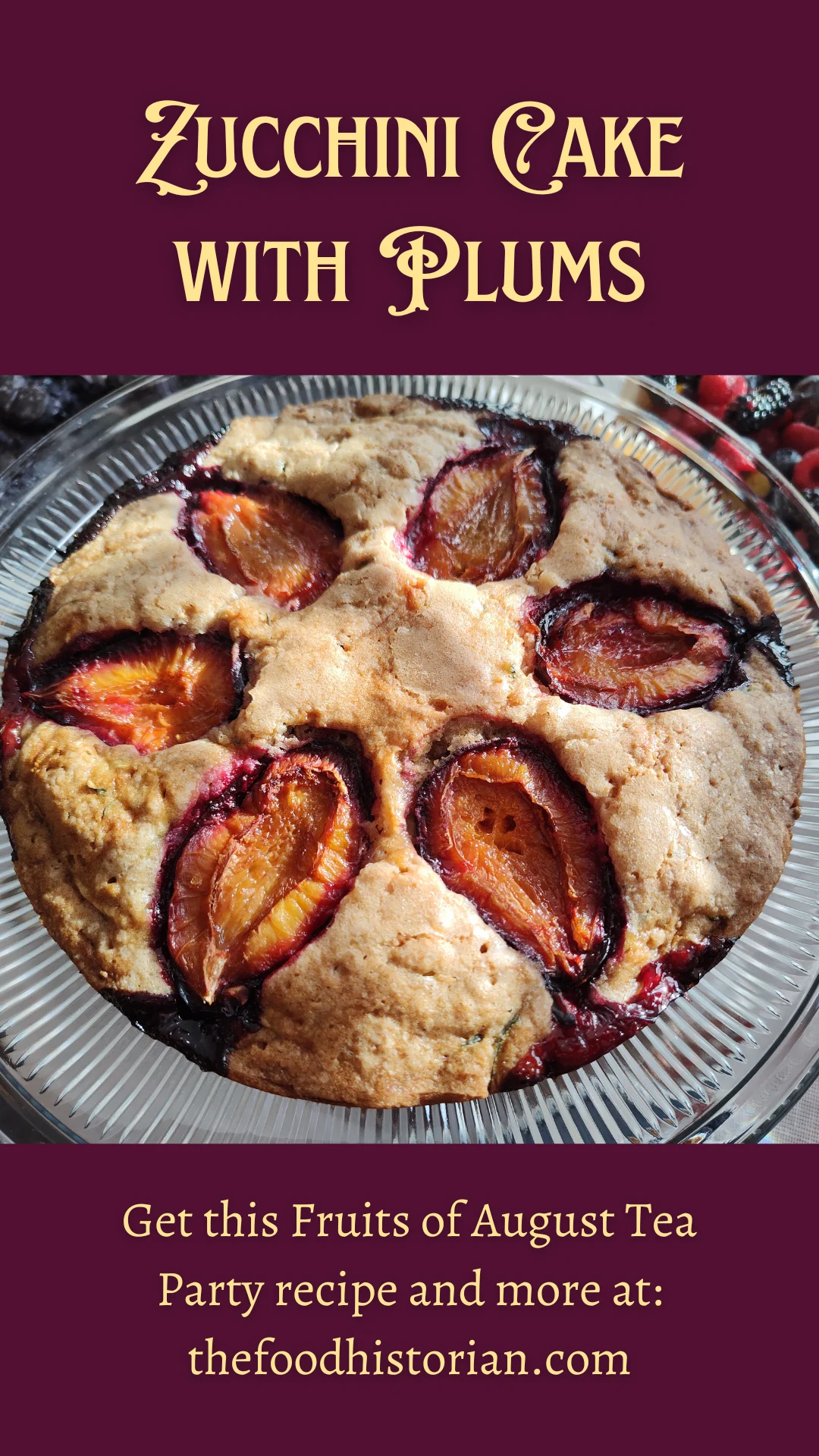
Late summer in the American Midwest is a time of abundance, warmth, and a peculiarly frantic social ritual involving the neighborhood’s most prolific vegetable: the zucchini. As garden patches swell with oversized, "baseball bat-sized" squash, the local joke persists that residents lock their car doors not to prevent theft, but to avoid returning to find their back seats filled with the unwanted bounty of an overzealous neighbor’s garden.
While common culinary wisdom suggests roasting, grilling, or stewing this ubiquitous summer crop, a growing movement of home bakers is reclaiming the zucchini, transforming it from a savory side dish into the star of the dessert table. The culmination of this seasonal shift is best represented by a sophisticated, rustic Zucchini Cake with Plums—a dish that blurs the lines between bread and confection, offering a masterclass in seasonal baking.
The Evolution of a Regional Staple
The journey of the zucchini from the garden patch to the dessert plate is a reflection of the evolving Midwestern culinary identity. For decades, the region was unfairly labeled "flyover country," a moniker that implied a lack of gastronomic ambition. However, the 1990s saw a renaissance in regional literature, spearheaded by cookbooks that celebrated the marriage of traditional heartland staples with bold, contemporary flavors.

Among the most influential of these texts is Savoring the Seasons of the Northern Heartland: 200 Recipes Blending Bold New Flavors with the Traditional Foods of the Upper Midwest, authored by Beth Dooley and Lucia Watson in 1994. The book serves as a cornerstone of the modern farm-to-table movement in the region. Within its pages, under the chapter "Come for Coffee: Cakes, Cookies, and Bars," lies the blueprint for what is commonly, and perhaps mistakenly, labeled "zucchini bread."
By applying the technical precision of a pastry chef to this rustic base, modern bakers are demonstrating that when treated with the right aromatics and complementary seasonal fruits, the zucchini serves as a perfect, moisture-rich canvas for complex spice profiles.
Chronology of a Culinary Transformation
The transition of this specific recipe from a traditional bread to a refined cake follows a logical path of culinary improvisation:
- The Base Formulation (1994): Dooley and Watson codified the original Zucchini Bread recipe, relying on a robust mix of flour, sugar, oil, and eggs to create a dense, satisfying loaf.
- The Structural Critique (Modern Day): Bakers recognized that the term "bread" was merely a misnomer for a cake that happened to be baked in a loaf pan. By transitioning to round cake pans, the texture shifts from a dense, sliced breakfast item to a sophisticated dessert.
- The Seasonal Integration: The addition of Italian prune plums provides a sharp, acidic contrast to the earthiness of the zucchini and the warmth of the cinnamon. This addition echoes the legendary Marian Burros Plum Torte, once a staple of the New York Times food section, which relied on a similar dense batter to support the weight of the fruit.
- Refinement: Through iterative testing, the sugar content has been adjusted downward, and the addition of nuts has been omitted to allow the natural sweetness of the plums and the delicate flavor of the zucchini to take center stage.
Supporting Data: The Anatomy of the Recipe
To replicate this seasonal success, one must understand the interaction of ingredients. The following specifications outline the requirements for a high-quality Zucchini Cake with Plums:
Ingredients
- Dry Components: 3 cups all-purpose flour, 1 teaspoon baking soda, 1/4 teaspoon baking powder, 3 teaspoons ground cinnamon, 1 teaspoon salt.
- Wet Components: 1 1/2 cups sugar (reduced from the original 2 cups for a more balanced profile), 1 cup vegetable or canola oil, 3 large eggs, 3 teaspoons pure vanilla extract.
- The Garden Element: 3 cups unpeeled, grated zucchini (approximately 2 medium squash).
- The Seasonal Finish: 6 large Italian prune plums, halved and pitted.
Technical Methodology
- Preparation: Preheat the oven to 350°F (175°C) and ensure two 9-inch cake pans are generously buttered.
- Incorporation: Using a rotary grater for the zucchini ensures the moisture is consistent. The wet ingredients (sugar, oil, eggs, vanilla) are beaten until smooth before the dry ingredients are folded in. The resulting batter will be notably thick—a hallmark of a cake intended to hold the weight of stone fruit.
- Assembly: Once the zucchini is incorporated, the batter is distributed evenly into the pans. Dropping the pans onto a counter helps eliminate air bubbles, ensuring a consistent crumb.
- The Plum Arrangement: The prune plums are placed atop the batter in a star pattern. As the cake rises, the fruit sinks slightly, creating a caramelized effect where the plum juices bleed into the cinnamon-spiced batter.
- Baking: 45 to 60 minutes at 350°F, or until the center springs back when touched.
Official Perspectives on Regional Baking
Industry experts and food historians often point to the 1990s as the "Golden Age" of Midwestern cookbook publishing. During this time, the narrative of "jello salads and mystery casseroles" began to dissipate, replaced by a nuanced understanding of the northern climate’s agricultural potential.
"The beauty of this recipe," notes one regional culinary enthusiast, "is its refusal to mask the vegetable. By using unpeeled zucchini, you retain the color and the slight textural contrast. When paired with the tartness of an Italian prune plum, the zucchini loses its status as a ‘hidden’ ingredient and becomes a structural necessity."

Furthermore, the practice of adapting old recipes—such as the New York Times Plum Torte methodology—demonstrates the "canny cook’s" approach to kitchen efficiency. By utilizing a thick batter that supports heavy fruit, the cook ensures that the cake remains moist for several days, making it an ideal candidate for freezing or gifting.
Implications for the Modern Kitchen
The success of the Zucchini Cake with Plums carries several implications for the home baker:
1. The Versatility of "Flyover" Ingredients
This recipe proves that the stigma surrounding "glut" vegetables is a failure of imagination rather than a limitation of the ingredient. When treated with the same respect as a high-end pastry component, the zucchini reveals itself to be an essential tool for achieving superior moisture content in cakes.

2. Nutritional Evolution
Future iterations of this recipe look toward the inclusion of whole wheat or spelt flour. These grains offer a nutty depth that complements the cinnamon and the earthy profile of the zucchini, while also creating a sturdier crumb. This shift toward ancient grains is representative of a broader movement in American baking to prioritize flavor density over the refined, airy textures of the mid-20th century.
3. Sustainability and Waste Reduction
The practice of baking two cakes—one to consume and one to share or freeze—aligns with the ethos of community-centric cooking. In an era where food waste is a significant environmental concern, utilizing an entire garden’s yield of zucchini through baking is a practical, sustainable, and highly rewarding endeavor.
4. Cultural Preservation
By keeping these recipes alive and adapting them, home cooks act as custodians of regional history. The dialogue between the 1994 Savoring the Seasons text and today’s kitchen ensures that the Midwestern tradition of "coffee cakes and bars" remains a vibrant, evolving part of the American landscape.

Conclusion
As the "Fruits of August" season draws to a close, the Zucchini Cake with Plums stands as a testament to the rewards of seasonal cooking. It is a dish that honors its origins while welcoming the refinements of the modern palate. Whether served plainly alongside a morning coffee or elevated with a dollop of whipped cream for dessert, it serves as a reminder that the most humble ingredients, when met with a bit of patience and ingenuity, can produce the most memorable results.
As the garden begins to fade and the first hints of autumn arrive, the memory of this cake—its dense, cinnamon-spiced crumb and the tart, bright burst of the late-summer plum—remains as one of the definitive experiences of the Midwestern harvest.


 Neng Nana
 Azzam Bilal Chamdy
