

 Nana Wu

 Dwi Wanna

 Suro Senen

 Evan Lee Salim

 Layla Zulfa
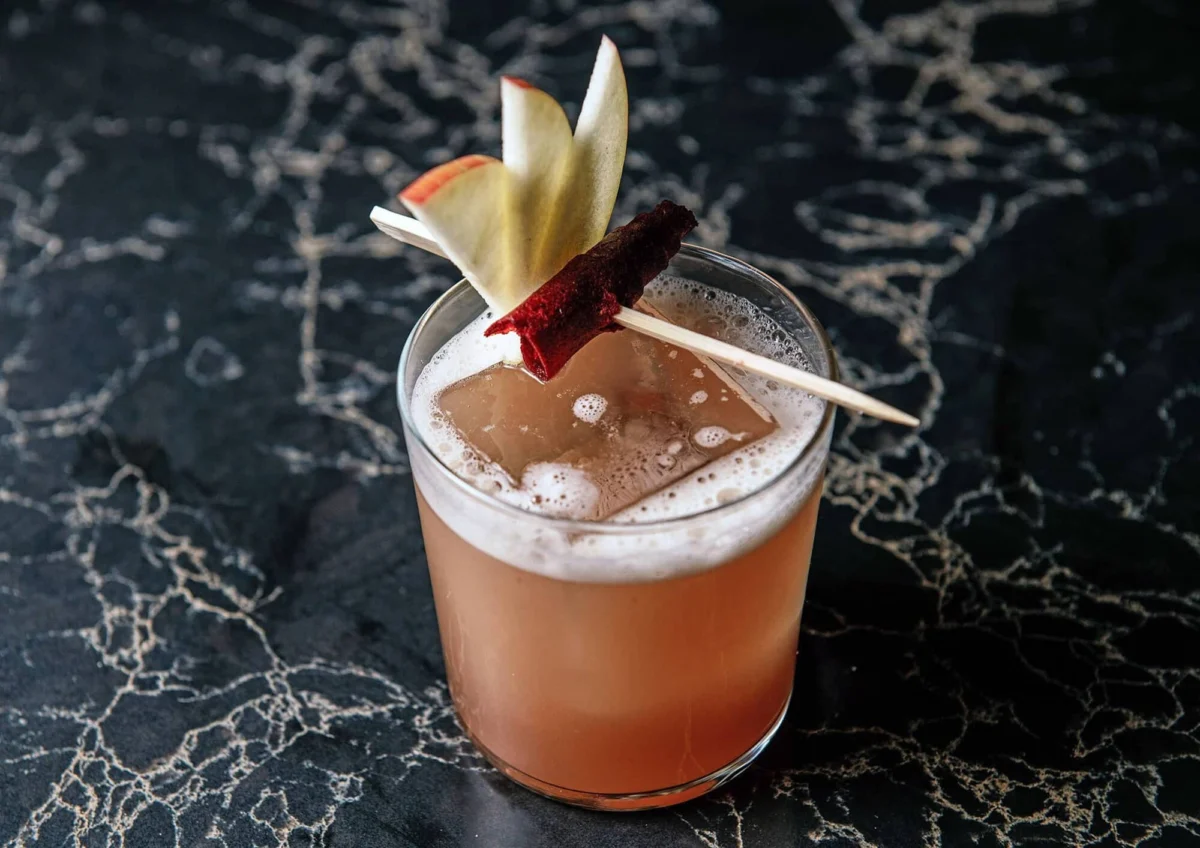
As the mercury drops and the leaves begin their inevitable transition into shades of amber and gold, the sensory landscape of the season shifts. The air turns crisp, and the palate naturally gravitates toward the comforting, harvest-driven flavors of autumn. Central to this seasonal evolution is the apple—a fruit that finds its most expressive form in cider. Whether pressed fresh, reduced into a concentrated syrup, fermented into a dry hard cider, or distilled into the potent spirits of the orchard, apple cider has emerged as the definitive protagonist of the modern home bar.
The versatility of apple cider in mixology is profound. It acts as a bridge between the rustic, earthy notes of fall and the refined complexity of craft spirits. From the smoky depths of a whiskey-forward toddy to the bright, effervescent kick of a shandy, the inclusion of cider provides an essential backbone of acidity, sweetness, and terroir that is difficult to replicate with other ingredients.
Main Facts: The Renaissance of Orchard-Based Mixology
The current obsession with apple cider in the cocktail world is not merely a passing trend; it is a fundamental reassessment of seasonal ingredients. Mixologists are moving beyond the cliché of "cider as a fall mixer" and are instead treating it as a primary component that dictates the structural integrity of a drink.
There are three primary ways cider is utilized in modern bars:
- Fresh/Unfiltered Cider: Providing raw, fruit-forward acidity and a cloudy, textural depth.
- Hard Cider: Offering carbonation, yeast-driven funk, and a lower ABV profile that allows for lighter, refreshing long drinks.
- Reductions and Syrups: Concentrated apple flavor that provides intense viscosity and sweetness, perfect for balancing high-proof spirits.
By integrating these elements, home bartenders can create drinks that span the spectrum from warming, fireside companions to vibrant, palate-cleansing aperitifs.
Chronology: From Farmhouse Tradition to Cocktail Staple
The history of the apple in the American drink landscape is as old as the country itself. However, its trajectory in the cocktail world has seen a distinct evolution:
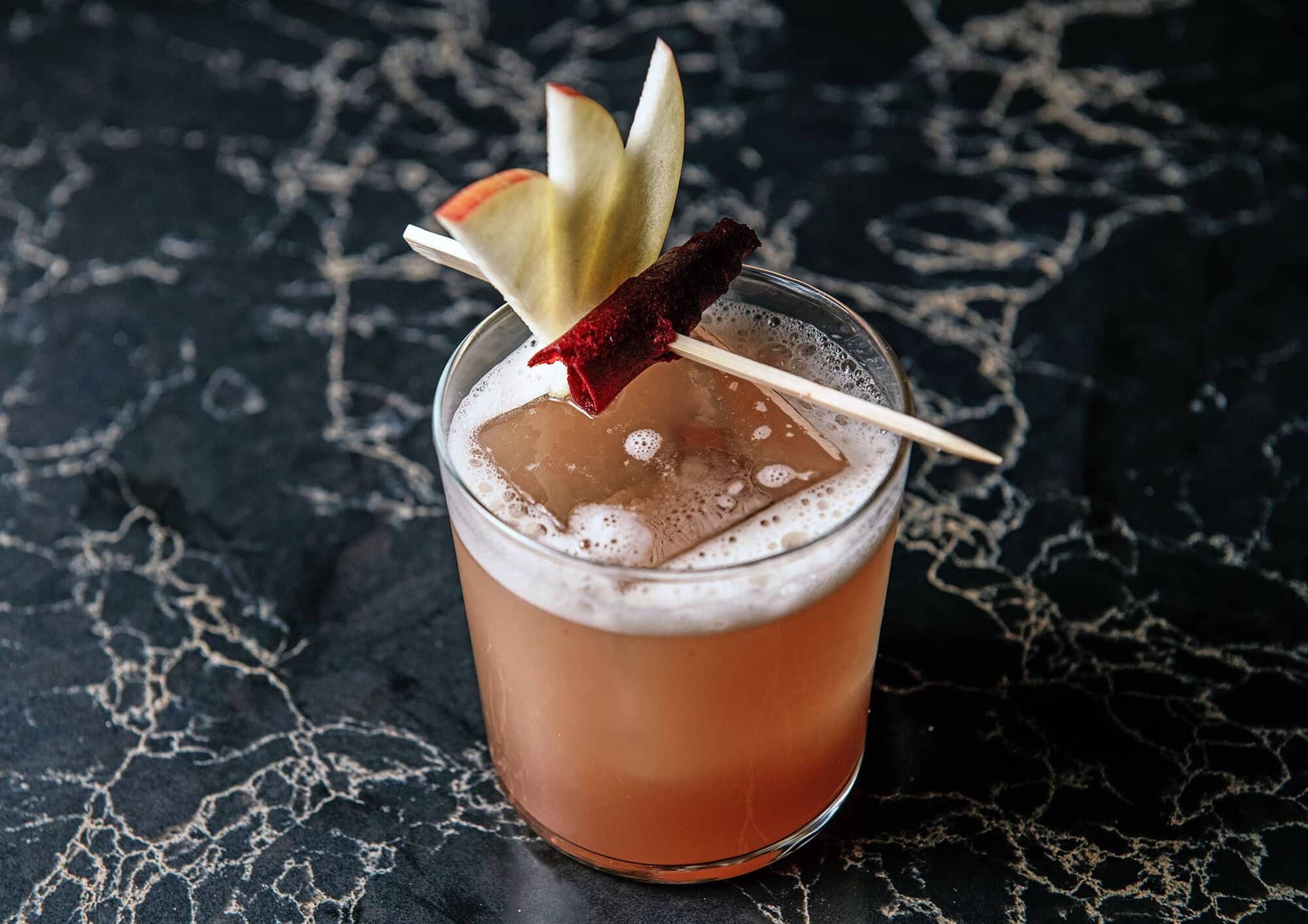
- 18th & 19th Century: The era of the "Stone Fence." Historically a simple mixture of cider and rum or applejack, it was the working man’s drink, prized for its simplicity and the abundance of local orchard yields.
- Early 2000s: The craft cocktail revival began to focus on local sourcing. Bartenders rediscovered historical recipes, leading to a renewed appreciation for Calvados and American apple brandies.
- 2010–2015: The rise of the "Autumnal Signature." Cocktail bars began experimenting with spice-forward syrups and infusions, pairing cider with amari and barrel-aged spirits.
- Present Day: The "Elevated Orchard" movement. We are currently in an era where the quality of the cider—often sourced from single-varietal orchards—is treated with the same reverence as single-malt Scotch or vintage wine.
Supporting Data: Why Cider Works
The chemical profile of apple cider makes it a master of balance. Apples contain a complex array of malic and tartaric acids, which provide a crisp, clean finish that cuts through the richness of heavy spirits like bourbon or rye.
When combined with the botanical complexity of an amaro or the heat of a ghost pepper tincture, cider acts as a buffer. For instance, in recipes like the Maine Hot Fire, the cider tempers the extreme spice of the chili, allowing the whiskey’s oak notes to shine. In the Sweater Weather cocktail, the cider provides the necessary fruit sugar to marry the bitterness of a dark spirit with the aromatic intensity of fall spices.
Featured Profiles in Modern Mixology
The following cocktails serve as case studies for how specific spirits interact with the orchard’s bounty:
- The Double Apple Cocktail: A tribute to Middle Eastern hookah culture, this drink creates a bridge between the intense, anise-forward profile of Arak and the crisp, orchard notes of Calvados.
- The Flannel Shirt: Perhaps the quintessential autumn drink, this cocktail by Jeffrey Morgenthaler demonstrates how Scotch whisky—traditionally a "sipping" spirit—can be transformed into a comforting, high-volume seasonal beverage through the addition of cider.
- The Sinsear: This recipe highlights the synergy between ginger and apple. The spiciness of the ginger root elevates the natural sugars in the cider, creating a drink that is both warming and invigorating.
Official Perspectives: Industry Experts on Cider Integration
Professional bartenders emphasize that the secret to a great cider cocktail lies in the "acid-sugar-spirit" triad.
"You aren’t just adding juice to a glass," says one prominent industry consultant. "You are adding a complex fermented product. If you use a mass-produced, overly sweetened cider, you lose the character of the spirit. We encourage home bartenders to seek out local, dry, or ‘scrumpy’ ciders that have a bit of bite. That acidity is your best friend when you’re working with high-proof spirits like rye or high-rye bourbon."
The consensus among industry leaders is clear: the movement toward "low-intervention" ciders has been the single biggest driver of the cider cocktail boom. As consumers become more educated about apple varieties—moving away from generic "Red Delicious" profiles toward heritage varieties like Winesap or Kingston Black—the cocktails themselves have become more nuanced.
Implications for the Home Bar
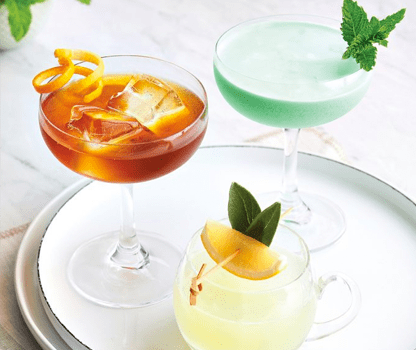
The shift toward cider-based mixology has significant implications for the home bartender. It democratizes the craft. Unlike some modern cocktails that require expensive centrifuges, rare tinctures, or obscure spirits, the cider cocktail is inherently accessible.
The Seasonal Shift
As the season progresses, the way we use these ingredients should shift. Early in the season, when fresh cider is abundant, focus on bright, short drinks that showcase the raw fruit. As the weather turns truly cold, transition to the "Toddy" style of drinks—heated, spiced, and rich—where the cider is reduced or simmered to coax out the caramelized sugars of the apple.
Essential Equipment and Techniques
To master the art of the cider cocktail, consider these techniques:
- The Reduction: Simmer your cider on the stove until it reaches 25% of its original volume. This creates a "cider syrup" that adds unparalleled depth to an Old Fashioned.
- The Carbonation Factor: When using hard cider, treat it as the "lengthener." Pour it into the glass last to ensure you retain the effervescence that makes a Shandy or a highball sing.
- Temperature Control: For hot drinks, never boil the cider. Keep it just below a simmer to preserve the delicate aromatic compounds that are destroyed by high heat.
Looking Forward: The Future of the Orchard
The marriage of apples and alcohol is not a trend that will vanish with the spring thaw. We are seeing a permanent expansion of the "orchard-to-glass" movement. Distilleries across the United States are increasingly focusing on pommeau and apple brandies, ensuring that the essence of the apple is preserved long after the harvest has ended.
For the home bartender, this means that the tools for a perfect autumn cocktail are more available than ever. Whether you are shaking up a Central Park to Lumphini with its complex herbaceous layers or stirring a Stone Fence for a crisp, rye-forward experience, you are participating in a long tradition of celebrating the most versatile fruit in the temperate world.
The apple is, and always has been, the heart of the harvest. By bringing it to the home bar, you are not just making a drink; you are bottling the essence of the season. As the nights grow longer and the fireplace becomes the focal point of the home, let the humble cider be your guide to a more refined, more seasonal, and more flavorful autumn.

 Basiran

