

 Raul Delapena Setiawan
 Ammar Sabilarrohman
 Lina Irawan
 Suro Senen
By Emily Saladino
May 11, 2026
From the chalk-laden, subterranean labyrinths of Champagne to the sun-drenched vineyards of the Pacific Northwest, the world of sparkling wine is defined by a delicate tension between nature and precision. Whether it is the persistent, elegant bead of a prestige cuvée or the wild, untamed effervescence of a rustic pét-nat, the character of every bottle is dictated by a rigorous set of chemical and physical choices. As winemakers navigate the path from grape to glass, the decisions made regarding fermentation, pressure, and aging transform simple fruit juice into a globally celebrated sensory experience.
Main Facts: The Anatomy of Bubbles
At its core, sparkling wine is the result of carbon dioxide trapped within a liquid. While the end product is universally loved, the "how" behind the "fizz" varies significantly. The fundamental challenge for any sparkling winemaker is the management of a second fermentation.
In still wine, the carbon dioxide produced during the initial conversion of sugar into alcohol is allowed to dissipate into the atmosphere. In sparkling wine, this gas is captured. The method of capture—whether within a sturdy glass bottle, a massive stainless-steel pressure tank, or even inside the bottle during the primary fermentation—defines the wine’s texture, aromatic profile, and longevity.
A Chronological Evolution of Fizz
The history of sparkling wine is a journey of accidental discovery turned into an exact science.
The Ancient Origins
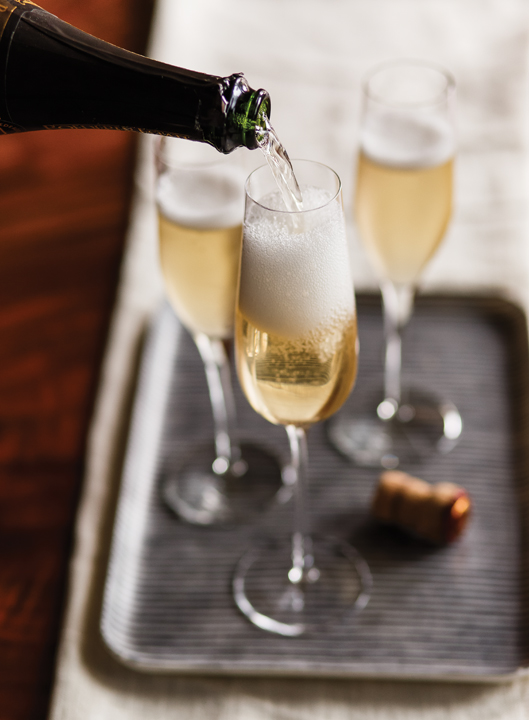
Long before the sophisticated glass-blowing techniques required for high-pressure bottles existed, the "Ancestral Method" (méthode ancestrale) reigned supreme. Historically, winemakers noticed that if they bottled wine before the initial fermentation was complete, the remaining sugars and yeast would continue to interact in the sealed bottle, creating natural carbonation. This "low-fi" approach—used today for modern pét-nats—is unpredictable, often resulting in cloudy, rustic, and highly expressive wines that capture the raw character of the fruit.
The Rise of the Traditional Method
By the 17th century, the refinement of glass manufacturing in France allowed for the development of what we now know as méthode champenoise. This was a paradigm shift. It introduced the concept of the liqueur de tirage (a precise blend of yeast and sugar added to a finished base wine) and the patient, multi-year maturation on lees (dead yeast cells). This method turned sparkling winemaking from a seasonal, spontaneous occurrence into a high-art industrial process.
The Industrial Revolution and Tank Methods
As the 20th century dawned, the demand for sparkling wine outpaced the labor-intensive requirements of the traditional method. The Charmat method, or "Tank Method," emerged as a solution. By conducting the second fermentation in large, sealed stainless-steel tanks rather than individual bottles, producers could achieve consistent, fruit-forward bubbles at a fraction of the cost and time, paving the way for the global explosion of Prosecco and other accessible, aromatic sparklers.
Supporting Data: Comparative Methodologies
To understand why a bottle of prestige Champagne can cost hundreds of dollars while a bottle of Prosecco remains an affordable everyday staple, one must examine the variables of time, labor, and chemistry.
Méthode Champenoise (The Traditional Method)
- Process: Secondary fermentation occurs in the individual bottle.
- Time Commitment: Minimum of 15 months on lees, often extending to a decade or more.
- Key Characteristics: Complex, savory notes (brioche, toast, roasted nuts) derived from yeast autolysis; fine, persistent mousse; high longevity.
- Geographic Footprint: Champagne, Cava, Franciacorta, and high-end domestic sparkling programs (e.g., Treveri Cellars).
The Charmat Method (Tank Method)
- Process: Secondary fermentation occurs in pressurized stainless steel tanks; the wine is filtered and bottled under pressure.
- Time Commitment: Usually weeks to months.
- Key Characteristics: Preservation of primary fruit aromas (green apple, citrus, melon); light, crisp texture; generally meant for immediate consumption.
- Geographic Footprint: Prosecco, German Sekt, and various value-driven sparkling wines worldwide.
The Ancestral Method (Pét-Nat)
- Process: Bottled before primary fermentation finishes; no secondary addition of sugar or yeast.
- Time Commitment: Variable; often bottled young.
- Key Characteristics: Highly variable, often rustic; can be cloudy due to sediment; unpredictable effervescence.
- Geographic Footprint: Bugey Cerdon, Limoux, and the burgeoning "natural wine" movement globally.
Official Perspectives: The Philosophy of the Cellar
The debate between these methods is not merely about technical efficiency; it is about the intended soul of the wine.
Christian Grieb, owner and winemaker at Treveri Cellars in Wapato, Washington, argues that the traditional method remains the gold standard for structural integrity. "The flavors you get from the traditional method are far superior," Grieb notes. "It’s creating all this complexity you didn’t have before. Think about sourdough versus a slice of white bread you get at the supermarket. Those flavors are epic." For Grieb, the labor of riddling—the systematic rotating of bottles to draw sediment into the neck—is a necessary sacrifice for the resulting depth and ageability of the product.
Conversely, Emilien Boutillat, chef de caves at Champagne Piper-Heidsieck, acknowledges the necessity of diverse methodologies. While his house focuses on the rigorous standards of Champagne, he respects the clarity offered by the tank method for different expressions. "With the charmat method, the goal is usually to preserve primary fruit," Boutillat explains. "The wines are more direct, aromatic, and often easier to approach when young, but they don’t develop the same depth or structure as wines made with méthode champenoise."
Boutillat also highlights the cultural shift toward the ancestral method. "It can be more spontaneous and less controlled, sometimes with a softer effervescence and a more rustic profile," he says, noting that for the modern consumer, this lack of polish is often perceived as an authentic, desirable trait.
Implications: The Future of the Fizz
The sparkling wine industry stands at an interesting crossroads. As climate change impacts grape acidity and ripening cycles, winemakers are being forced to adapt their methods. In warmer regions, maintaining the high acidity required for sparkling wine base is becoming more difficult, leading some to experiment with early harvesting and alternative grape varieties.
Furthermore, the "Transfer Method"—a hybrid approach where wine undergoes secondary fermentation in the bottle but is then moved to a tank for filtering—has gained traction for large-format bottling, such as the single-serve splits found in travel and hospitality. While often looked down upon by purists, it offers a pragmatic solution for scaling high-quality sparkling wine without the prohibitive costs of individual-bottle disgorgement.
Ultimately, the choice of method is a choice of identity. A producer opting for the carbonation (industrial) method is signaling a commitment to price-point consistency and mass-market accessibility. A producer investing in years of bottle-aging is signaling a commitment to historical legacy and structural complexity.
For the consumer, the implications are clear: the diversity of the sparkling category has never been greater. Whether you are reaching for a crisp, fruity Prosecco to brighten a Tuesday evening or a long-aged, yeast-forward prestige cuvée for a milestone celebration, you are participating in a conversation that spans centuries of human ingenuity. Each bubble is a testament to a winemaking decision, a reflection of terroir, and a piece of history captured in glass. In an era where authenticity and craftsmanship are increasingly valued, understanding the "how" behind the "pop" transforms the act of drinking into an act of appreciation.

 Nana Wu
 Asep Darmawan