 Nana Wu
 Sagoh
 Azzam Bilal Chamdy

 Jia Lissa
 Neng Nana
Main Facts: A Masterclass in Baking History
On Wednesday, October 28, 2026, the global baking community will have the rare opportunity to engage with one of the most transformative figures in modern culinary history. The Culinary Historians have announced an exclusive, interactive presentation featuring Rose Levy Beranbaum, the legendary author whose seminal work, The Cake Bible, fundamentally altered how home bakers approach the science of dessert.
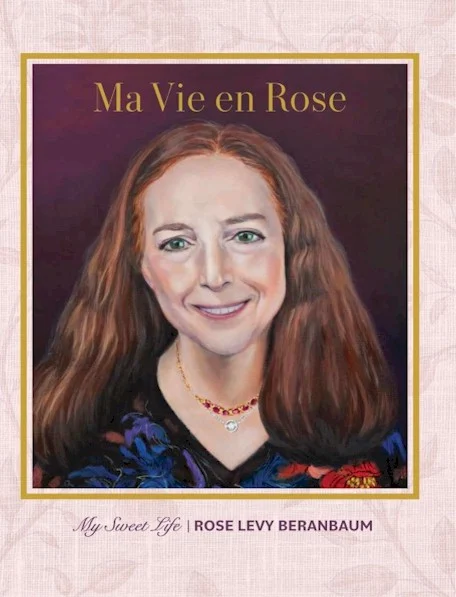
The event, held via Zoom at 7:00 PM Central Time, serves as both a retrospective of a storied career and a deep dive into the evolution of baking techniques. Beranbaum, a three-time James Beard Foundation Award winner and inductee into the James Beard Cookbook Hall of Fame, will discuss her latest project: her highly anticipated memoir, Ma Vie en Rose.
This presentation is not merely a lecture; it is a masterclass in the intersection of food science, personal history, and the evolution of the American kitchen. Attendees will gain insight into the meticulous research that turned baking from a "pinch of this and a dash of that" craft into a precise, weight-based discipline.
Chronology: From Food-Averse Child to Culinary Titan
To understand the gravity of Beranbaum’s influence, one must trace the trajectory of her life—a journey she chronicles with candid honesty in Ma Vie en Rose.
The Early Years: A Sensitive Beginning
Beranbaum’s relationship with food was not always defined by the professional precision that characterizes her work today. Growing up in post-war New York, she was a self-described "sensitive, food-averse child." Her early years were marked by a lack of interest in the culinary arts, a fact that makes her eventual mastery of the field all the more poignant. Her transition from an indifferent eater to a scientist of the oven is the central narrative arc of her memoir, offering a humanizing look at a woman who would later be hailed as the "diva of desserts."
1988: The Birth of a Bible
The publication of The Cake Bible in 1988 remains the "Big Bang" of the modern baking era. Before its release, many home baking recipes relied on subjective measurements—"a cup of flour" could vary significantly in weight depending on how it was packed. Beranbaum championed the use of standardized weights, a practice then largely confined to professional laboratories.
The book’s success was immediate and enduring. Now in its 60th printing, with a 35th-anniversary edition released in 2024, it continues to serve as the foundational text for aspiring bakers. It didn’t just provide recipes; it provided a methodology, teaching readers the "why" behind the "how."
The Modern Era: 14 Books and Counting
Following the success of her debut, Beranbaum did not rest on her laurels. She has authored 14 additional best-selling books, each delving into the nuances of breads, cookies, and pastries. Her work has consistently bridged the gap between the professional pastry chef and the home cook, demystifying ingredient science and empowering individuals to replicate high-end bakery results in their own kitchens.
Supporting Data: The Science Behind the Success
A significant portion of the upcoming presentation will focus on the technical innovations that Beranbaum introduced—or refined—for the home market. Most notable among these is the "reverse creaming" technique.
Decoding the Reverse Creaming Method
The conventional creaming method—whisking fat and sugar until aerated before adding flour—has been the industry standard for generations. However, this method carries risks: over-mixing once the flour is added can lead to excessive gluten development, resulting in a tough or "bready" cake.
Beranbaum’s advocacy for the reverse creaming method (also known as the "paste method") challenged decades of culinary convention. In this process:
- Fat and Flour are combined first: This coats the flour particles in fat, creating a barrier that inhibits the development of long gluten strands.
- Liquid and Sugar are added later: The result is a crumb that is exceptionally tender, velvety, and consistent.
"Conventional wisdom in the 1940s dictated that this method was only viable with shortening, as butter was deemed too temperamental for such a process," notes a spokesperson for the Culinary Historians. "Rose didn’t just disagree; she proved that with the right technique, butter could yield an even superior result. She turned the science of fat-flour interaction into a precise art form."
The "Frosting on the Cake"
Attendees of the October 28 event will be treated to more than just theory. Beranbaum will provide a deep dive into her renowned "All-Occasion Downy Yellow Cake," a recipe that perfectly illustrates the success of the reverse creaming technique. This recipe remains a touchstone in her repertoire, representing the marriage of historical technique and modern culinary efficiency.
Official Responses and Industry Recognition
The stature of Rose Levy Beranbaum in the culinary world is difficult to overstate. Her contributions have been recognized by the most prestigious organizations in the food industry:
- James Beard Foundation: Beyond her three individual wins, her induction into the Cookbook Hall of Fame serves as a permanent testament to her impact on American literature and food culture.
- IACP (International Association of Culinary Professionals): Beranbaum has received both the Lifetime Achievement Award and the Cookbook of the Year honor, signaling the respect she commands among her peers.
"Rose Levy Beranbaum is a pillar of the culinary world," says a representative from the Culinary Historians. "Her influence is biblical. When we look at how home baking has evolved over the last 40 years, we see the fingerprint of her precision, her dedication to science, and her unwavering belief that anyone can bake like a master if they understand the mechanics of their ingredients."
Implications: The Future of Culinary Education
The significance of this event extends beyond a single evening. It reflects a growing interest in "culinary archaeology"—the desire to understand the origins of our favorite dishes and the pioneers who refined them.
Bridging the Gap
Beranbaum’s work has implications for the future of food technology. By promoting precision in the home kitchen, she has paved the way for a more knowledgeable consumer base. As people become more interested in the chemistry of food, the demand for "science-based" cooking—an approach Beranbaum pioneered—continues to rise.
A Legacy in Ink and Flour
By releasing Ma Vie en Rose, Beranbaum is ensuring that the story behind the recipes is preserved for future generations. For many, the "why" of the recipe is just as important as the ingredients list. This memoir, combined with her technical library, creates a comprehensive map of 20th and 21st-century baking.
Join the Conversation
The Culinary Historians invite all who are interested in the evolution of food to participate in this virtual event.
- Date: Wednesday, October 28, 2026
- Time: 7:00 PM Central Time
- Location: Via Zoom
- Inquiries: For those wishing to register or ask questions, please email [email protected] or visit http://www.CulinaryHistorians.org.
In an era where digital content is often ephemeral, this session promises a substantial look at a life well-lived and a craft well-mastered. Whether you are a professional baker looking to understand the history of your trade, or a home cook looking to perfect your yellow cake, this evening with Rose Levy Beranbaum is a rare opportunity to learn from the woman who literally wrote the book on baking.

 Asep Darmawan