

 Nana Wu

 Dwi Wanna

 Suro Senen

 Evan Lee Salim

 Laily UPN
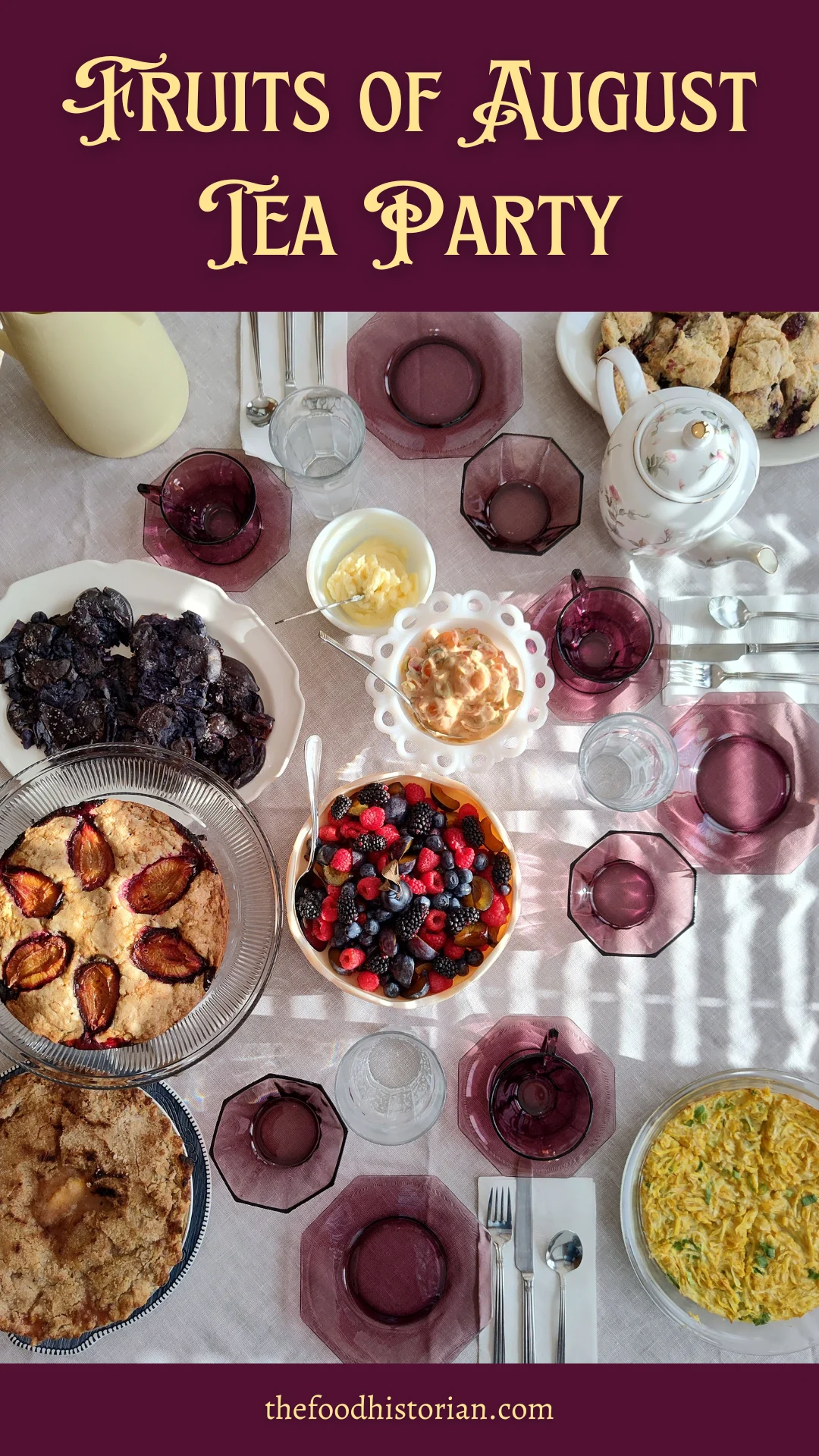
As the humid, golden haze of late August settles over the landscape, the transition between the peak of summer and the cooling whispers of autumn becomes a tangible, sensory experience. It is a "liminal space"—that fleeting period when garden produce remains at its most abundant, yet the leaves begin their slow, deliberate turn toward amber and gold. For many, this time of year brings a frantic shift in energy, particularly for educators facing the "dread and excitement" of a new academic term.
To mark this transition, a recent intimate tea party served as both a celebration of the season and a creative experiment in vintage culinary arts. Centered on a harvest-inspired menu and the elegant aesthetic of mid-century glassware, the event highlighted the intersection of history, gardening, and the unpredictable nature of the kitchen.
The Aesthetic of Nostalgia: Hazel Atlas Moroccan Amethyst
The centerpiece of the gathering was a collection of Hazel Atlas Moroccan Amethyst glassware, a thrift-store find that provided the visual anchor for the table. Produced in the 1960s, these pieces feature a striking octagonal geometry that bridges the gap between mid-century modern minimalism and the vibrant, decorative glass trends often associated with the 1930s.

The glass itself is a unique, translucent "plummy" purple with distinct red undertones. Unlike the standard royal or deep violets common in modern glassware, the Moroccan Amethyst collection exudes a warmth that mirrors the late summer landscape. The choice of these dishes dictated the culinary direction of the afternoon: a "purple and gold" theme that celebrated seasonal staples such as blackberries, plums, peaches, and the deep-hued skin of purple potatoes.
Chronology of the Harvest Tea
The preparation for the event was a deliberate process of sourcing and planning, designed to showcase local agriculture.
- Sourcing (Early August): The planning phase began with a trip to local farmstands to secure peak-season zucchini, yellow squash, Italian prune plums, and heirloom cherry tomatoes.
- Preparation (The Week Prior): The menu was finalized to include a mix of savory and sweet offerings, blending historical recipes with modern adaptations.
- Execution (The Day Of): The tea party was hosted in the late afternoon, allowing the natural light to catch the amethyst glass, enhancing the color palette of the food.
- The "Recipe Fail" Analysis (Post-Event): Following the gathering, a critical assessment of the menu was conducted, specifically regarding the "Yellow Corn and Squash Frittata," which served as the primary deviation from a successful event.
The Menu: A Study in Seasonal Flavors
The "Fruits of August" menu was curated to highlight the bounty of the harvest. Each dish was selected to complement the plum-toned dinnerware while maintaining a balanced flavor profile:
- Summer Squash and Corn Frittata: Adapted from a 1968 recipe by Lois Burpee.
- Crispy Smashed Potatoes with Smoky Tomato Salsa: A hearty, savory counterpoint to the sweetness of the fruit dishes.
- Fruits of August Salad: A vibrant mixture of blueberries, raspberries, blackberries, and local black plums.
- Blackberry Cornmeal Scones: Served with honey butter; a nod to the textural richness of late summer corn.
- Zucchini Cake with Plums: An adaptation of a 1994 recipe, highlighting the versatility of late-summer zucchini.
- Peach Pie: A classic, crust-heavy finish featuring an almond spice crumble.
- Peach Raspberry Tea: A custom blend of Harney & Son’s Raspberry and Bigelow’s Perfectly Peach.
Historical Context: The Legacy of Lois Burpee
Central to the event’s narrative was Lois Burpee’s Gardener’s Companion and Cookbook (1968). To understand the menu, one must understand the author. Lois Burpee (born Lois Torrance) was a woman of remarkable background, having lived through the privations of WWI rationing in Glasgow before returning to the Middle East and eventually settling on a Connecticut farm.
Her marriage to David Burpee of the legendary W. Atlee Burpee & Co. seed empire was a partnership of both love and science. Lois’s influence on the seed industry was profound; she shifted the company’s focus toward varieties prioritized for flavor and culinary performance rather than mere aesthetics. Her cookbook remains a significant cultural document, not merely for its recipes, but for its insights into the daily rhythms of gardening and home cooking in the mid-20th century.
The "Recipe Fail": A Critical Assessment
Despite the success of the tea party, the "Yellow Corn and Squash Frittata" stood out as an outlier. The recipe, which called for grated summer squash and "scraped" fresh corn bound by a light flour-and-egg base, failed to reach the desired consistency when baked in a 10-inch pie plate at 325°F.

Factors Contributing to the Failure
- Substitution Error: The use of frozen corn, even when grated, lacked the starch and liquid content of fresh, "scraped" corn, altering the structural integrity of the frittata.
- Methodological Deviation: The recipe was intended for stovetop preparation (a firm omelet style). By opting to bake it, the heat distribution was uneven, resulting in a center that remained raw despite a 30-minute bake time.
- Inhibited Intuition: The cook noted a failure to trust personal instinct—specifically the urge to add an extra egg and increase the seasoning—in favor of strict adherence to the printed, yet flawed, instructions.
Supporting Data: The Recipe as Written
| Ingredient | Amount |
|---|---|
| Flour | 2 tbsp |
| Salt | 1/4 tsp |
| Baking Powder | 1/4 tsp |
| Eggs | 2 large, beaten |
| Summer Squash | 1 (5-6 inches) grated |
| Scraped Corn | 1 cup |
| Melted Butter | 1.5 tbsp |
The failure serves as a reminder of the "liminality" of cooking: recipes are not static laws, but suggestions that must be negotiated with the specific environment of the kitchen and the nature of the ingredients at hand.
Implications for Culinary Experimentation
The "Fruits of August" experience offers several implications for home cooks and food historians alike. First, the importance of "freshness" in historical recipes cannot be overstated. When a recipe from 1968 calls for "scraped corn," it refers to a specific culinary technique and ingredient quality that modern frozen equivalents cannot replicate.
Second, the event highlights the social utility of the tea party. By carving out time for a deliberate, aesthetic-focused gathering, the participants were able to create a sanctuary against the impending busyness of the academic calendar. The act of using heirloom glassware and vintage recipes acts as a form of "culinary archeology"—a way to connect with the past while grounding oneself in the present season.

Conclusion: Lessons from the Garden
While the frittata may not have been the triumph the host envisioned, it provided a valuable lesson in the humility required in the kitchen. As the season turns from the vibrant growth of summer to the reflective, harvest-heavy days of autumn, the "Fruits of August" tea party proved that the value of a meal is rarely defined by the perfection of a single dish. Instead, it is found in the synthesis of history, local agriculture, and the shared company of a dear friend.
As we look toward the changing leaves, we are reminded that our tables—much like our lives—are always in a state of transition. Whether the result is a perfect scone or a slightly undercooked frittata, the effort of creating something from the season’s bounty is, in itself, a success worth celebrating. The host remains committed to further experimentation with the Burpee collection, proving that the best part of any recipe, failed or otherwise, is the next attempt.

 Sagoh
 Asep Darmawan

