

 Lina Irawan
 Lina Hope
 Rifan Muazin
 Neng Nana
 Jia Lissa
 Muslim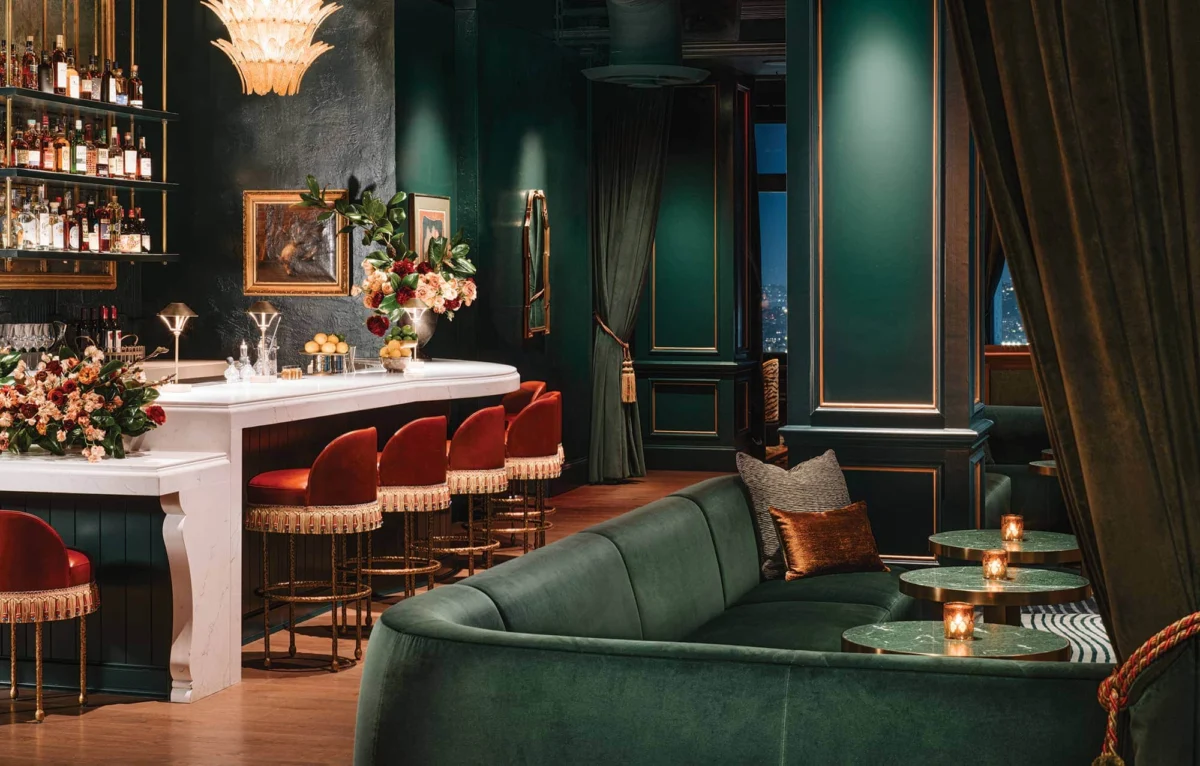
By Paul Clarke
October 5, 2026
In the early months of 2003, H. Joseph Ehrmann stood in a quiet, weathered dive bar in San Francisco’s Mission District. He had just purchased the space that would eventually become Elixir, a name now synonymous with the city’s storied cocktail history. Yet, at the time, his ambitions were humble. He wasn’t looking to change the landscape of global mixology; he was looking to run a reliable neighborhood watering hole.
“The cocktail thing was not a thing—it wasn’t even on my radar,” Ehrmann reflects, looking back at the era before the artisanal ice craze and the rise of the craft speakeasy. “My focus was on being a neighborhood bar, and when I opened, it was all about beers and shots—not cocktails.”
Ehrmann’s experience mirrors the innocence of a city on the precipice of a seismic cultural shift. Two decades later, San Francisco stands as a global titan of the cocktail world, a laboratory for liquid innovation where the boundaries of flavor are constantly being pushed. The journey from “beers and shots” to the sophisticated, high-concept programs found at modern landmarks like the newly reimagined Starlite is a story of grit, collaboration, and a relentless pursuit of liquid perfection.
The Incubation: Seeds of a Cocktail Revolution
While the early 2000s are often cited as the dawn of the craft cocktail era, the groundwork in San Francisco had been laid years prior. Long before the term “mixologist” became a household word, the Bay Area possessed an infrastructure of talent and curiosity that was uniquely San Franciscan.
The Early Catalysts
Venues such as the iconic Harry Denton’s Starlight Room—which recently underwent a massive transformation and reopened as Starlite in 2024—served as early training grounds for a generation of bartenders who would go on to shape the industry. Simultaneously, the gritty, innovative energy at places like 15 Romolo provided the freedom for bartenders to experiment with technique and ingredients in a way that hadn’t been seen in decades.
Perhaps most influential was the international influence of Tommy’s Mexican Restaurant. By introducing the world to the "Tommy’s Margarita"—a stripped-down, agave-forward masterpiece—the venue challenged the era’s reliance on neon-colored, syrupy sour mixes. It proved that San Francisco didn’t just follow trends; it created them.

Talent Incubators
The late 90s and early 2000s saw the rise of legendary “incubator” bars, specifically Absinthe Brasserie & Bar and the now-shuttered Slanted Door. These institutions operated like finishing schools for the industry’s elite.
Bartenders like Marco Dionysos, Jeff Hollinger, and Jonny Raglin refined their craft at Absinthe, while the halls of Slanted Door echoed with the early experiments of Erik Adkins, Jennifer Colliau, and Thad Vogler. Together, these figures were developing what would eventually be identified as a distinctly "San Francisco" style: a culinary-driven approach to drinks that prioritized fresh, seasonal produce and a deep, intellectual engagement with spirits history.
2006: The Year the Dam Broke
If the early 2000s were the incubation period, 2006 was the breakout year. The opening of Alembic and Bourbon & Branch shifted the narrative from "cocktail-friendly bars" to "destinations built around the cocktail."
The Bourbon & Branch Effect
Brian Sheehy, co-founder of Bourbon & Branch, attributes the success of the era to a perfect storm of talent and timing. He specifically points to the late, great founding bartender Todd Smith.
“Todd had 20 years of cocktail and spirits knowledge that he poured into the cocktail program he created for Bourbon & Branch,” Sheehy recalls. “And the top cocktail bartenders in San Francisco all looked up to Todd, so they lined up to support him and joined our team.”
The influence of that team cannot be overstated. With talent like Jon Santer, Dominic Venegas, and Neyah White behind the stick, the bar became a factory for innovation. It was here that modern classics like the Black Manhattan (Smith) and the Revolver (Santer) were birthed, drinks that would eventually find their way onto menus in London, Tokyo, and New York, cementing San Francisco’s place on the global map.
Culinary Precision: The West Coast Style
In the same year, the arrival of Rye further cemented the city’s reputation for excellence. Founded by Jon Gasparini and Greg Lindgren, Rye approached the bar program with the intensity of a Michelin-starred kitchen.
“There weren’t a lot of standalone bars in 2006 doing fresh, culinary-driven drinks—that was usually associated with a restaurant kitchen,” says Gasparini. “Cocktails were very precious and important, and we were doing the West Coast-style program with herbs and muddlers. We made it really hard on ourselves, but we’ve figured out over time how to make it easier.”
This "West Coast" philosophy emphasized the integration of local farmers’ market produce, house-made tinctures, and a level of technical precision that demanded respect. It moved the cocktail away from the “precious” category and into the realm of essential dining experiences.
Longevity and Evolution: Surviving the Shift
The history of the San Francisco bar scene is also a story of survival. The industry is notoriously fickle, and the post-pandemic landscape forced a massive recalibration. While some legends, like 15 Romolo, faced temporary closures, their resilience is a testament to the community’s dedication. 15 Romolo, for instance, is set to return this fall following an extensive refurbishment, proving that in this city, history is often written in chapters rather than single volumes.
The Secret to Endurance
When asked about the secret to longevity, H. Joseph Ehrmann, who eventually integrated a world-class cocktail program into Elixir, points to the necessity of constant evolution.
“Fads come and go, trends come and go—when I first opened, vodka was the biggest-selling thing, then everybody hated vodka,” he notes. “Then it was whiskey, and now it’s agave—you have to be cognizant of what people want.”
This adaptability is the hallmark of the successful San Francisco operator. The bars that have lasted decades are not those that remained static, but those that treated their menus as living documents, constantly responding to the shifting palates of the local population.
Implications for the Future
As we look toward the future, the lessons of the past two decades are clear: the cocktail is no longer an outlier; it is a fundamental pillar of the hospitality industry.
The Institutionalization of Craft
Today, the "craft" ethos has been fully integrated into the mainstream. The techniques pioneered by the likes of Adkins, Colliau, and Smith—such as the use of fresh juice, ice management, and the revival of obscure amari—are now standard operating procedures for any serious bar in the country.
The Next Frontier: Agave and Beyond
If the early 2000s were about rediscovering the classics, and the 2010s were about the rise of the craft spirit, the current era is defined by the "Agave Revolution." As Ehrmann points out, the shift toward mezcal and tequila is not just a trend; it represents a deeper desire for terroir-driven spirits.
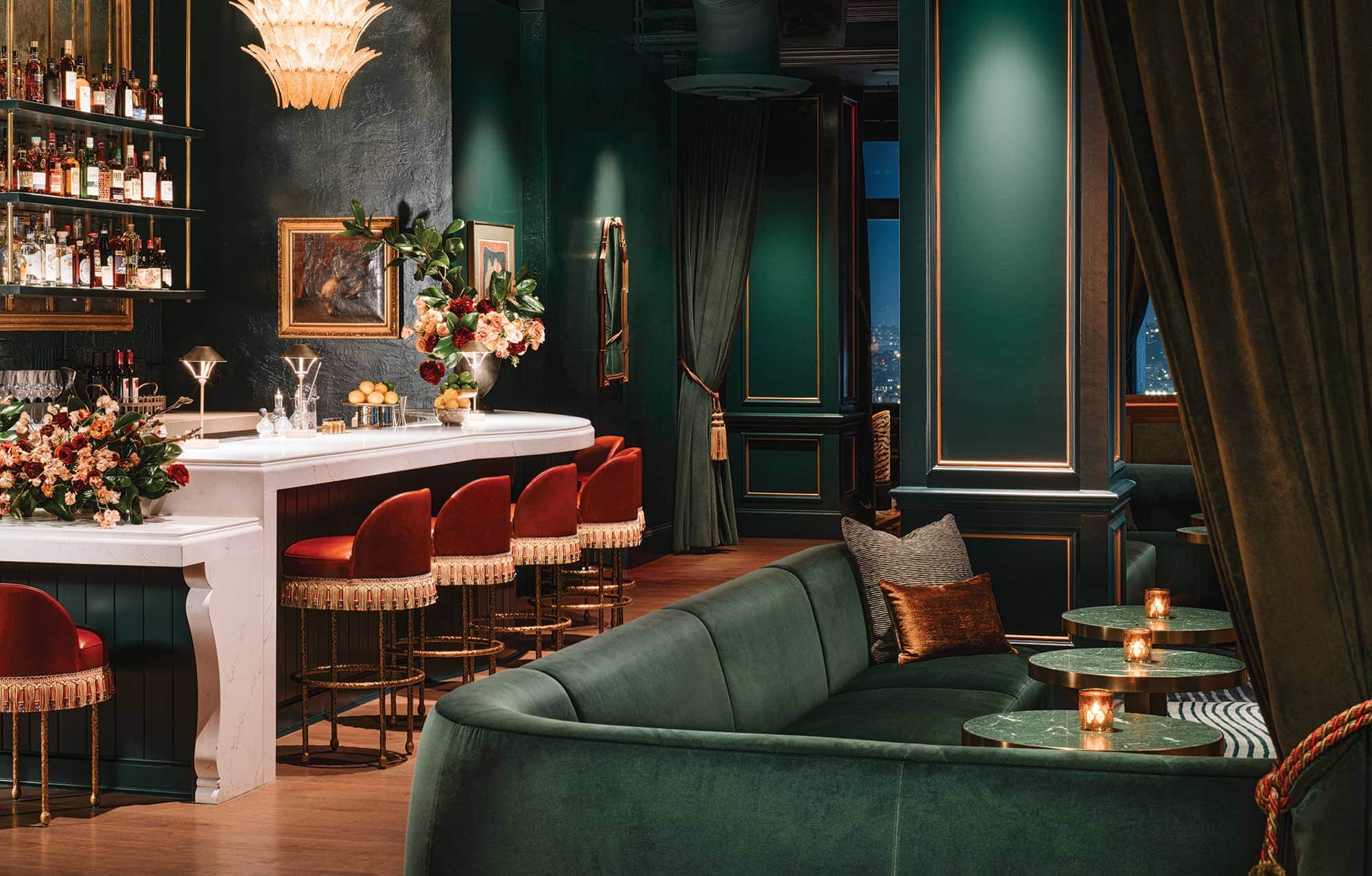
San Francisco continues to be the epicenter of this movement. With bars like the reimagined Starlite pushing the boundaries of what a hotel bar can be—blending historical architecture with forward-thinking drink programs—the city ensures that it will not rest on its laurels.
Conclusion: A Living Legacy
San Francisco’s cocktail history is not merely a collection of recipes or a list of famous bars; it is a tapestry of relationships, a legacy of mentorship, and a testament to the city’s restless spirit.
From the dive bar origins of Elixir to the high-concept elegance of the modern era, the evolution of the city’s drink culture serves as a case study in how a niche interest can transform into a defining cultural export. The bartenders who lined up at Bourbon & Branch in 2006 to learn from Todd Smith are now the mentors of the next generation, ensuring that the standards of excellence set during that pivotal year continue to be upheld.
As the city moves forward, the "San Francisco way"—a blend of culinary curiosity, historical reverence, and a refusal to be defined by trends—remains the gold standard. Whether it is a simple, perfectly balanced Margarita or a complex, multi-layered original creation, the spirit of the Mission, and the city at large, remains as potent as ever. The glasses are full, the ice is clear, and the conversation is just getting started.


 Pevita Pearce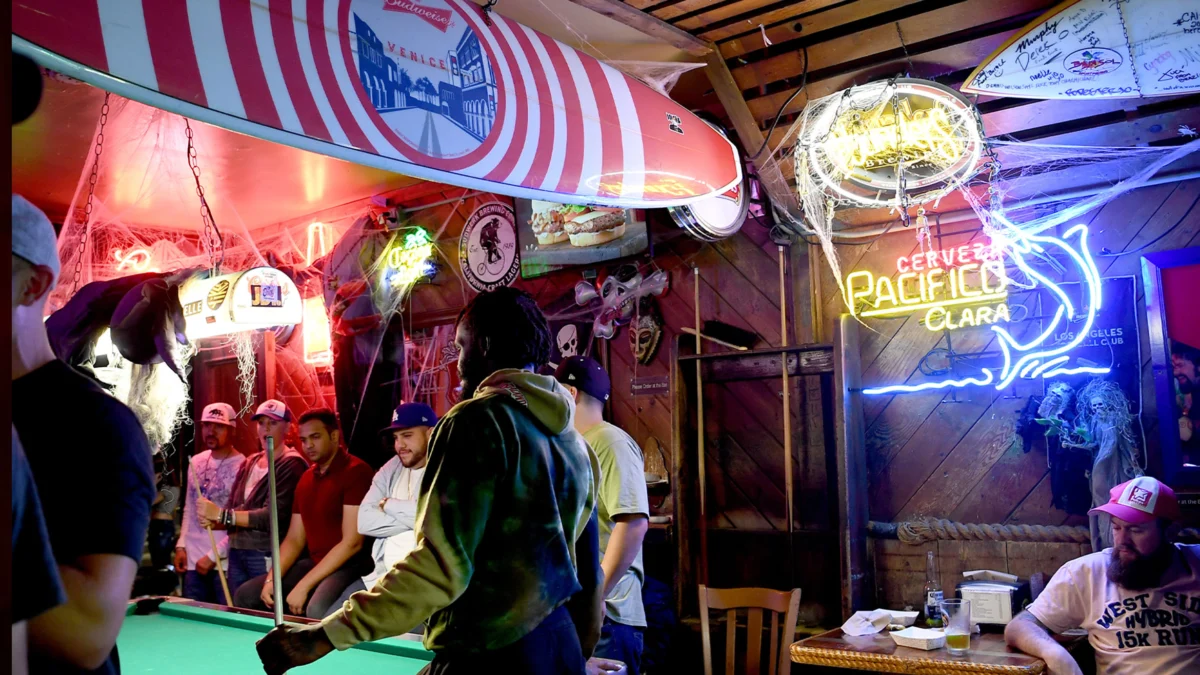
 Ali Ikhwan
