

 Dwi Wanna
 Nana Wu
 Muslim
 Reynand Wu
 Ammar Sabilarrohman
 Laily UPN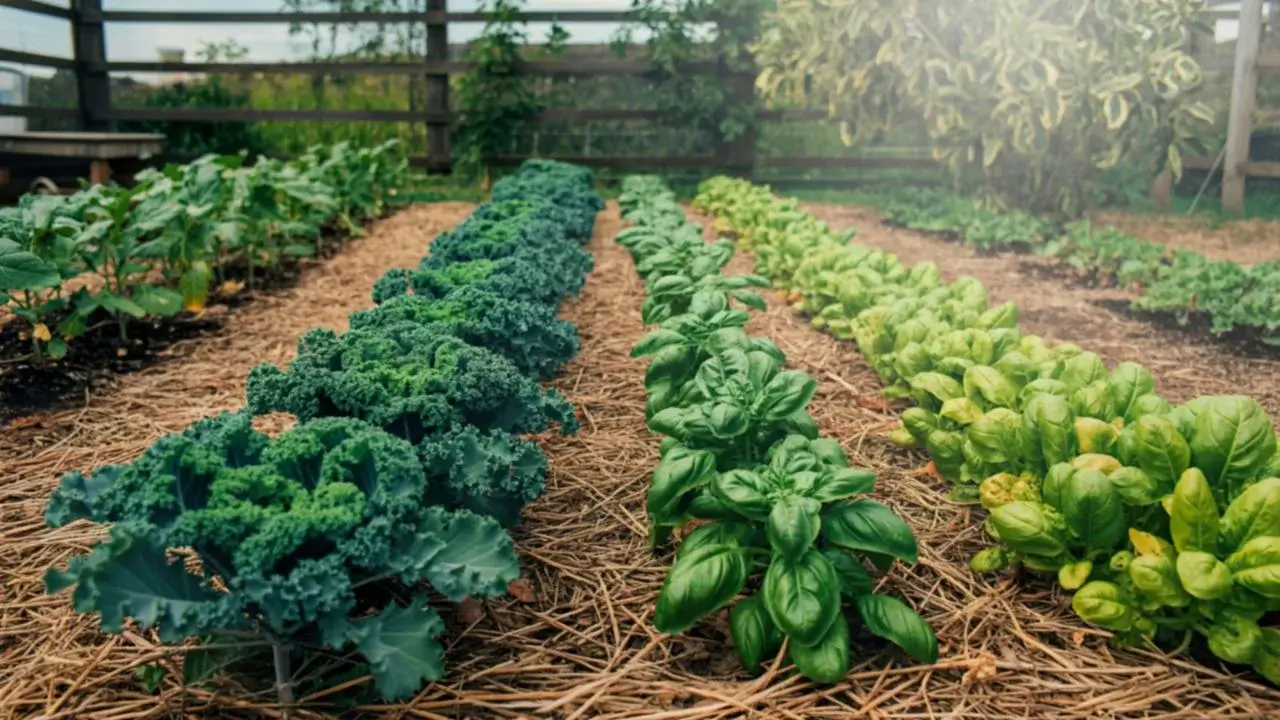
In the competitive landscape of modern agriculture, the ability to maximize output from a finite land base is not just a skill—it is a necessity. For the small-scale farmer, the calendar is as valuable as the soil itself. One of the most effective, yet underutilized, tools for optimizing productivity is succession sowing. By shifting from a "one-and-done" planting mentality to a continuous cycle of sowing, harvesting, and replanting, farmers can significantly boost their revenue streams and ensure a steady supply of fresh produce throughout the entire growing season.
Main Facts: The Fundamentals of Succession Sowing
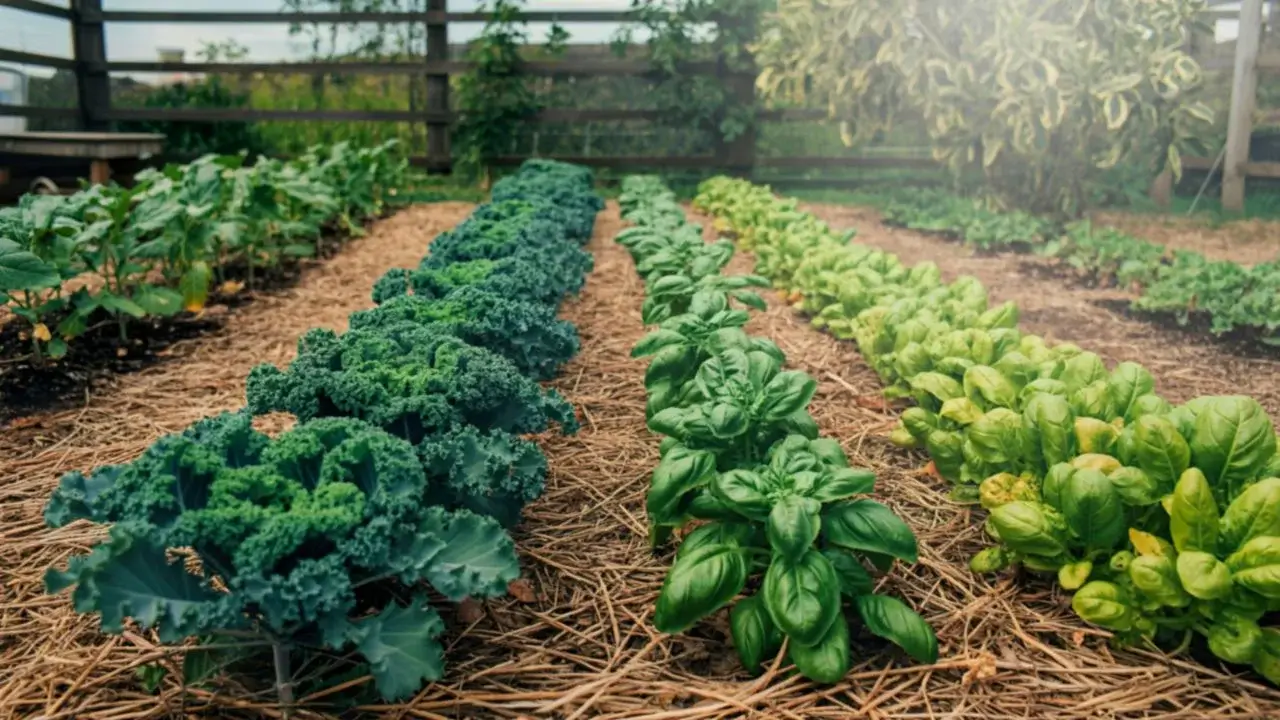
Succession sowing is the practice of staggering the planting of crops to ensure a consistent, rather than glutted, harvest. At its core, the methodology relies on a deep understanding of biological timelines—specifically, the "days to maturity" (DTM) for each variety.
By calculating the precise window between sowing and harvest, a farmer can orchestrate a production schedule that prevents the common small-farm problem of having 500 pounds of lettuce ready for market on a single Tuesday, only to have nothing to sell for the next three weeks. Instead, by sowing small batches at intervals, the farm produces a predictable, manageable, and highly marketable volume of crops. This approach not only stabilizes cash flow but also mitigates the risks associated with market fluctuations and crop failure.

Chronology: The Seasonal Roadmap
Successful implementation of succession sowing requires a departure from traditional "plant-in-the-spring" habits. Instead, the growing season is treated as a fluid, modular timeline.
Phase 1: Planning and Preparation (Late Winter)
Before the first seed hits the soil, the year must be mapped out. Farmers should review their previous years’ sales data and harvest records. During this phase, you must define your "seasonal limits"—the dates of your first and last frosts. These dates dictate the operational boundaries for every crop.
Phase 2: The Initial Sowing (Early Spring)
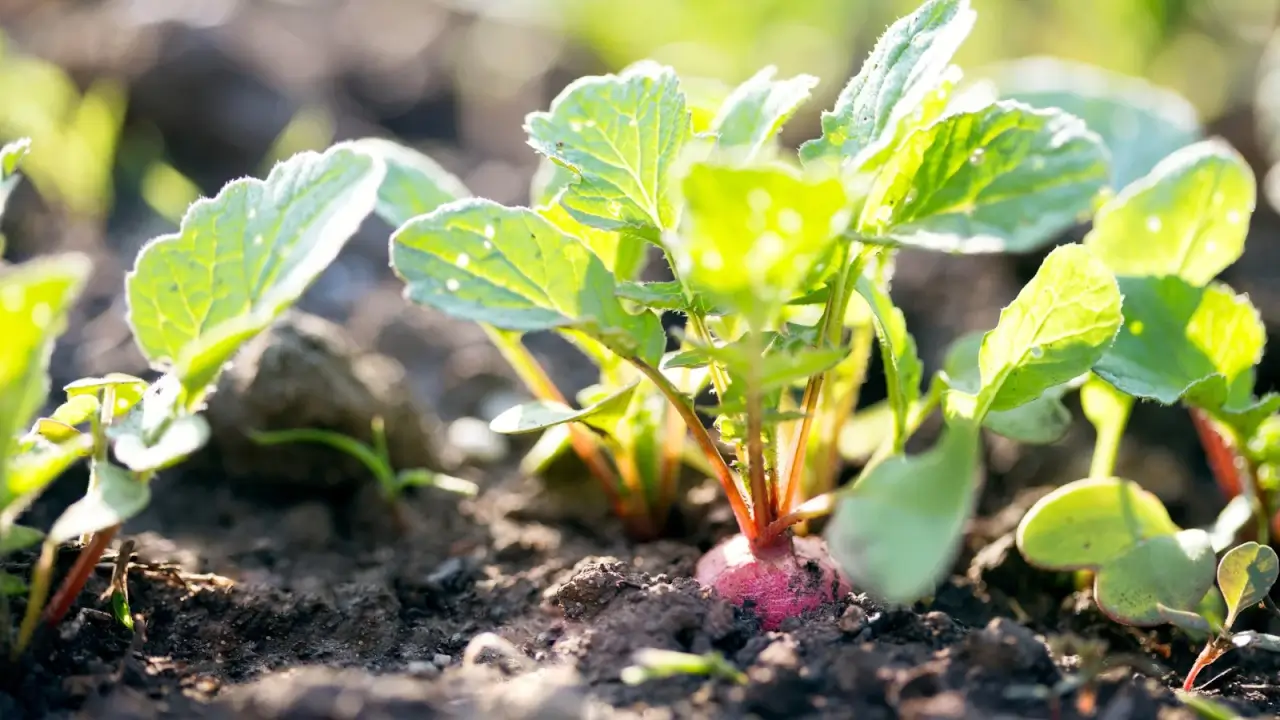
Start with cold-hardy, quick-maturing crops. Radishes, spinach, and arugula are the "training wheels" of succession sowing. By sowing these every two weeks, you learn to manage the logistics of clearing beds and prepping soil while the first crop is still maturing.

Phase 3: The Mid-Season Transition (Summer)
As temperatures rise, the focus shifts to heat-tolerant varieties. This is the period of high-intensity rotation. As a spring crop (like peas or lettuce) finishes its cycle, it is immediately removed, the soil is amended, and a new crop (like beans or cucumbers) is sown.
Phase 4: Fall Extension (Autumn)
As the season wanes, succession sowing shifts to cold-hardy varieties again. Many farmers utilize "day-length neutral" varieties that can handle the decreasing light of autumn, ensuring that income continues to flow even as the days grow shorter.
Supporting Data: Why Timing Matters
The efficacy of succession sowing is backed by the physics of plant biology. Crops generally fall into two categories regarding their maturity: determinate and indeterminate.
- Determinate crops (such as certain bush bean varieties or potatoes) produce their entire harvest within a short window. If you plant them all at once, you harvest them all at once. For these crops, succession sowing is mandatory for a consistent supply.
- Indeterminate crops (such as cherry tomatoes or pole beans) produce over a longer period. While these require less frequent sowing, they still benefit from staggered planting dates to ensure the plants are at varying stages of health and vigor.
Data from small-scale market gardens suggests that farms utilizing structured succession schedules see a 20% to 35% increase in total seasonal revenue compared to those that do not. Furthermore, the practice creates a "buffer" against pests and diseases; if a single sowing is lost to a sudden pest outbreak, the subsequent sowings are often unaffected, effectively compartmentalizing the risk.
Expert Perspectives: Integrating Systems
Modern agronomy emphasizes that succession sowing is not merely about seeds; it is about soil health and ecosystem management. Experts in the field argue that the practice of "intensive intercropping" is the next level of succession.
"When we talk about succession, we are really talking about energy management," says a lead consultant in sustainable farming. "If a bed is left empty for two weeks, that is two weeks of solar energy that could have been converted into biomass. Succession sowing is the practice of keeping the soil ‘living’ 365 days a year."
From a soil science perspective, constant cropping requires an aggressive nutrient management plan. Farmers are encouraged to use leguminous cover crops in their rotation. For example, following a heavy-feeding crop like brassicas with a leguminous crop like beans or vetch ensures that the nitrogen levels in the soil are replenished naturally. This creates a "closed-loop" system that reduces the need for external fertilizers.
Implications for the Modern Farm
The shift toward succession sowing has profound implications for both the business model and the ecological footprint of a farm.
Economic Sustainability
The primary implication is the stabilization of income. By providing a diverse range of crops throughout the season, a farmer can maintain a loyal customer base at farmers’ markets. Customers who know they can rely on you for spinach in May and again in September are more likely to return week after week. This consistency turns a hobby farm into a viable, income-generating business.
Waste Reduction
One of the most significant issues in agriculture is food waste. Traditional farming models often lead to "glut harvesting," where produce is left to rot because it cannot be processed or sold in time. Succession sowing directly addresses this by matching harvest volumes to market demand. If you know your typical Saturday market demand is 50 bunches of carrots, you can scale your sowing to meet that exact number, rather than harvesting 200 bunches and forcing the surplus into the compost bin.
Resilience and Adaptation
Climate change has made traditional growing seasons less predictable. A "hit-or-miss" planting schedule is increasingly risky. Succession sowing offers a form of "biological insurance." By spreading the risk across multiple planting dates, a farmer is far more likely to experience at least some success, even if a late frost or an unseasonable heatwave impacts one particular batch.
The Path Forward: Getting Started
For those looking to adopt this practice, start small. Choose one high-value, fast-maturing crop—such as salad greens or radishes—and commit to sowing a new row every 14 days. Use a simple journal or a digital spreadsheet to track dates. As you grow more comfortable with the rhythm of planting and clearing, incorporate more complex, slower-maturing crops like tomatoes or brassicas.

The ultimate goal of the small farmer is to work with the seasons rather than against them. Succession sowing allows for a harmonious relationship with the land, turning the farm into a dynamic, ever-changing landscape that provides abundance from the first thaw to the final freeze. By mastering the clock, you master the farm.


 Sagoh
Sagoh