

 Dwi Wanna
 Nana Wu
 Muslim
 Reynand Wu
 Ammar Sabilarrohman
 Suro Senen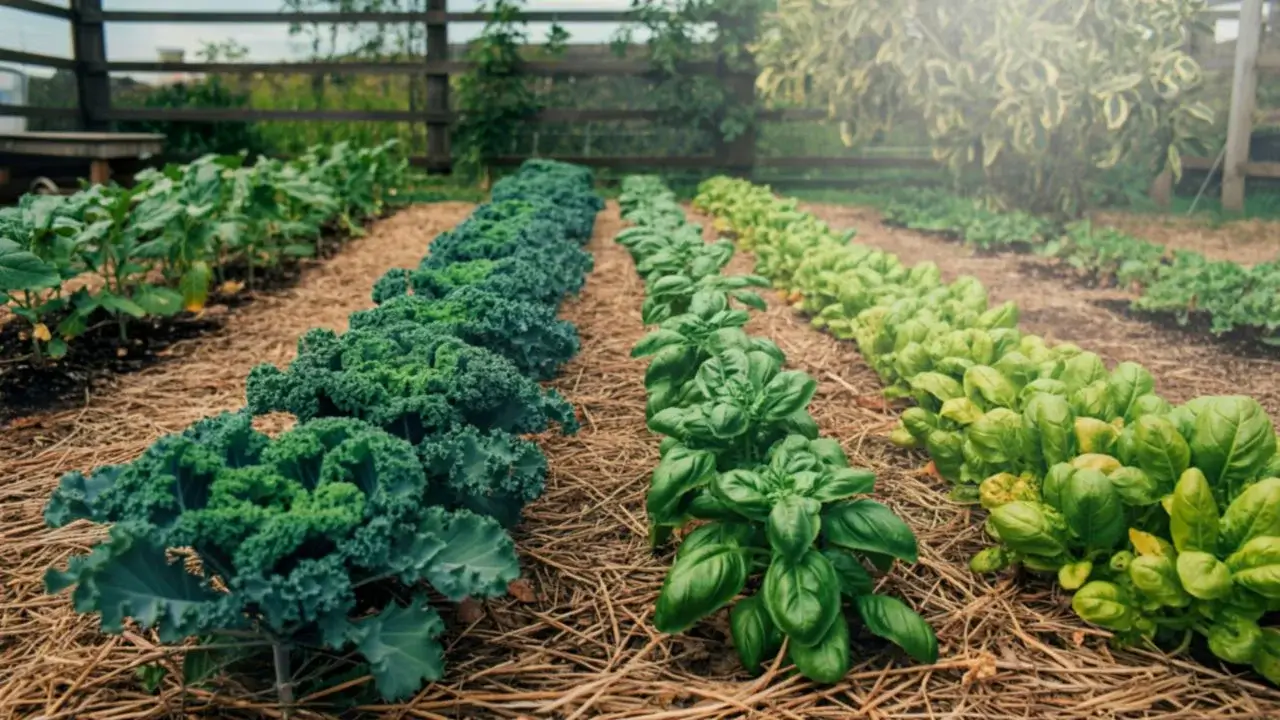
In the competitive landscape of modern agriculture, the ability to maximize land utility is the defining factor between a hobbyist operation and a profitable, sustainable enterprise. For the small-scale farmer, land is a finite resource. Every square foot that sits empty is a lost opportunity for revenue and a missed chance to build soil health. Succession sowing—the practice of continuously planting crops throughout the growing season to ensure a steady, reliable harvest—has emerged as the gold standard for high-intensity, efficient farming.
By moving away from the "one-and-done" planting cycle, farmers can transform their acreage into a dynamic, multi-layered production engine. This guide explores the logistical, biological, and economic foundations of succession sowing, offering a roadmap for growers looking to optimize their yields.
The Core Philosophy: Why Succession Matters
At its most basic level, succession sowing is a commitment to spatial and temporal efficiency. Traditional farming often relies on a singular planting window, leading to a "feast or famine" harvest cycle where a farmer is overwhelmed with produce for two weeks, followed by a total dearth of inventory.

Succession sowing mitigates this volatility. By staggering planting dates or integrating different crop types, farmers achieve a consistent flow of inventory. This consistency is vital for those selling at farmers’ markets, supplying local restaurants, or maintaining a Community Supported Agriculture (CSA) subscription box. When you can guarantee a client that you will have fresh radishes, lettuce, or beans every week for three months rather than just one, your value proposition in the local food economy increases exponentially.
Chronology and Planning: The Mechanics of Timing
The success of a succession plan is built entirely on the foundation of "days to maturity" (DTM). Every seed packet contains a DTM estimate, which serves as the anchor for your schedule. To implement a successful succession, a farmer must look at the calendar not just as a progression of months, but as a series of distinct thermal windows.
1. Assessing the Thermal Window
Before the first seed is sown, a grower must map out their local frost dates. Succession sowing must stop within the temperature limits of a crop’s tolerance. For example, cool-weather crops like spinach or kale can be sown in early spring, but they will bolt (go to seed) once the mid-summer heat hits. Therefore, the "succession" for these crops should be paused during the height of summer and resumed as the soil begins to cool in late August or September.

2. The Interval Approach
The most straightforward method for beginners is the "interval sowing" technique. This involves planting the same crop—such as bush beans or radishes—in small, manageable batches every 10 to 14 days.
- The Workflow: If you have a 40-foot bed, don’t plant all 40 feet with beans on day one. Plant 10 feet on week one, 10 feet on week two, and so on.
- The Result: You avoid a massive harvest spike that leads to food waste, and you ensure that your market stand remains stocked with premium, tender produce throughout the season.
Supporting Data: Spatial Management and Soil Health
Efficiency is not just about time; it is about the physical space. Modern small-scale farmers must treat their soil as a living asset that requires constant management.
Different Crops in the Same Space
When one crop finishes its life cycle, the soil is often depleted of specific nutrients. Rather than leaving the bed bare, a savvy farmer immediately clears the debris and prepares the soil for a follow-up crop.
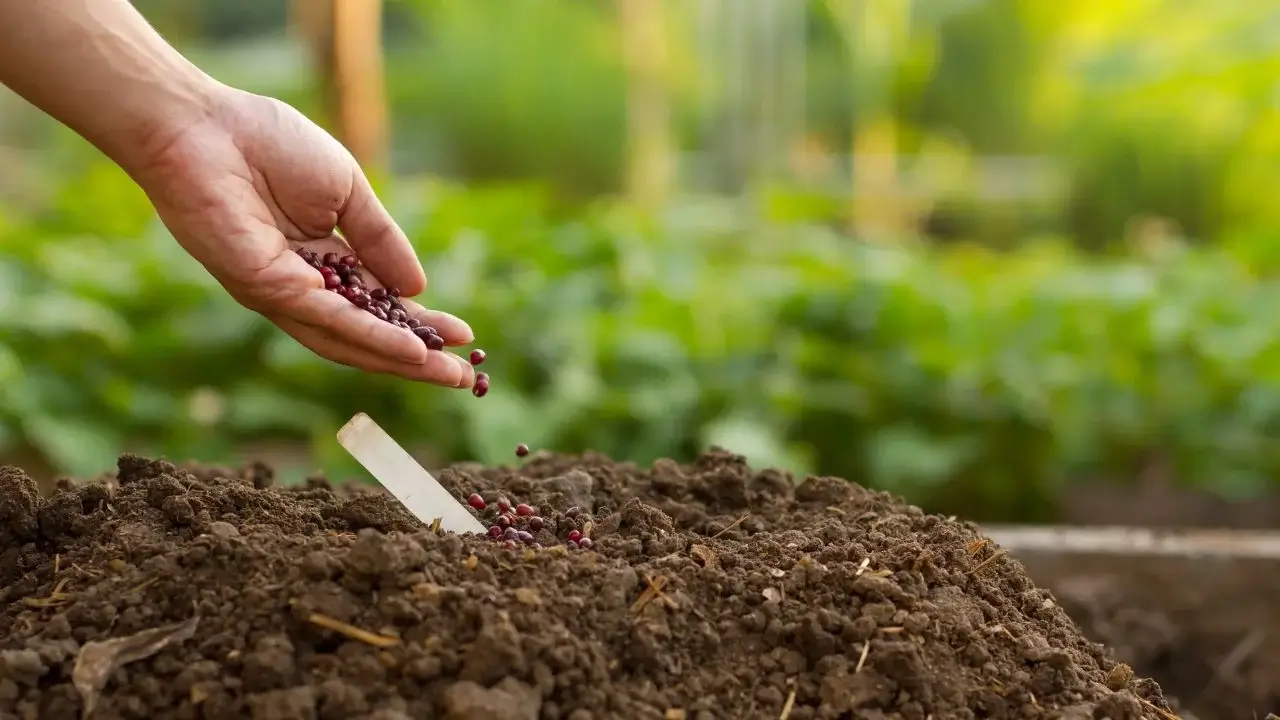
- Nutrient Cycling: If you just finished a heavy-feeding crop like cabbage, which strips nitrogen from the soil, your follow-up succession should be a nitrogen-fixing legume, such as peas or beans. This natural rotation prevents the buildup of soil-borne pathogens and keeps the nutrient profile balanced without heavy reliance on external synthetic fertilizers.
Intercropping for Symbiosis
Intercropping is the advanced tier of succession sowing. It involves growing two or more crops in the same space at the same time, but at different stages of their life cycle.
- The Support Strategy: Consider planting tall, structural plants—like corn or trellised tomatoes—before the climbers that require support. By the time the climbing beans need to reach upward, the structural crop is established enough to act as a living trellis.
- Soil Coverage: Planting low-growing, ground-covering crops like squash or clover after the primary crop has emerged provides natural mulch. This suppresses weeds, retains soil moisture, and protects the delicate root zones of the primary crop from the harsh mid-day sun.
Operational Implications: Scaling for Profit
For the professional farmer, the implementation of these techniques carries significant economic implications.
Reducing Food Waste
One of the most persistent issues in small-scale agriculture is the disposal of surplus crops that cannot be sold in time. Succession sowing acts as a natural "gatekeeper" for production. By matching your output to your average weekly sales volume, you minimize the amount of produce that ends up in the compost pile.

The "Signature Crop" Strategy
Some farmers fear that succession sowing forces them into a monotonous production model. On the contrary, by planting multiple varieties of the same crop with varying DTMs, you can keep a "signature" item available for a much longer window. For instance, by planting an early-season, short-season tomato variety alongside a late-season, indeterminate variety, you can extend the availability of your farm’s best-selling product from four weeks to twelve weeks.
Technological Integration
Many modern farmers are now utilizing digital apps and farm management software to track their successions. These tools allow for precise logging of planting dates, harvest dates, and yield totals. By reviewing this data during the winter off-season, farmers can identify exactly which successions were profitable and which ones were hindered by weather, allowing for a more data-driven approach to the following year’s planting map.
Expert Insights and Official Perspectives
The shift toward intensive, high-rotation farming has been endorsed by leading agricultural organizations that advocate for "resilient food systems." According to experts in sustainable agriculture, the primary barrier to adoption is the learning curve associated with record-keeping.
"The farmers who succeed at succession sowing are the ones who treat their field map like a living document," says one industry consultant. "It is not enough to just put seeds in the ground. You must be prepared to weed, water, and fertilize on a staggered schedule. It is an exercise in discipline."
Furthermore, as climate volatility increases, succession sowing offers a layer of protection. If a singular heatwave or pest infestation wipes out one planting, the staggered nature of the system ensures that the entire season’s revenue is not lost. It is, effectively, a hedge against the unpredictability of nature.
Conclusion: Building a Legacy of Production
Succession sowing is more than a technique; it is a mindset. It requires the grower to look ahead, anticipate the needs of the soil, and respect the biological rhythm of the plant. While it demands more rigorous planning and labor coordination than traditional methods, the dividends are undeniable.

For the small farmer, the ability to produce more food on less land while maintaining consistent quality is the ultimate path to viability. Whether you are starting with a simple row of radishes or designing a complex, multi-variety intercropping system, the principles remain the same: plan for the season, honor the soil, and never leave a bed empty. As you implement these strategies, you will find that your farm becomes not just a place of labor, but a refined, high-output machine capable of feeding your community throughout the entire year.
By refining your timing and diversifying your approach, you are not just growing plants—you are cultivating a resilient, professional-grade agricultural business that can thrive in any market.


 Azzam Bilal Chamdy
 Ali Ikhwan