

 Nana Wu

 Dwi Wanna

 Suro Senen

 Evan Lee Salim

 Ali Ikhwan
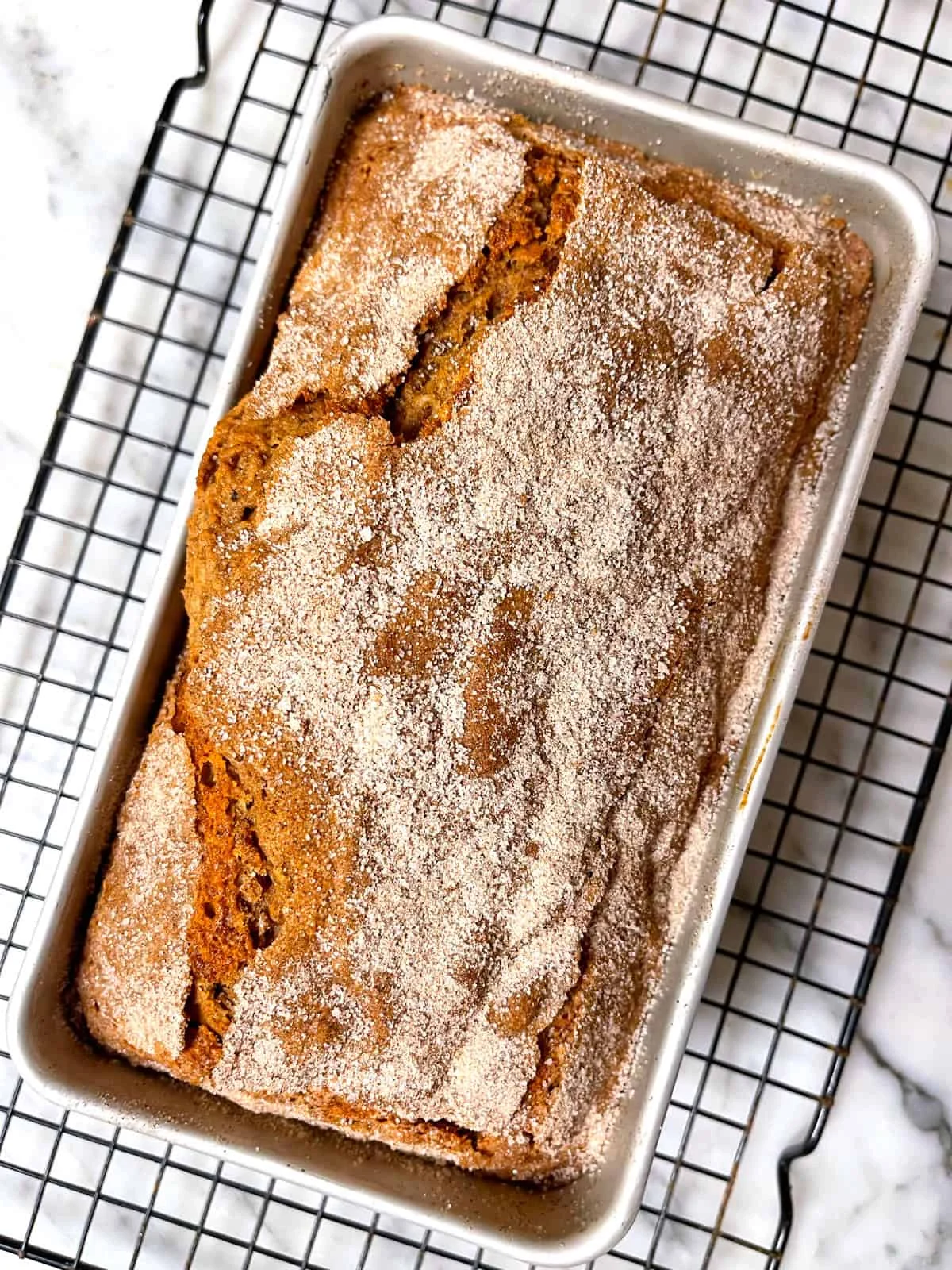
In an era where culinary trends often lean toward complex techniques and avant-garde molecular gastronomy, there remains a persistent, grounding pull toward the comfort of traditional home baking. At the forefront of this seasonal revival is the humble, yet sophisticated, Applesauce Bread. A staple of American heritage cooking, this quick bread has recently seen a resurgence in popularity, transcending its origins as a thrifty way to use pantry staples to become a centerpiece of the contemporary autumn table.
As the air turns crisp and the scent of woodsmoke begins to characterize the landscape, home cooks are turning to recipes that offer a sensory experience beyond mere sustenance. Applesauce bread, characterized by its remarkably tender crumb, deep aromatic profile, and effortless preparation, has become the gold standard for those seeking a balance between gourmet flavor and culinary accessibility.
The Anatomy of a Perfect Loaf: Main Culinary Facts
At its core, the appeal of applesauce bread lies in its chemical composition. Unlike traditional yeast-leavened breads that require hours of proofing, this quick bread relies on the interaction between chemical leaveners—baking powder and baking soda—and acidic ingredients, such as apple cider and vinegar.
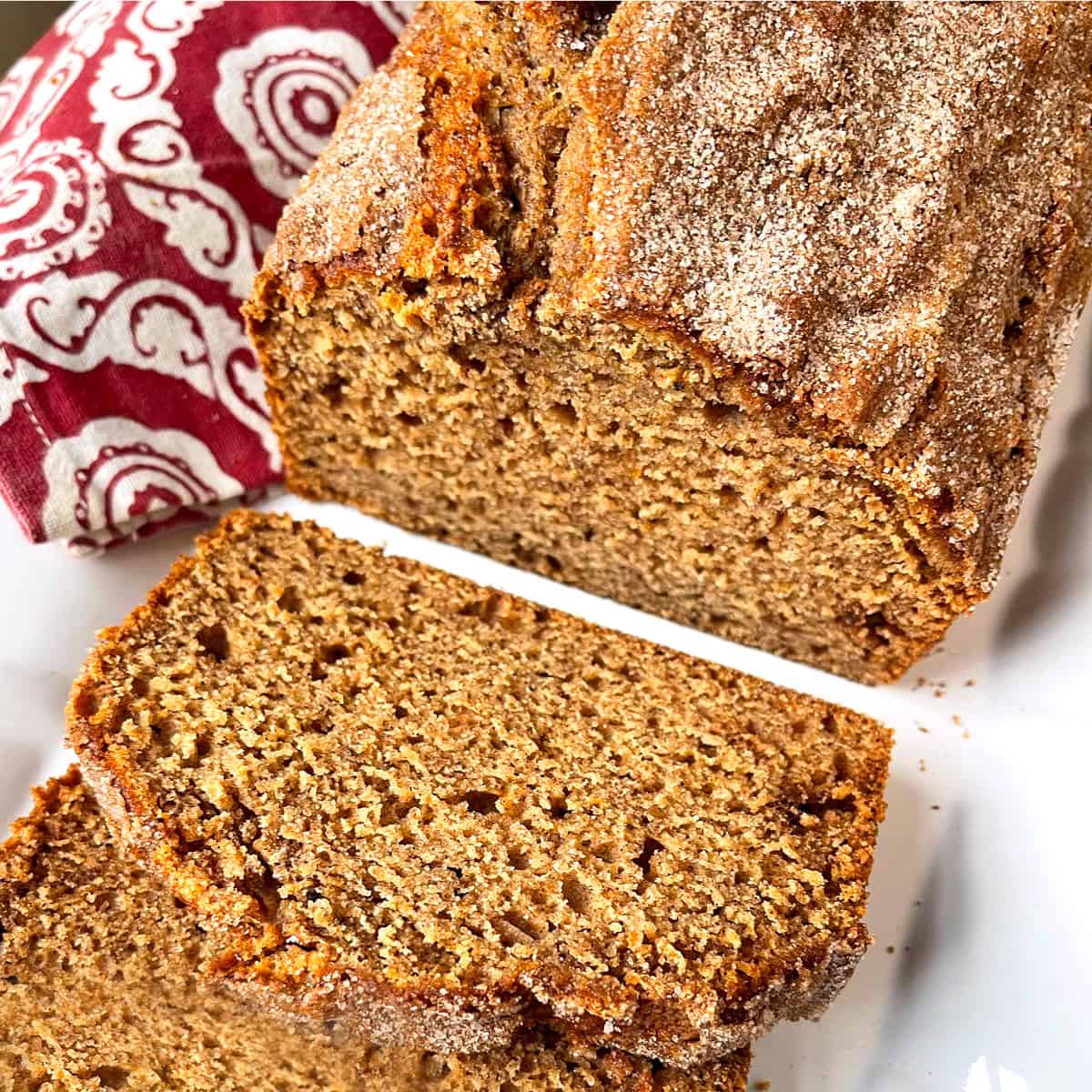
The "secret" to the moisture profile of this loaf is the applesauce itself. By incorporating finely pureed fruit, the baker introduces pectin and natural sugars that hold moisture within the structure of the loaf, preventing the common pitfalls of dry, crumbly quick breads. The inclusion of high-quality apple cider—not merely juice—adds a concentrated, tannic depth that bridges the gap between fruit-forward sweetness and earthy spice.
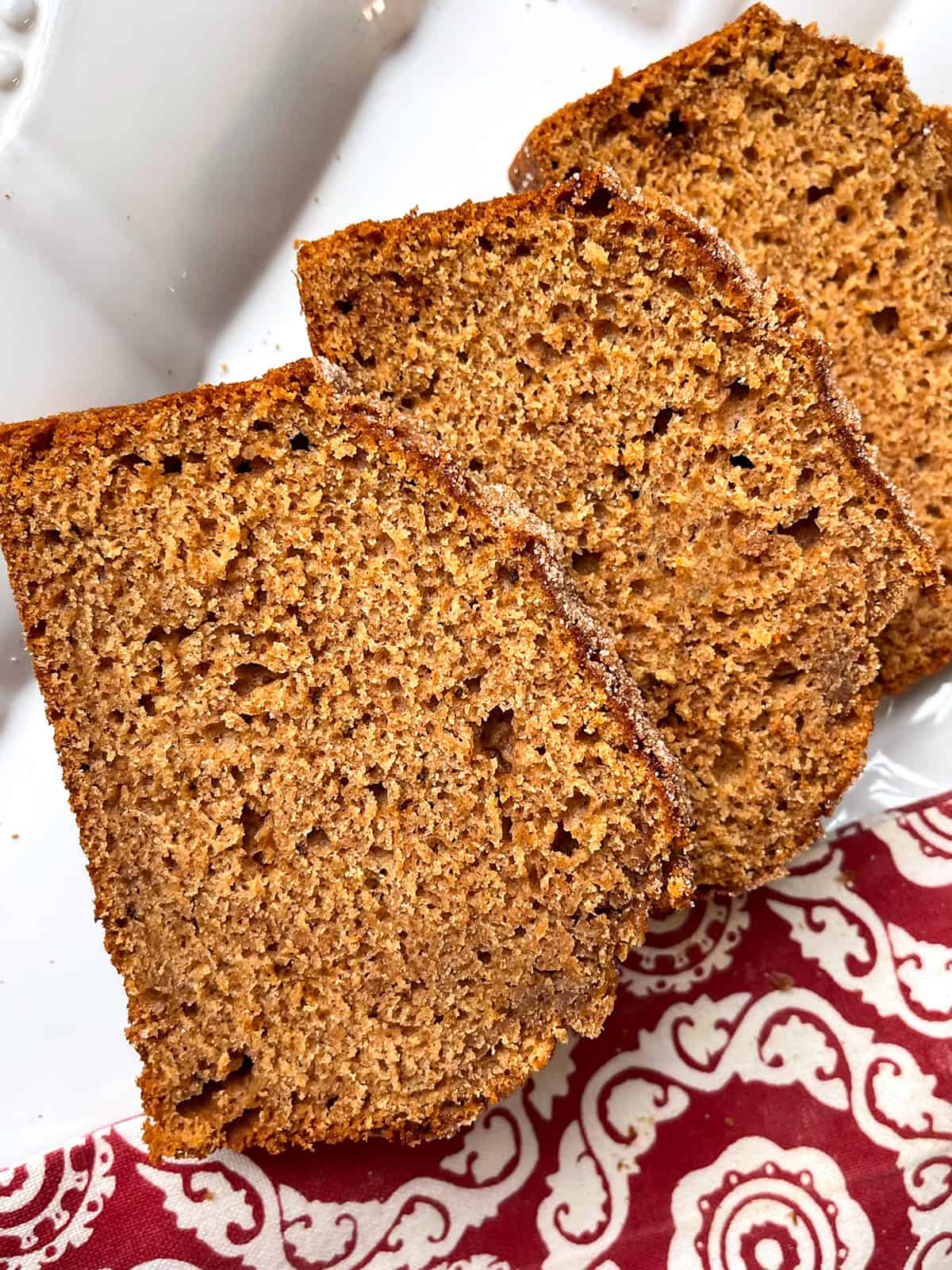
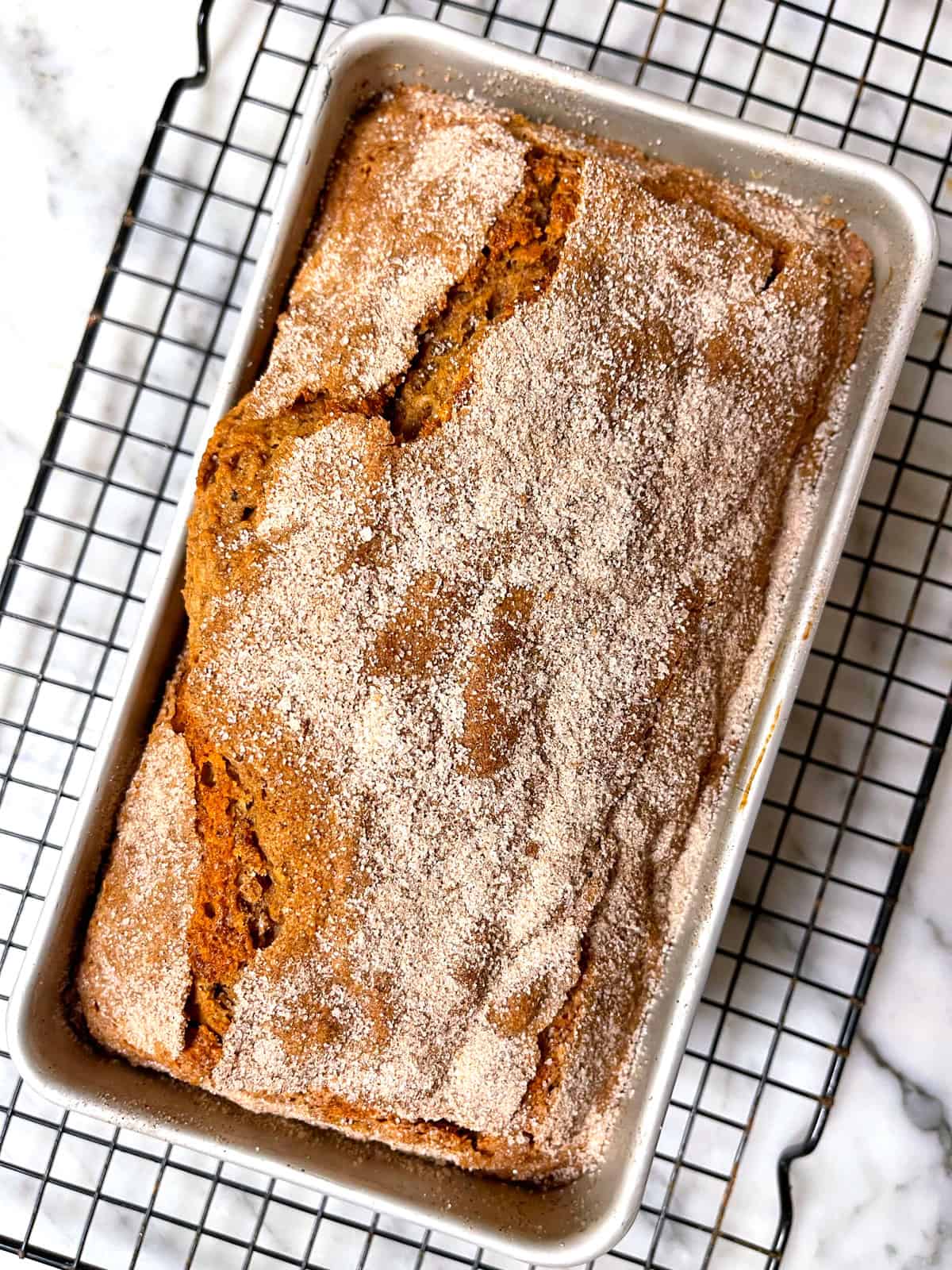
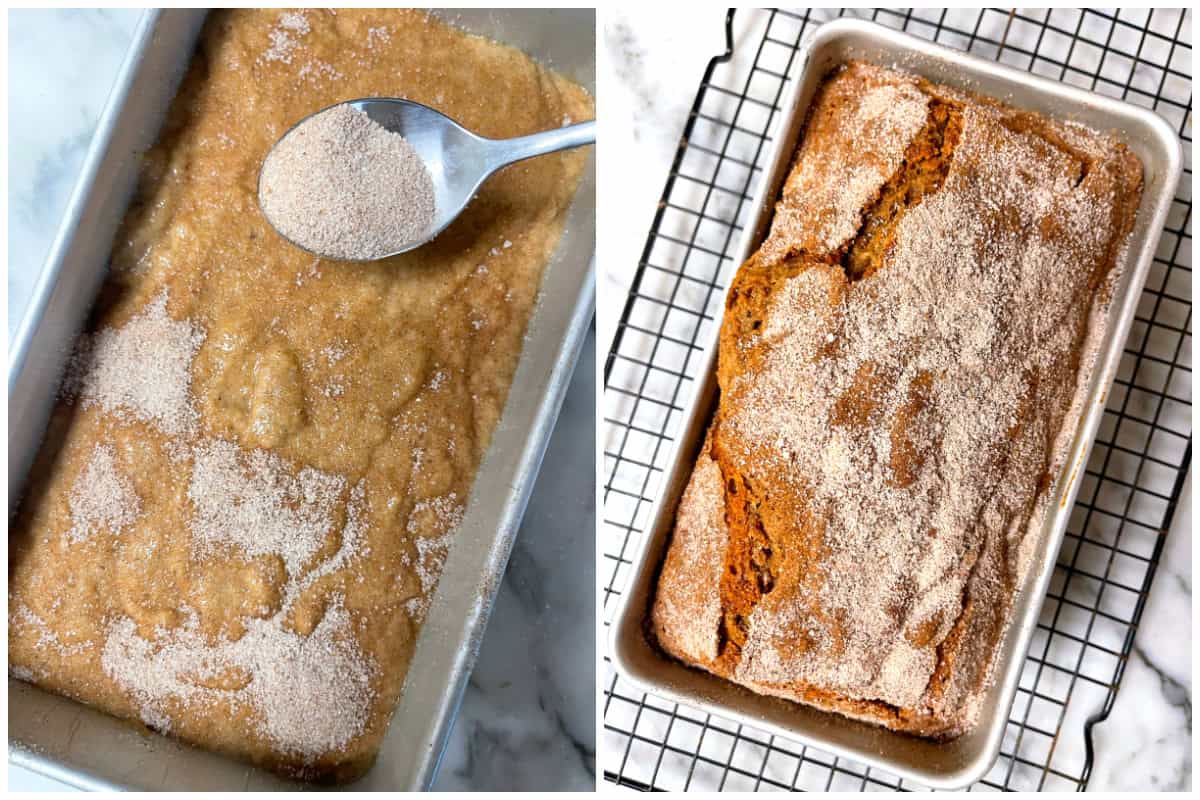
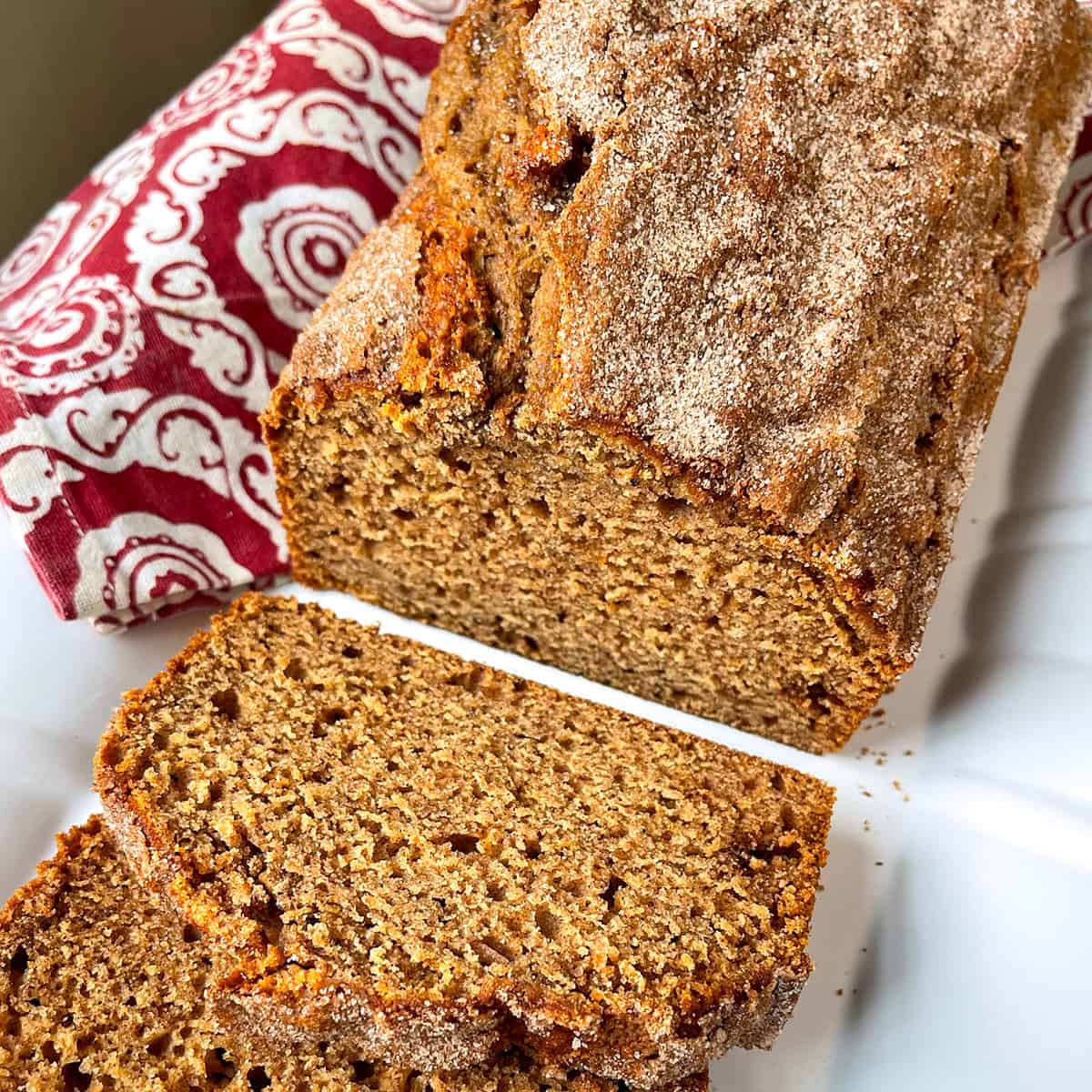
When finished with a generous dusting of cinnamon-sugar, the top of the bread undergoes a subtle caramelization process in the oven, creating a crunchy, golden-brown crust that contrasts beautifully with the soft, cloud-like interior. This juxtaposition of textures is precisely what makes the dish a perennial favorite.
A Chronology of Preparation: The Baking Process
The methodology behind a professional-grade applesauce bread is rooted in the "muffin method" of mixing, which prioritizes speed and gentle handling to ensure a tender result. The timeline for creating this loaf is remarkably efficient, typically requiring less than an hour from conception to cooling.
Phase 1: The Emulsion (0–10 Minutes)
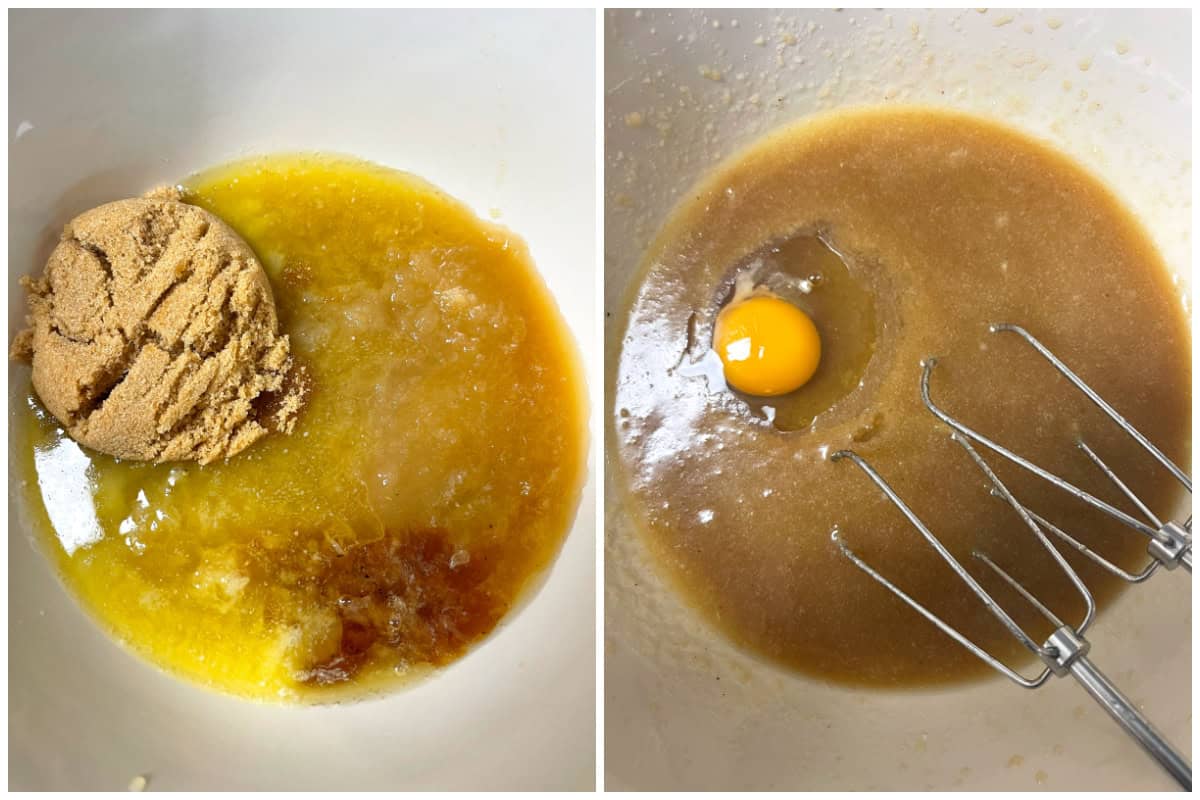
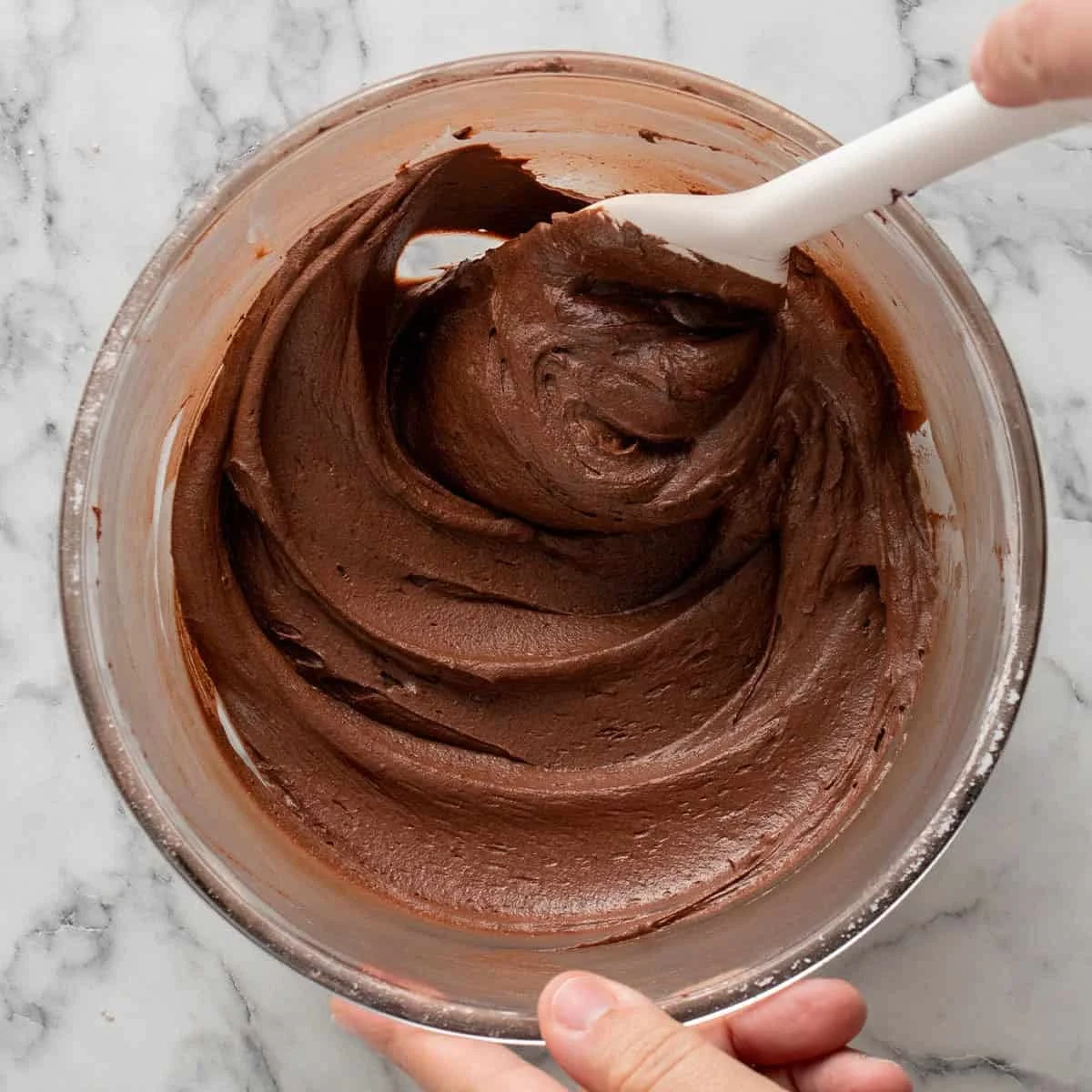
The process begins with the careful assembly of wet ingredients. Melted butter and neutral oil provide the necessary fat content, which, when combined with brown sugar, creates a rich, molasses-forward base. The addition of eggs and vanilla extract provides structure and fragrance, while the apple cider and applesauce act as the primary moisture vehicles. Mixing these elements until smooth—often performed with a whisk—is critical to ensure the sugar is fully dissolved.
Phase 2: The Dry Integration (10–15 Minutes)
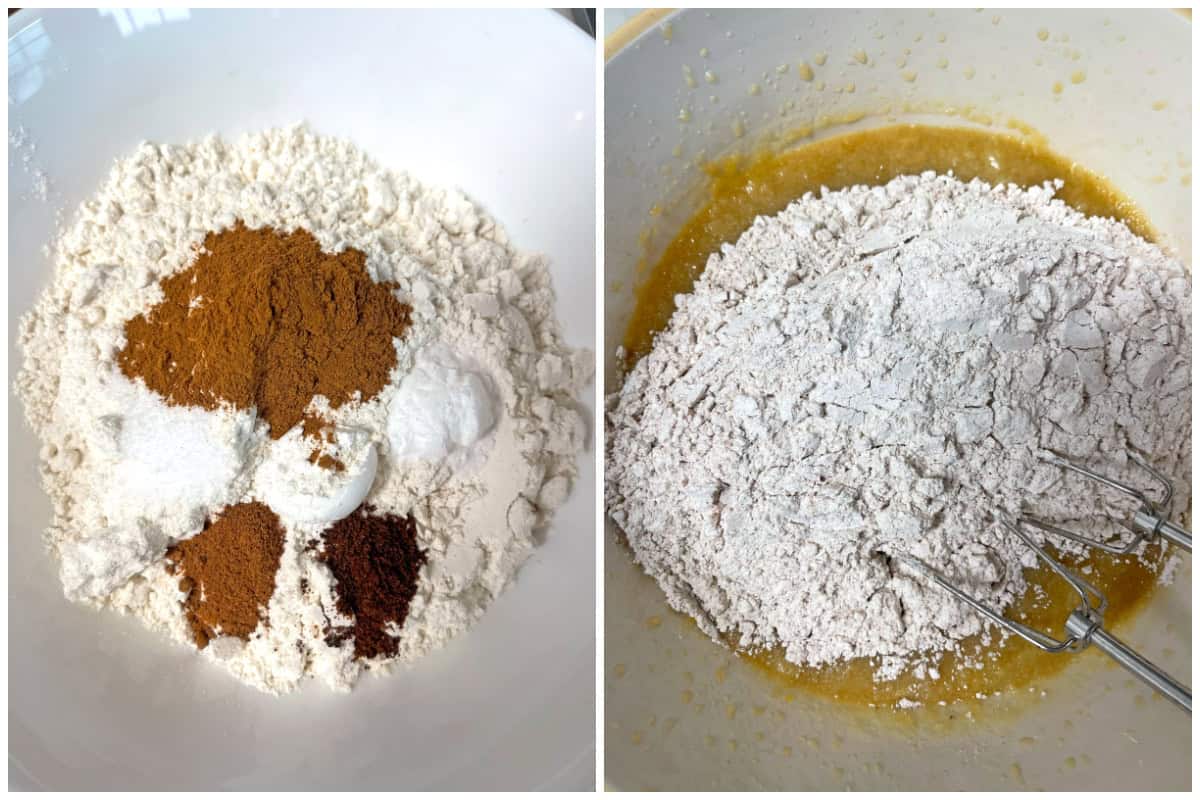
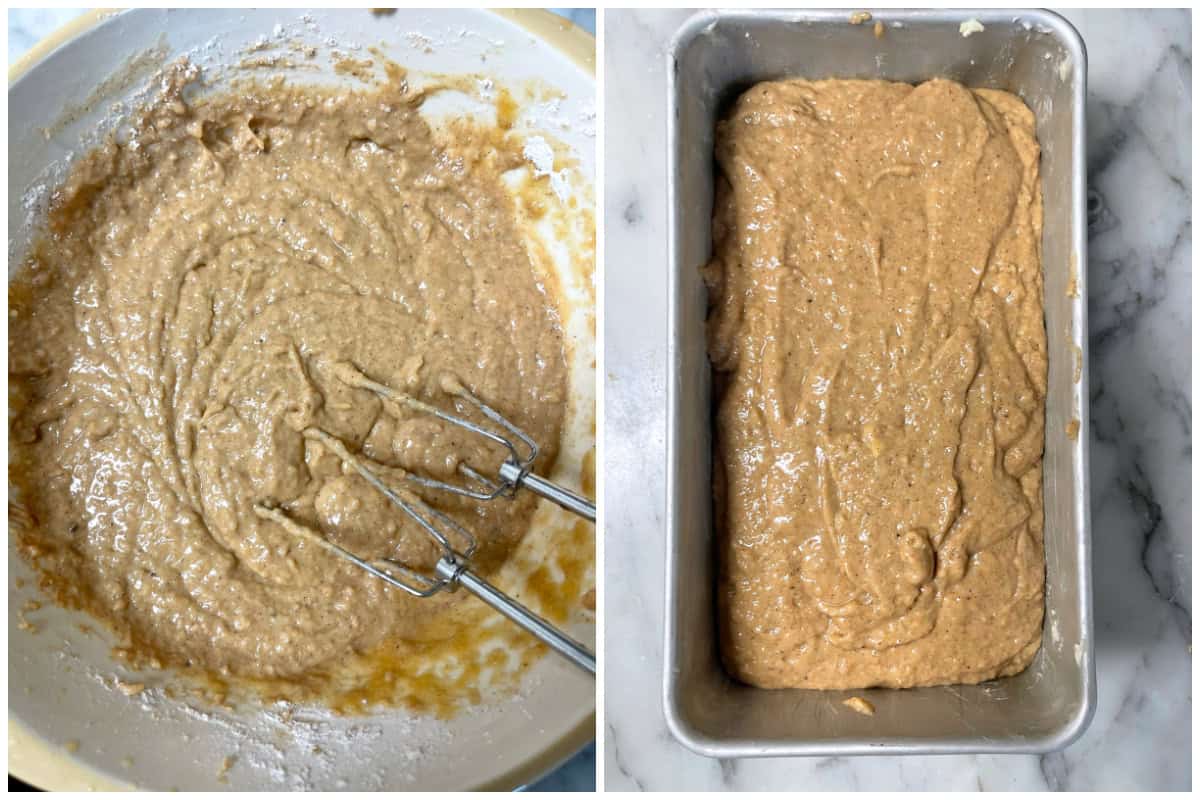
The dry ingredients—flour, baking powder, baking soda, salt, and the spice blend (cinnamon, nutmeg, and cloves)—must be whisked separately to ensure even distribution. The integration of these two phases is the most delicate step. Experienced bakers advise folding the dry into the wet just until streaks of flour disappear. Over-mixing at this stage activates the gluten in the flour, which, if developed too aggressively, results in a dense, bread-like texture rather than the desired cake-like, tender crumb.
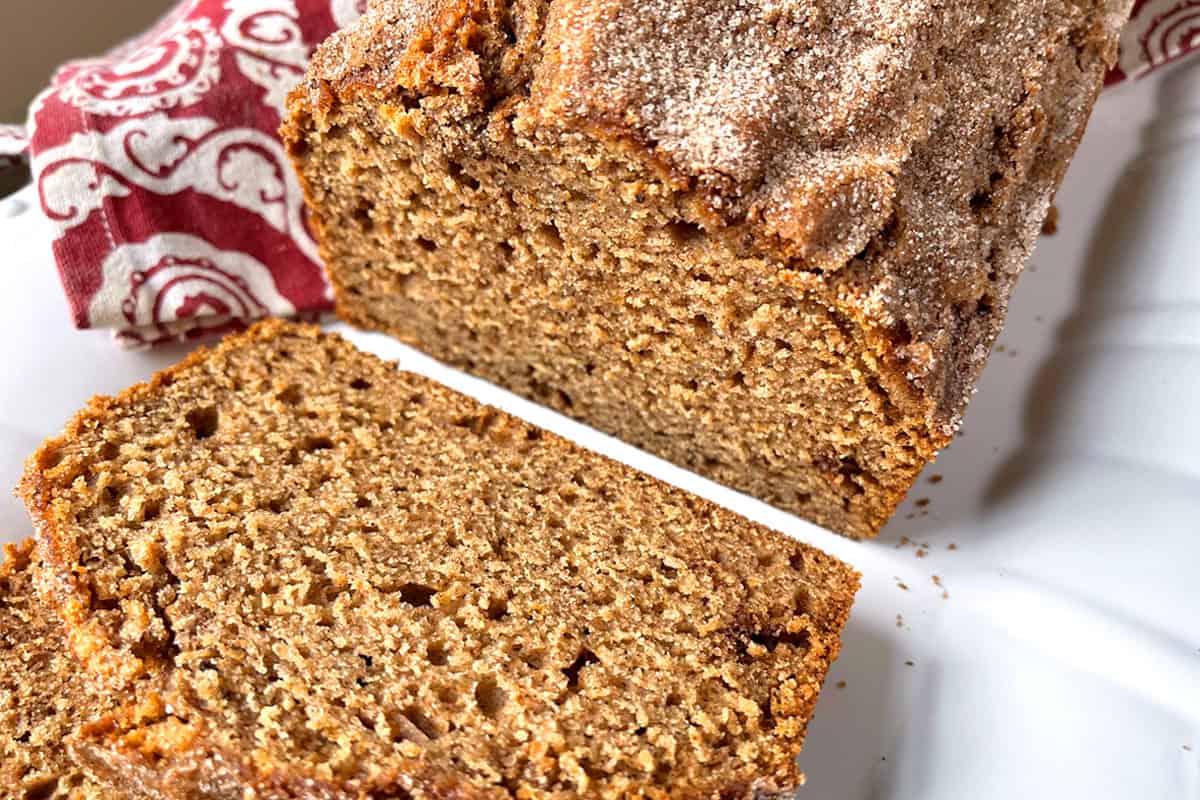
Phase 3: The Bake and Set (15–65 Minutes)
Once transferred to a prepared 9×5-inch loaf pan, the bread enters the oven at 350°F (180°C). The transition from raw batter to a golden, fragrant loaf typically occurs between 45 and 60 minutes. The internal structure sets as the leaveners react with the acidity of the applesauce and cider, causing the loaf to rise and the exterior to firm.
Phase 4: The Cooling Period
Resting the bread on a wire rack for at least 10 minutes is not a suggestion but a necessity. The residual heat continues to cook the center of the loaf; slicing too early can cause the steam to escape prematurely, leading to a gummy texture.
Supporting Data and Nutritional Composition
For the health-conscious baker, understanding the nutritional profile of this recipe is essential. A standard serving (1/10th of a loaf) provides approximately 298 calories. While it is categorized as a dessert, the inclusion of applesauce naturally replaces a portion of the fat typically found in standard cake recipes, providing a more favorable macronutrient balance.
Nutritional Breakdown per Serving:
- Total Fat: 11g (with a healthy distribution of saturated and unsaturated fats)
- Carbohydrates: 48g
- Protein: 4g
- Sodium: 283mg
- Sugar: 27g
The presence of modest amounts of Vitamin A and iron, combined with the absence of excessive processed fats, positions this bread as a more wholesome alternative to commercial, store-bought pastries.
Culinary Expert Perspectives: Why It Works
Professional bakers and culinary historians often cite the "aromatic profile" of this bread as its primary selling point. The synergy between nutmeg and cloves, known as "warm spices," triggers a nostalgic psychological response often associated with comfort and safety.
"The beauty of this recipe is its forgiveness," says culinary expert Kimberly Killebrew. "Because of the high moisture content of the applesauce, the bread is naturally resistant to drying out. It is a foolproof recipe that allows for significant creative latitude."
This flexibility allows for endless variations, including the addition of chopped walnuts or pecans for textural contrast, or the inclusion of dried cranberries to introduce a tart, chewy element. For those looking for a more decadent finish, the application of an apple cider glaze—made by whisking powdered sugar with concentrated cider—adds a professional aesthetic touch that mimics the complexity of high-end bakery offerings.
Implications for the Modern Home Baker
The surge in the popularity of such recipes has broader implications for how we view the kitchen in the modern household. In an increasingly digital world, the act of "slow cooking" or baking from scratch is becoming a form of mindfulness. The time invested in measuring, mixing, and waiting for the bread to bake serves as a necessary deceleration from the pace of daily life.
Furthermore, the "giftability" of the loaf—as it holds its structure well and is easy to transport—has revitalized the practice of homemade gift-giving. A wrapped loaf of applesauce bread, particularly when frozen and thawed, retains its quality for up to two months, making it an ideal candidate for meal prep or a ready-to-serve treat for unexpected guests.
Storage and Longevity
To maintain the integrity of the bread:
- Room Temperature: Store in an airtight container for up to three days to keep the crumb soft.
- Freezing: For long-term storage, wrap individual slices or the entire loaf in plastic film, followed by a layer of aluminum foil or a vacuum-sealed bag. This double-layering prevents freezer burn and the absorption of unwanted odors.
- Refreshing: A brief 15-second burst in the microwave or a light toast in a toaster oven effectively restores the fresh-baked texture, warming the spices and softening the crumb once more.
Conclusion
The Applesauce Bread remains an enduring testament to the power of simple ingredients. By combining the natural sweetness of orchard fruits with the warming embrace of autumn spices, this recipe does more than provide a snack; it provides a ritual. Whether served as a morning accompaniment to coffee, an afternoon snack for the family, or a thoughtful, homemade gift for a neighbor, it stands as a reminder that the best flavors are often the ones that have been refined over generations. As we move through the seasons, the warm scent of cinnamon and apple emanating from the oven remains one of the most reliable markers of a well-tended home.


 Jia Lissa

