
 Dwi Wanna
 Nana Wu
 Muslim
 Reynand Wu
 Ammar Sabilarrohman
 Sagoh
Sagoh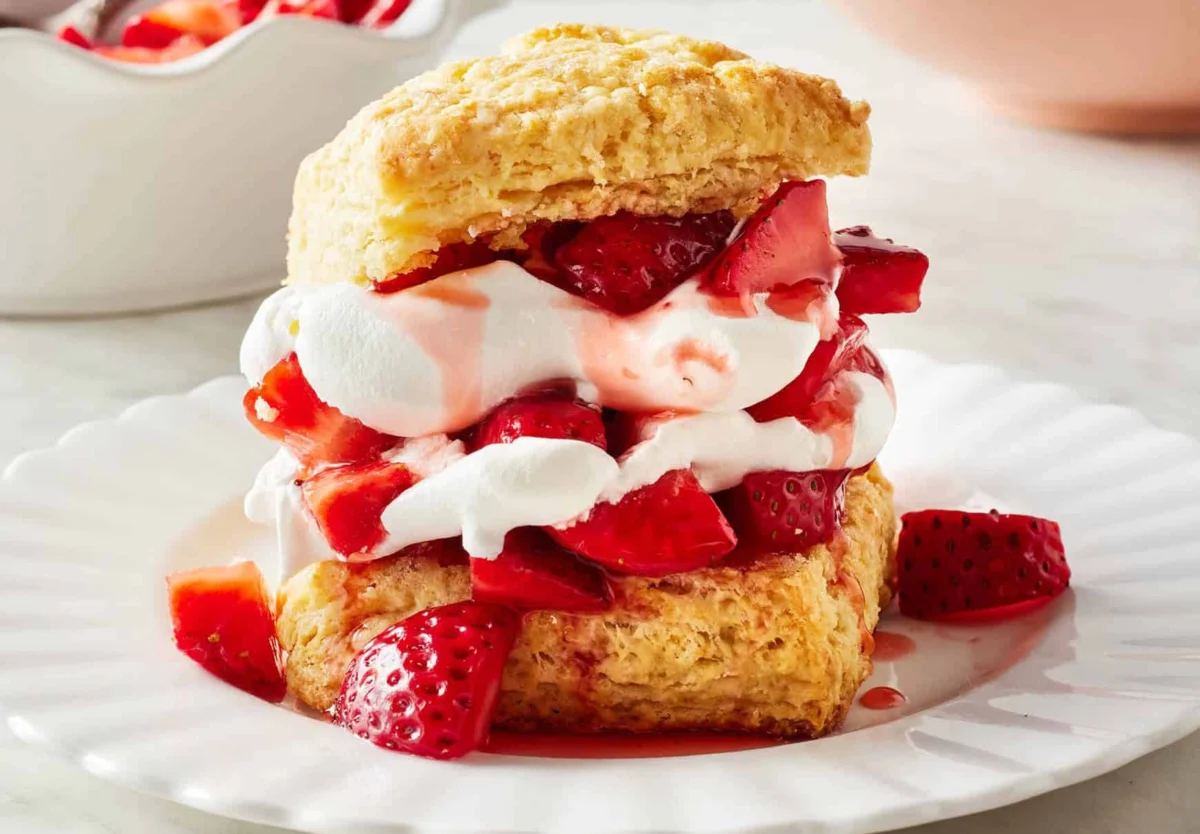
As the calendar turns toward the transition from late spring to early summer, a specific, ruby-red signal marks the arrival of the season’s most anticipated culinary event: the strawberry harvest. For home cooks and culinary enthusiasts alike, this period represents a fleeting window of opportunity to capitalize on the fruit’s peak ripeness, sweetness, and juiciness.
Whether sourced from a local farmers market or gathered during a tradition-steeped visit to a "u-pick" berry farm, the strawberry serves as a versatile anchor for a wide array of preparations. From sophisticated desserts that anchor a dinner party to vibrant salads and refreshing morning elixirs, the culinary applications of this fruit are as varied as they are delightful. This comprehensive guide explores the essential techniques, flavor pairings, and seasonal recipes that define the quintessential strawberry experience.
The Culinary Significance of the Strawberry Season
The arrival of strawberries at market stalls is often viewed as the official commencement of the summer dining season. Unlike many fruits that rely on cross-continental shipping, the strawberry is at its best when local. The difference in flavor between a commercially grown berry—often picked before full maturity to withstand transit—and a sun-ripened, locally harvested strawberry is profound.
The latter possesses a complex profile, balancing high acidity with deep, floral sweetness. This balance makes the strawberry a "culinary chameleon," equally at home in a savory balsamic-infused salad as it is in a decadent, cream-heavy dessert. As we move into the height of the harvest, understanding how to handle, pair, and showcase these berries is essential for maximizing their potential.
Chronology of the Harvest and Preparation
The lifecycle of the strawberry season generally follows a predictable, yet weather-dependent, trajectory.
Late Spring: The Early Bloom
The season typically begins in late spring, as the soil warms and the first crops reach maturity. During this phase, strawberries are often slightly smaller but intensely flavored, making them perfect for infusions, syrups, and delicate breakfast preparations.
Early Summer: The Peak
As June rolls in, the harvest hits its stride. This is the period of abundance, where berries are at their largest and most succulent. This is the optimal time for canning, preserving, and large-batch baking. It is also when the classic traditions—such as the construction of elaborate strawberry shortcakes or the maceration of berries for evening cocktails—take center stage.
Late Summer: The Final Act
As the season wanes, strawberries may become smaller and more concentrated in flavor. This is the ideal time to incorporate them into hearty baked goods like muffins or to reduce them into rich compotes that can be frozen for later use.
The Taxonomy of Strawberry Applications
To truly master the season, one must approach the strawberry through four distinct culinary lenses: desserts, salads, beverages, and breakfast.
1. The Art of Strawberry Desserts
When it comes to sweets, the strawberry requires minimal intervention to shine. The philosophy is one of enhancement rather than transformation.
- The Strawberry Tiramisu: A modern twist on the Italian classic, this dish replaces traditional cocoa and espresso with layers of ladyfingers soaked in a strawberry reduction, layered with a light, airy mascarpone cream. It is a testament to the fruit’s ability to anchor a sophisticated, no-bake dessert.
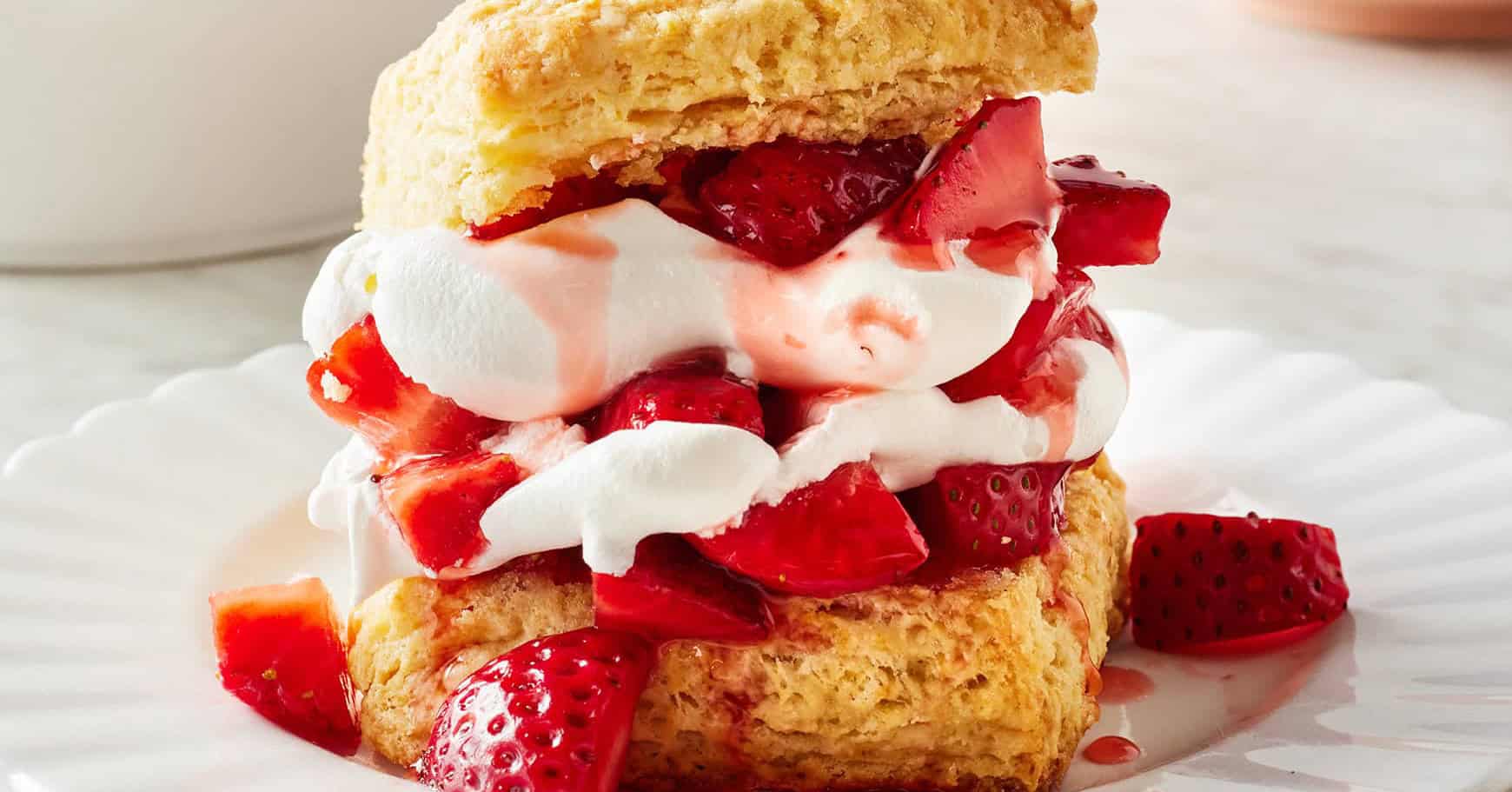
- The Classic Shortcake: A perennial favorite, the secret to a great shortcake lies in the biscuits. They must be buttery and slightly crumbly, acting as a structural contrast to the "billowy" whipped cream and lightly macerated berries.
- Strawberry Crumble: A rustic, comforting finish to any meal. The warmth of the oven draws out the pectin in the berries, creating a jammy consistency that pairs perfectly with the textural crunch of an oat-based topping and a scoop of cold vanilla bean ice cream.
- Chocolate-Covered Strawberries: A study in minimalism. Using high-quality tempered chocolate and the freshest, driest berries possible, this three-ingredient treat remains the gold standard for simple, elegant indulgence.
2. Savory Integration: Strawberry Salads
The concept of fruit in a salad is no longer novel, but the strawberry is unique in its ability to bridge the gap between sweet and savory.
- Caprese Variations: By replacing the traditional tomato in a Caprese salad with sliced strawberries, the dish gains an unexpected acidity that pairs beautifully with creamy buffalo mozzarella and peppery basil. A reduction of aged balsamic vinegar is essential here, providing the necessary depth to ground the dish.
- Spinach and Nut Pairings: The earthy bitterness of raw spinach serves as the perfect canvas for the sweetness of strawberries. Adding toasted pecans or walnuts provides the necessary crunch, while goat cheese or feta adds a creamy, tangy finish. A poppy seed dressing, which is traditionally sweet and acidic, ties these contrasting elements into a cohesive whole.
3. Liquid Refreshment: Drinks and Infusions
Beverages represent perhaps the most efficient way to capture the essence of the harvest.
- Fresh Strawberry Lemonade: The key is to move away from pre-made mixes. A homemade puree—strained to remove seeds—blended with fresh lemon juice and a simple syrup creates a drink that is vibrant, complex, and leagues ahead of its store-bought counterparts.
- The Strawberry Margarita: By introducing a basil-infused simple syrup, the classic margarita takes on an herbal note that cuts through the fruit’s sweetness, creating a more sophisticated cocktail profile suitable for summer gatherings.
- Iced Strawberry Matcha Latte: A modern innovation that has gained significant traction. The earthy, umami-rich profile of high-quality matcha powder creates a striking visual and flavor contrast when layered over a bright, sweet strawberry base.
4. Breakfast: The Morning Ritual
Starting the day with fresh berries provides an immediate boost of energy and flavor.
- Strawberry Compote: A 4-ingredient wonder. By gently simmering strawberries with a touch of sugar and lemon, one can create a topping that transforms standard pancakes, waffles, or steel-cut oatmeal into a gourmet breakfast experience.
- Whole Grain Muffins: Baking strawberries into a muffin batter allows the fruit to release its juices into the crumb, resulting in a moist, flavorful pastry that can be easily prepared in advance and frozen for later use.
- Overnight Oats: The "PB&J" variation—combining peanut butter, fresh berries, and a quick chia-strawberry jam—is a perfect example of how to make a nutritious breakfast feel like a treat.
Supporting Data: Why Local Matters
Agricultural data consistently shows that strawberries grown in local, controlled environments reach higher Brix levels (a measure of sugar content) than those subjected to long-haul logistics. Furthermore, the environmental impact of consuming strawberries in season is significantly lower, as the reliance on long-distance cold-chain distribution is minimized. For the consumer, this translates to a product that is not only tastier but more nutritionally dense, as the berries are allowed to ripen fully on the vine rather than during transit.
Official Perspectives: The Chef’s Approach
Leading culinary professionals emphasize the importance of "respecting the ingredient." In the context of strawberries, this means avoiding over-processing. Whether it is keeping the fruit fresh by simply washing and drying it carefully or macerating it just long enough to draw out its natural juices, the professional consensus is clear: the strawberry is a finished product. Culinary techniques should be employed to frame the fruit, not to obscure it.
Implications for the Home Cook
The broader implication of embracing the strawberry season is a shift toward seasonal, mindful eating. By focusing on what is currently growing in the region, the home cook is encouraged to experiment with new recipes and flavor profiles that might otherwise be overlooked.
This approach turns a simple trip to the grocery store or farmers market into an act of culinary curation. It invites the home cook to move beyond the recipe, understanding the "why" behind the pairings—why acidity cuts sweetness, why crunch balances cream, and why the simple act of eating a berry straight from the carton remains, perhaps, the best preparation of all.
As the season progresses, we encourage you to try these recipes not as rigid instructions, but as templates for your own creativity. Whether you are blending, baking, or tossing a salad, the goal remains the same: to celebrate the brief, beautiful window when the strawberry is the undisputed star of the table.


 Azzam Bilal Chamdy