

 Lina Hope
 Iffa Jayyana
 Lina Irawan
 Ammar Sabilarrohman
 Ali Ikhwan
 Suro Senen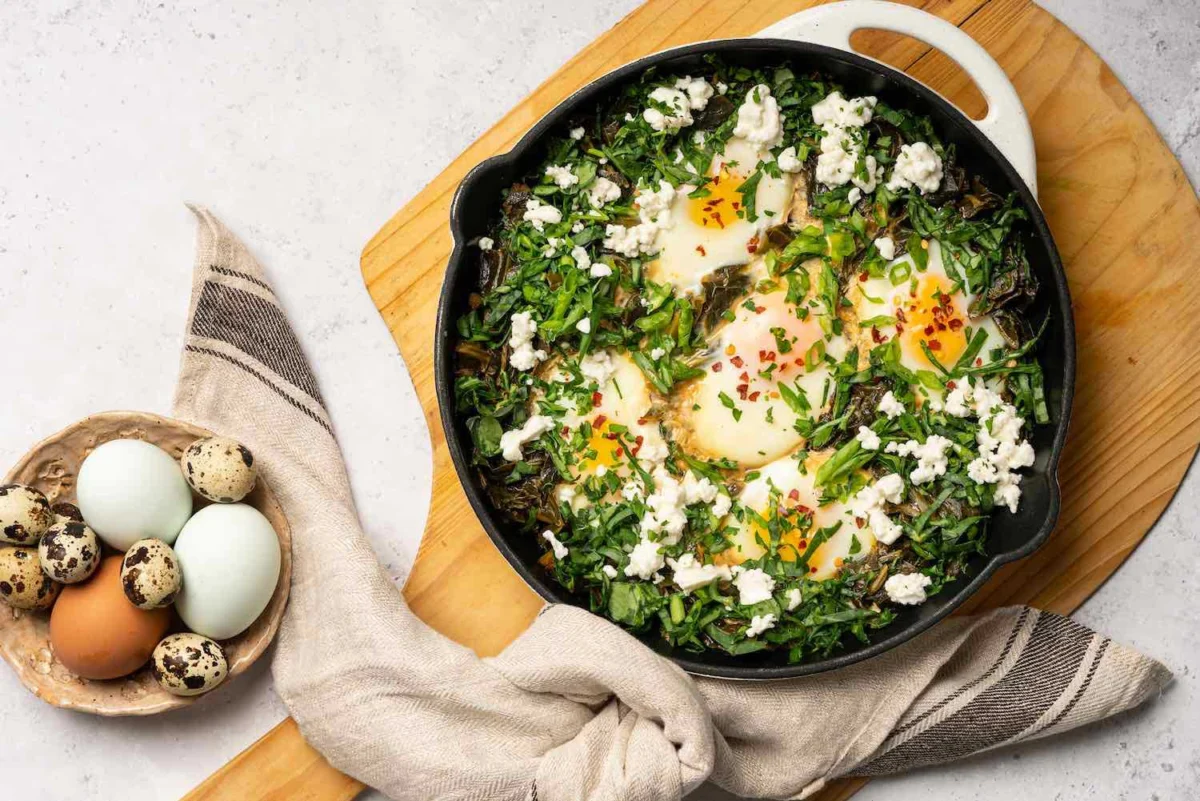
As the frost retreats and the first verdant shoots of the season break through the soil, the culinary landscape shifts. For home cooks and brunch enthusiasts, spring represents a renaissance of flavor—a time to trade the heavy, warming stews of winter for the bright, crisp, and vibrant ingredients that define the season. With over 75 hyper-local publications across the United States and Canada, the Edible Communities network has spent years documenting this seasonal transition. In anticipation of warm weather gatherings and Mother’s Day celebrations, we have curated the definitive guide to the quintessential spring brunch menu.

The Seasonal Shift: Why Spring Brunch Matters
Spring is arguably the most exciting time of year for the professional and home chef alike. It is a period defined by the emergence of asparagus, snap peas, radishes, and the first wave of strawberries and rhubarb. Brunch, by its very nature, is the most versatile meal of the week. It exists in the liminal space between breakfast and lunch, allowing for a creative overlap where sweet pastries can sit comfortably alongside savory pastas or seafood-forward appetizers.

By leveraging local, seasonal produce, hosts can create menus that are not only delicious but deeply rooted in their specific geographic region. This guide serves as a comprehensive resource for those looking to elevate their brunch game, whether they are planning a three-course affair or a casual gathering of friends.

A Chronology of the Spring Menu
To build a successful brunch, structure is key. A balanced menu should take guests on a sensory journey, moving from light, palate-awakening starters to substantial, protein-rich mains, and finally, concluding with desserts that highlight the delicate sweetness of the season.

1. The Opening Act: Soups and Salads
Spring brunch should begin with vibrancy. The "Avo Toast in a Bowl"—a chilled soup of avocado, zucchini, and lime—offers a refreshing start. For those seeking earthier tones, Green Pea Soup with Mascarpone provides a sophisticated, velvety texture that pairs beautifully with the season’s first radishes.

For salad lovers, the "Breakfast Salad" concept is gaining traction. By combining spring greens with pancetta, soft-boiled eggs, and a coffee-maple vinaigrette, hosts can provide a complex flavor profile that feels both indulgent and light. Similarly, a seasonal take on the Salade Niçoise—substituting winter root vegetables for early-season asparagus and new potatoes—brings a French bistro flair to any home kitchen.

2. Appetizers: Small Bites with Big Impact
Appetizers should be easy to manage, allowing the host to circulate rather than remain tethered to the stove.

- Pesto Deviled Eggs: A perennial favorite, updated with a fresh spinach and basil pesto.
- Springtime Crostini: Using peak-season peas, mint, and ricotta, these bites are the embodiment of spring.
- Crab Tartlets: Utilizing the start of the blue crab season, these tartlets provide a luxurious, oceanic touch that is perfectly balanced by the lemony notes of fresh sorrel.
3. The Main Selection: Iconic Pairings and Egg Classics
The heart of any brunch lies in the main course. This year, we are seeing a move toward elevated comfort food.

- Chicken and Waffles, Redefined: A buttermilk-fried chicken breast stuffed with white cheddar and served on brioche French toast. It is a decadent, high-low combination that remains a crowd favorite.
- Egg Dishes: From the classic Eggs Benedict to the more complex Oeufs en Cocotte (coddled eggs), the goal is to highlight the quality of the eggs. Shakshukas, particularly those using green ingredients like collards or tomatillos, offer a spicy, savory alternative to the standard omelet.
- Frittatas and Quiches: These are the workhorses of the brunch world. Because they can be made ahead of time, they are essential for stress-free hosting. Whether it is a Leek and Fennel Frittata or a classic Quiche Lorraine, these dishes provide the structural backbone of the meal.
4. Pastries and Breads
No brunch is complete without the aroma of baking. While store-bought options are convenient, the Edible network advocates for the "stale bread revival." Stratas and French toast casseroles transform leftover sourdough into custard-soaked masterpieces. For those who prefer a sweet start, fruit-butter cinnamon rolls or Sourdough Cinnamon Buns offer a chewy, tangy alternative to traditional sugar-heavy rolls.

Supporting Data: The Rise of "Hyper-Local" Brunch
Data from our regional editors indicates a 40% increase in the consumption of locally foraged ingredients during the spring months. Ingredients such as nettles, spruce tips, and wild ramp bulbs are no longer just for professional chefs; they are increasingly appearing on home brunch menus. This shift toward "foraged-to-table" dining highlights a growing consumer desire for transparency and connection to the local ecosystem.

Furthermore, the surge in plant-based alternatives—such as chickpea-flour "frittatas" and tofu scrambles—shows that the modern brunch is becoming more inclusive. Hosts are now expected to cater to diverse dietary requirements without sacrificing the "brunch aesthetic."

Official Perspectives: The Philosophy of the Seasonal Host
"Brunch is the ultimate expression of hospitality," says one regional editor. "It is not about technical perfection; it is about the assembly of quality ingredients."

The consensus across our 75 publications is that the best brunch menus share three traits:

- Preparation: Everything that can be made ahead of time, should be.
- Texture: A successful menu balances the creamy (custards, cheeses) with the crunch (radishes, toast, pastries).
- Color: Spring brunch should look like the season—bright greens, pink rhubarb, and golden yolks.
Implications for the Modern Host
The implications of this shift toward seasonal, local brunching are significant. It encourages consumers to visit farmers’ markets, engage with local producers, and learn the seasonality of their region.

However, there is also the challenge of accessibility. Not every region has year-round access to the same variety of produce. The "Exchange" philosophy—where recipes are adapted based on what is available in a specific climate—is the solution. If your region doesn’t have fresh strawberries for a tart, look for the early rhubarb or the last of the winter citrus. If you cannot find fresh crab, look for sustainable, local trout or other smoked fish.

Conclusion: Crafting Your Own Tradition
As you plan your spring brunch, remember that the goal is not to replicate a professional kitchen, but to celebrate the arrival of the new season. Whether you choose to serve a simple Smörgås board or a full-blown menu of soufflés and savory crepes, the success of your brunch will be measured by the conversation, the comfort, and the shared enjoyment of food that reflects the time and place in which you live.

Dive into the recipes provided by our network, adapt them to your pantry and local market, and, most importantly, enjoy the process of creating a meal that is uniquely yours.

Quick-Reference Menu Guide
- Soups: Zucchini-Avocado, Green Pea with Mascarpone, Asparagus, Stracciatella.
- Appetizers: Pesto Deviled Eggs, Buckwheat Blinis, Watermelon Radish Carpaccio.
- Salads: Breakfast Salad with Coffee Vinaigrette, Spring Salade Niçoise.
- Pastries: Baked Buttermilk Beignets, Fruit Butter Cinnamon Rolls, Irish Butter Scones.
- Mains: Fried Chicken on Brioche, Shrimp and Grits, Celery Root Hash.
- Desserts: Pressed Flower Cookies, Nettle and Matcha Cake, Rhubarb Custard Pie.
- Drinks: Extreme Bloody Mary, Classic Island Caesar, Strawberry-Fennel Mocktail.
For detailed instructions on these recipes, visit the respective regional publication links provided in our master index.


 Rifan Muazin
 Pevita Pearce
