

 Nana Wu

 Dwi Wanna

 Suro Senen

 Evan Lee Salim

 Laily UPN
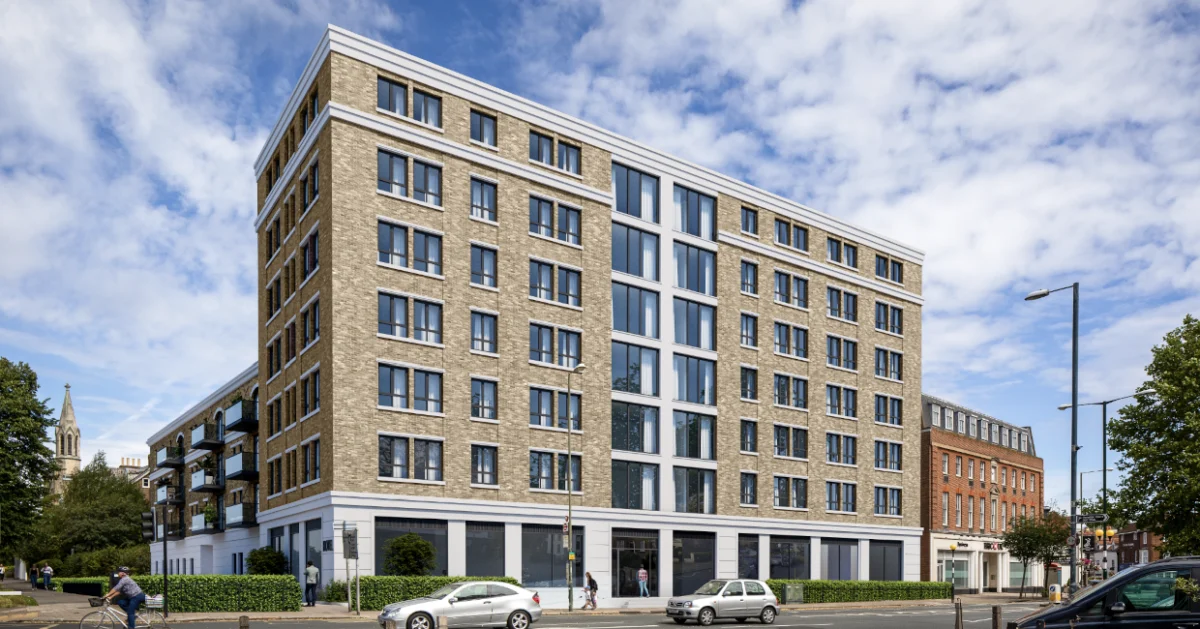
In a significant move that promises to reshape the architectural and economic landscape of Hampton Wick, the Westcombe Group has officially received planning approval for the comprehensive regeneration of Kingston Bridge House. This ambitious, mixed-use development is set to breathe new life into a long-vacant site, repurposing former student accommodation into a luxury hospitality and residential destination. The project marks a defining moment for Westcombe as it pivots toward the premium hospitality sector via its ‘Acre Hotels’ collection and signals the commencement of a strategic, long-term partnership with IHG Hotels & Resorts.
The Vision: A New Landmark for Richmond upon Thames
The approved scheme is not merely a renovation but a total transformation of the Church Grove site. By replacing obsolete infrastructure with a high-end, five-star Hotel Indigo and a boutique collection of 22 luxury apartments, the project aims to cater to both the international traveler and the discerning local resident.
The Hotel Indigo brand, renowned for its "neighborhood-story" design philosophy, is particularly well-suited to the historic character of Hampton Wick. The development will feature full-service hotel amenities, including a sophisticated bar, an upscale restaurant, and versatile conference spaces designed to serve both corporate guests and the local community. Complementing this, the residential component will offer a mix of one-, two-, and three-bedroom apartments, with a firm commitment to community inclusivity through the provision of four affordable housing units.
A Chronology of the Project
The journey to this planning success was defined by a methodical approach to urban renewal:
- Acquisition and Site Assessment: Westcombe Group identified the vacant Kingston Bridge House—a property that had previously served as student accommodation—as a site with significant potential for repurposing.
- Design and Consultation: Following the acquisition, the development team worked closely with local planning authorities to ensure the design respected the unique riverside setting and the historical aesthetic of the London Borough of Richmond upon Thames.
- The Partnership Formation: Westcombe finalized an agreement with IHG Hotels & Resorts to bring the Hotel Indigo brand to the site, establishing the foundation for their Acre Hotels collection’s expansion.
- The Economic Case: A rigorous independent economic impact assessment was commissioned to quantify the project’s benefit to the borough.
- Planning Approval: After months of deliberation and public discourse, the planning approval was officially granted, clearing the path for construction to begin.
Supporting Data: Economic Catalyst for the Borough
The project is positioned as a primary engine for local economic growth. According to the independent impact assessment, the benefits to Hampton Wick and the wider London Borough of Richmond upon Thames are substantial.
Construction and Direct Investment
The construction phase alone is expected to inject £20 million into the local economy. This investment will involve significant supply chain activity, local procurement of materials, and the engagement of regional contractors.
Employment and Operational Impact
Once the facility is fully operational, it is projected to sustain approximately 50 permanent jobs on-site. These roles will span a variety of sectors, from hospitality management and guest services to culinary arts and facility maintenance.
Tourism and Local Spending
The hotel is anticipated to attract roughly 9,000 visitors per year. These visitors are expected to contribute significantly to the local economy, with estimates suggesting an annual influx of £4.3 million in retail and leisure spending. This "visitor-to-local" spend loop is expected to bolster neighboring businesses, including local cafes, shops, and cultural venues that line the riverside area.
Official Responses: A Strategic Alignment
The success of the Kingston Bridge House project is a testament to the collaborative efforts of both the developer and the hotel operator.
Kamal Pankhania, CEO of Westcombe Group
For Kamal Pankhania, the approval is the culmination of a long-held vision for the site. "This is a very exciting moment for Westcombe and for Hampton Wick," he stated. "We are transforming a formerly vacant building into new homes, affordable housing, and a five-star luxury hotel that will bring jobs, prosperity, and thousands of visitors into the local area each year."
Pankhania placed heavy emphasis on the strategic importance of the partnership with IHG. "I am particularly proud that the hotel will be branded as Hotel Indigo. IHG is one of the most respected names in global hospitality, and we see this project as marking the start of a long and successful relationship between our two businesses, here in the UK and overseas."
Willemijn Geels, Vice President, Development, Europe at IHG
Representing IHG Hotels & Resorts, Willemijn Geels expressed enthusiasm for the brand’s expansion into this specific neighborhood. "We are delighted to welcome Westcombe Group to IHG and bring Hotel Indigo to the London Borough of Richmond upon Thames," she remarked.
Geels highlighted the alignment between the location and the brand’s identity: "Hampton Wick’s rich history, riverside setting, and strong local identity make it a natural fit for a brand that celebrates neighborhood stories and authentic local experiences."
Furthermore, Geels noted the broader context of the deal, adding, "This signing reflects strong owner demand for Hotel Indigo in the UK and Ireland and comes as we recently celebrated 200 open Hotel Indigo properties around the world. Together with Westcombe Group, we look forward to creating a distinctive hotel for guests and the local community."
Implications: The Future of Hampton Wick
The approval of this development has several far-reaching implications for the region.
1. Urban Regeneration and Placemaking
The project serves as a model for how vacant, non-residential buildings can be reclaimed to enhance the aesthetic and functional quality of a neighborhood. By moving away from student housing and toward a mixed-use residential and high-end hospitality model, Westcombe is effectively elevating the profile of the immediate vicinity.
2. A Hub for "Neighborhood-Centric" Hospitality
The Hotel Indigo model is fundamentally different from traditional, standardized hotel chains. It is designed to be an extension of the neighborhood. By integrating high-quality dining and conference spaces, the development provides a "third space" for the local community, effectively bridging the gap between residential life and the needs of a thriving visitor economy.
3. Sustainability and Heritage
While the project involves new construction, the repurposing of the site—rather than expanding into undeveloped ‘greenfield’ land—aligns with contemporary urban sustainability goals. The integration of 22 apartments, including affordable housing, addresses the critical need for residential units in London while maintaining a balance between high-end commercial use and social responsibility.
4. Strengthening the UK-International Hotel Pipeline
The collaboration between Westcombe and IHG is a significant indicator of the current state of the UK hospitality market. Despite macroeconomic challenges, institutional and private investors remain confident in the "boutique luxury" segment. The fact that this project serves as a test case for a wider, long-term international partnership suggests that Westcombe has developed a model that is highly scalable and attractive to global hospitality giants.
Conclusion
The transformation of Kingston Bridge House represents a convergence of private enterprise, community needs, and strategic urban planning. As construction begins, the focus will shift toward the execution of the architectural design and the eventual opening of the hotel.
For the residents of Hampton Wick, the development promises a cleaner, more active streetscape and the revitalization of a dormant building. For the stakeholders, it represents a calculated entry into a high-growth sector. And for the broader hospitality industry, it highlights the enduring value of the "neighborhood-story" branding model. As the site prepares for its rebirth, it stands as a prime example of how modern developers can successfully synthesize the demands of a global brand with the unique, local heritage of a London neighborhood.


