

 Lina Hope
 Iffa Jayyana
 Lina Irawan
 Ammar Sabilarrohman
 Ali Ikhwan
 Suro Senen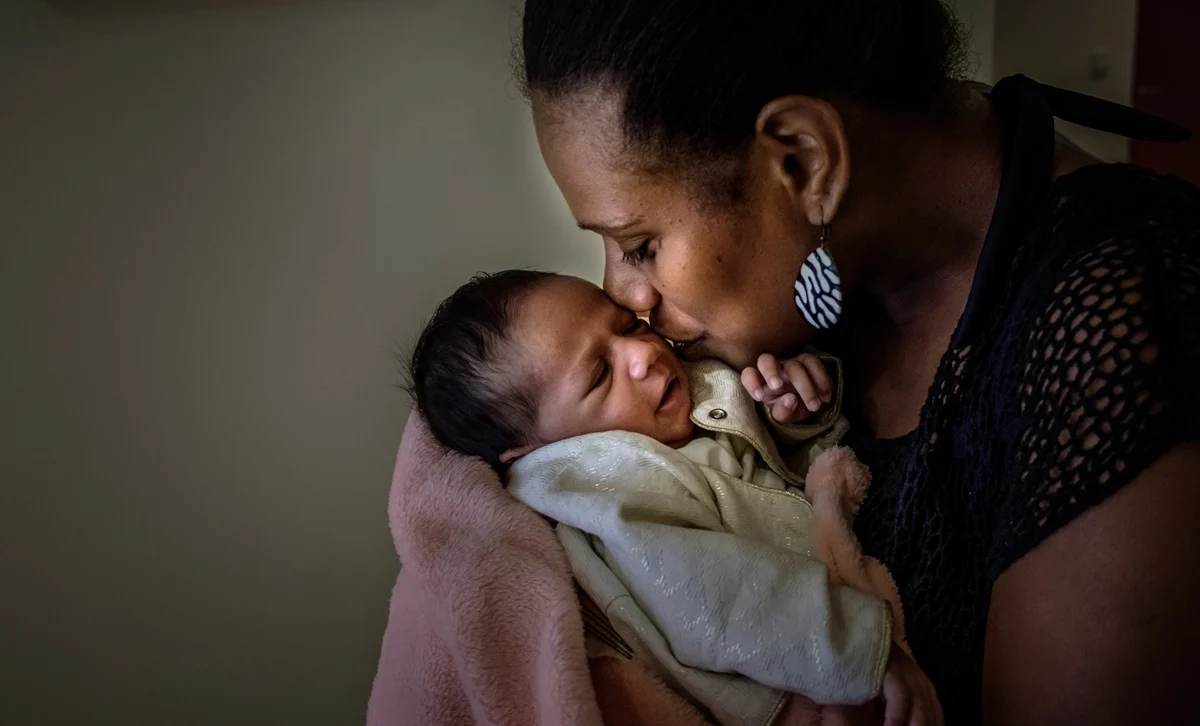
GENEVA/SANTIAGO – As the World Health Organization (WHO) marked its 77th anniversary on April 7, 2025, the global health community turned its collective focus toward a singular, urgent mandate: the preservation of maternal and newborn health. Under the banner of "Healthier Beginnings, Hopeful Futures," the 2025 World Health Day campaign serves as both a celebration of WHO’s legacy and a desperate, necessary warning against the erosion of progress in reproductive and neonatal care.
From the bustling corridors of Geneva to the rural territories of the Chilean Araucanía, over 100 WHO country offices coordinated simultaneous public advocacy actions. These events were not merely ceremonial; they were strategic interventions designed to highlight a burgeoning crisis—a global backsliding in maternal and newborn mortality reduction caused by shifting geopolitical priorities and severe funding shortfalls.
Main Facts: The Crisis at a Glance
The 2025 World Health Day initiative is built upon a sobering reality. Despite decades of technological advancement and improved clinical protocols, the global health sector is facing an unprecedented financial squeeze.
- The Campaign Theme: "Healthier Beginnings, Hopeful Futures" focuses on the continuum of care from preconception through pregnancy, childbirth, and the postnatal period.
- The Trigger: A joint warning issued by UN agencies on April 7, 2025, alerted the international community that aid cuts to health services are actively threatening the lives of millions of women and infants.
- The Scope: With over 100 global offices participating, the initiative represents the most synchronized advocacy effort in the organization’s recent history.
- The Goal: To secure a year-long commitment from Member States to prioritize maternal health in national budgets and to halt the reversal of hard-won gains in neonatal survival.
Chronology: A Day of Global Mobilization
The mobilization on April 7, 2025, followed a carefully orchestrated timeline designed to maximize media impact and local engagement across all six WHO regions.
Morning: The Chilean Dialogue
In Santiago, Chile, the day began with a profound exchange. PAHO/WHO Chile Country Representative Giovanni Escalante Guzmán met with Mapuche leader Juana Cheuquepan. Their discussion, centered on "mother and newborn health as the basis for healthy families and communities," highlighted the necessity of integrating traditional knowledge with clinical care. By focusing on indigenous perspectives, the meeting underscored that maternal health is not a one-size-fits-all medical issue, but a culturally nuanced human right.
Midday: The Global Alarm
As the sun moved across the globe, UN agencies issued a synchronized statement detailing the specific impacts of "aid cuts." The reports indicated that in several low-to-middle-income countries, the withdrawal of donor support has forced the closure of rural clinics, leading to a surge in preventable maternal deaths during transit or due to the lack of emergency obstetric care.
Afternoon: Regional Symposia
- African Region: Focus shifted toward community-led maternal health monitoring and the training of midwives in conflict-affected zones.
- European Region: Discussions centered on the rise of maternal health inequities exacerbated by the cost-of-living crisis and the integration of migrant health services.
- Western Pacific & South-East Asia: Advocacy focused on digital health infrastructure, aiming to use tele-medicine to bridge the gap between remote villages and urban specialized care.
Supporting Data: Why the Alarm is Sounding
The urgency of the 2025 campaign is rooted in hard data. For years, the global community followed a trajectory of steady decline in maternal mortality rates (MMR). However, recent internal audits from WHO and its partners show that this curve has flattened, and in some high-risk regions, it has begun to invert.
The Funding Gap
Data suggests that the current funding shortfall for reproductive, maternal, newborn, child, and adolescent health (RMNCAH) exceeds $20 billion annually. When donor agencies pivot their budgets toward humanitarian emergencies or short-term security initiatives, the "slow burn" of maternal health funding is often the first to be sacrificed.
The "Silent" Indicators
- Facility-Based Births: Rates have stagnated in the last 24 months, indicating that women are opting for home births without skilled birth attendants due to the rising costs of formal health care services.
- Postnatal Care: The window between birth and the first 48 hours remains the most dangerous period for both mother and infant. Recent data shows a 12% decrease in postnatal follow-up visits in sub-Saharan Africa, directly linked to transportation fuel costs and staff shortages.
- Health Worker Burnout: The post-pandemic health workforce crisis has hit maternal wards the hardest. Many skilled obstetricians and midwives have left the public sector for the private market or have retired early, leaving a void in institutional memory and clinical expertise.
Official Responses and Strategic Priorities
The WHO leadership has been unequivocal: the world is at a crossroads. Dr. Tedros Adhanom Ghebreyesus and other regional directors have emphasized that maternal health is the "litmus test" for any functional health system.
"If we cannot protect the woman giving birth, we have failed the foundational contract of society," noted a senior WHO policy advisor during the Geneva press briefing.
The 2025-2026 Strategic Mandate
WHO has outlined four key pillars for the year-long campaign:
- Sustainable Financing: Moving away from volatile, project-based funding toward "core-funded" maternal health systems that can withstand economic shocks.
- Universal Health Coverage (UHC) Integration: Ensuring that maternal and newborn care is non-negotiable within the package of essential services provided under national UHC programs.
- Data Transparency: Implementing real-time maternal mortality surveillance systems to identify "hotspots" where deaths are spiking before they become national crises.
- Community Empowerment: Recognizing that formal clinics are only part of the solution. The 2025 campaign emphasizes the role of community health workers and local leaders—such as the example set in Chile—as the first line of defense.
Implications: The Long-Term Stakes
The implications of failing to act in 2025 are severe. Beyond the immediate loss of life, the ripple effects of maternal death on a family unit are devastating. A mother’s death significantly increases the mortality risk for the surviving infant and jeopardizes the socio-economic future of the remaining children.
A Year of Reckoning
World Health Day 2025 is not just a commemorative date; it is the kick-off for a 12-month period of intense lobbying. The WHO aims to influence the G20 and other international forums to codify maternal health funding as a "global public good."
If the international community ignores the warning signs, the world risks losing the progress made since the inception of the Millennium Development Goals. However, if the "Healthier Beginnings, Hopeful Futures" campaign succeeds, it could revitalize the global health sector, creating a more resilient framework that treats maternal and newborn care as the heartbeat of human development.
The Human Element
Back in Chile, the dialogue between Giovanni Escalante Guzmán and Juana Cheuquepan serves as a microcosm of the global challenge. It reminds us that behind every statistic—every percentage point of mortality, every dollar of funding—is a family, a community, and a future. As the WHO enters its 78th year, its mission remains as vital as it was in 1948: the attainment by all peoples of the highest possible level of health. For the mother in the delivery ward and the newborn taking their first breath, this is not just a policy goal—it is a matter of life and death.
As we look toward the remainder of 2025, the global health sector is watching. The commitment of governments, the generosity of donors, and the dedication of health workers will determine whether the "hopeful futures" promised in this campaign become a reality or remain a fading aspiration. The time for advocacy is now, and the mandate is clear: protect the mothers, save the newborns, and secure the future.


