

 Raul Delapena Setiawan

 Ammar Sabilarrohman
 Lina Irawan
 Suro Senen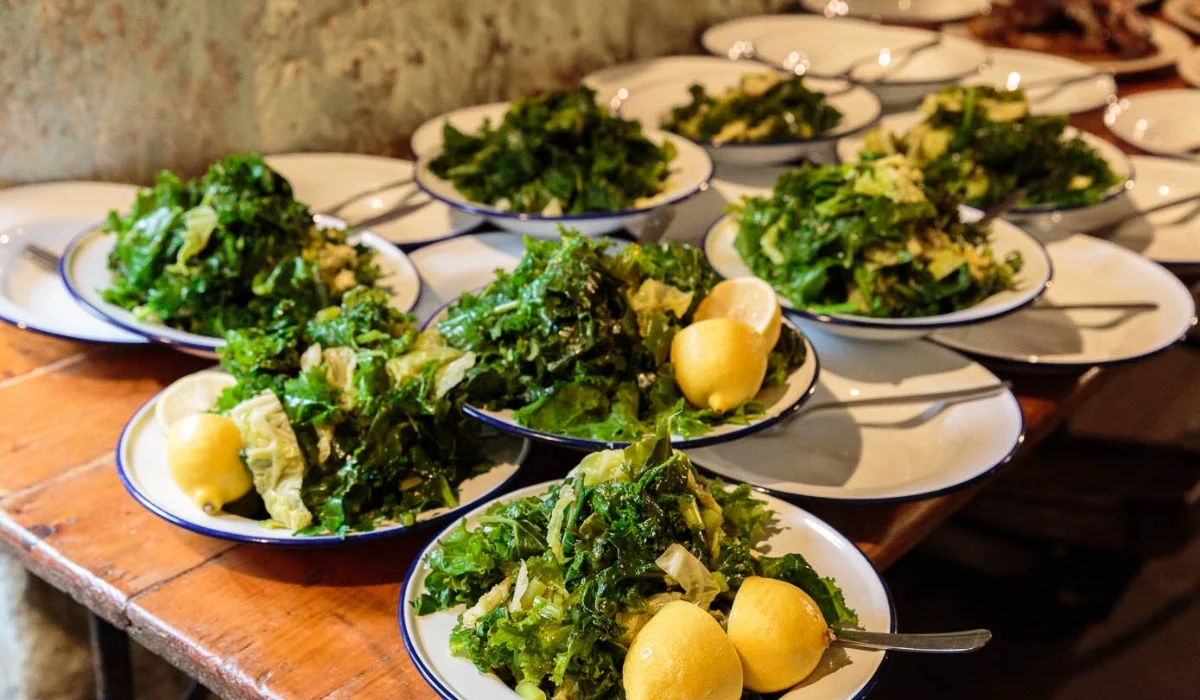
The modern medical landscape has been seismically shifted by the arrival of GLP-1 receptor agonists. These injectable weight-loss medications, originally designed to manage type 2 diabetes, are now hailed as the most significant breakthrough in obesity management in decades. For millions struggling with metabolic dysfunction, these drugs offer a lifeline, effectively silencing the "food noise" that makes dieting an exercise in futility.
However, as the world celebrates this clinical triumph, a critical conversation is being sidelined. While we focus on the biology of appetite suppression, we are largely ignoring the biological quality of the food itself and the agricultural systems that produce it. Dr. Lucy Williamson, an award-winning public health nutritionist and former veterinarian, argues that by focusing exclusively on the pharmacological "off switch" for hunger, we risk treating the symptoms of a broken system while neglecting the root causes of our modern health crisis.
The Main Facts: The GLP-1 Phenomenon
At the heart of the current weight-loss revolution is GLP-1 (glucagon-like peptide-1), a hormone naturally secreted in the gut in response to food. It acts as a sophisticated metabolic regulator, slowing gastric emptying, stabilizing blood sugar, and signaling satiety to the brain.
Current pharmaceutical interventions mimic this natural hormone, but with a potency that biological systems rarely achieve on their own. While the efficacy of these drugs in reducing body mass and improving markers of cardiovascular and metabolic health is undeniable, they do not address the nutritional environment that necessitated their use in the first place. The core issue, Dr. Williamson posits, is that appetite is not merely a matter of willpower or hormonal signaling; it is a biological feedback loop inextricably linked to the gut microbiome and the nutrient density of our diet.
Chronology of a Crisis
To understand why we have arrived at this juncture, we must look at the evolution of our food system over the last half-century:
- The Post-War Shift: Following the Second World War, agricultural policy pivoted toward high-yield, chemically intensive farming. The focus shifted from soil health to caloric output, prioritizing quantity over nutritional density.
- The Rise of UPFs: Concurrently, the food industry began prioritizing Ultra-Processed Foods (UPFs). These products—engineered for palatability and long shelf life—disrupted the "food matrix," the complex structure of nutrients that our bodies evolved to digest slowly.
- The Microbiome Discovery: Only in the last two decades have scientists fully grasped the role of the gut microbiome. We now know that our internal microbial community is essential for everything from immune function to mental health.
- The GLP-1 Era: The mid-2020s have seen the mass adoption of GLP-1 medications. While these drugs save lives by addressing immediate metabolic danger, they represent a late-stage intervention in a long-term decline of public health.
Supporting Data: The Soil-to-Gut Link
The "soil-to-gut" connection remains one of the most overlooked aspects of nutrition. The nutrient content of our food is directly dictated by the life within the soil. Healthy, microbe-rich soil acts as a digestive system for plants, unlocking minerals and synthesizing compounds that are vital for human biology.
The Nutritional Gap
Recent research highlights a troubling trend: crops grown in depleted, chemically treated soils show lower levels of essential polyphenols, carotenoids, and vitamins. These compounds are not just "extras"—they are the building blocks of a healthy gut microbiome. When we consume plants grown in degraded soil, we are essentially starving the very microbes responsible for producing our body’s own natural GLP-1 and anti-inflammatory compounds like butyrate.
The Impact of Agrochemicals
The use of pesticides and synthetic fertilizers has been shown to cause more than just soil degradation. Emerging data suggests that exposure to these chemicals alters the gut microbiome and damages the mucous layer of the small intestine—a vital barrier that protects the body from systemic inflammation. In essence, our current agricultural practices may be actively dismantling the very internal infrastructure we need to regulate our own weight.
Implications: The Failure of the "Quick Fix"
The danger of viewing weight-loss drugs as a standalone solution is that it reinforces the idea that health is a product of control rather than cultivation. If we continue to view appetite as something to be suppressed rather than supported, we fail to address the systemic nature of chronic disease.
The "Matrix" of Food
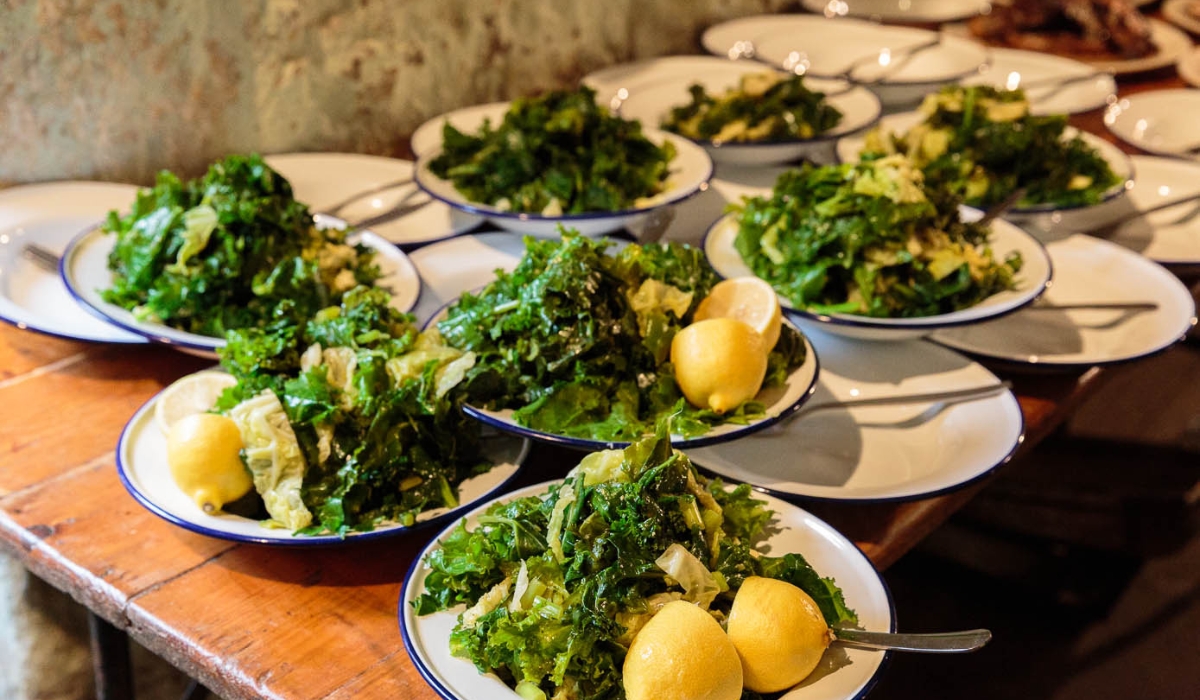
Food is not simply a collection of calories or macronutrients (fats, proteins, carbohydrates). It is a complex matrix. When we consume UPFs, that matrix is destroyed. The rapid absorption of sugars and fats from processed foods creates a "biological mismatch." Our bodies, which evolved to recognize complex, fibrous foods, are left confused by the nutrient-stripped energy density of modern diets. This disruption is a primary driver of the metabolic dysregulation that GLP-1 drugs are now tasked with fixing.
Inflammation: The Common Denominator
Obesity, cancer, heart disease, and digestive disorders all share a common root: chronic, low-grade inflammation. The gut microbiome is the primary regulator of this inflammatory state. By relying on medication to suppress appetite without addressing the lack of fiber, biodiversity, and soil-derived nutrients in our diet, we are essentially "putting a bandage on a broken bone." We may manage the weight, but the underlying inflammation—and the susceptibility to other chronic illnesses—remains.
Official Responses and Expert Perspective
While the medical community is largely focused on the clinical benefits of GLP-1 agonists, a growing chorus of nutritionists and ecologists is calling for a more holistic approach. Dr. Williamson emphasizes that we must stop treating the human body as a machine that can be hacked by injections and start viewing it as an ecosystem that must be nurtured.
"The goal is not simply to override appetite," Dr. Williamson notes. "It is to restore the body’s natural ability to regulate it." This involves a fundamental shift in how we approach agriculture, food policy, and personal health.
- Regenerative Agriculture: Supporting farming practices that prioritize soil health, microbial diversity, and the elimination of harmful agrochemicals.
- Nutrient Density Standards: Shifting public health metrics away from "calories in, calories out" toward "nutrients in, systemic health out."
- Microbiome Literacy: Educating the public on the role of fermented foods, diverse plant fibers, and the importance of environmental exposure to natural microbes.
A New Paradigm for Health
As we look toward the future, the integration of modern medicine with ecological wisdom is essential. Weight-loss drugs are a valid tool for those in acute metabolic crisis, but they should be viewed as a bridge, not a destination.
True public health lies in reconnecting the system. It starts beneath our feet in the soil, travels through the plants we grow, and manifests in the diverse community of microbes residing in our guts. If we want to solve the obesity crisis, we cannot simply suppress the hunger signals; we must provide the body with the high-quality, complex fuel it needs to function correctly.
We must move away from the mindset of "control" and toward a philosophy of "cultivation." Human health is not a private, isolated concern; it is a reflection of the health of the earth. Until we bridge the gap between the soil and the gut, we will continue to chase solutions that address the symptoms while the root of the problem continues to grow.
Dr. Lucy Williamson is an award-winning public health nutritionist and author dedicated to the intersection of regenerative agriculture and human biology. Her upcoming book, "Soil to Gut," provides a comprehensive roadmap for restoring metabolic health from the ground up.
For more information, visit lwnutrition.co.uk or register to pre-order her book at soiltogut.com.


 Azzam Bilal Chamdy