 Dwi Wanna
 Nana Wu
 Muslim
 Reynand Wu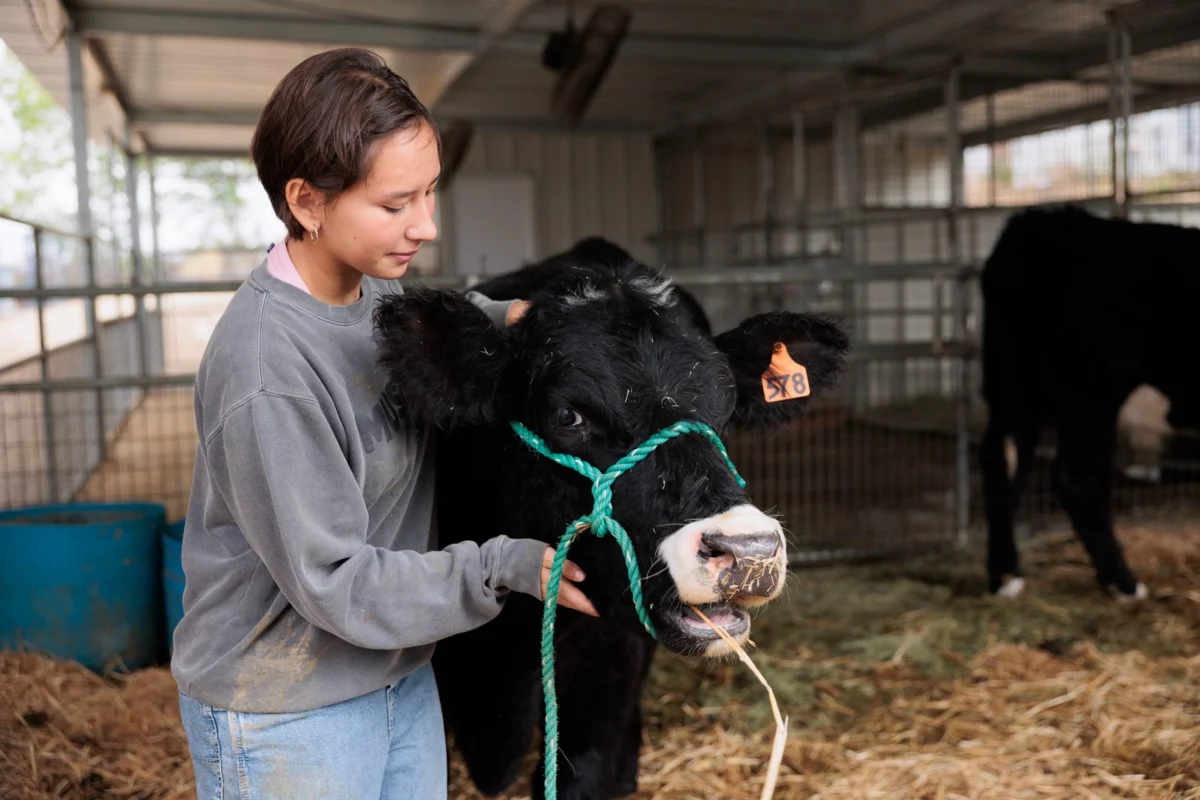
 Ammar Sabilarrohman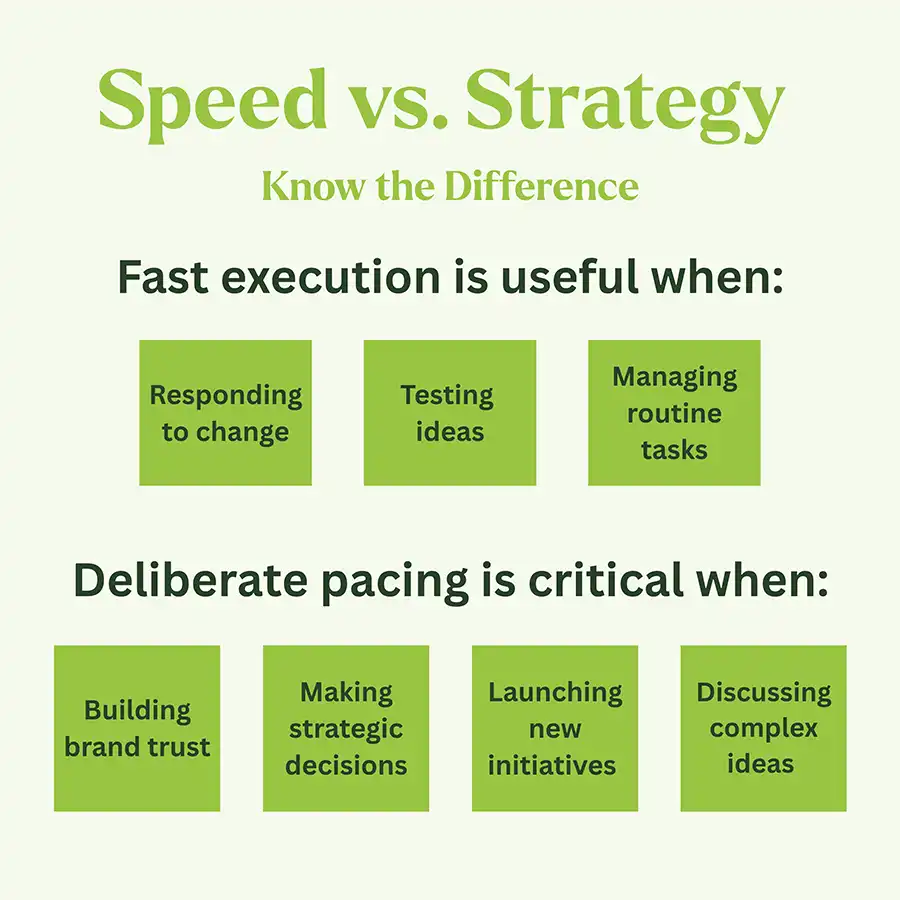
In an era defined by the rapid deployment of artificial intelligence, real-time data analytics, and an unrelenting pressure to produce content, the marketing profession is undergoing a profound identity crisis. For years, the industry mantra has been "faster, louder, and more often." However, a recent keynote presentation by industry expert Ann [Surname/Context] has challenged this orthodoxy, suggesting that the most successful organizations are moving away from the cult of speed and toward a strategy defined by "strategic patience."
This paradigm shift is not a rejection of efficiency, but rather a sophisticated recalibration of how marketing departments operate. By prioritizing trust over volume and impact over output, companies are discovering that in a noisy marketplace, the ability to slow down is becoming a potent competitive advantage.
The Performance Paradox: Why Measuring the Wrong Things is Dangerous
Marketing teams today operate within a high-stakes ecosystem. With technological advancements making it trivial to churn out campaigns and measure performance in granular, real-time increments, there is immense pressure to demonstrate immediate results. This has created a phenomenon Ann describes as the "performance paradox": the metrics that are the easiest to track—clicks, impressions, and short-term lead volume—are often the metrics that matter the least to long-term brand equity.
In many organizations, this pressure leads to a cycle of constant activity that is frequently mistaken for progress. When marketing teams are tethered to rigid revenue expectations and highly visible status meetings, they often prioritize "what is shipping" over "what is growing." This cycle creates a dangerous environment where efficiency is optimized at the expense of efficacy.
The Metaphor of the Cow and the Sloth: Balancing Efficiency and Insight
To illustrate the inherent tension in modern marketing, the keynote introduced a simple yet profound metaphor: the cow and the sloth.
The "cow" represents the ideal corporate employee—productive, efficient, and fast. Organizations are structurally designed to reward the cow. Conversely, the "sloth" represents the qualities of thoughtfulness, deliberate care, and deep, strategic work. In the current corporate climate, very few organizations carve out the necessary space for the sloth.
The danger, however, is not efficiency itself; it is the elevation of speed from a tool to a goal. When speed becomes the ultimate objective, the consequences are predictable:
- Erosion of Brand Trust: Messaging becomes generic or inaccurate, signaling to the consumer that the brand is more concerned with noise than value.
- Diminished Judgment: The culture shifts to value rapid output, leaving no room for the critical assessment of whether a campaign actually resonates with the target audience.
- Short-Termism: Work is pushed out the door to meet an arbitrary deadline, failing to create any lasting market impact.
Redefining "ASAP": A New Framework for Decision-Making
Perhaps the most disruptive idea presented was the redefinition of the ubiquitous business acronym, "ASAP." For decades, it has meant "as soon as possible." The new proposal is to reframe it as "as slow as possible" when the work carries high stakes.
This approach is particularly vital in the agricultural sector, where trust is the primary currency. In ag marketing, the pressure to launch a new product or service before the planting season is immense. Sales teams, dealer networks, and corporate calendars demand immediate visibility. However, if that speed comes at the cost of field validation or if the core messaging is misaligned with the realities of the farmer’s daily life, the "speed" is counterproductive.
An inaccurate claim or a poorly timed campaign can inflict damage that takes years to repair. In this context, "as slow as possible" is not about lethargy—it is about risk management. It is a commitment to ensuring that the most impactful decisions are given the time required to be right.

The Practical Test: Shifting from Output to Impact
To help marketing teams navigate this shift, the keynote offered a practical, two-part diagnostic test for every project. Before hitting "publish" or "launch," teams should ask:
- Does this grow who we are, or does it just add to what we ship?
- Will this matter a year from now, or is it only relevant for the next status meeting?
These questions force a pivot from vanity metrics to long-term brand building. By filtering work through these lenses, marketing teams can stop being content factories and start being architects of reputation. The goal is to prioritize work that strengthens the brand’s standing in the market rather than simply filling a content calendar.
Implications for the Agricultural Sector
The agricultural industry serves as a unique case study for why this shift is necessary. Trust in agriculture is not reset with each fiscal quarter; it is an accumulative asset that grows over years. It is built through consistent, credible interactions and travels through deeply embedded relationships.
When a company moves too fast in this sector, they are not just failing a campaign—they are jeopardizing long-term credibility. Farmers are historically skeptical of over-hyped marketing, and a single misstep can create a barrier to entry that no amount of additional spending can overcome.
The most effective agricultural marketing teams are now demonstrating a "bimodal" approach. They move with extreme velocity when it comes to execution—logistics, digital distribution, and customer support—but they slow down significantly when it comes to judgment, product positioning, and messaging.
Moving Forward: The Wallop Tracker and Measuring Value
To bridge the gap between abstract strategy and day-to-day execution, the concept of the "Wallop Tracker" was introduced. This framework is designed to measure the impact of marketing activities before the revenue hits the ledger. By tracking indicators of brand health, sentiment, and relationship depth, teams can prove that their "slow" work is actually generating a superior return on investment compared to the "fast" work that delivers immediate, but fleeting, metrics.
Conclusion: The New Standard for Marketing Success
The message is clear: the future of marketing success does not lie in choosing between fast and slow. Instead, it lies in the wisdom of knowing when to employ each.
As technology continues to drive the cost of production toward zero, the value of human judgment, nuance, and strategic patience will only increase. Marketing leaders must foster a culture that feels safe enough to pause, deliberate enough to be accurate, and bold enough to prioritize trust over the "as soon as possible" trap.
In a world that is becoming louder by the day, the companies that will win are not the ones shouting the fastest. They are the ones who have earned the right to be heard because they took the time to say something that truly matters.
The transition to this new model requires more than just a change in process; it requires a fundamental change in mindset. It asks leaders to define progress not by the quantity of the output, but by the quality of the impact. In the long run, this isn’t just better marketing—it’s better business.

 Sagoh
Sagoh