
 Dwi Wanna
 Nana Wu
 Muslim
 Reynand Wu
 Ammar Sabilarrohman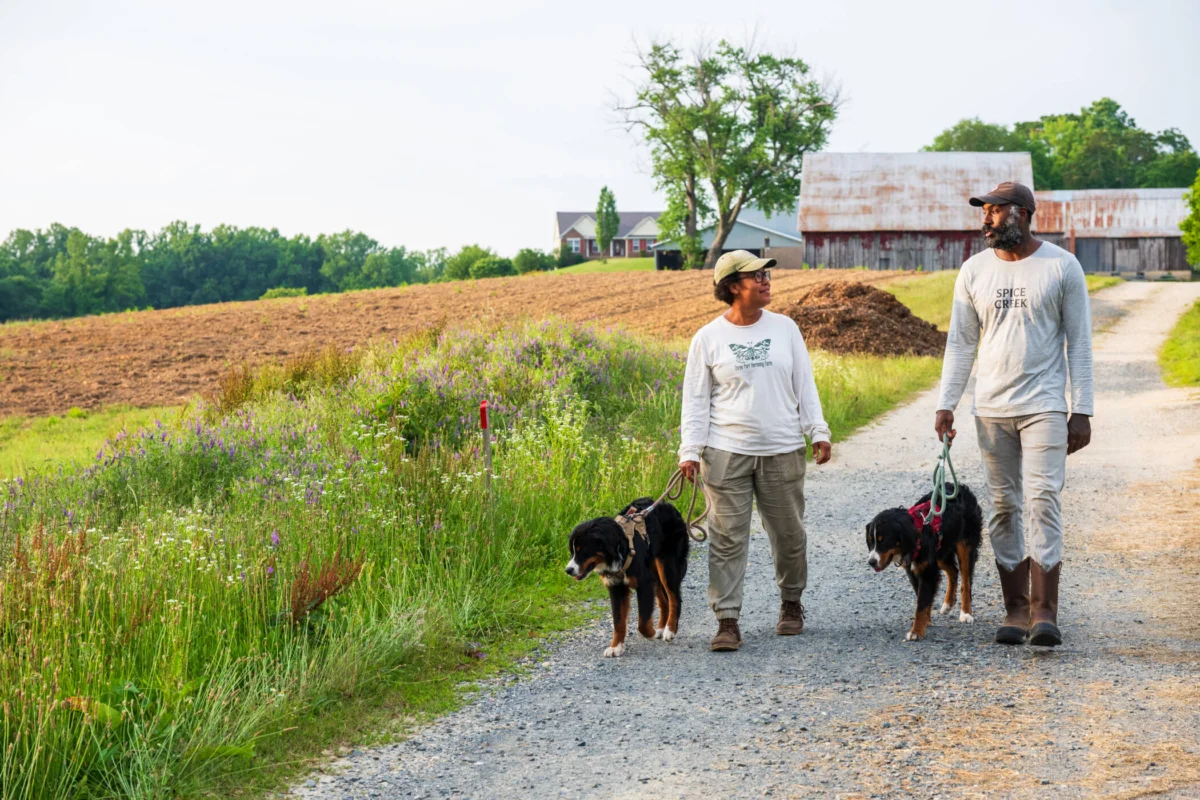
By Scott Meyer | Photography by Rob Cardillo
On a sweltering early summer afternoon in Brandywine, Maryland, the rhythm of agriculture is punctuated by the rhythmic driving of posts into the earth. At Spice Creek Farm, D’Real Graham is busy preparing a wire trellis system. It is a vital task; the tomato vines are stretching skyward, and their heavy, burgeoning fruit must be kept off the damp soil to ensure a healthy harvest. Nearby, the garden beds are a tapestry of agricultural success: peppers and squash are rounding out, while kale and chard stand at the pinnacle of their productivity. Overseeing the operation with a canine’s curiosity are Ruby and Ivy, the couple’s Bernese Mountain dogs, who occasionally pause their roaming to sample the nutrient-dense greens.
This scene is more than just a farm; it is the physical manifestation of a profound mission. Spice Creek Farm, managed by partners Gail Taylor and D’Real Graham, is currently in the midst of its first full growing season at this 24-acre rural site—a former tobacco farm located 25 miles southeast of Washington, D.C. For Taylor and Graham, this land is not merely a place to grow food; it is the cornerstone of a burgeoning movement to create an equitable, community-based food system.
Main Facts: A Vision for the Black Agrarian Corridor
The transition to the Brandywine property represents a significant scaling up of operations for the duo. Taylor, a veteran of the urban farming scene in Washington, D.C., spent over a decade refining her methods on small, tight-knit plots. Now, with 24 acres at their disposal, the couple is looking beyond their own fence lines. Their goal is to anchor a "Black Agrarian Corridor" in southern Maryland, a network of growers that fosters economic resilience, food sovereignty, and ecological health.
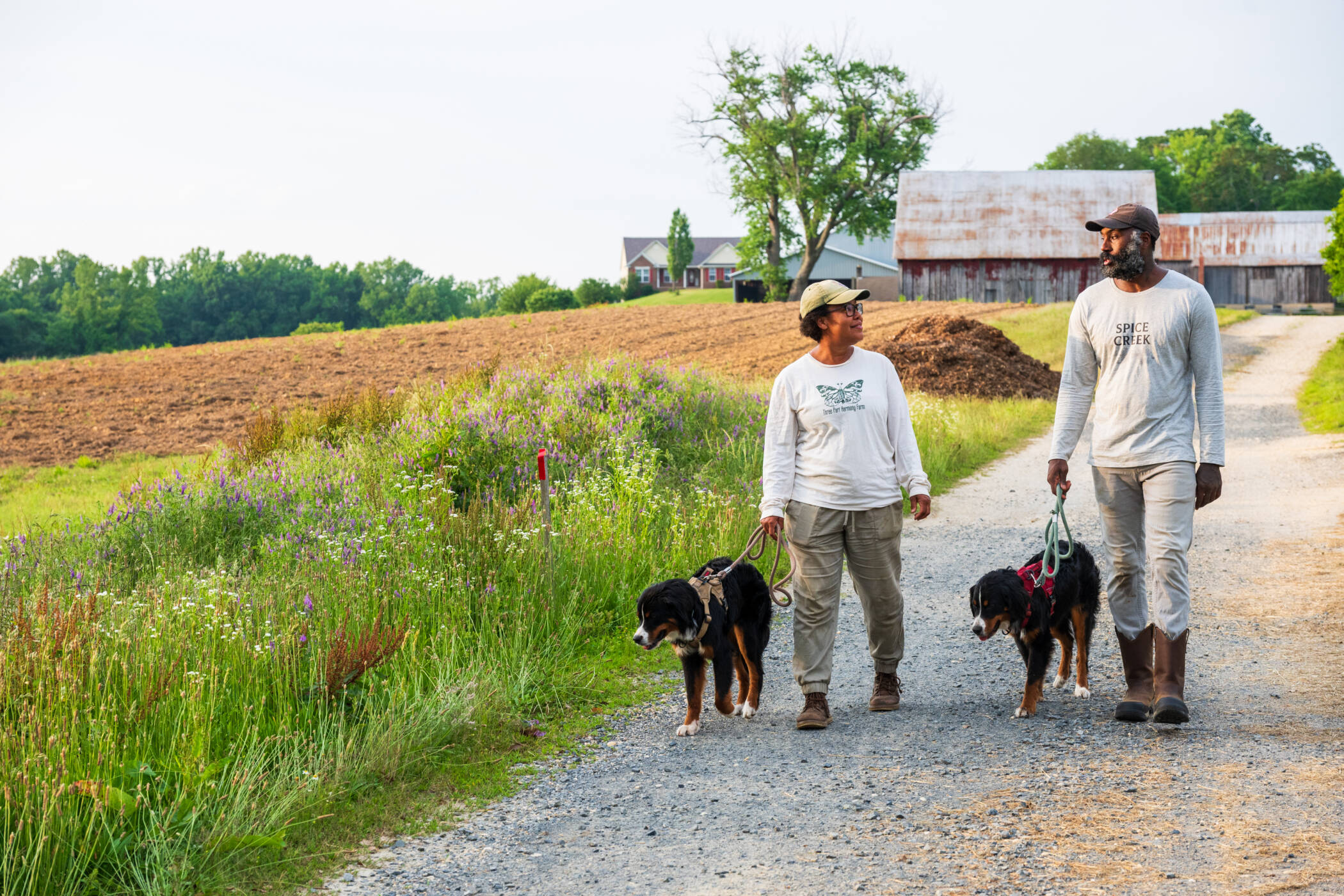
"We want to provide good, healthy food to people, especially children, and we want to be part of a community of farmers," Taylor explains. Their efforts have not gone unnoticed; the couple were named finalists for the inaugural U.S. Good Farmer Award, a partnership between the Rodale Institute and the Davines Group. The award recognizes farmers who make significant environmental and social contributions through regenerative organic practices. To help navigate this transition, they have engaged with the Rodale Institute’s consulting team, working to optimize everything from soil health to equipment logistics.
Chronology: From Policy to Planting
The path to Spice Creek Farm was neither linear nor traditional. Gail Taylor’s journey began in New York, followed by academic pursuits in U.S. foreign policy and international relations at Syracuse University. Her time spent in Guatemala and Chile provided a global perspective on land and labor, but it was in 2005, while volunteering at Deep Roots Farm in Upper Marlboro, Maryland, that she found her calling.
"I was looking for a change from policy work," Taylor reflects. "Farming felt to me like I was having a direct, positive impact on people."
After honing her skills, Taylor identified a need for better food access in the city. In 2011, she launched a backyard CSA, cycling between neighbors’ yards to collect produce. When she encountered regulatory roadblocks—specifically a lack of property tax exemptions for urban farms—she didn’t just walk away; she changed the law. With the help of American University law students, Taylor championed the 2014 D.C. Urban Farming and Food Security Act, which paved the way for the creation of Three Part Harmony Farm in 2015. By 2024, that urban operation had produced 7,000 pounds of food annually.
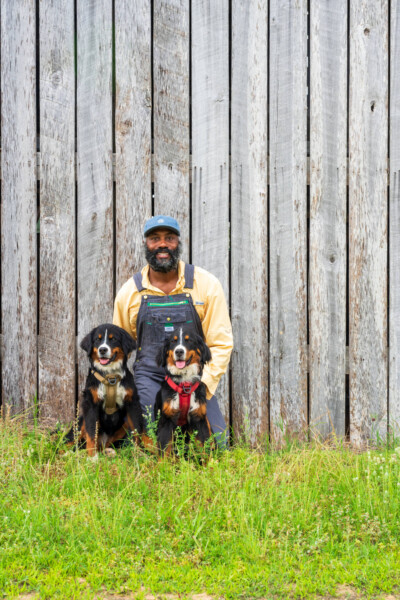
D’Real Graham, a Michigan native with a background in education, joined this journey after a personal and professional pivot. "I was ready to pivot from office culture to agriculture, but it was hard," Graham admits. "At first, Farmer Gale [at Deep Roots] only trusted me to weed, but I came to it humbly and was willing to learn."
The two eventually joined forces, merging their expertise and shared vision. In December 2023, with the support of Dirt Capital Partners, they secured a lease-to-purchase agreement for the Brandywine land, marking the beginning of the next chapter for Spice Creek.
Historical Weight and Remediation
The land in Brandywine carries a heavy history. The property, once owned by the prominent Baden family, served as a site where 110 people were once enslaved. "I researched the history of this land," Graham notes, "and it is something we hold with us as we work."
The physical state of the land required significant intervention. The soil had been degraded by years of conventional monocropping—specifically corn and soybeans—which involved heavy machinery and chemical reliance. To breathe life back into the dirt, the couple embarked on an aggressive restoration plan. In the summer of 2022, they brought in seven truckloads of compost and spent days manually spreading it. They installed deer fencing, hand-dug initial beds, and laid down water lines for drip irrigation.
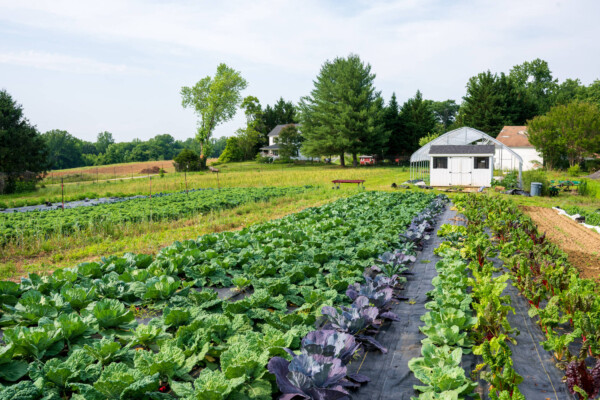
Today, the farm is a site of transition. They are moving beyond simple vegetables to incorporate cotton and cowpeas, both for production and as a symbolic effort to restore their community’s relationship to these crops. Furthermore, they are rewilding portions of the farm with native species to support pollinators and are preparing for rotational livestock grazing, utilizing chickens and goats to manage vegetation and soil fertility naturally.
Supporting Data: Scaling the Operation
Scaling from a two-acre urban lot to a 24-acre rural farm introduces a "complexity gap." Kegan Hilaire, a consultant with the Rodale Institute, notes that the infrastructure requirements for 20 acres are vastly different from those of a backyard setup.
"A walk-behind tractor can get you started, but it’s not going to be enough when you’re working 20 acres," Hilaire explains. "You need simple infrastructure for post-harvest storage and processing that can handle the volume while you save for the bigger, long-term assets."
The Rodale Institute’s consulting team, which has helped transition over 45,000 acres of land to organic production across the U.S., provides the technical backbone for this growth. Their support includes:

- Soil and Crop Management: Developing long-term rotations that improve soil organic matter.
- Economic Strategy: Navigating the labyrinth of federal grants, which have recently faced funding cuts.
- Infrastructure Planning: Designing wash stations, greenhouses, and cold storage that meet food safety standards without breaking the bank.
Official Responses and Strategic Challenges
The transition into 2025 has brought new hurdles. Federal support for small-scale, organic agriculture has seen a reduction, creating a capital crunch for operations like Spice Creek. "We didn’t bring a lot of capital to this," Graham says. "We have depended on grants, and those cuts have had a big impact."
Labor is another persistent challenge. Agriculture often suffers from negative historical connotations among Black and brown communities in the United States. To mitigate this, Taylor and Graham are rethinking their living arrangements. They plan to convert a cabin on the property for their own use, while designating the brick house as employee housing, creating a more sustainable and inviting work environment for those who join their mission.
Despite these difficulties, their strategy for growth remains collaborative. They are actively coordinating with other local farms in southern Maryland. "We think it makes sense to rotate in coordination with each other," Graham says. By avoiding direct competition and aligning their crop calendars, they create a stronger, more diverse local food web.
Implications: The Future of Regenerative Agriculture
The impact of Spice Creek Farm reaches far beyond the boundaries of Brandywine. Their vision—to create a multi-farm CSA—rekindles a model that can serve hundreds of families while providing market security for other independent farmers. It is a blueprint for how small farms can survive in a corporate-dominated agricultural landscape: by forming cooperatives, sharing the burden of infrastructure, and grounding themselves in community needs rather than commodity prices.
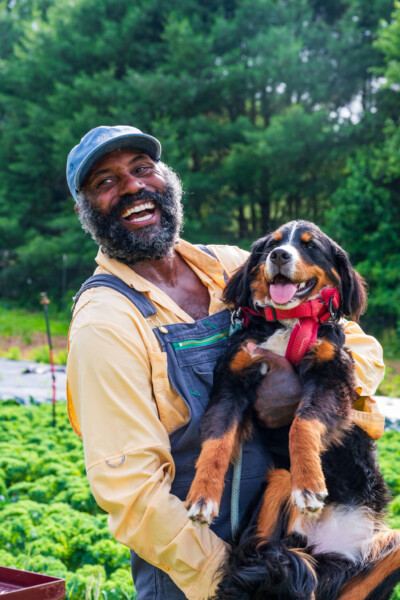
"We aspire to be land stewards as much as farmers," Graham says, summarizing the philosophy that drives their daily toil. For Taylor, the long-term goal is even clearer: "We want to get to the point where we can nurture the next wave of beginning farmers."
As they continue to build soil, manage pests through biodiversity, and invite the community into their space, Taylor and Graham are doing more than growing produce. They are planting the seeds of a food system that is equitable, sustainable, and, above all, resilient. In the heart of Maryland, the work at Spice Creek Farm stands as a testament to the idea that when we care for the land, the land—and the community it feeds—will eventually return the favor.
Farm Facts at a Glance
- Location: Brandywine, Maryland
- Land Area: 24 acres total
- Active Cultivation: 3 acres of vegetable crops (expanding)
- Reach: 150 current CSA members
- Capacity: 48 weeks of annual food production
This article was originally published in the 2025 Rodale Institute Journal. For more information on the institute’s consulting services and efforts to scale organic agriculture, visit rodaleinstitute.org/consulting.


 Sagoh
Sagoh