
 Dwi Wanna
 Nana Wu
 Muslim
 Reynand Wu
 Ammar Sabilarrohman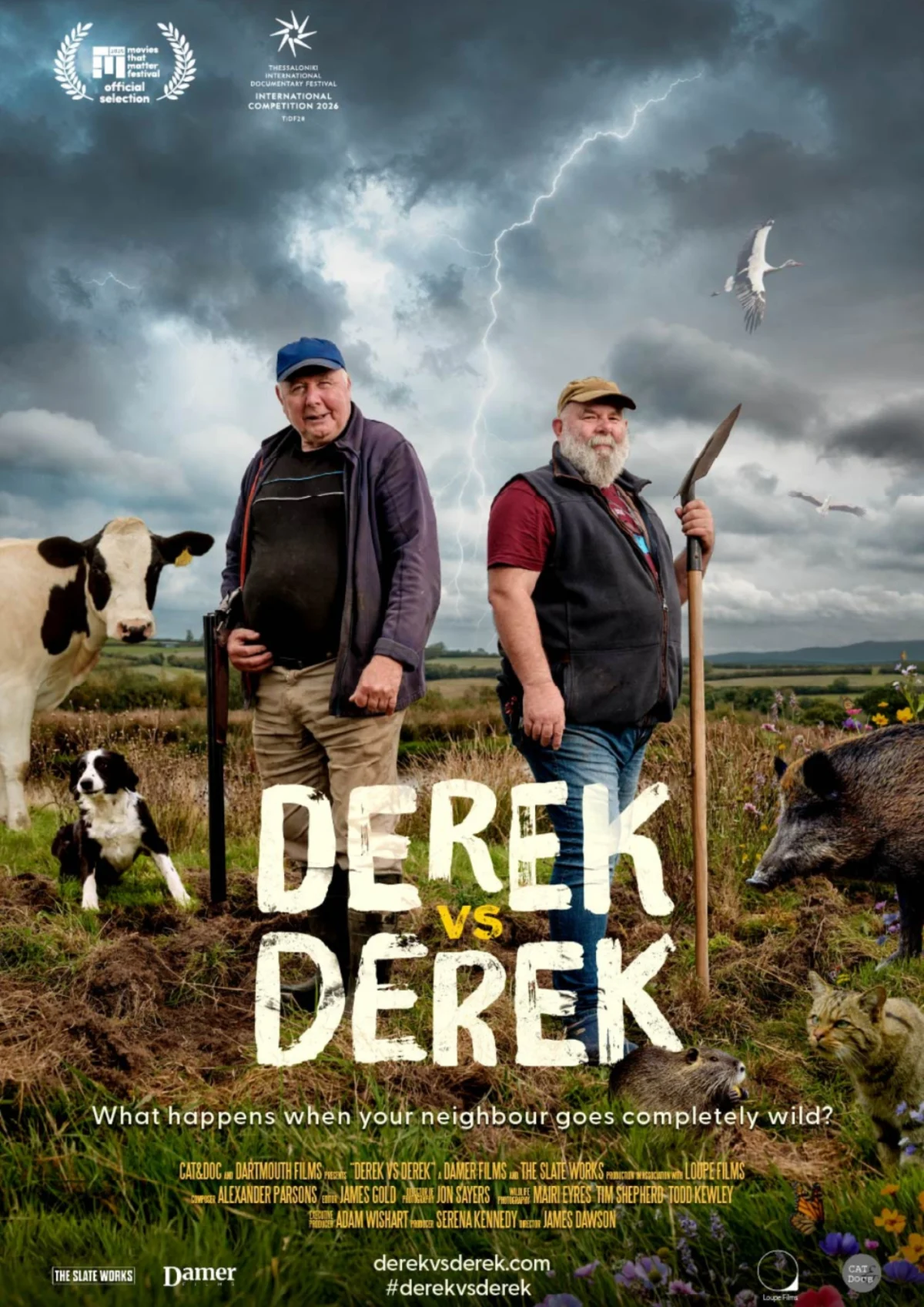
The Sustainable Food Trust (SFT) team has curated a definitive list of must-watch documentaries and series for the year ahead. As our global food systems face unprecedented pressures—from the rise of ultra-processed diets to the urgent need for regenerative agricultural practices—these films serve as vital, provocative, and hopeful guides. By bridging the gap between complex science and personal narrative, these works challenge us to rethink not just what we eat, but how we relate to the land that sustains us.
1. The Ultra-Processed Crisis: An Examination of Modern Consumption
What Not to Eat (Directed by Mickey Bishop)
The rise of ultra-processed foods (UPFs) has become the defining health challenge of the modern era. In What Not to Eat, streaming on Channel 4, Dr. Tim Spector and GP Dr. Kandi Ejiofor peel back the layers of the average UK diet, revealing a dependency that is as alarming as it is ubiquitous.
The Core Challenge
The series documents four families who rely heavily on UPFs. The production team utilizes striking visual aids—such as bathtubs filled with pot noodles and buckets of soda—to quantify the sheer volume of synthetic additives entering the average household. Dr. Spector’s investigation goes further, exposing the manufacturing deception where “meat” products contain little actual animal protein, and “custard” exists as a laboratory creation devoid of nutritional value.

Implications for Public Health
The documentary poses a fundamental question: can dietary habits be reversed? The series provides a glimmer of hope, with participants losing weight and embracing home-cooked meals by the finale. However, the lasting success of these transitions remains the central concern for nutritionists today, as the convenience culture of modern life continues to act as a significant barrier to systemic change.
2. Bridging the Divide: Agriculture’s Great Debate
Derek vs. Derek (Directed by James Dawson)
Premiering at the Sheffield DocFest, Derek vs. Derek offers a nuanced look at the ideological chasm between intensive farming and nature restoration. The film follows two neighbors in Devon: Derek Banbury, a traditionalist dairy farmer with deep ancestral roots in the land, and Derek Gow, a former sheep farmer turned rewilding pioneer.
The Clash of Philosophies
The conflict is not one of villainy, but of conflicting legacies. Banbury represents the post-war imperative to feed the nation at all costs, a mission he has upheld for five decades. Conversely, Gow operates under the mantra: “This is my land and I’m going to heal it.” The film captures the tension between feeding a population and restoring biodiversity, moving beyond the superficial "farmer vs. environmentalist" trope.

Supporting Data and Perspectives
The film serves as an educational gateway into the "Great Debate" of our time: land use. While the methods of the two Dereks may appear mutually exclusive, the documentary argues that the passion both men share for their respective crafts is the essential common ground needed to catalyze future agricultural policy.
3. The "Protein Wash": Exposing the Industry’s Latest Tactic
Protein: Everything You Need to Know (Directed by Liam Royales)
With the global protein industry now valued at approximately £20 billion, Protein: Everything You Need to Know acts as a scathing, necessary critique of "protein washing"—a marketing phenomenon where manufacturers use health halo claims to inflate prices and push ultra-processed goods.
The Science of Deception
Expert contributions from Dr. Yanaina Chavez-Ugalde reveal the mechanics of this trend. The documentary exposes the absurdity of high-protein snacks that contain higher sugar and calorie counts than traditional confectionery. Perhaps most damning is the analysis of "high-protein" breads, which charge consumers a 37% premium for a negligible 1g increase in protein content.
The "Fibre Gap" and Whole-Food Synergy
The film, featuring Dr. Rupy Aujla and Dr. Emily Prpa, emphasizes "whole-food synergy." By contrasting synthetic protein shakes—often mixed with sugary sodas in a trend known as "dirty sodas"—against nutrient-dense, natural sources like lentils and prawns, the film highlights a critical issue: the "fibre gap." In our fixation on protein, we have neglected the essential micronutrients required to prevent chronic illness, further proving that a label on a box is no substitute for a whole-food diet.
4. Harmony and Heritage: A Royal Vision for Nature
Finding Harmony: A King’s Vision (Directed by Nicolas Brown)
Finding Harmony explores the lifelong commitment of King Charles III to environmental stewardship. The documentary provides an intimate look at the evolution of his philosophy, from the early days of Highgrove House—where his organic farming experiments were once mocked by the press—to the global reach of the King’s Foundation.
Chronology of a Vision

- 1980s-90s: The King begins his exploration into organic agriculture, facing significant pushback from industrial farming lobbyists.
- 1991: Instrumental role in the Earth Summit, creating a controversial but foundational blueprint for global environmental protection.
- Present Day: The expansion of the Dumfries House project, which serves as a model for community engagement, education, and sustainable development.
The Harmony Principles
The film articulates the "Harmony Principles," which advocate for humanity to view itself as "part of nature, not apart from it." Patrick Holden, CEO of the Sustainable Food Trust, reflects on the King’s early criticisms of industrial agriculture, noting that his foresight was years ahead of the mainstream. The documentary serves as a masterclass in how to embed sustainability into the core of business and society.
5. The Realities of Regeneration: Flourish
Flourish (Directed by Christopher Baker)
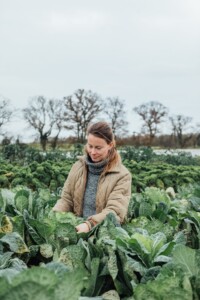
Calixta Killander, the force behind the award-winning Flourish farm, represents the next generation of regenerative agriculture. The film documents the expansion of her 80-acre South Cambridgeshire farm and her innovative approach to connecting consumers with the source of their food.
The Economic Reality of Small-Scale Farming
Unlike the polished marketing of industrial giants, Flourish is unflinchingly honest about the economic precariousness of regenerative farming. In a poignant scene, the farm team discusses a year without profit, leading to difficult staffing decisions. This scene provides a vital counter-narrative to the "everything is perfect" portrayal of modern farming.

Implications for Biodiversity
Killander’s work emphasizes that farming is not just about output; it is about sustaining the land and local communities. Flourish highlights that while regenerative practices are environmentally superior, they require a society that is willing to support small-scale producers during times of financial volatility.
Conclusion: Interrogating Our Food Systems
As we look toward the year ahead, these films collectively demand that we become more conscious participants in our food systems. Whether it is the deceptive labeling of high-protein products or the difficult, muddy realities of small-scale rewilding, the message is clear: the path to a sustainable future requires us to stop looking at the front of the box and start reading the ingredients on the back.
The SFT team encourages viewers to engage with these resources, attend local screenings, and initiate conversations within their own communities. By choosing to support regenerative, honest, and whole-food practices, we hold the power to dictate the direction of our food future.
Summary Table: Where to Watch
| Film/Series | Platform/Venue | Recommendation Status |
|---|---|---|
| What Not to Eat | Channel 4 | Highly Recommended |
| Derek vs. Derek | Sheffield DocFest (June 12) | Essential Viewing |
| Protein: Everything… | Channel 4 | Highly Recommended |
| Finding Harmony | Amazon Prime | Highly Recommended |
| Flourish | Upcoming Screenings (IG) | Highly Recommended |
For more information on the Sustainable Food Trust and our mission, visit our website or subscribe to our newsletter for updates on food policy, agricultural innovation, and upcoming film discussions.

 Azzam Bilal Chamdy
 Ali Ikhwan