
 Raul Delapena Setiawan

 Ammar Sabilarrohman
 Lina Irawan
 Suro Senen
 Siti Muinah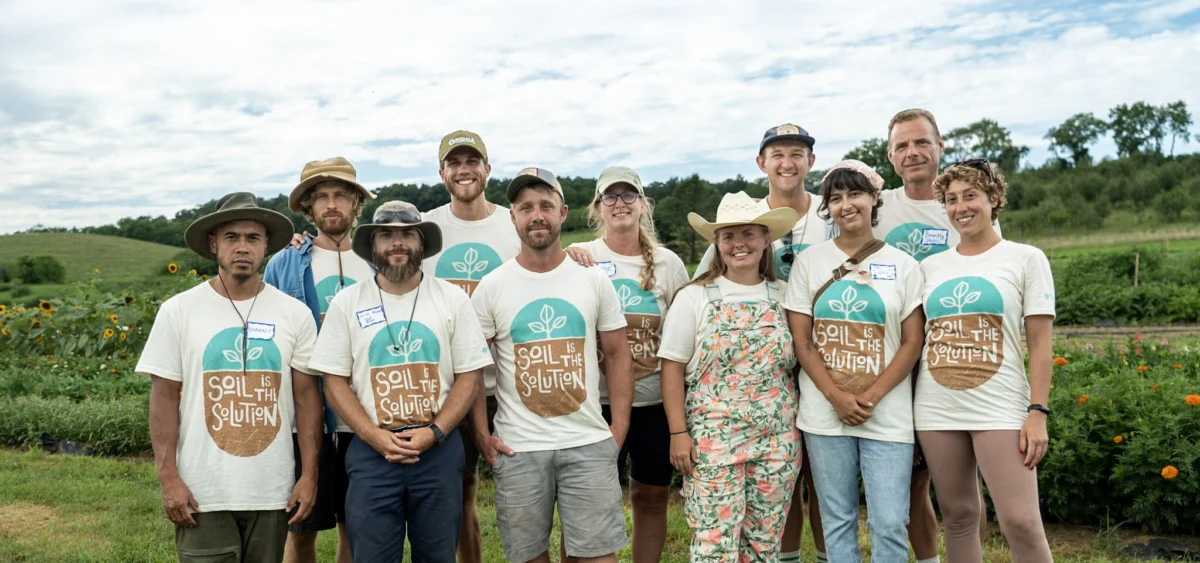
In an era defined by climate instability, food insecurity, and the rapid industrialization of our food systems, a quiet revolution is taking root in the fertile soil of Pennsylvania. The Rodale Institute, long considered the global beacon of organic research, is spearheading a transformative initiative: the Rodale Institute Farmer Training (RIFT) program. By equipping a new generation of growers with the tools, science, and business acumen necessary for regenerative organic agriculture, the Institute is not merely teaching farming—it is attempting to rewrite the future of the American food landscape.
The Paradigm Shift: A New Breed of Farmer
For much of the 20th century, the American agricultural narrative was one of consolidation. Farming was a hereditary pursuit, land was passed down through bloodlines, and expertise was gained through decades of manual labor within the family unit. However, that model is faltering. With the average age of the American farmer now hovering at 58, and with fewer children of farm families choosing to inherit the mantle, the nation faces a looming succession crisis.
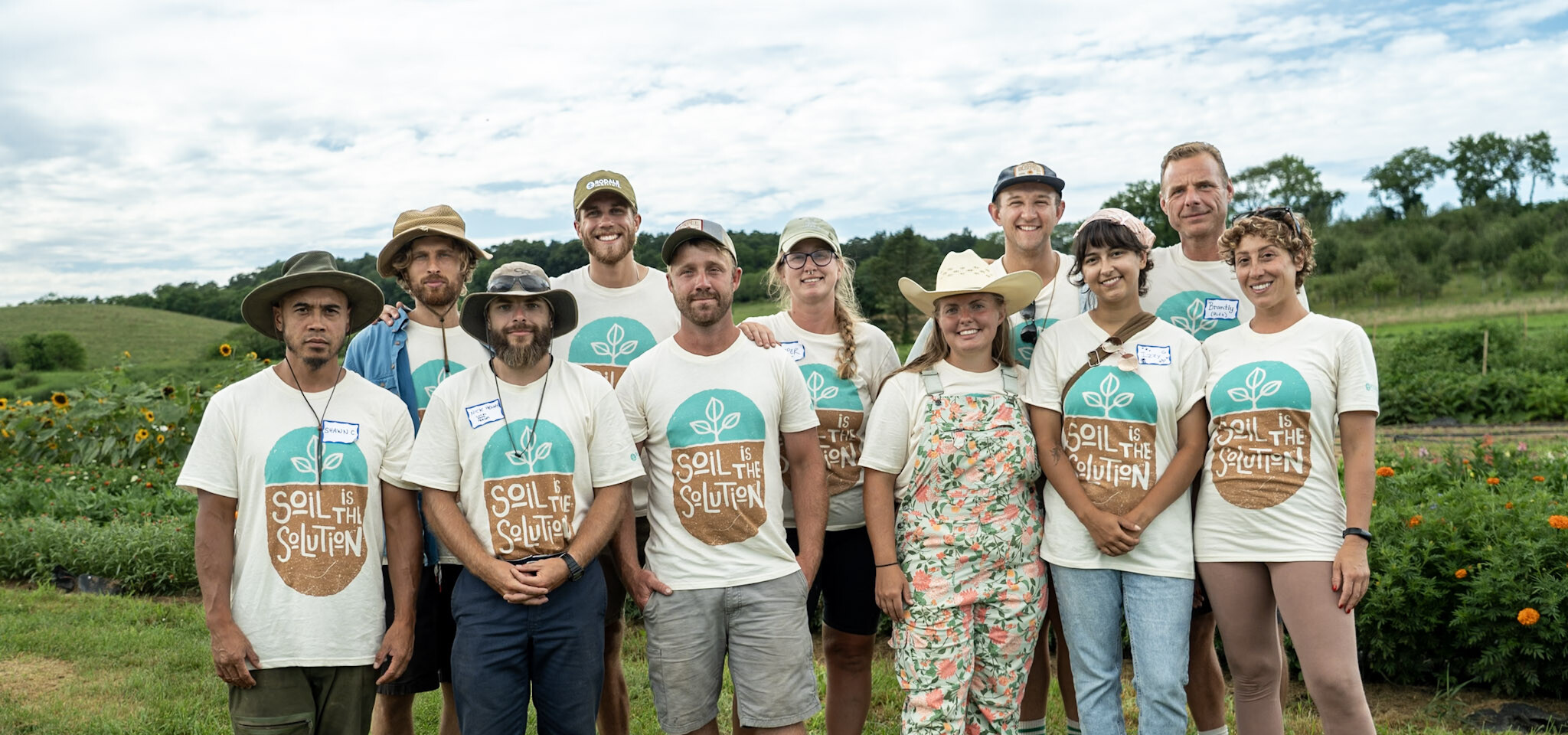
Into this void has stepped a new cohort of "career-switchers"—individuals who are walking away from established roles in technology, retail, and academia to embrace the challenges of the soil. The 2025 RIFT class represents a diverse demographic, ranging from their early twenties to their fifties, united by a singular desire to mitigate environmental degradation and restore the ecological balance of their communities.
Chronology of a Transformation
The RIFT program is designed as an intensive, nine-month immersion into the seasonal cycle of agriculture. It is a departure from traditional vocational schooling; instead, it mirrors the life of a working farmer.
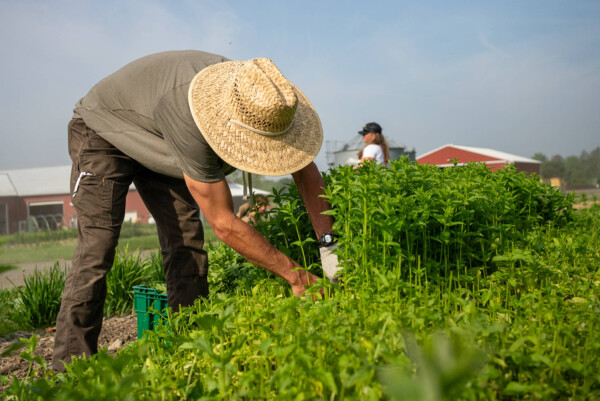
- Months 1-3 (Foundations): Students are introduced to the core tenets of regenerative organic farming, focusing on soil health, composting, and the initial preparation of crop beds. This period emphasizes the physical labor and rhythmic consistency required to manage an agricultural workload.
- Months 4-6 (Growth and Stewardship): As the seasons shift, so does the curriculum. Students engage in weed management, pest control using organic methods, and irrigation logistics. It is here that the abstract philosophy of regenerative agriculture—carbon sequestration, biodiversity, and ecosystem services—is tested against the realities of the field.
- Months 7-9 (The Capstone): The program culminates in the development of a comprehensive, professional-grade farm business plan. These plans are not mere exercises; they are functional documents designed to help students secure bank loans, apply for government grants, and navigate the rigorous process of organic certification.
Supporting Data: The Rigor of the Program
The Rodale Institute does not treat this program lightly. Recognizing the steep barrier to entry in agriculture, the Institute provides every participant with a $600 weekly stipend and free housing, lowering the financial hurdle that often deters potential farmers. Since its inception in 2011, the program has graduated over 100 individuals, many of whom have gone on to establish their own successful operations.
The curriculum is academically rigorous, bolstered by a strategic partnership with Northampton Community College. Graduates can now earn college credits, providing a bridge between hands-on labor and accredited higher education. Some students, like Shawn Cabalsi, are leveraging these credits toward advanced degrees, such as the Master of Arts in Regenerative Design offered by Prescott College. This interdisciplinary approach ensures that graduates are not just "digging in the dirt," but are trained to design systems that are resilient, non-extractive, and economically viable.
Profiles in Purpose: The 2025 Cohort
The diversity of the RIFT cohort is perhaps its greatest strength, as each participant brings a unique lens to the challenge of feeding the world.
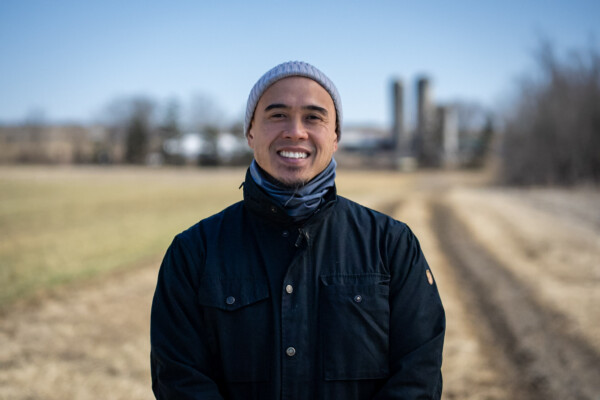
The Tech-Turned-Advocate: Shawn Cabalsi
A former tech professional, Cabalsi represents the growing segment of society disillusioned by the "extractive" nature of modern industrial systems. Inspired by the writings of Wendell Berry and Masanobu Fukuoka, Cabalsi has already co-founded a 501(c)(3) organic farm in Macungie, Pennsylvania. His focus is on food security, utilizing his land to provide fresh, nutrient-dense produce to local populations. "Farming is a big step for me toward being more in harmony with nature," he notes, highlighting the moral imperative he now attaches to his work.
The Floral Visionary: Delaney Gemmel
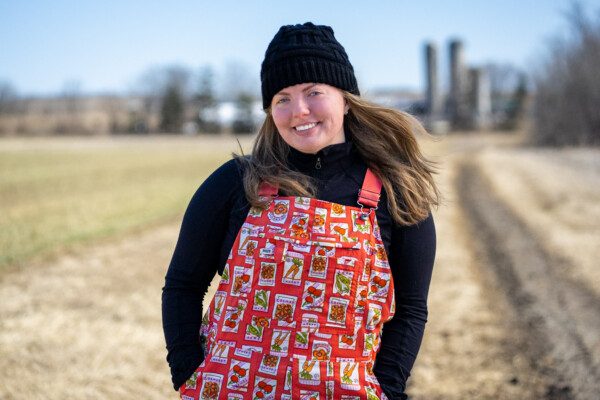
Gemmel offers a bridge between tradition and innovation. Coming from a multi-generational family of florists, she is using her RIFT training to pivot from a standard retail business model to a small-scale, regenerative flower farm. Her goal is to integrate her family’s legacy with modern, ecological practices, proving that small-scale agriculture can be both profitable and planet-friendly.
The Climate Strategist: Payton Wilks
Wilks, who holds a background in project management and anthropology, sees farming as the ultimate climate solution. "I thought about what would have the biggest impact," he says. After realizing that renewable energy sectors did not satisfy his drive for hands-on, community-based work, he turned to soil. His objective is to manage a diversified vegetable operation, demonstrating how soil health can be the primary lever in the fight against climate change.
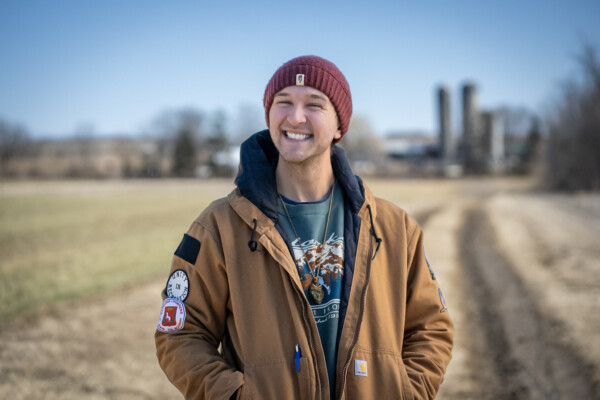
The Storyteller: Isidra Garcia
A video producer with an eye for communication, Garcia represents the vital need for agricultural advocacy. Her interest was sparked by an investigation into the environmental impacts of fast fashion, which led her to study hemp textiles. She plans to use her farm not just as a food production site, but as a media hub, producing educational content to bridge the gap between consumers and the origins of their food.
The Healer: Samantha Cooper
For Cooper, farming is personal. A survivor of substance abuse, she views her work with medicinal herbs—like borage and calendula—as a holistic journey toward health. Having transitioned from a corporate management role, she finds the act of growing, dehydrating, and blending her own medicinal products to be a form of restorative justice for her own body and mind. She intends to bring this philosophy back to Indiana, where she hopes to challenge the industrial monoculture of the Midwest.
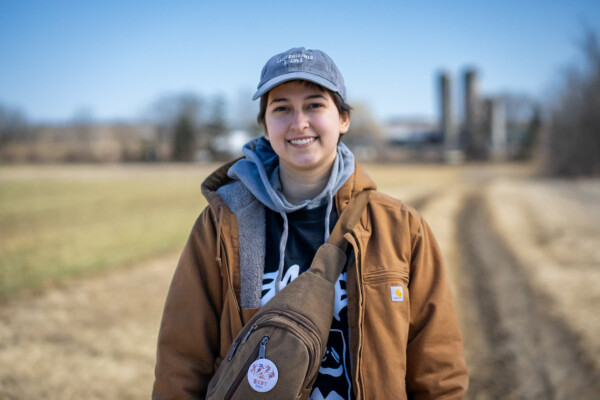
The Problem Solver: Kade Eckert
Eckert, a former chef, is motivated by the systemic failures he witnessed in the restaurant industry. His experience in Sweden with large-scale composting operations has fueled his ambition to turn "waste" into a resource. He envisions an operation that integrates native plant nurseries, compost production, and farm-to-table dining, creating an educational ecosystem that invites the public to witness the transformation of degraded land into productive soil.
Official Perspectives: The Institutional Vision
Justin Barclay, the Rodale Institute’s global education operations manager, emphasizes that the success of RIFT is not measured solely by crop yields, but by the readiness of its graduates to navigate the complexities of a modern agricultural business. "Successful participants have the goal of starting an agricultural business, can work in a team environment, and are willing to be coached," Barclay notes.
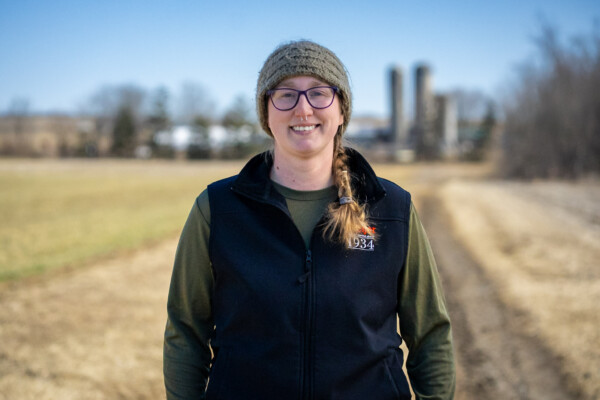
The Institute’s commitment extends beyond the nine-month program. By providing alumni with access to ongoing online coursework and a networking community, the Rodale Institute is creating a support structure that helps these new farmers survive the "valley of death"—the first few years of an agricultural startup where failure rates are typically highest.
Implications for the Future of Food
The implications of the RIFT program are far-reaching. As the global population grows and climate-related stressors on the food supply chain increase, the need for localized, resilient, and organic food systems has never been more urgent.
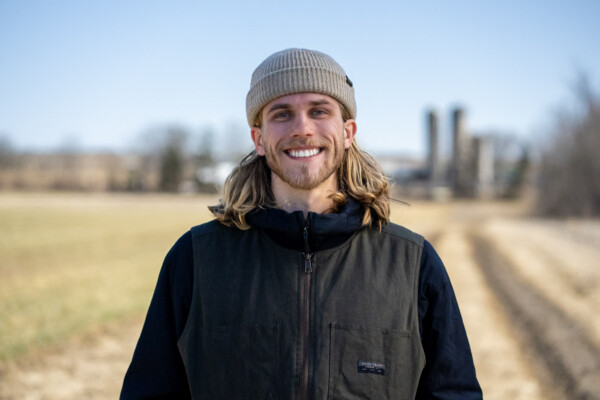
The movement toward regenerative organic farming represents a fundamental shift in how we view the land. It moves away from the "extractive" model—which treats the soil as a bank account to be emptied—and toward a "regenerative" model, which treats the soil as an asset to be nurtured.
By training this diverse new generation, the Rodale Institute is planting seeds that will grow far beyond the borders of Pennsylvania. Whether these students remain in the Midwest, return to the Pacific Northwest, or venture internationally, they carry with them a unified methodology: that soil health is synonymous with human health. In the final assessment, the success of these individuals will be measured by their ability to prove that ethical, moral, and sustainable farming is not just a lifestyle choice, but the only viable way forward for a planet in need of healing.

 Sagoh
Sagoh