

 Ammar Sabilarrohman
 Ali Ikhwan
 Dwi Wanna
 Neng Nana
 Siti Muinah
 Asep Darmawan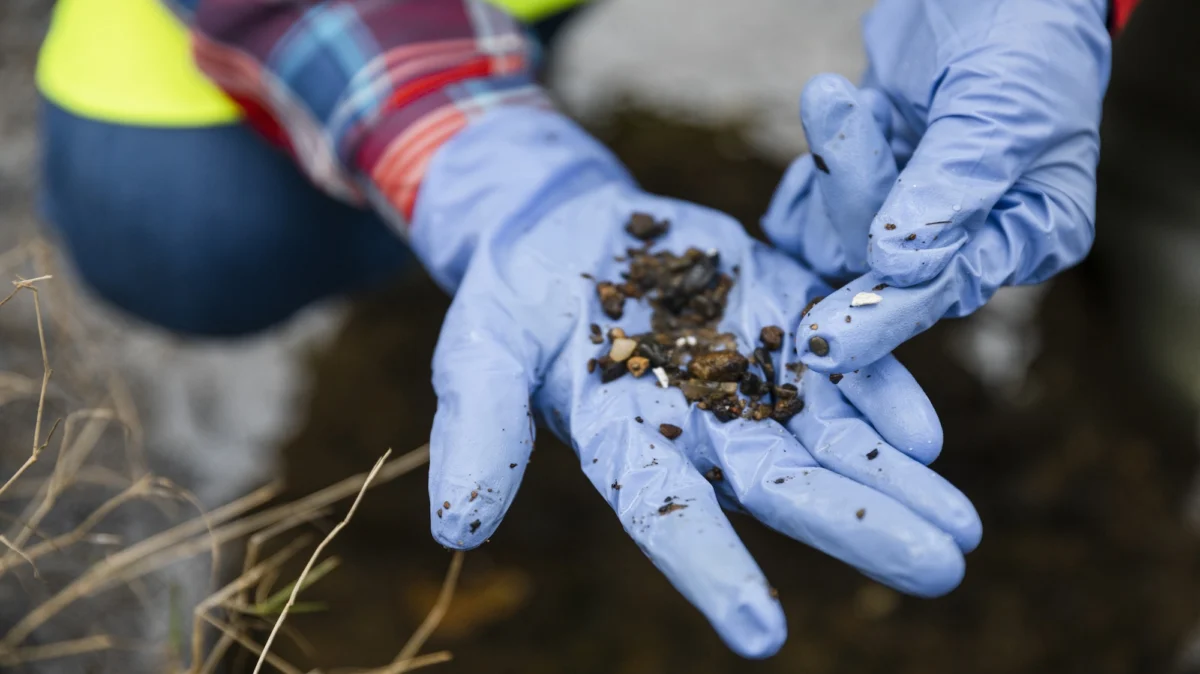
For generations, the soil beneath our feet has been viewed as a resilient, self-cleansing foundation for human civilization. It is the silent engine of agriculture, the primary filter for our water, and the bedrock of terrestrial life. However, a landmark five-year multinational research project has unveiled a disturbing reality: this foundation is becoming saturated with synthetic pollutants that threaten to fundamentally alter the chemistry of life.
A comprehensive EU-funded study, known as the Minagris project, has confirmed that microplastics are no longer merely an oceanic concern; they are a pervasive fixture in agricultural landscapes. By testing 227 fields across 11 European countries, researchers discovered the presence of microplastics in every single sample. These findings suggest that the plastic pollution crisis has reached a point of near-universal contamination, with profound implications for food security, biodiversity, and human health.
The Main Facts: A Pervasive Global Threat
The central finding of the Minagris project is that microplastics act as a "Trojan horse" within the earth. As these microscopic synthetic particles infiltrate the soil, they do not simply sit inert. Instead, they serve as vectors—transporting a cocktail of dangerous pollutants, pesticides, veterinary drugs, and pathogenic bacteria directly into the soil microbiome.
The research highlights that the problem is not limited to one specific region or farming style. Rather, it is a byproduct of decades of agricultural practices, including the use of plastic mulches, sewage sludge as fertilizer, and the degradation of plastic debris from machinery and tire wear. Once these materials fragment into the soil matrix, they become effectively permanent. Unlike chemical spills that can sometimes be remediated through bio-filtration or soil washing, microplastics are virtually impossible to extract once they have integrated into the granular structure of the earth.
Chronology of the Research and Discovery
The investigation into soil microplastics has evolved rapidly over the past decade, moving from a niche academic interest to a major international environmental concern.
- 2021: The Minagris (Microplastics in Agriculture) project is launched with EU funding, aiming to bridge the gap between fragmented studies on plastic pollution and the practical realities of European farming.
- 2022–2023: Researchers begin systematic soil sampling across 11 nations. During this period, initial laboratory analyses confirm that plastic concentrations correlate strongly with historical land use and proximity to industrial activity.
- 2024: Collaborative studies, including work from the University of Gloucestershire, identify the "plastisphere"—the unique microbial ecosystem that forms on the surface of plastic particles in the soil.
- 2025: Several key papers are published in journals such as Science of The Total Environment and Springer, detailing the interactions between microplastics and pesticides, as well as the physiological impacts on common crops like lettuce.
- September 2026: The project releases a synthesis of its findings, encompassing 22 peer-reviewed studies that collectively demand a shift in global soil management policy.
Supporting Data: The Mechanics of Toxicity
The data gathered by the Minagris project is alarming not just for the presence of plastic, but for how these plastics change the environment around them.
The Plastisphere and Antibiotic Resistance
The researchers coined the term "plastisphere" to describe the biofilm that forms on microplastics. Because these surfaces are chemically distinct from the surrounding soil, they attract specific microbes and chemicals. One of the most significant discoveries is that the plastisphere acts as a breeding ground for antibiotic-resistant genes. When pesticides are added to the mix, this effect is amplified. Essentially, the microplastics act as a catalyst, creating "hotspots" where bacteria can trade genetic material, potentially increasing the prevalence of pathogens that are resistant to medical treatment.
Synergy of Stressors
Environmental science has traditionally assessed the risk of pollutants in isolation. However, the Minagris data proves this approach is outdated. In Switzerland, researchers found a direct correlation: fields with high concentrations of tire-wear particles—a significant source of microplastics—also exhibited the highest levels of toxic heavy metals.
When researchers tested the impact of these mixtures on plant life, the results were striking. Lettuce grown in high-microplastic soil showed significantly reduced leaf area, lower chlorophyll content, and inhibited photosynthetic efficiency. Crucially, when the researchers simulated drought conditions, the plants fared significantly worse than they did under either stressor alone. This suggests that as climate change makes droughts more frequent, the "hidden" presence of microplastics will make crops even more vulnerable to failure.
Official Responses and Expert Perspectives
The academic community, represented by leaders in soil physics and microbiology, has reacted with a mix of urgency and frustration regarding the slow pace of policy change.
Edoardo Puglisi, a professor of microbiology at the Catholic University of the Sacred Heart, emphasizes the physical properties of these contaminants. "The smaller the microplastics are, the more they tend to adsorb pollutants, microbes, and DNA," Puglisi notes. He argues that this mechanism is the definition of the Trojan horse effect, which facilitates the silent spread of pathogens across the food chain.
Esperanza Huerta Lwanga, a research associate in soil physics at Wageningen University, points to the failure of current regulatory frameworks. "To protect long-term food production and soil health, policy must catch up," she stated following the report’s publication. She emphasizes that "biodegradable" plastics are currently a false solution, as they frequently fragment into smaller microplastics rather than breaking down into harmless organic matter. Lwanga is calling for three pillars of reform:
- Standardized Monitoring: Universal metrics to track plastic concentrations in agricultural soil.
- Manufacturer Transparency: A requirement for companies to disclose the full chemical composition of plastics used in agricultural products.
- Holistic Risk Assessment: Regulatory bodies must stop testing pollutants in isolation and begin evaluating the combined impact of plastic and chemical co-pollutants.
Implications: The Long-Term Cost to Agriculture
The implications of this research are vast, affecting everything from food safety to the fundamental economics of farming.
Earthworms and the Nutrient Cycle
Earthworms are the "engineers" of the soil, responsible for aerating the ground and cycling nutrients. The Minagris project found that microplastics disrupt these critical biological processes. By interfering with the feeding and movement of earthworms, plastics effectively "clog" the natural mechanics of soil regeneration. If the earthworm population declines due to chronic plastic exposure, the long-term fertility of the world’s farmland is at stake.
A Call for Policy Reform
The findings represent a wake-up call for global agriculture. Policy makers have spent decades focusing on air and water quality while largely ignoring the soil—a resource that takes centuries to form but can be degraded in a single generation. The researchers argue that the current reliance on "biodegradable" marketing is insufficient, as these materials often provide a false sense of security.
As we look toward the future of food production, the integration of microplastics into the food chain is no longer a hypothetical risk; it is a measurable reality. Whether through the direct consumption of plants grown in contaminated soil or through the accumulation of toxins in the animals that graze on these lands, the "Trojan horse" of microplastics is moving closer to our own dinner tables. The science is clear: without radical transparency in manufacturing and a complete re-evaluation of how we regulate soil additives, the earth that sustains us may eventually become as synthetic as the pollutants currently clogging its pores.


 Laily UPN
