

 Ammar Sabilarrohman
 Ali Ikhwan
 Dwi Wanna
 Neng Nana
 Siti Muinah
 Basiran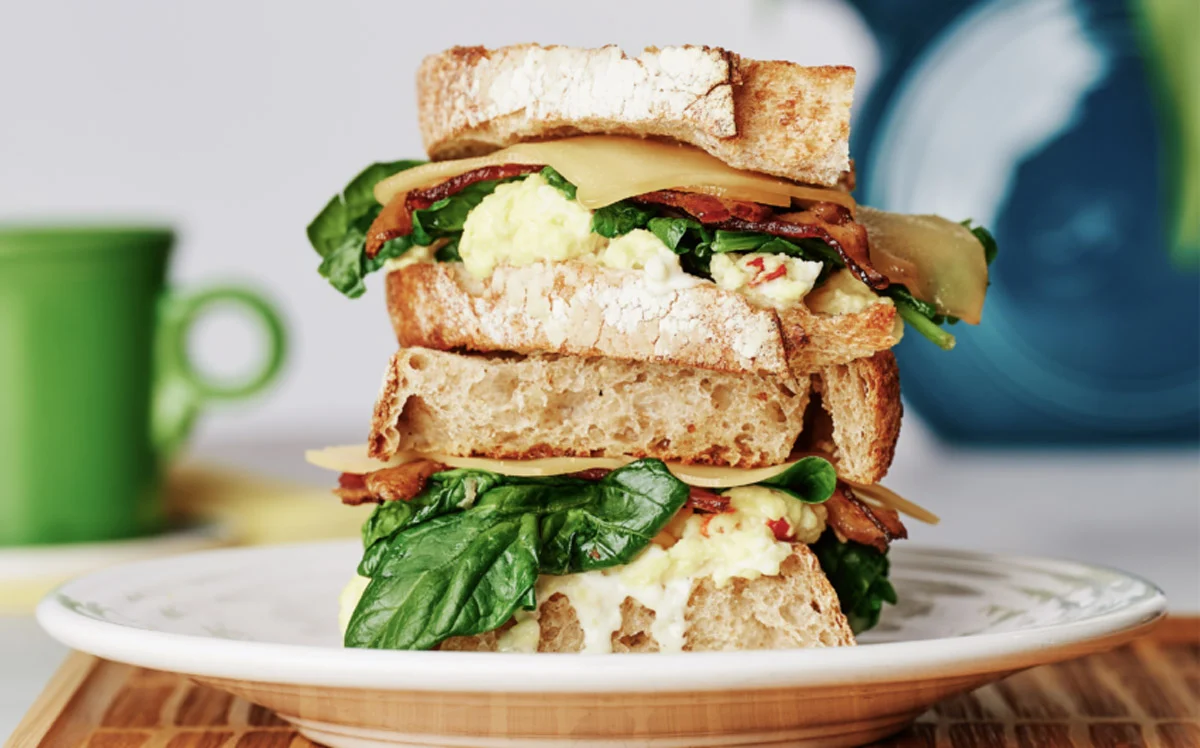
It is no exaggeration to state that the American culinary identity is anchored by a singular, persistent obsession: the art of placing ingredients between two slices of bread. Whether it is the frantic assembly of a morning breakfast sandwich or the methodical layering of a weekend project, the sandwich stands as the most utilitarian and creative vessel in the modern kitchen.

Sandwiches are the ultimate paradox of cooking. They are practical, often requiring little more than what is found in a well-stocked pantry, yet they are endlessly elevated by artisan breads, house-made condiments, and locally sourced ingredients. They are the quintessential portable meal, capable of transcending time zones—from the first light of breakfast to the quiet hunger of a midnight snack. In a world of complex gastronomy, the sandwich remains a humble champion, proving that "utilitarian" does not have to mean "boring."

The Evolution of the Handheld Meal
The history of the sandwich in the American diet is one of constant reinvention. What began as a practical solution for workers—providing a way to consume a complete meal without leaving a workstation—has evolved into a canvas for regional expression.

In the early 20th century, the sandwich became the backbone of the American lunch hour, spurred by the growth of industrialization and the need for efficiency. However, as the decades passed, the "sad desk lunch" was systematically dismantled by a culinary movement that prioritized quality. Today, we see a renaissance of the craft: the rise of sourdough culture, the resurgence of artisanal butchery in deli meats, and the innovative application of vegetable-forward techniques that have turned the sandwich into a centerpiece of high-end bistro menus.

Breakfast: The Morning Catalyst
The breakfast sandwich is the day’s first promise. It serves as the bridge between waking and working, and in the hands of creative cooks, it becomes far more than an assembly of egg and meat.

The Iconic BEC Upgrade
The classic Bacon, Egg, and Cheese (BEC) is a cultural touchstone, yet it is ripe for innovation. Edible Boston offers the "3-Napkin, Over-The-Sink Breakfast Sandwich," which replaces the standard grease-laden approach with tomato slices fried in rendered bacon fat, peppery arugula, and a sophisticated lemon aïoli on an English muffin.

Meanwhile, Edible Madison takes a different approach, utilizing thick-sliced sourdough as the base for eggs infused with crushed red pepper, wilted garlic spinach, and a punchy horseradish mayo. For those seeking texture, the same publication features a Corn Cake Breakfast Sandwich, where homemade johnnycakes replace traditional bread, providing a nutty, sweet contrast to the savory depth of Gruyere and fried collard greens.

Elegance in Simplicity
Not every breakfast sandwich requires a heavy protein. The Avocado, Asparagus & Poached Egg Open-Faced Sandwich draws inspiration from Scandinavian traditions. By utilizing rye bread and layering fresh microgreens, the sandwich shifts from a heavy morning caloric load to a light, refreshing, and elegant start to the day.

The BLT: A Masterclass in Seasonality
The BLT (Bacon, Lettuce, and Tomato) is a triad of perfection that relies entirely on the quality of its components. Because it is so simple, the secret to a great BLT lies in the "twist."

Edible Delmarva argues for the "Bigger is Better" philosophy with their Baguette BLT, while Edible Cape Cod introduces "The Bog BLT." This version challenges tradition by utilizing panko-dusted fried green tomatoes, grilled romaine lettuce, and a smoky eggplant aïoli, proving that texture is just as important as flavor. Edible Nutmeg offers a more refined version, adding an earthy onion confit and a zesty basil mayonnaise that transforms the sandwich from a quick bite into a gourmet experience.

Beef, Lamb, and the Art of the Deli Counter
When it comes to meat-heavy sandwiches, the key is time. The process of brining and smoking, such as in the "Monty’s Beef Pastrami" from Edible WOW, demonstrates that the best results come to those who wait. While store-bought deli meat is convenient, the depth of flavor found in a house-brined, oven-smoked brisket is unparalleled.

For those looking for a different profile, the Carne Asada sandwich—often associated with Southwestern street food—provides a robust, spicy alternative. When layered with roasted peppers, onions, and avocado, it bridges the gap between taco-truck culture and traditional sandwich architecture.

The Chicken Sandwich Renaissance
The Nashville Hot Chicken sandwich has become the gold standard for heat-seekers. The Edible Nashville approach is simple but exacting: a fried chicken breast, a generous smear of Duke’s mayonnaise, and pickles on a brioche bun. The magic, however, lies in the fry.

For leftover roast chicken, the culinary community has pivoted toward brighter flavors. Edible Ojai & Ventura County suggests a Buffalo Aioli chicken salad with blue cheese crumbles, while Edible Sarasota highlights the sweetness of mango mayo, proving that chicken is a neutral enough canvas to support both heat and tropical sweetness.

Grilled Cheese: Beyond the Basic
The grilled cheese sandwich is perhaps the most debated item on any menu. Is it just bread and cheese? Or is it a vessel for culinary expression?

The "Diva of Grilled Cheese," featured by Edible Vermont, leans into high-quality artisanal loaves and a variety of alliums (leeks, shallots, and scallions) to provide depth. Spiced versions, such as the Kimchi Grilled Cheese from Edible Rhody or the Sweet Corn and Calabrian Chili Grilled Cheese from Edible Sarasota, illustrate how heat and acidity can cut through the fat of melted cheese, preventing the palate fatigue that often accompanies classic versions.

Seafood: The Coastal Standard
Seafood rolls are the epitome of regional pride. In Maine, the lobster roll is a religion. Edible Maine showcases this with a "Maine Lobster Croque Monsieur," adding a French twist to a New England staple. Meanwhile, shrimp rolls—often unfairly labeled as a cheaper alternative—are seeing a resurgence. Edible Asheville’s Blackened Carolina Shrimp Salad Roll adds a layer of depth through spice, while Edible Sarasota’s Avocado-Shrimp Roll provides a creamy, buttermilk-dressed experience that elevates the humble shrimp to the level of lobster.

Vegetable-Forward and Vegan Innovation
The stigma that vegan sandwiches are inherently lacking in satisfaction is being systematically dismantled by modern recipes. The use of ingredients like marinated shiitake mushrooms, tempeh, and roasted beets provides the "meatiness" that many diners crave.

Edible Madison’s Vegan Shiitake Sandwich, featuring edamame miso hummus and a gochujang aioli, is a masterclass in umami. By focusing on fermentation and bold seasonings, these sandwiches ensure that plant-based eating is not a compromise, but an intentional culinary choice.

The Future of the Sandwich
As we look at the trajectory of the American sandwich, it is clear that we are moving toward a more thoughtful, ingredient-driven future. The reliance on processed fillers is declining, replaced by an appreciation for locally baked breads, house-made condiments, and produce that reflects the season.

The sandwich is no longer just a way to fill an empty stomach; it is an expression of local terroir and personal creativity. Whether it is a simple tomato sandwich on a summer afternoon or a complex, slow-smoked pastrami project, the American obsession with the sandwich remains a vital, evolving part of our food culture.

Key Takeaways for the Home Cook:
- The Bread is the Foundation: A sandwich is only as good as its bread. Invest in high-quality sourdough or artisanal rolls.
- Condiments Matter: House-made aiolis, jams, and pestos are the difference between a mundane sandwich and a memorable one.
- Texture is King: Incorporate pickles, fresh greens, or crisped vegetables to add necessary crunch to soft fillings.
- Think Seasonally: Use the best produce available. A tomato in July is a different ingredient than a tomato in December.
As you explore these recipes, remember that the true joy of the sandwich lies in its flexibility. Use these guidelines as a starting point, but don’t be afraid to experiment with your own local findings. After all, the best sandwich is the one you create yourself.


 Laily UPN
