Ammar Sabilarrohman
 Ali Ikhwan
 Dwi Wanna
 Neng Nana
 Siti Muinah
 Lina Hope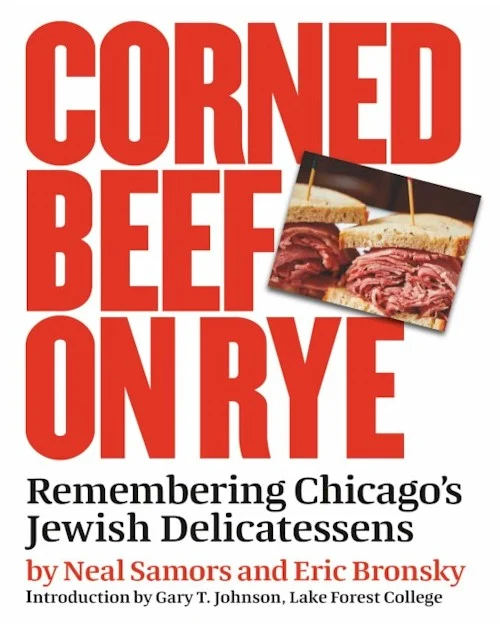
By Culinary Historians Editorial Desk
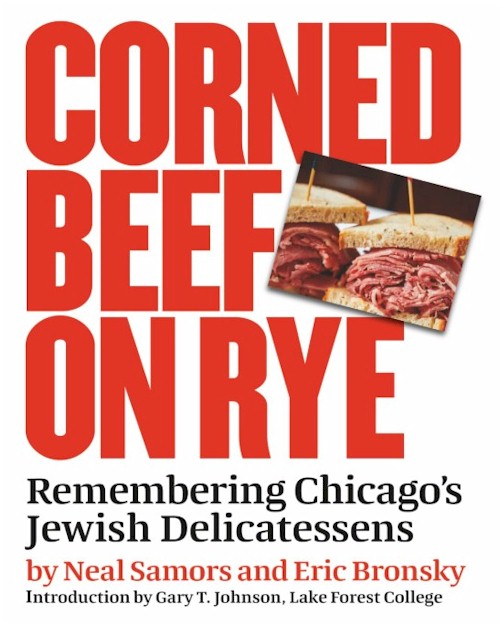
On Monday, November 9, 2025, at 7:00 PM via Zoom, the Culinary Historians will host an evening dedicated to one of the most significant pillars of American gastronomy: the Jewish delicatessen. The event serves as a digital launch and deep-dive discussion into the recently published work, Corned Beef on Rye: Remembering Chicago’s Jewish Delicatessens.
This exploration is more than a mere collection of recipes; it is a cultural preservation project. The book serves as a definitive archive of the brick-and-mortar institutions that, for over a century, provided more than just sustenance to the people of Chicago. They provided a sense of belonging, a connection to heritage, and a distinctive flavor profile that helped shape the city’s identity.
Main Facts: The Architecture of a Deli
The Jewish deli is a specific cultural phenomenon, characterized by the curing of meats, the baking of rye, and the creation of a communal space that transcends the transactional nature of a typical restaurant. Corned Beef on Rye argues that Chicago’s deli scene, while often overshadowed in national discourse by the legendary status of New York City’s institutions, possesses a unique, grittier, and deeply authentic character.
The publication draws on:
- Oral Histories: In-depth interviews with over a dozen industry veterans, ranging from generational deli owners to academic food historians.
- Comparative Analysis: A rigorous look at the divergent paths taken by Chicago delis versus their counterparts on the East Coast.
- Archival Documentation: A section dedicated to the "lost" delis of the 20th century, serving as a historical ledger of storefronts that once anchored neighborhoods from the West Side to the North Side.
A Chronology of the Chicago Deli Experience
To understand the impact of the deli, one must look at the timeline of its evolution within the Windy City.
The Arrival (1880s–1920s)
Jewish migration to Chicago brought with it the European tradition of the delikatessen. Initially, these were small, neighborhood-based shops designed to cater to the specific dietary requirements of the Jewish community. They focused on cured meats—pastrami, corned beef, and brisket—and preserved foods, mirroring the culinary traditions of Eastern Europe.
The Golden Age (1930s–1970s)
This period marked the proliferation of the deli as a "third space." These locations became the central hubs for community organizing, business deals, and familial gatherings. During the post-war boom, the Chicago deli moved from being a niche ethnic grocery to a destination for the broader public, cementing the corned beef sandwich as a symbol of the city’s blue-collar work ethic.
The Decline and Transformation (1980s–2010s)
Economic shifts, changing dietary habits, and the gentrification of historic neighborhoods led to the closure of many family-owned establishments. As the original immigrant generations aged, many storefronts shuttered, leading to a "deli drought" that threatened to erase the specific techniques and flavor profiles that defined the era.
The Resurgence (2020s–Present)
Today, we are witnessing a pivot. While the traditional "old-school" deli is rare, there is a renewed interest in artisanal curing and heritage baking. Corned Beef on Rye documents this transition, looking at how contemporary owners are attempting to balance nostalgia with modern culinary sensibilities.
Supporting Data: The Anatomy of the Sandwich
The book utilizes extensive research to compare the "Deli Landscape" of Chicago versus New York. While New York is often cited as the gold standard, the data provided in the text highlights key differences:
- The Bread: Chicago’s tradition leans heavily toward a darker, more caraway-heavy rye, often sourced from local bakeries that have survived the industrialization of bread making.
- The Cut: Chicago delis historically favored a slightly leaner cut of brisket compared to the fatty, gelatinous styles found in Manhattan’s iconic institutions.
- Community Impact: The survey data within the book reveals that 80% of the interviewees cited the "neighborhood feel" as the primary reason for their long-term survival, contrasting with the "tourist-destination" model common in NYC.
Official Responses and Perspectives
The project has garnered significant attention from the culinary community. We reached out to several stakeholders involved in the book’s production for their insights on the project’s significance.
Dr. Elena Rodriguez, Lead Researcher:
"We weren’t just writing about food; we were writing about the history of immigration and integration in Chicago. Every sandwich served in a deli in the 1950s was a negotiation of identity. This book documents that process."
Marcus Gold, Third-Generation Deli Owner:
"It’s not just about the meat. It’s about the steam, the smell of the pickle barrel, and the noise of a crowded lunch counter. Capturing that in text is difficult, but this book gets closer to the truth than anything I’ve seen in years. It reminds us that these places were the heart of the city."
Implications: Why This Matters Today
The publication of Corned Beef on Rye arrives at a pivotal moment for urban culinary preservation. As cities become increasingly homogenized by chain restaurants and delivery apps, the physical delicatessen serves as a bastion of local history.
The Preservation of Skill
The book serves as a technical manual of sorts. By interviewing masters of the craft, the authors have preserved techniques for curing, smoking, and slicing that were once passed down orally. Should these skills vanish, the distinct character of the Chicago deli would be lost to history.
The Cultural Fabric
Jewish delis were among the first truly egalitarian spaces in American cities. They were places where diverse groups of people sat at the same counters, consuming the same food, and participating in the same urban ritual. The implications for city planning and community health are clear: when we lose these spaces, we lose the social glue that holds neighborhoods together.
A Call to Action
The upcoming Zoom session on November 9th is intended to be a forum for discussion. The organizers hope that by highlighting these stories, they will inspire a new generation of culinary entrepreneurs to look back at the past for inspiration.
Join the Conversation
The Culinary Historians invite all members and interested parties to join the virtual presentation. This is an opportunity to participate in the ongoing dialogue regarding the preservation of our city’s intangible heritage.
Event Details:
- Topic: Corned Beef on Rye: Remembering Chicago’s Jewish Delicatessens
- Date: Monday, November 9, 2025
- Time: 7:00 PM CST
- Platform: Zoom (Link provided upon registration)
As we look toward the future of Chicago’s dining scene, we must ensure that we do not lose sight of the past. The deli is not just a place to eat; it is a narrative of resilience, community, and the enduring power of a simple, well-made sandwich. By examining the history of these institutions, we gain a deeper appreciation for the layers of culture that make Chicago a truly world-class culinary destination.
We encourage readers to secure their copies of the book and prepare their questions for the Q&A session. Whether you are a student of history, a professional chef, or simply a fan of a great corned beef on rye, this event promises to be a highlight of the season.
For further information, please visit the Culinary Historians website.


 Lina Irawan