

 Nana Wu

 Dwi Wanna

 Suro Senen

 Evan Lee Salim

 Sagoh
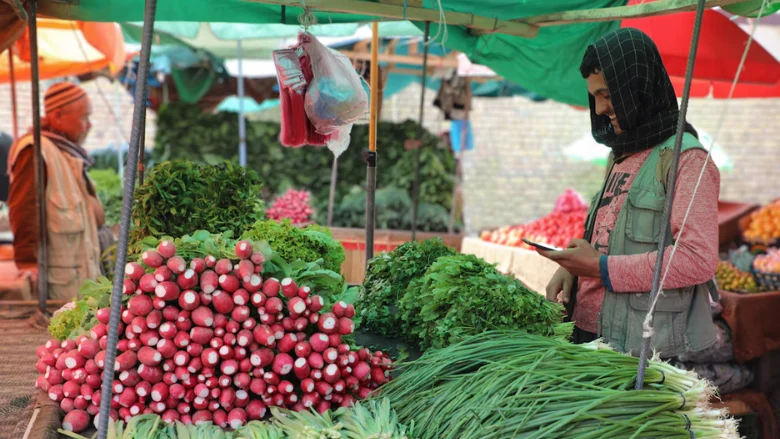
A comprehensive new review published in the journal Food Safety and Health has cast a stark light on the precarious state of food safety in Afghanistan. The study, conducted by researchers from Helmand University and the Afghanistan National Agricultural Sciences and Technology University, provides a systematic analysis of the microbiological and chemical hazards that threaten public health in a nation struggling with systemic infrastructure gaps, political volatility, and the looming shadow of climate change.
By synthesizing epidemiological data, outbreak reports, and scientific literature spanning the years 2000 to 2025, the researchers have identified a "hidden pandemic" of foodborne illnesses. This crisis is fueled not only by the direct consumption of contaminated goods but by a complex interplay of inadequate water, sanitation, and hygiene (WASH) facilities, a lack of cohesive regulatory oversight, and a food system characterized by pervasive informality.
The Microbiological Landscape: A Persistent Threat
The review paints a sobering picture of the biological threats facing the Afghan population. The prevalence of enteric pathogens remains alarmingly high, with Escherichia coli, Salmonella, Shigella, Campylobacter, and Vibrio cholerae acting as the primary drivers of diarrheal disease. Furthermore, the persistent threat of rotavirus and various intestinal parasites underscores the fragility of the public health landscape.
Beyond these common pathogens, the study highlights the significant risk posed by zoonotic diseases. In a country where livestock remains central to the economy and daily nutrition, diseases such as brucellosis and Q fever—often transmitted through direct animal contact or the consumption of unpasteurized dairy—remain significant, yet under-recognized, threats.
The human cost of these hazards is quantifiable but likely represents only a fraction of the reality. World Health Organization (WHO) surveillance data for 2024 documented 173,482 cases of diarrheal disease in Afghanistan, resulting in 88 confirmed deaths. However, the researchers emphasize that these figures are almost certainly an undercount. Due to limited laboratory diagnostic capacity, fragmented disease surveillance, and the barriers to accessing healthcare in remote or conflict-affected regions, thousands of cases likely go unreported each year.
Chronology of Crisis: Two Decades of Hazard (2000–2025)
The trajectory of food safety in Afghanistan over the past twenty-five years has been defined by instability.
- 2000–2008: The Formative Years of Monitoring. This period saw the emergence of sporadic reports on foodborne hazards, though systematic national data remained scarce. A landmark event occurred in 2008, when an outbreak of hepatic veno-occlusive disease was traced back to wheat flour contaminated by pyrrolizidine alkaloids. With 67 confirmed cases, this incident served as a chilling reminder of the dangers posed by chemical contaminants in staple food supplies.
- 2009–2018: Infrastructure Stagnation. Despite international aid efforts, the development of robust food safety protocols failed to keep pace with population growth and urbanization. The reliance on informal food markets, which lack basic temperature controls and veterinary oversight, became the primary mechanism for the distribution of contaminated animal products and fresh produce.
- 2019–2025: Compounding Vulnerabilities. The most recent period has been marked by the convergence of economic crisis, climate-induced drought, and the total degradation of WASH infrastructure. In 2022, data indicated that only 33.54 percent of the Afghan population had access to combined WASH facilities—the lowest coverage among peer nations in South Asia. This statistic is perhaps the most significant predictor of the current food safety crisis, as the absence of clean water makes the transmission of foodborne pathogens almost inevitable.
Supporting Data: The WASH Gap and Economic Vulnerability
The study’s findings on water and sanitation infrastructure provide a crucial lens through which to view the food safety crisis. Foodborne illness in Afghanistan is rarely an isolated event; it is a systemic byproduct of environmental health failure.
The lack of potable water facilitates the contamination of food at every stage of the supply chain—from irrigation of fields with contaminated wastewater to the washing of raw produce in markets and homes. When combined with the prevalence of informal food markets, where animal carcasses may hang for hours in open air without refrigeration, the environment becomes a breeding ground for pathogens.
Furthermore, the researchers highlight the direct link between food insecurity and foodborne risk. In populations suffering from chronic malnutrition, particularly children under the age of five, the immune response to foodborne pathogens is significantly compromised. This creates a vicious cycle: malnutrition leads to increased susceptibility to disease, and frequent diarrheal illness inhibits nutrient absorption, exacerbating malnutrition. For internally displaced persons (IDPs) living in crowded, resource-poor settings, this risk is magnified exponentially.
Chemical Hazards and the Climate Factor
While microbiological hazards are the most frequent cause of acute illness, the review also warns of the long-term, insidious dangers posed by chemical contamination. Mycotoxins, heavy metals, and pesticide residues represent significant risks to the Afghan food chain. The 2008 outbreak of pyrrolizidine alkaloid poisoning remains the most famous example, but the potential for widespread, low-level exposure to these chemicals is a growing concern.
The study identifies climate change as a "threat multiplier." Rising temperatures in the region have accelerated the degradation of groundwater quality and increased the frequency of droughts, forcing farmers to rely on lower-quality water sources for irrigation. These shifts not only favor the growth of certain bacterial pathogens but also increase the risk of mycotoxin contamination in stored grain as humidity and temperature patterns fluctuate unpredictably.
Institutional Weaknesses: The Regulatory Vacuum
Perhaps the most daunting challenge identified by the researchers is the institutional framework—or lack thereof. Afghanistan currently faces a "regulatory vacuum" characterized by:
- Fragmented Oversight: Overlapping responsibilities between various government bodies lead to confusion and a lack of accountability.
- Enforcement Deficits: Even when standards exist, the capacity for enforcement at the retail and production levels is virtually non-existent.
- Laboratory Shortfalls: The absence of a national network of accredited food safety laboratories prevents the systematic testing of food products, meaning that hazards are often identified only after an outbreak has already occurred.
- Legislative Absence: The lack of a comprehensive national food safety law means there is no clear legal basis for prosecuting those who violate hygiene standards or knowingly sell contaminated goods.
Implications and the Path Forward
The implications of this research are clear: without a fundamental shift in how food safety is prioritized, the burden of disease will continue to disproportionately affect the most vulnerable members of Afghan society.
The researchers advocate for a "One Health" approach, which recognizes that human health is inextricably linked to animal health and the environment. By integrating veterinary services, public health surveillance, and environmental protection, Afghanistan could move toward a more resilient system.
Recommended Strategies for Improvement:
- Surveillance and Laboratory Infrastructure: Investing in decentralized, rapid-testing capabilities that can provide real-time data on food contamination.
- Unified Legislation: Developing and strictly enforcing a national food safety framework that clearly defines institutional responsibilities and accountability.
- WASH Infrastructure Investment: Prioritizing the expansion of clean water and sanitation services, particularly in rural markets and urban informal settlements, as a cornerstone of food safety policy.
- Regional Cooperation: Utilizing regional partnerships to share best practices in testing and regulation, particularly with neighboring South Asian countries that face similar challenges.
- Climate-Resilient Agriculture: Integrating food safety monitoring into national climate adaptation strategies, specifically targeting the risks of mycotoxin and heavy metal contamination in drought-affected areas.
Conclusion
The review by Helmand University and the Afghanistan National Agricultural Sciences and Technology University serves as a clarion call to both national policymakers and the international humanitarian community. Food safety is not merely a technical issue of microbiology or chemistry; it is a fundamental pillar of public health, economic development, and human dignity.
As Afghanistan navigates a period of profound uncertainty, the health of its people remains the most critical asset. By acknowledging the scope of the food safety crisis and committing to the structural reforms necessary to address it, the nation can begin to build a safer, more resilient food system for its future. The evidence is now in plain sight—the task remains to act upon it.


