

 Nana Wu

 Dwi Wanna

 Suro Senen

 Evan Lee Salim

 Asro
By the Food Safety News Desk
Published: October 23, 2026
In a significant food safety alert, Wild West Seed Inc., based in Albany, Oregon, has initiated a voluntary recall of approximately 9,476 pounds of broccoli sprouting seeds due to potential Salmonella contamination. The recall, which spans across multiple U.S. states and international borders, underscores the persistent challenges in maintaining microbial safety in the sprout production industry—a sector notoriously sensitive to foodborne pathogens.
The Scope of the Recall: Affected Lots and Distribution
The recall specifically targets two product lines distributed in bulk 50-pound bags, intended primarily for commercial growers and sprout producers. The affected items are:
- Broccoli Seeds Green Sprouting Calabrese: Lot number #4105.
- Wild West Seeds Broccoli Waltham29 Seeds: Lot number #4475.
According to internal distribution records provided by the company, these contaminated lots reached a wide geographic footprint. Domestic distribution included the states of California, Florida, Georgia, Idaho, Maryland, Maine, North Carolina, Oregon, Pennsylvania, Texas, and Utah. Furthermore, the recall extends internationally, with shipments identified in the United Kingdom.
Because these seeds were distributed in 50-pound quantities, the concern is that the product may have been subdivided, repackaged, or utilized by smaller distributors and food service entities, potentially broadening the reach of the contamination beyond the initial shipment list.
Chronology of the Incident
While the formal notification was publicized on October 23, 2026, the timeline of discovery remains a point of interest for public health officials. The identification of Salmonella in a controlled environment is typically the result of routine surveillance testing or, more urgently, epidemiological investigations following reports of illness.
The company opted for a direct-notification strategy, issuing letters to known recipients of the affected lots. Notably, Wild West Seed Inc. did not issue a broad, proactive press release at the time of the initial notification, a move that has drawn scrutiny from consumer advocacy groups regarding the transparency of supply chain recalls. By relying solely on direct communication, the company assumes that every intermediary is equipped to identify, quarantine, and notify their own downstream customers—a process that is not always seamless in the complex web of global seed distribution.
The Science of Sprouting and Salmonella Risks
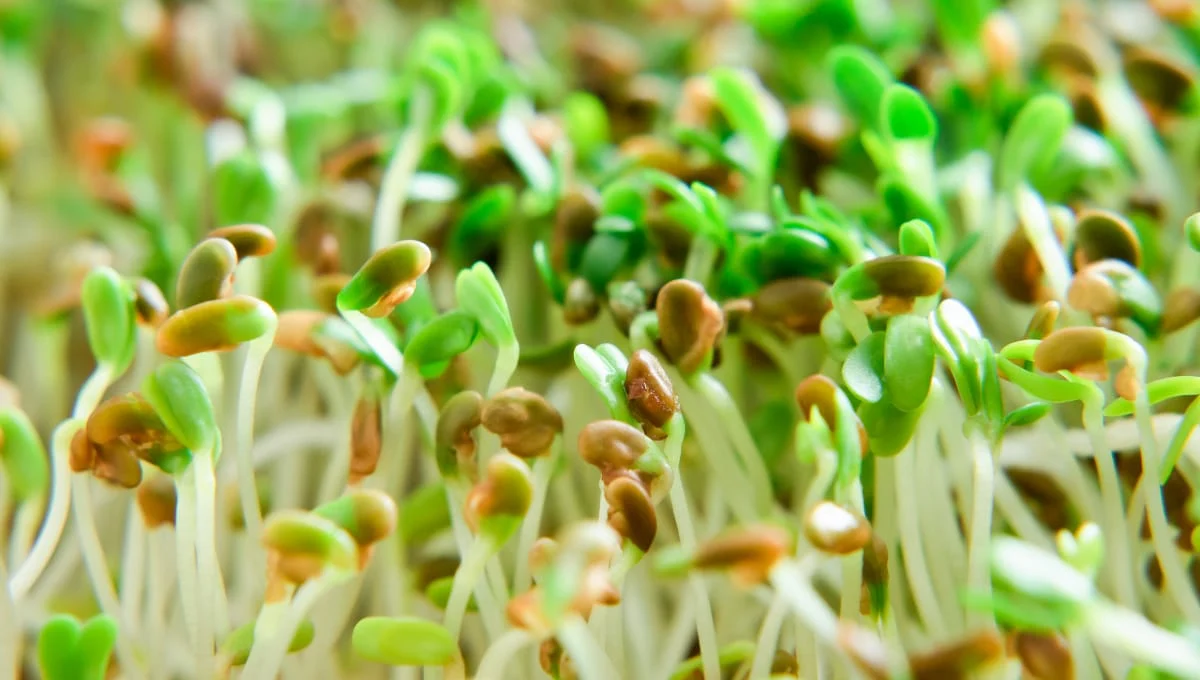
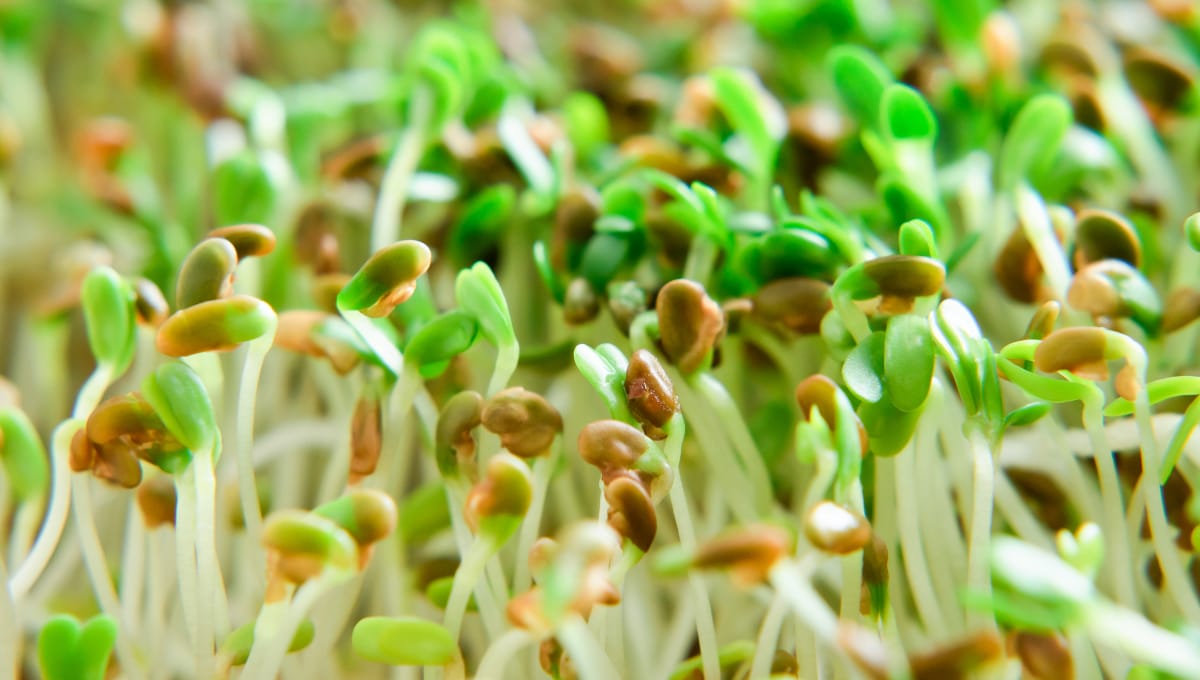
To understand why this recall is critical, one must understand the unique intersection of agriculture and microbiology. Sprouting seeds are highly susceptible to Salmonella because the environment required for sprouting—warmth, humidity, and nutrients—is identical to the conditions required for the rapid proliferation of bacteria.
Unlike other produce that can be washed or treated to reduce surface pathogens, the tiny crevices of a seed can harbor bacteria that are protected from most sanitizing agents. Once the seed begins to sprout, any Salmonella present on the hull or within the seed coat can multiply into thousands of cells. By the time the final product reaches a consumer’s salad or sandwich, the pathogen load can be significantly higher than it was on the original dry seed.
Salmonella infection, or salmonellosis, typically manifests between six hours and six days after exposure. Symptoms include diarrhea, fever, and abdominal cramps. While most individuals recover without medical intervention within four to seven days, certain demographics—including children, the elderly, and those with compromised immune systems—are at a significantly higher risk of developing severe, life-threatening complications, such as bloodstream infections.
Lack of Public Disclosure: A Growing Concern
A recurring theme in recent food safety recalls is the "quiet" nature of the notification process. When companies rely exclusively on direct letters to distributors rather than publicizing the recall through regulatory agencies like the FDA or a dedicated press release, the "public health curtain" is effectively drawn.
Without a public announcement, consumers who purchase sprouts from local farmers’ markets, health food stores, or restaurants have no way of knowing if the seeds used to grow their food were part of the contaminated lots. This lack of transparency limits the ability of the general public to make informed decisions and hinders the efficacy of the recall, as it places the entire burden of product removal on the business-to-business supply chain.
Regulatory Implications and Industry Responsibility
The United States Food and Drug Administration (FDA) has long maintained rigorous guidelines for the sprout industry, particularly under the Food Safety Modernization Act (FSMA). These regulations mandate that sprout growers perform microbial testing of spent irrigation water—a key indicator of contamination—and adhere to strict Good Agricultural Practices (GAPs).
However, the responsibility often shifts back to the seed supplier. If the seeds are contaminated at the source, no amount of careful growing by the sprout producer can guarantee a safe product. This incident highlights the need for more robust validation processes at the seed processing stage, including potential heat or chemical treatments that can neutralize Salmonella without damaging the germination potential of the seed.

What Consumers and Businesses Should Do
For businesses currently in possession of the affected lots (Lot #4105 and #4475), the directive is clear:
- Cease Use Immediately: Do not process, sell, or distribute these seeds.
- Quarantine: Store the product in a secure area away from other inventory to prevent accidental cross-contamination.
- Sanitize: Thoroughly clean and sanitize any equipment, storage areas, or surfaces that have come into contact with the seeds, as Salmonella can persist in processing facilities for extended periods.
- Communication: Contact Wild West Seed Inc. directly for return or disposal instructions.
For the general public, the best course of action is to monitor any communications from local sprout providers. If you have recently consumed sprouts and are experiencing symptoms of Salmonella poisoning, you are urged to contact your healthcare provider immediately and mention the possibility of foodborne illness.
The Path Forward: Enhancing Food Safety Culture
The recall of nearly 10,000 pounds of broccoli seeds is a stark reminder of the vulnerability of our food systems. As the demand for "superfoods" like broccoli sprouts continues to grow, so too does the need for heightened vigilance.
Public health experts are increasingly calling for mandatory, universal labeling for seed lots, which would allow for easier tracing from the farm to the fork. Furthermore, there is a push for a standardized protocol for public notifications during seed recalls, ensuring that information reaches the end consumer—the person actually eating the sprouts—rather than just the wholesaler.
As this situation unfolds, the food industry remains under pressure to reconcile the need for efficiency with the absolute requirement for safety. For Wild West Seed Inc., the challenge lies in regaining the trust of its distribution partners and demonstrating that it has implemented the necessary corrective actions to prevent a recurrence. For the rest of the industry, the message is equally sobering: in the world of sprout production, the margin for error is razor-thin, and the health of the public is always at stake.
Food Safety News is a nonprofit organization dedicated to providing the public with accurate, timely, and vital information regarding food safety. Our work is made possible by the support of our readers. Please consider contributing to our mission to ensure that everyone has access to a safe and transparent food supply.


